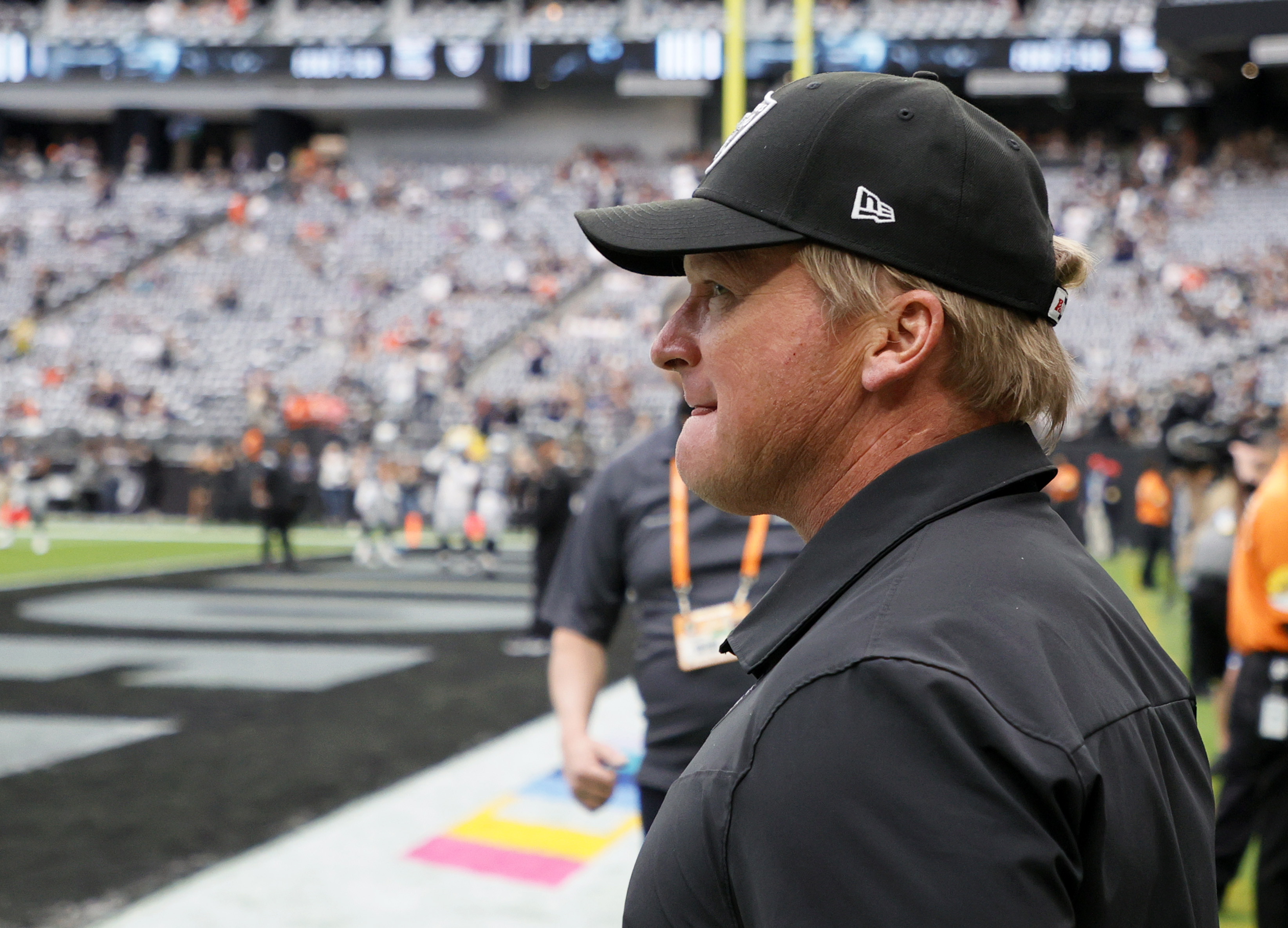
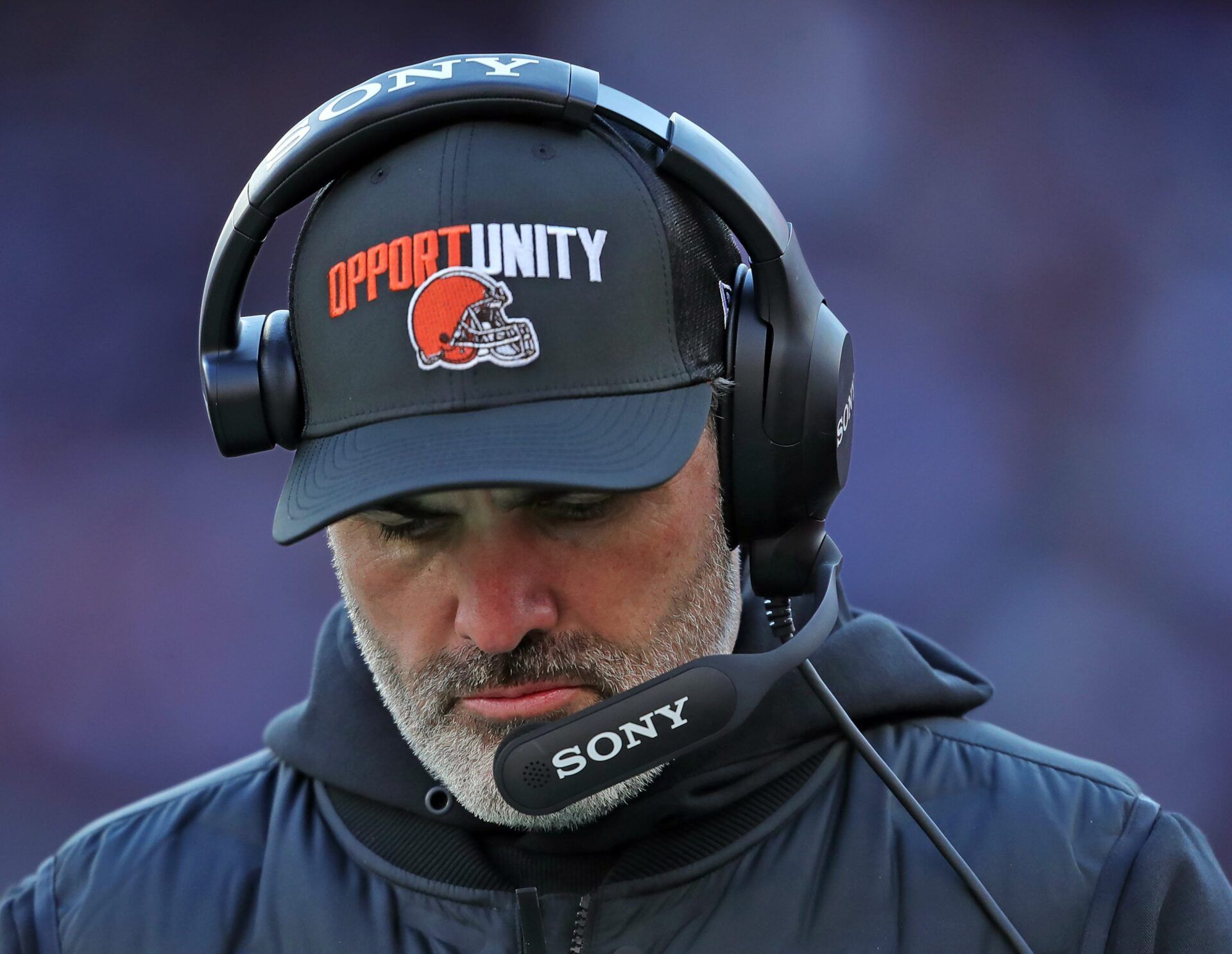
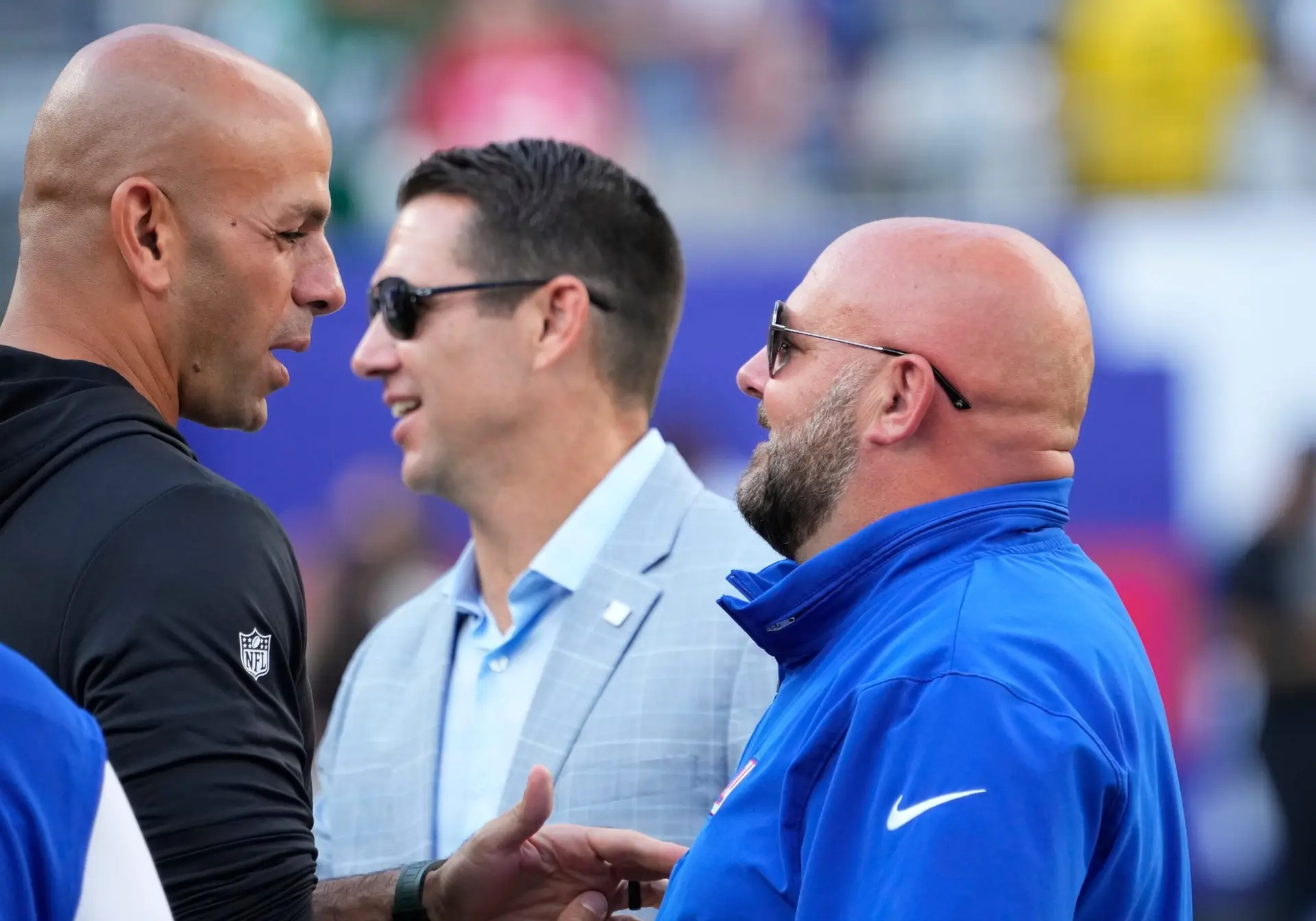
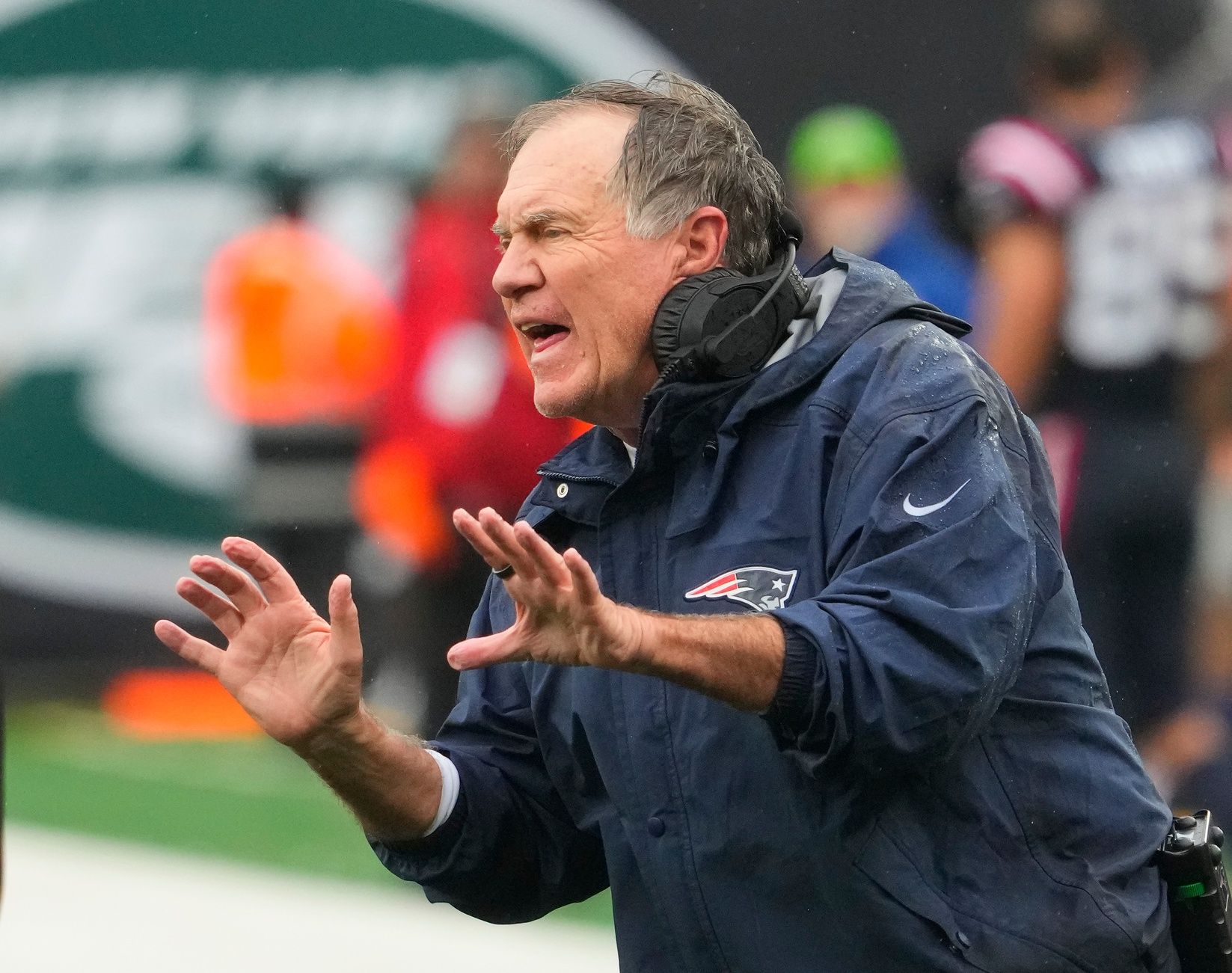
In the high-stakes environment of the National Football League, leadership turnover is a constant reality. As of the 2025-2026 cycle, several organizations have moved on from their head coaches due to underperformance, locker room disconnects, or philosophical shifts. This guide details every head coaching change, the reasons behind the dismissals, and the subsequent impact on their respective franchises.
The NFL coaching landscape remains one of the most volatile professions in professional sports. With massive television contracts and skyrocketing franchise valuations, owners are less patient than ever, often opting for "hard resets" rather than multi-year rebuilds. This season has been no exception, featuring both mid-season terminations and the traditional "Black Monday" departures that follow the conclusion of the regular season.
The Most Recent Firing Cycle: A Breakdown of Departures
The 2024-2025 and 2025-2026 periods have seen a significant shift in how teams approach coaching stability. While some organizations have historically preferred to wait until the season's end, the trend of mid-season firings has accelerated.
Robert Saleh – New York Jets
One of the most notable dismissals occurred early in the 2024 season when the New York Jets fired Robert Saleh. This move was particularly jarring as it marked the first time in Woody Johnson’s ownership tenure that a coach was let go mid-season. Saleh, known for his defensive acumen, had built a top-tier defensive unit, but the team's offensive struggles—even after the return of Aaron Rodgers—proved insurmountable.
The decision stemmed from a lack of offensive identity and a disappointing 2-3 start that felt like a continuation of previous years of stagnation. When a team invests heavily in veteran talent and elite quarterback play, the window for success shrinks, and the head coach is often the first to pay the price for a lack of immediate results.
Dennis Allen – New Orleans Saints
Following a disastrous seven-game losing streak during the 2024 campaign, the New Orleans Saints dismissed Dennis Allen. Allen, who replaced the legendary Sean Payton, struggled to maintain the winning culture established by his predecessor. The Saints were plagued by defensive regressions and a stagnant offense that failed to capitalize on a weak NFC South division.
Allen’s firing highlighted the difficulty of defensive coordinators transitioning to the top job without a strong offensive counterpart. The "losing streak" factor is often the final straw for NFL ownership; once a team loses the momentum and the fan base begins to disengage, a mid-season change becomes a tool for damage control and PR management.
The 2024 "Super Cycle" Context
To understand the current state of coaching changes, one must look at the massive turnover that preceded this season. The departures of icons like Bill Belichick (New England Patriots) and Pete Carroll (Seattle Seahawks) signaled a league-wide shift toward younger, more offensively-minded innovators. These moves set the stage for the current season, as teams that missed out on top candidates in the previous year felt added pressure to produce results quickly or face another round of terminations.
Why NFL Coaches Are Fired: Primary Drivers of Turnover
Firing a head coach is a multi-million dollar decision that affects everything from ticket sales to the development of a franchise quarterback. Several key factors typically converge before an owner decides to pull the trigger.
1. Failure to Develop a Franchise Quarterback
In the modern NFL, a head coach’s job security is tethered to the performance of the quarterback. If a team drafts a "savior" in the first round and that player fails to progress over two or three seasons, the head coach is almost always held responsible. The inability to craft a system that maximizes a young passer’s traits is the most common reason for dismissal in the current era.
2. Losing the Locker Room
"Losing the locker room" is a sports cliché that carries heavy weight in the NFL. It occurs when players no longer believe in the coach’s scheme, discipline, or ability to lead them to victory. Once veterans begin to vocalize frustration and effort levels drop on the field, the coach’s authority is effectively neutralized. Owners often monitor player exit interviews and internal morale to determine if a coach has lost his "voice."
3. Ownership Changes and "New Regime" Syndrome
When a team is sold to a new owner, the incumbent head coach is immediately on the hot seat. New owners often want "their guy"—someone who reflects their specific vision for the franchise. This leads to firings even when a coach has been moderately successful, as seen in various "parting of ways" scenarios across the league over the last decade.
4. Public Relations and Fan Base Apathy
An empty stadium is the fastest way to get a coach fired. When fan attendance drops and local media coverage turns overwhelmingly toxic, owners feel the financial pressure. A new coaching hire provides a "hope reset," allowing the team to sell new season tickets and jerseys based on the promise of a fresh start.
The Financial Impact of Coaching Changes
NFL coaching contracts are generally fully guaranteed. When a team fires a coach with three years left on an $8 million-per-year deal, the owner is essentially writing a $24 million check for that coach to stay home.
| Coach | Team | Estimated Remaining Contract | Replacement Type |
|---|---|---|---|
| Robert Saleh | NY Jets | ~2 Years | Interim (Jeff Ulbrich) |
| Dennis Allen | New Orleans Saints | ~2 Years | Interim (Darren Rizzi) |
| Arthur Smith* | Atlanta Falcons | N/A (End of '23) | Permanent (Raheem Morris) |
| Ron Rivera* | Washington Commanders | N/A (End of '23) | Permanent (Dan Quinn) |
*Note: Included for context regarding the previous cycle's financial resets.
Beyond the head coach, a firing usually leads to the dismissal of the entire coaching staff, including coordinators and position coaches. This can result in a "dead cap" equivalent of $30 million to $50 million in coaching salaries alone, which does not count against the player salary cap but certainly impacts the organization's bottom line.
The Hiring Process: Regulations and Requirements
Once a coach is fired, the "search" begins. The NFL has strict protocols, most notably the Rooney Rule, which requires teams to interview at least two external minority candidates for head coaching vacancies. In recent years, these rules have been expanded to include coordinator positions as well.
The Interview Window
The NFL has moved to delay in-person interviews with coaches currently employed by other teams until after the Divisional Round of the playoffs. This was designed to prevent distractions for coaches on winning teams, but it often leads to a "hiring frenzy" in late January. Teams with vacancies often use search firms to vet candidates, looking at everything from their tactical schemes to their psychological profiles.
The Rise of the "Offensive Guru"
There is a clear trend toward hiring young, offensive play-callers, often from the coaching trees of successful leaders like Kyle Shanahan or Sean McVay. The logic is simple: if you have a great offensive mind, you don't have to worry about your offensive coordinator getting hired away by another team every year. By making the head coach the primary play-caller, you ensure tactical continuity for your quarterback.
The Role of the Interim Head Coach
When a firing occurs mid-season, an interim head coach is appointed. This role is inherently difficult; the interim coach must stabilize a frustrated locker room while working with a staff they didn't hire and a roster they didn't build.
- Evaluation Period: For the interim coach, the remaining games serve as an extended job interview. While it is rare for an interim coach to be hired permanently (the "Rich Bisaccia" or "Antonio Pierce" scenarios), it does happen if they can spark a significant turnaround.
- Cultural Reset: The primary goal of an interim coach is often just to "stop the bleeding." They might simplify the playbook, change practice schedules, or focus on team-building exercises to restore morale.
- Draft Position vs. Winning: There is often a conflict between the fans’ desire for a high draft pick (by losing) and the interim coach’s desire to win games to prove their worth. This tension is a hallmark of late-season NFL football for struggling franchises.
Historical Trends in Coaching Longevity
The average tenure of an NFL head coach has dwindled to roughly 3.2 years. In a league defined by "parity"—where the salary cap and draft order are designed to help losers become winners—sustained failure is rarely tolerated.
Teams that experience frequent turnover often fall into the "Cycle of Mediocrity." Every time a new coach is hired, the team typically switches defensive or offensive schemes (e.g., moving from a 3-4 defense to a 4-3). This requires different types of players, leading to roster churn and wasted draft capital. Organizations like the Pittsburgh Steelers, who have had only three head coaches since 1969, are the exception and serve as the blueprint for the benefits of stability.
Common Mistakes in the Coaching Search
When teams fire a coach, they often fall into the trap of hiring the "opposite" of what they just had. If they fired a "player's coach" who was seen as too lenient, they often hire a strict disciplinarian. If they fired a defensive specialist, they hire an offensive innovator.
This reactionary hiring process can be dangerous because it ignores the fundamental need for a holistic leader. A head coach must be more than a tactician; they are the CEO of a multi-billion dollar operation. They must manage the medical staff, the scouting department, the media, and 53 distinct personalities in the locker room.
Summary of Recent Coaching Changes
The following table outlines the status of coaching changes noted during the recent 2024-2025 and ongoing 2025-2026 windows.
| Team | Fired Coach | Date of Dismissal | Primary Reason | Successor/Status |
|---|---|---|---|---|
| New York Jets | Robert Saleh | Oct 2024 | Offensive Stagnation | Jeff Ulbrich (Interim) |
| New Orleans Saints | Dennis Allen | Nov 2024 | 7-Game Losing Streak | Darren Rizzi (Interim) |
| New England Patriots | Bill Belichick | Jan 2024 | Post-Brady Decline | Jerod Mayo |
| Seattle Seahawks | Pete Carroll | Jan 2024 | Philosophical Shift | Mike Macdonald |
| Tennessee Titans | Mike Vrabel | Jan 2024 | Roster Friction | Brian Callahan |
Frequently Asked Questions
What is "Black Monday" in the NFL?
Black Monday refers to the day immediately following the final Sunday of the NFL regular season. It is traditionally the day when the highest number of head coaches and general managers are fired. Teams do this to begin their coaching searches as quickly as possible, often before the playoffs even begin for other teams.
Do fired NFL coaches still get paid?
Yes. Almost all NFL head coaching contracts are fully guaranteed. If a coach is fired before their contract expires, the team must pay the remaining balance. However, many contracts include "mitigation" clauses, meaning if the fired coach takes a new job at another team, the original team’s payment obligation is reduced by the amount of the new salary.
Can a team trade a head coach?
Yes, though it is rare. Since coaches are under contract, one team can "buy out" that contract by offering draft pick compensation to the coach's current team. A famous example is the Tampa Bay Buccaneers trading for Jon Gruden or the Denver Broncos trading for Sean Payton.
Who is the longest-tenured coach currently in the NFL?
As of 2026, Mike Tomlin of the Pittsburgh Steelers holds the title of the longest-tenured head coach. Having been hired in 2007, his longevity is a testament to the Steelers' organizational philosophy of stability over reactionary changes.
Does an interim coach usually get the permanent job?
Statistically, no. Most teams prefer to conduct a "full and thorough" search once the season ends to satisfy league requirements and explore all options, including high-profile coordinators and college coaches. Interim coaches are usually seen as "placeholders" rather than long-term solutions.
Practical Recommendations for Following the Carousel
If you are tracking coaching changes for fantasy football, betting, or general interest, keep the following in mind:
- Watch the Coordinators: The best indicator of a future head coach is the success of a top-five offense or defense. Keep an eye on coordinators from successful teams.
- Monitor Ownership Language: When an owner stops using the phrase "full confidence" and starts using "evaluation mode," a firing is usually imminent.
- Evaluate Roster Fit: A coaching change often means a major change in player value. Defensive players in a 4-3 system may struggle if a new coach brings in a 3-4 scheme.
The NFL coaching carousel is a reflection of the league's "win now" culture. While firings are often seen as failures, for many franchises, they represent the necessary first step toward a new era of competitiveness.