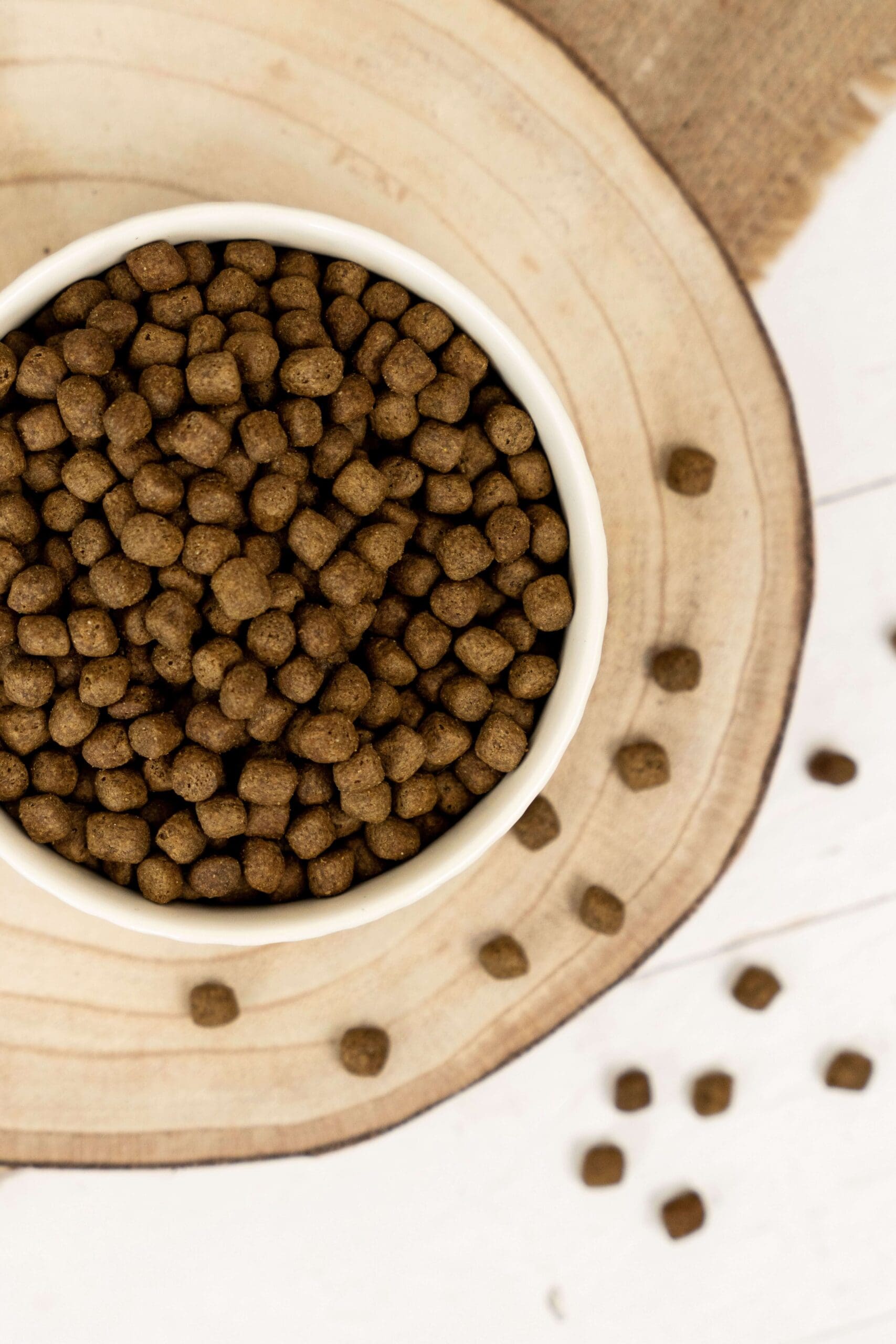
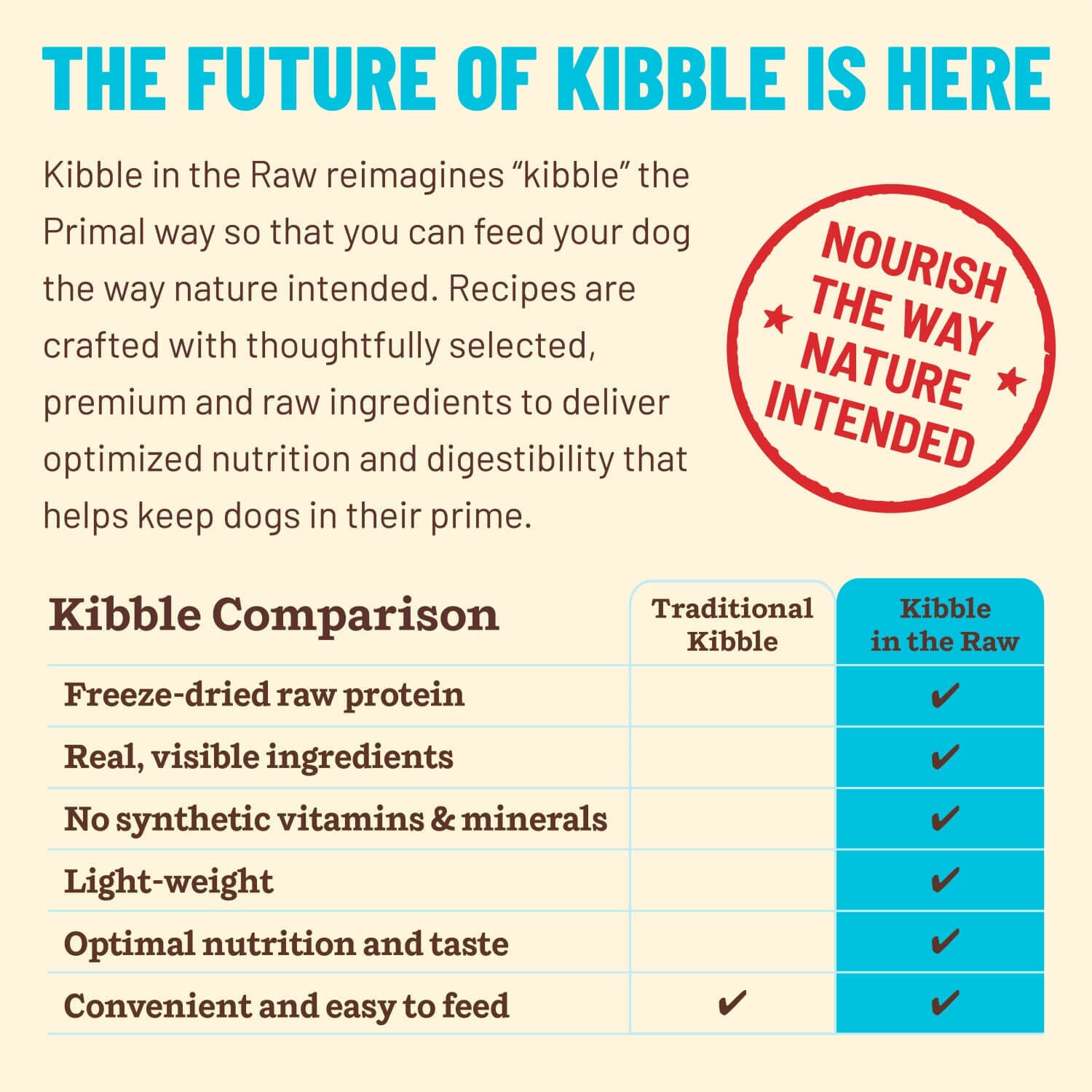
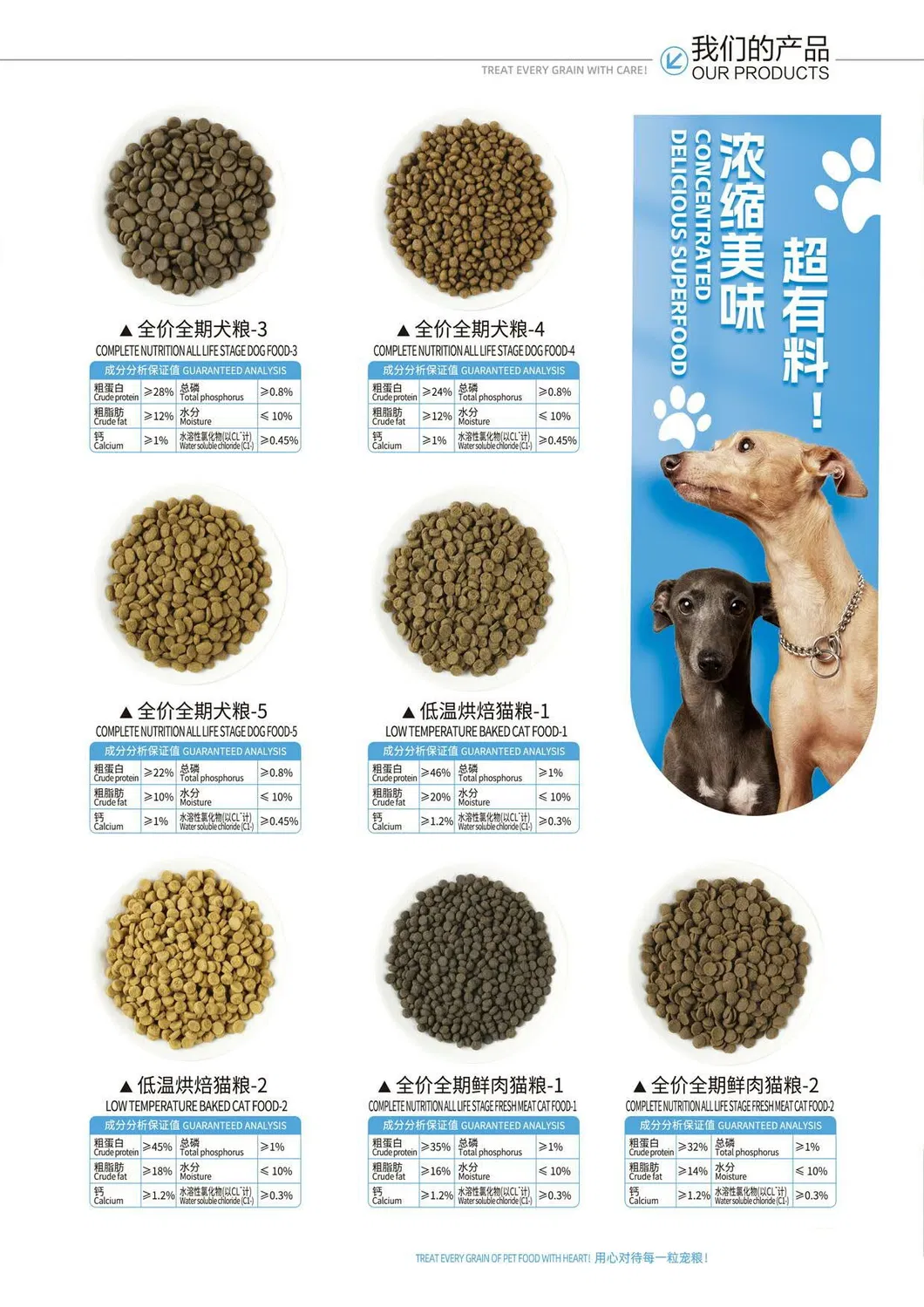
Defined by regulatory bodies like AAFCO, all-natural dog kibble consists of ingredients derived from plant, animal, or mineral sources without synthetic chemical processing. While it excludes artificial colors, flavors, and preservatives, most "natural" kibbles include synthetic vitamins and minerals to ensure a nutritionally complete and balanced diet for your pet.
Understanding what goes into your dog's bowl is more than a matter of preference; it is a fundamental aspect of long-term canine health. As we move through 2026, the pet food industry has seen a massive shift toward "clean label" products. However, the term "natural" is often misunderstood by consumers, who may conflate it with "organic" or "human-grade." This guide provides a deep dive into the technical standards, ingredient profiles, and nutritional realities of natural dog kibble.
Defining "Natural" in the Pet Food Industry
The definition of "natural" in the context of pet food is not a mere marketing suggestion; it is a strictly defined term by the Association of American Feed Control Officials (AAFCO). According to AAFCO guidelines, for a pet food to be labeled as natural, all ingredients—excluding synthetic vitamins, minerals, and trace nutrients—must be derived solely from plant, animal, or mined sources.
These ingredients can be in their unprocessed state or subjected to physical processing such as heat, rendering, purification, extraction, hydrolysis, or fermentation. The critical distinction is that they must not have been produced by or subjected to a chemically synthetic process. When you see a bag labeled "Natural with Added Vitamins and Minerals," it is an acknowledgment that while the bulk ingredients meet the natural standard, the essential micronutrients required for a balanced diet were synthesized in a lab to ensure precision and safety.
In 2026, transparency in sourcing has become the industry standard. Manufacturers are now more likely to disclose the specific physical processes used to create their kibble, allowing owners to verify that no harsh chemical solvents were used during the extraction of fats or the processing of proteins.
Core Components of All-Natural Kibble
To understand natural kibble, one must look at the three primary macronutrient categories: proteins, fats, and carbohydrates. In a high-quality natural formula, these are derived from whole-food sources rather than processed by-products or "mystery" meats.
Animal Proteins and Meat Meals
Natural kibble prioritizes identified animal proteins. This means the label will specify "Chicken," "Beef," or "Lamb" rather than "Meat and Bone Meal." In many natural diets, you will see "Meat Meal" (e.g., Chicken Meal). Contrary to some misconceptions, meat meal is a highly concentrated protein source created through rendering, a natural process of cooking out the water and fat. This results in a nutrient-dense powder that provides more protein per gram than fresh meat, which is roughly 70% water.
Complex Carbohydrates and Fiber
Unlike conventional kibble that might rely heavily on corn or wheat gluten as cheap fillers, natural kibble typically utilizes whole grains or grain-free alternatives. Common sources include brown rice, barley, oats, sweet potatoes, peas, and chickpeas. These ingredients provide the necessary starch to hold the kibble together during the extrusion process while offering fiber for digestive health and slow-release energy to maintain stable blood glucose levels.
Natural Fats and Oils
Fats are essential for skin health, coat shine, and brain function. Natural kibbles avoid "animal fat" (a generic term) in favor of specific sources like chicken fat, salmon oil, or flaxseed oil. These are often preserved using tocopherols (forms of Vitamin E) rather than synthetic chemicals.
What Natural Kibble Excludes: The "No-Go" List
The primary value proposition of natural dog food is what it leaves out. Conventional pet foods often use synthetic additives to improve shelf life, appearance, and palatability. Natural standards explicitly forbid several categories of these additives.
Artificial Preservatives
Synthetic preservatives like BHA (Butylated Hydroxyanisole), BHT (Butylated Hydroxytoluene), and Ethoxyquin are strictly prohibited in natural kibble. These chemicals are highly effective at preventing fat rancidity but have been the subject of long-term health debates. Natural kibbles use plant-derived antioxidants such as rosemary extract, citric acid, and mixed tocopherols. While these are safer, they are less "aggressive" than synthetics, meaning natural kibble generally has a shorter shelf life—usually 12 to 18 months compared to the multi-year stability of conventional products.
Artificial Colors and Flavors
Dogs do not care about the color of their food; artificial dyes like Red 40 or Yellow 5 are added solely for human appeal. Natural kibble maintains the earthy, brown tones resulting from the cooked ingredients. Similarly, artificial flavors—often used to mask low-quality ingredients—are replaced by natural palatants like animal digests or liver coatings that naturally entice a dog’s sense of smell and taste.
The Synthetic Supplement Paradox
A common point of confusion is the presence of long, chemical-sounding names at the end of a natural ingredient list, such as "Pyridoxine Hydrochloride" or "Manganous Oxide." It is important to understand why these are present.
While the "natural" label applies to the primary ingredients, it is extremely difficult to formulate a 100% natural diet that meets all the nutritional requirements for every stage of a dog’s life using only whole foods. Soil depletion and processing heat can vary the nutrient levels in plants and meats. To ensure a dog does not develop a deficiency (such as taurine deficiency in certain breeds or calcium-phosphorus imbalances), manufacturers add synthetic vitamins and minerals.
In 2026, the regulatory requirement remains: if a food is labeled "Natural" but contains these supplements, it must carry the disclaimer "with added vitamins, minerals, and other trace nutrients" in the same size font as the "Natural" claim. This ensures the consumer knows they are getting a biologically complete meal.
Comparing Dog Food Categories
Navigating the pet food aisle requires distinguishing between several similar-sounding terms. "Natural" is a legal definition, but "Organic" and "Holistic" represent different standards.
| Feature | Natural Kibble | Organic Kibble | Conventional Kibble |
|---|---|---|---|
| Primary Ingredients | Plant, animal, or mineral sources. | Certified organic (USDA standards). | Any AAFCO-approved source. |
| Artificial Colors/Flavors | Prohibited. | Prohibited. | Allowed (must be GRAS). |
| Synthetic Preservatives | Prohibited (BHA/BHT/Ethoxyquin). | Prohibited. | Allowed. |
| Antibiotics/Hormones | Not specifically restricted. | Strictly prohibited in animal sources. | Allowed per FDA guidelines. |
| GMO Ingredients | Allowed unless specified "Non-GMO". | Prohibited. | Allowed. |
| Regulatory Body | AAFCO / State Feed Officials. | USDA National Organic Program. | AAFCO / FDA. |
Health Benefits and Bioavailability
Switching to an all-natural kibble is often driven by a desire for better health outcomes. One of the primary technical advantages is bioavailability—the ease with which a dog's body can absorb and use nutrients.
- Digestive Efficiency: High-quality natural proteins and fiber sources typically lead to smaller, firmer stools. This is an indicator that the dog is absorbing more of the food and wasting less.
- Skin and Coat Health: Because natural diets rely on high-quality oils and avoid inflammatory artificial dyes, many owners report a reduction in "hot spots," itching, and dull fur within 30 to 60 days of transitioning.
- Weight Management: Natural kibbles often avoid high-glycemic fillers like corn syrup or excessive wheat, which can help prevent insulin spikes and contribute to a leaner body mass.
However, "natural" does not automatically mean "low calorie." It is still essential to calculate the caloric density of the food to prevent obesity, which remains a leading health issue for dogs in 2026.
How to Read and Verify a Natural Label
In 2026, savvy pet owners look beyond the front of the bag. The Guaranteed Analysis and the Statement of Nutritional Adequacy are the most critical sections of the label.
- The "Rule of Three": The first three ingredients represent the majority of the food's weight. In a natural kibble, at least two of these should be a named animal protein (e.g., Deboned Chicken and Turkey Meal).
- The AAFCO Statement: Look for the phrase "is formulated to meet the nutritional levels established by the AAFCO Dog Food Nutrient Profiles." This ensures the food is not just natural, but also nutritionally sufficient.
- Sourcing Transparency: Many brands now include batch numbers that can be scanned via smartphone to see exactly where the ingredients were sourced and when the safety tests were completed. If a brand claims to be "natural" but refuses to disclose its sourcing locations, exercise caution.
Potential Drawbacks and Considerations
While all-natural kibble offers numerous benefits, there are practical considerations for the owner:
- Cost: Natural ingredients are more expensive to source and process. On average, natural kibble can cost 20% to 50% more than conventional grocery store brands.
- Storage: Because natural preservatives are more sensitive to light, heat, and air, it is vital to store the kibble in its original bag inside an airtight container. The bag is designed with specific barriers to keep the fats from oxidizing.
- Transition Period: Natural foods can be more nutrient-dense than what a dog is used to. A sudden switch can cause gastrointestinal upset. A 10-day transition—mixing increasing amounts of the natural food with decreasing amounts of the old food—is highly recommended.
Frequently Asked Questions
Does "Natural" mean the food is grain-free?
No, "Natural" and "Grain-Free" are two different things. A natural dog food can contain grains like brown rice, barley, or oatmeal, provided they are not chemically processed. Conversely, a grain-free food could still contain artificial colors or synthetic preservatives, meaning it wouldn't be "Natural."
Is "Natural" the same as "Human-Grade"?
No. "Natural" refers to the origin and processing of ingredients. "Human-grade" refers to the quality of the ingredients and the facility where the food is manufactured. Human-grade food must be produced in a facility that meets FDA standards for human food production. Most natural kibble is still classified as "feed-grade."
Why does my natural kibble smell different than my old brand?
Natural kibble relies on animal fats and proteins for its aroma rather than artificial flavor enhancers. Additionally, natural antioxidants like rosemary extract have a distinct herbal scent. If the food smells "sour" or like old paint, it may have oxidized due to the shorter shelf life of natural preservatives.
Are natural kibbles safer than conventional ones?
Not necessarily in terms of pathogens like Salmonella or E. coli, as all pet food must meet safety standards. However, natural kibbles are often perceived as "safer" long-term because they avoid synthetic chemicals that have been linked to health issues in some studies.
Can I find natural kibble for specific life stages?
Yes. Natural kibbles are formulated for "Puppy," "Adult Maintenance," or "All Life Stages." Because natural food is often more nutrient-dense, it is particularly important to choose the correct life-stage formula to ensure appropriate calcium and calorie levels, especially for large-breed puppies.
Final Recommendation
When choosing an all-natural dog kibble, focus on the transparency of the manufacturer. In 2026, the best brands are those that not only meet the AAFCO definition of natural but also provide verifiable sourcing data and rigorous third-party testing for contaminants. If you are looking to transition your dog, start by selecting a formula that uses a protein source your dog has previously thrived on, and monitor their energy levels, coat quality, and digestion over a six-week period.