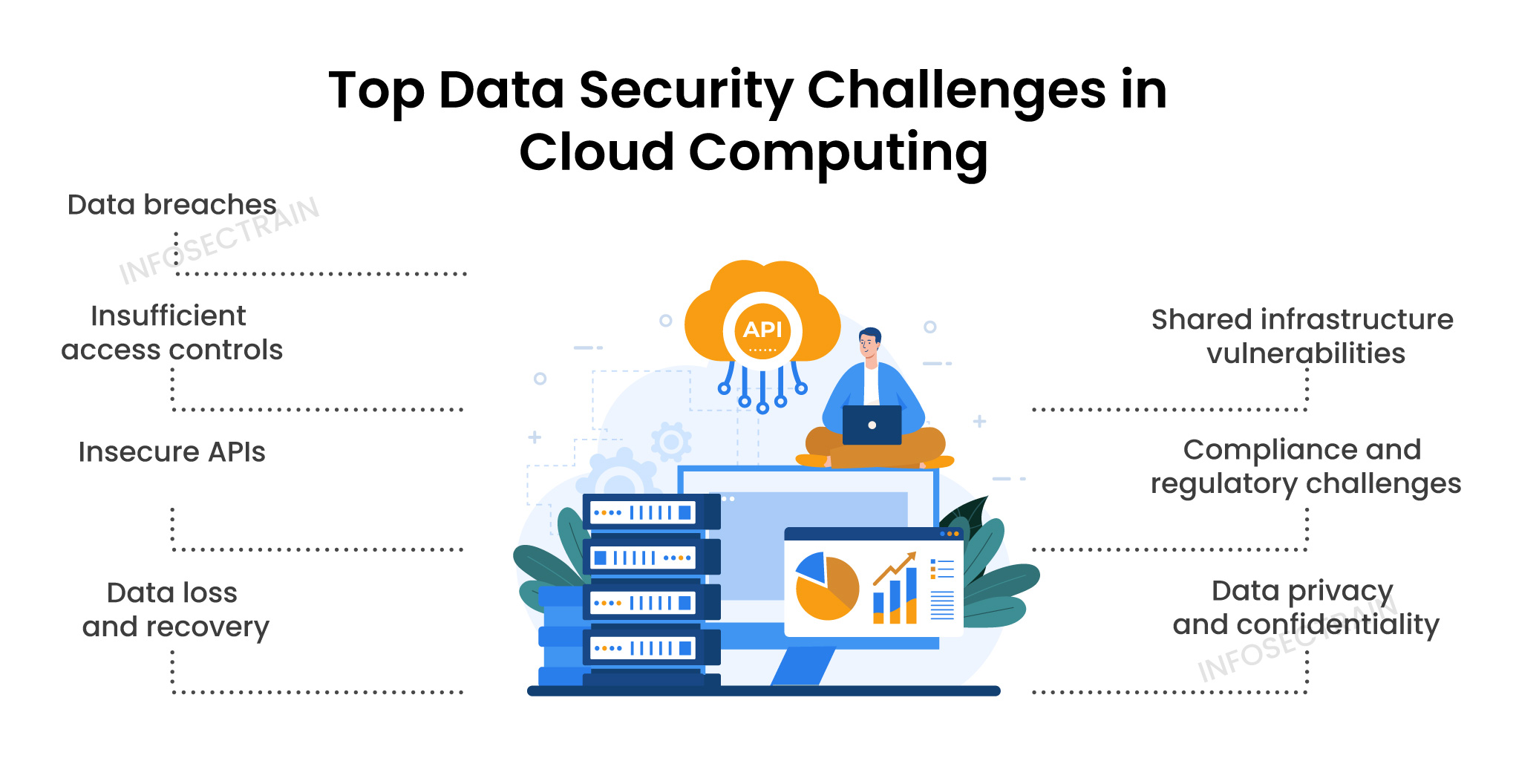
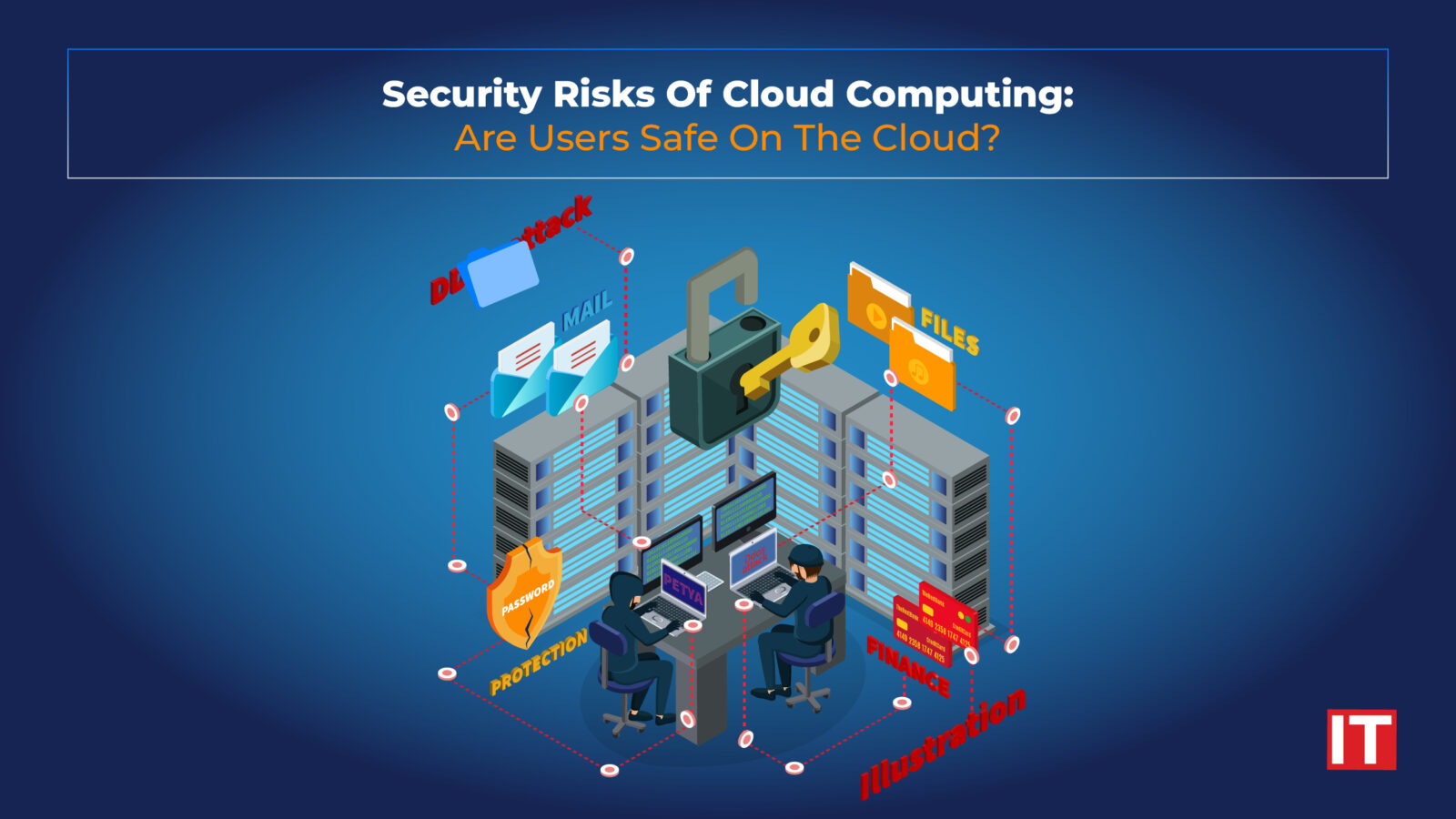
In the context of cloud computing security, common threats include data breaches, account hijacking, insecure interfaces, and denial-of-service attacks. The exception—the factor that does not fall under the umbrella of a security vulnerability—is typically a fundamental operational attribute or a standard business practice that exists independently of the cloud’s inherent security posture, such as a scheduled service outage or a predefined billing cycle.
Defining Cloud Computing Security Concerns
Cloud computing has transformed how organizations store, process, and manage data. However, the migration from local infrastructure to cloud-based environments introduces a unique set of security challenges. To identify which factors are not security issues, one must first possess a granular understanding of what actually constitutes a risk in the cloud ecosystem.
Cloud security is defined by the shared responsibility model. In this framework, the Cloud Service Provider (CSP) is responsible for the security of the infrastructure, while the client is responsible for the security of the data and the applications residing within that infrastructure. Security issues arise when there is a breakdown in this configuration, a lapse in access control, or an exploitation of an exposed interface.
Common security issues generally categorized by industry standards include:
- Data Breaches: The unauthorized access to sensitive, confidential, or protected data.
- Insufficient Identity and Access Management (IAM): Weak authentication processes or overly permissive account credentials.
- Insecure APIs: Programming interfaces that are improperly secured, providing an entry point for malicious actors to intercept or manipulate data.
- System Vulnerabilities: Exploitable flaws in the underlying operating systems or applications that have not been patched.
- Account Hijacking: When a malicious actor gains control over a legitimate user's cloud account through phishing or credential theft.
The Logic of the "Except" Question
When assessing security knowledge, practitioners often encounter questions formatted as "all of the following are cloud computing security issues except the one." These questions are designed to test the ability to distinguish between active security threats and neutral operational characteristics.
An item that is not a security issue is often an aspect of the cloud that is functional, logistical, or inherent to the business model. For example, if a list includes "Data loss," "Insecure APIs," and "Planned Maintenance Windows," the maintenance window is the exception. While a maintenance window may impact availability, it is a planned operational procedure, not a security breach, vulnerability, or threat.
Common Misconceptions Regarding Cloud Security
Many users conflate "service unavailability" or "business challenges" with "security issues." Understanding the difference is vital for effective risk management.
Operational Availability vs. Security
If a cloud provider experiences a downtime event due to an infrastructure failure (such as a power outage at a data center), this is an availability issue. While the impact is similar to a Denial-of-Service (DoS) attack, the origin is not a security threat. A security issue is intentionally malicious or caused by a failure in security policy. An operational failure is a mechanical or systemic event.
Cost and Billing Cycles
Another area often confused with security is the economic aspect of the cloud. Issues like "unexpected overages" or "subscription plan changes" are financial challenges. They do not threaten the integrity, confidentiality, or availability of the data. Identifying these as the "exception" in a list of security threats is the standard way of testing a user’s ability to categorize IT risks correctly.
Regulatory Compliance
While regulatory compliance is a major component of cloud security, failure to comply with a regulation (like GDPR or HIPAA) is a legal and compliance risk. However, it is often treated as a security issue because it usually stems from inadequate security controls. When differentiating, always look for the "non-technical" or "non-malicious" outlier in the list.
Table: Differentiating Security Issues from Operational Realities
| Factor | Categorization | Reasoning |
|---|---|---|
| Data Breach | Security Issue | Results from compromised integrity/confidentiality. |
| Account Hijacking | Security Issue | Malicious exploitation of access credentials. |
| Insecure APIs | Security Issue | Flaw in the communication interface/entry point. |
| Planned Upgrades | Operational | Predefined maintenance; not a malicious event. |
| Billing Discrepancy | Administrative | Financial/Account matter; does not affect data security. |
| Hardware Failure | Reliability Issue | System fault; lacks a malicious threat actor. |
The Role of the Shared Responsibility Model
To better understand why certain items are not security issues, one must revisit the Shared Responsibility Model. This model dictates what the provider covers and what the customer covers.
- Provider Responsibility: Hardware, networking, data center security, and the physical cloud infrastructure.
- Customer Responsibility: Data classification, identity management, encryption, and endpoint security.
If a question asks to identify an exception to security issues, look for items that fall outside of this model. For instance, if an option is "The physical location of the data center," this is an architectural choice. While there are security implications to where data is stored (data sovereignty), the location itself is not a "security issue." It is a geographical parameter.
Distinguishing Security from Performance Issues
In the 2026 landscape of cloud computing, performance optimization has become a high-priority task. Many organizations confuse high latency or slow network throughput with a security bottleneck.
- Latency/Throughput: These are performance metrics. If your application is slow, you might need to scale your resources.
- Security Bottlenecks: These occur when security overhead—such as heavy encryption or deep packet inspection—slows down the application.
The security issue here is the misconfiguration of the encryption, not the existence of the encryption itself. If a list identifies "High Latency" as a security issue, it is likely the correct answer for the "except the one" question because, in isolation, latency is a performance characteristic, not a security vulnerability.
Identifying the True Security Outlier
When presented with a list of items to categorize as "security issues," use the following analytical steps:
- Analyze Intent: Is the item caused by a bad actor, a configuration error, or a flaw in the system? If yes, it is a security issue.
- Analyze Necessity: Is the item a standard business process (like billing, scheduling, or reporting)? If yes, it is the exception.
- Analyze Mechanism: Does the item imply the exposure of data or an unauthorized system modification? If not, it is likely the exception.
By applying this logic, you can quickly filter out distracting, non-security-related options that frequently appear in technical assessments.
Managing Security Posture in 2026
As we navigate the technological environment of 2026, the focus of cloud security has shifted toward Zero Trust Architecture (ZTA). This approach assumes that no entity—inside or outside the network—is trusted by default.
In this environment, even the "exceptions" (like maintenance windows) are becoming more strictly controlled. However, even with the strictest ZTA, an administrative billing task remains an administrative task. Keeping these domains separate is crucial for maintaining a clean and effective security strategy.
Organizations should prioritize the automation of security audits to ensure that the actual security issues—such as identity management and interface security—are addressed in real-time, while operational tasks are handled through standard IT management workflows.
Frequently Asked Questions (FAQ)
1. Is a service outage always considered a cloud security issue? No. A service outage is primarily an availability issue. If the outage is caused by a Distributed Denial-of-Service (DDoS) attack, it becomes a security issue. If it is caused by a hardware failure or a planned upgrade, it is an operational or reliability issue.
2. Why is billing or account management not considered a security issue? Billing and account management are administrative processes. While they require secure access, the processes themselves (like receiving an invoice or updating a credit card) do not involve the protection of data against malicious threats, which is the core definition of security.
3. Does the physical location of a data center constitute a security vulnerability? The physical location itself is not a vulnerability. However, it can pose a compliance risk (e.g., data residency laws). It is often considered a "governance" issue rather than a direct "security" vulnerability in the context of system exploitation.
4. How does "Insecure APIs" qualify as a top-tier security issue? APIs serve as the "front door" for cloud services. If these doors are left unlocked or possess "keys" that are easily guessed, an attacker can bypass all other layers of security to access the underlying data, making it a critical threat.
5. What is the most effective way to address identified cloud security issues? The most effective approach is a combination of implementing the principle of least privilege, enforcing multi-factor authentication (MFA) for all users, encrypting data both at rest and in transit, and maintaining constant visibility through automated monitoring tools.
Final Recommendation for Cloud Security Management
To effectively manage your environment in 2026, stop treating all system anomalies as security threats. Audit your cloud infrastructure to isolate true security risks from operational or financial tasks. By strictly segregating these categories, you can dedicate your security team's resources to mitigating genuine threats such as identity compromise and data breaches, rather than spending time on non-security operational workflows. Ensure your team utilizes modern, automated configuration management tools to maintain the desired security posture, and always align your practices with the current industry-standard Shared Responsibility Model.