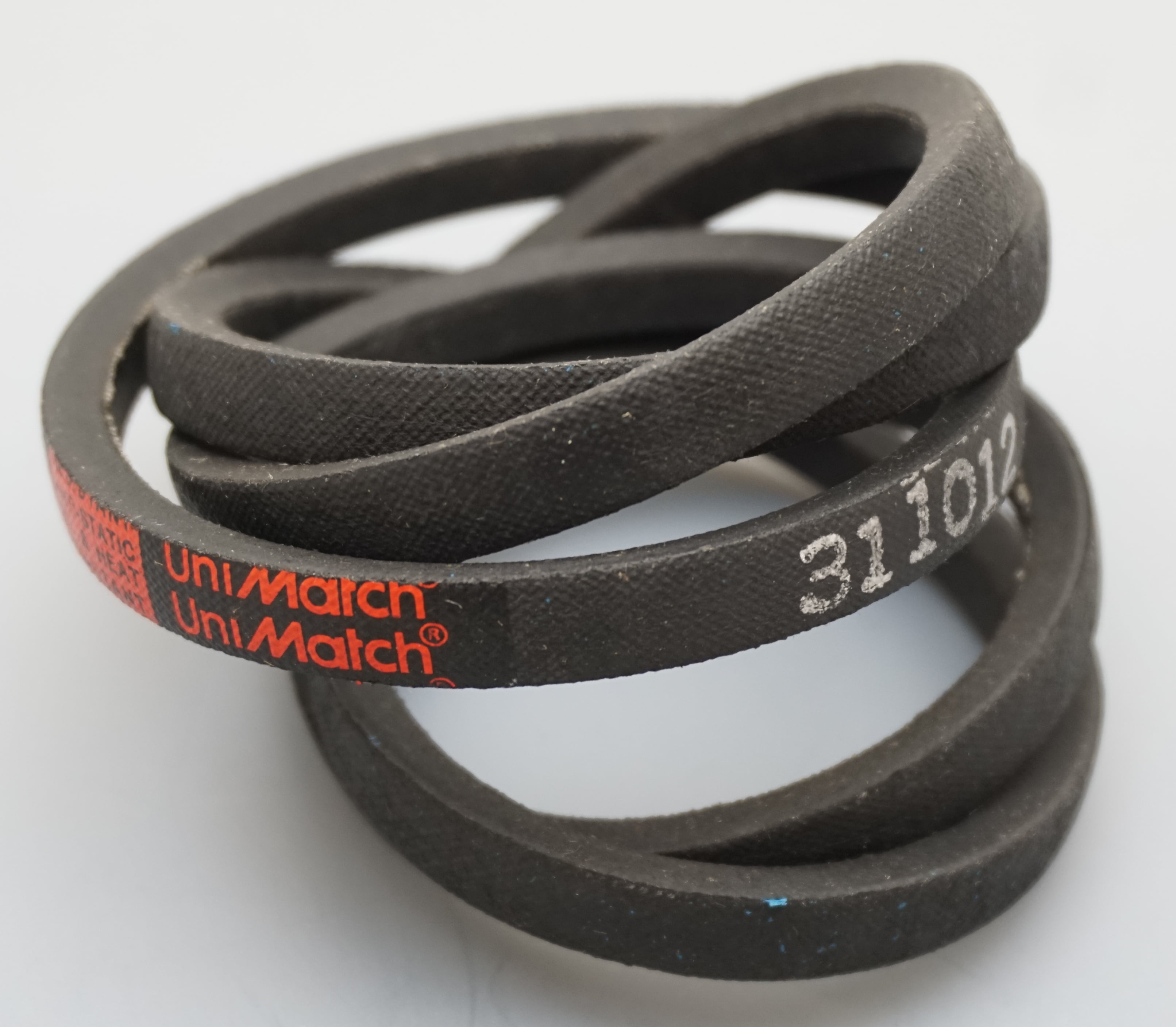
No, dryer belts are not universal, and they are definitely not all the same size. Each dryer model is engineered with a specific drum diameter, idler pulley configuration, and motor placement that requires a belt with a precise length, width, and rib count to function correctly. Installing an incorrect belt will typically result in the drum failing to rotate, the belt slipping or snapping, or, in severe cases, damage to the dryer's motor or idler pulley system.
Why Dryer Belts Are Unique to Specific Models
The diversity of dryer belt sizes stems from the mechanical design of the appliance. Manufacturers like Whirlpool, Samsung, LG, GE, and Maytag produce hundreds of different dryer models, each requiring a tailored internal geometry. The belt acts as the essential linkage between the drive motor and the dryer drum.
When a dryer runs, the belt must maintain a specific tension—usually managed by an idler pulley—to ensure there is enough friction to turn the heavy, clothes-laden drum without sliding off the tracks. If a belt is too short, you will not be able to stretch it over the pulley during installation, or it will put excessive stress on the motor bearings. If it is too long, the belt will be too loose, leading to slippage, failure to spin, and accelerated wear on the rubber.
Understanding Belt Specifications: Anatomy of a Dryer Belt
To select the correct belt, it is important to understand the three primary variables that differentiate one belt from another:
- Length (Circumference): This is the most critical measurement. It is determined by the diameter of the drum and the path the belt takes around the motor pulley and idler arm. Even a difference of half an inch can render a belt useless for a specific machine.
- Width: The width of the belt must match the width of the drum’s track and the motor pulley. A belt that is too wide will not seat properly in the groove, while a belt that is too narrow may wander and eventually jump off the pulleys.
- Rib/Groove Count: Many modern dryers use "poly-v" belts, which have distinct ribs that grip the motor pulley. These ribs must align perfectly with the grooves in the pulley to provide the necessary traction.
How to Identify the Correct Belt for Your Dryer
Because you cannot rely on sight alone to determine if a belt is the "right" size, you must use the specific documentation provided by the manufacturer. Follow these steps to ensure you purchase the correct replacement part:
- Locate the Model Number: The model number is usually found on a metal tag located inside the door frame, on the back of the machine, or occasionally on the underside of the top panel.
- Consult a Parts Diagram: Once you have the model number, search for a manufacturer-authorized parts website or an official appliance repair portal. These sites provide "exploded view" diagrams that list the exact part number for the belt associated with your specific serial number range.
- Avoid Generic "One-Size-Fits-All" Belts: While some marketing materials may claim a belt is "compatible with most major brands," these are usually limited to specific, very similar architectures (e.g., a belt shared by several Whirlpool-manufactured dryers sold under different brand names). Never buy a generic belt without verifying that your specific model number appears on the manufacturer’s compatibility list.
Table: Key Differences in Dryer Belt Applications
| Feature | Importance | Risk of Using Wrong Size |
|---|---|---|
| Belt Length | Defines tension and fit | Belt snaps or fails to grip drum |
| Rib Configuration | Matches motor pulley grooves | Slippage, squealing, or belt jumping |
| Material/Durometer | Determines heat resistance | Premature cracking or melting |
| Manufacturing Brand | Ensures design tolerances | Inferior material leads to early breakage |
Risks of Installing the Wrong Belt
Attempting to force a belt onto a dryer that it was not designed for is a common mistake that often leads to secondary repairs. When a belt is slightly incorrect in size, the most immediate symptom is a squealing noise. This happens because the belt is slipping against the metal pulley, creating friction and heat. Over time, this friction can burn through the rubber or even cause the belt to catch fire if the dryer continues to run while the drum is stationary.
Furthermore, an improperly sized belt places uneven load on the motor. Most dryer motors have a set of bearings designed to handle a specific amount of tension. If the belt is too tight, it will pull the motor shaft out of alignment, causing the motor to hum, overheat, or seize up entirely. Replacing a belt is an affordable DIY task; replacing a motor due to a cheap, incorrectly sized belt is a significant expense.
Common Signs Your Dryer Belt Is Failing
Before the belt snaps, there are often warning signs that indicate the belt is no longer operating within its design specifications or is worn out:
- Increased Drum Noise: A thumping or squealing sound often indicates that the belt has stretched or that a portion of the ribbing has stripped away.
- Clothes Remain Damp: If the drum is not spinning efficiently, the clothes will not tumble, meaning they are not being exposed to the hot air circulation properly.
- Dryer Operates But Doesn't Tumble: This is the most obvious sign. If you hear the motor running but the drum remains still, the belt has either slipped off the pulley or, more likely, snapped.
- Visible Wear: During an inspection, if you notice fraying, missing rubber ribs, or signs of dry rot, the belt has reached the end of its service life regardless of its current size.
Safety Considerations for Belt Replacement
Safety is paramount when working with household appliances. Before attempting to access the belt, always unplug the dryer from the electrical outlet. Gas dryers present additional risks; always ensure the gas supply is turned off if your repair process requires disconnecting the dryer from the gas line. Furthermore, the interior of the dryer can contain sharp metal edges, particularly around the heating element housing and the drum frame. Always wear gloves when performing repairs.
Frequently Asked Questions
Can I measure my old belt to find a replacement? No. Old belts often stretch significantly over time due to heat and mechanical tension. A worn belt will always measure longer than a new one, leading you to purchase an incorrect size. Always use the manufacturer-provided part number linked to your model number.
Are there universal belts for older dryer models? Even in older models, manufacturers designed components for specific configurations. While some older appliances may share common parts due to corporate mergers or platform sharing, they are never "universal." Using a part not listed for your model remains a high-risk practice.
Why does my new belt feel too small to install? Dryer belts are designed to be under significant tension. A new belt should feel tight and may require a fair amount of force to stretch over the idler pulley. If you are struggling, ensure you are following the correct "belt path" diagram for your model, as the path often involves looping the belt through the idler arm in a specific way.
Does a brand-name belt matter compared to third-party parts? Yes. While high-quality aftermarket parts exist, original equipment manufacturer (OEM) parts are guaranteed to match the exact rubber compounds and structural dimensions specified by the appliance engineers. Third-party parts often use inferior rubber, which can lead to a shorter lifespan or poor grip.
How often should a dryer belt be replaced? There is no fixed schedule, as it depends on usage and the environment. However, if you are performing other maintenance—such as replacing the idler pulley or drum rollers—it is standard practice to replace the belt simultaneously, as it is a low-cost, high-labor-intensity part to access.
Final Recommendation
When facing a dryer belt failure, do not attempt to guess the size or rely on visual comparisons. The only reliable method is to locate your dryer’s model number and search for the part number in the official service manual or the manufacturer’s parts catalog. By using the specific part designated for your machine, you ensure optimal operation and avoid the risk of motor damage or repeated repairs. Always prioritize OEM parts for critical components like drive belts to ensure the longevity of your appliance.