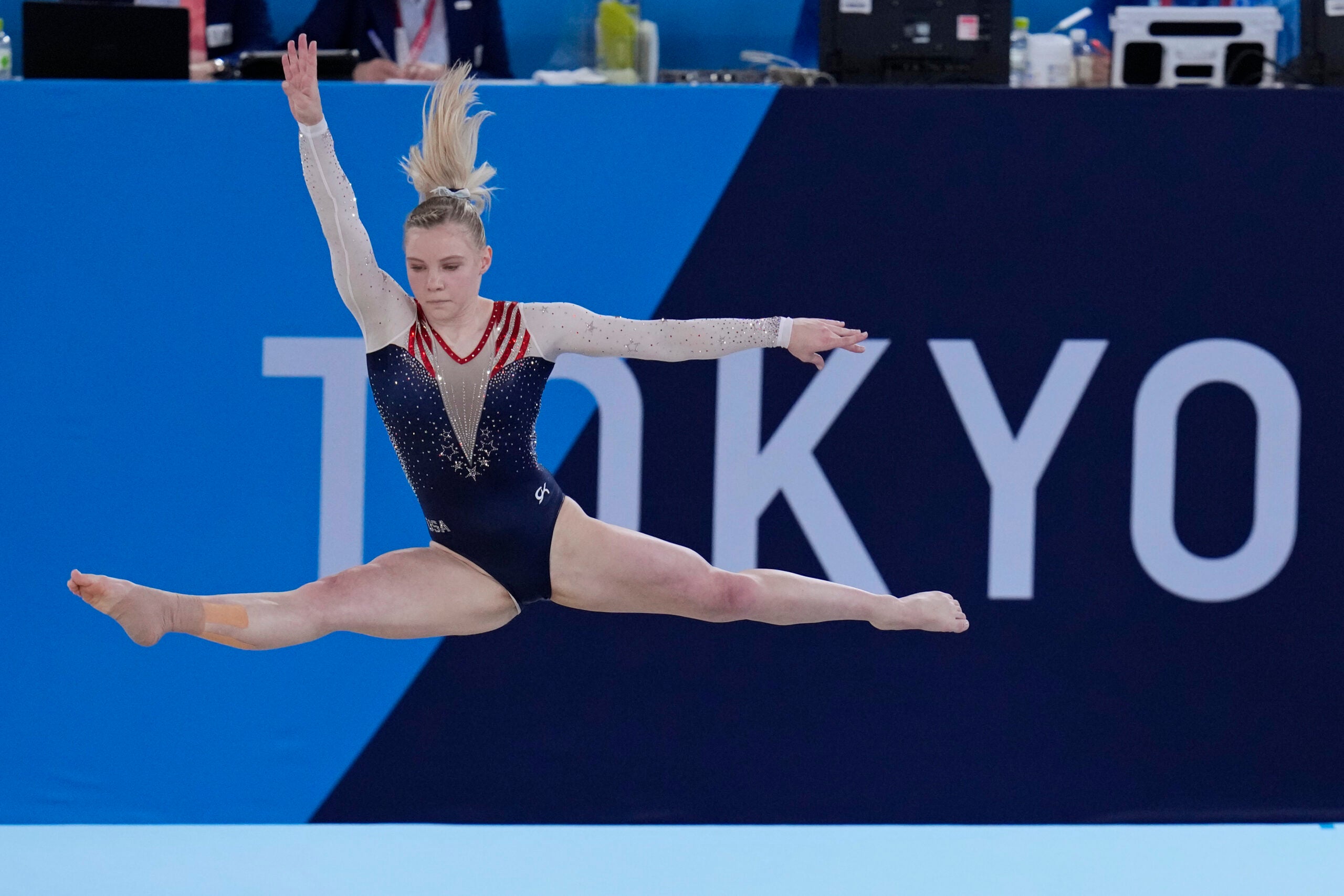
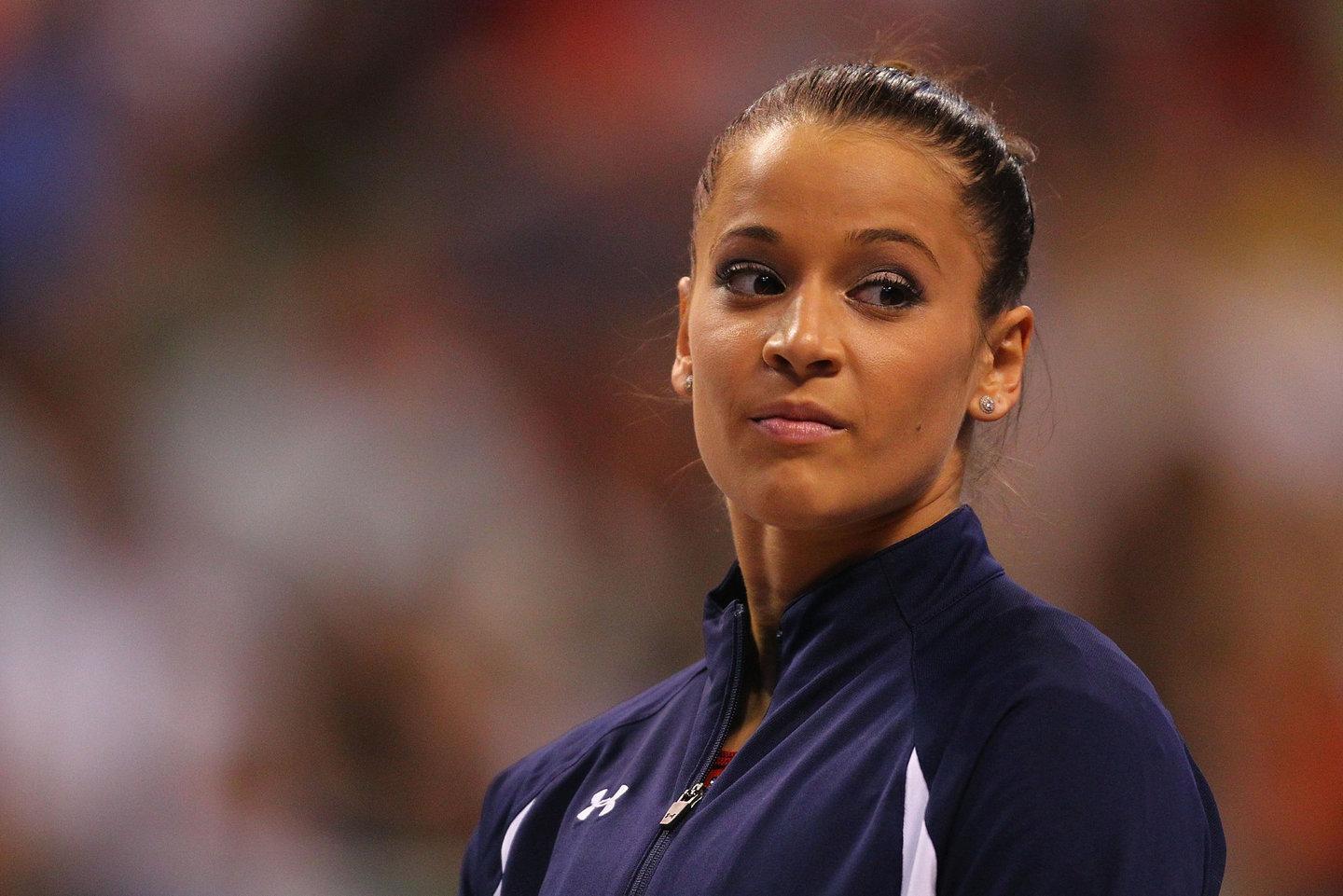
Alicia Quinn is widely recognized as a transformative figure in the sport of gymnastics, renowned for her technical mastery, competitive resilience, and profound influence on the evolution of modern routines. Her journey through elite-level athletics redefined the standards of difficulty, execution, and artistry, leaving an indelible mark on the international gymnastics community and inspiring generations of athletes worldwide.
Introduction to Alicia Quinn’s Gymnastics Career
The trajectory of elite gymnastics is shaped by rare athletes who not only win medals but fundamentally alter how the sport is performed, judged, and perceived. Alicia Quinn stands firmly among these figures. From her early days in regional developmental programs to her dominance on the international stage, Quinn’s career was defined by a relentless pursuit of technical perfection and innovative choreography.
Understanding a gymnastics icon of Quinn’s stature requires examining more than just her medal count. It demands an appreciation for the structural demands of the sport during her era, the physical toll of elite competition, and the ways athletes navigate the transition from competitive performer to influential ambassador. This analysis explores the core components of Quinn's career, her signature technical contributions, her competitive legacy, and the broader cultural impact she left on the gymnastics landscape.
Early Beginnings and the Path to Elite Status
Every elite gymnastics career begins with foundational training that tests an athlete's physical and psychological limits. For Alicia Quinn, this foundation was forged in high-intensity club environments where discipline, repetition, and structural alignment are prioritized above all else.
Developmental Years and Club Training
Entering the sport at a young age, Quinn exhibited the quintessential traits of a successful gymnast: extraordinary spatial awareness, exceptional flexibility, explosive fast-twitch muscle response, and an innate sense of rhythm. Under the guidance of specialized coaches, she progressed rapidly through the compulsory levels of the sport.
- Strength Conditioning: Building a dense muscular framework capable of absorbing forces up to ten times body weight during tumbling landings.
- Flexibility and Mobility: Achieving hyper-extension in leaps and turns to satisfy strict Code of Points execution requirements.
- Mental Toughness: Developing the ability to execute high-risk acrobatic elements under intense pressure and scrutiny.
Transition to the Senior International Level
Moving from the junior ranks to senior international competition represents one of the steepest climbs in sports. Quinn successfully bridged this gap by increasing her difficulty score (D-score) while maintaining the execution precision (E-score) necessary to separate herself from a crowded field. This era tested her resilience, particularly as she navigated the rigorous trial processes required to secure spots on major championship teams.
Technical Mastery Across the Four Apparatuses
Alicia Quinn’s reputation as an icon stems from her versatility. While many elite specialists excel on one or two apparatuses, Quinn maintained competitive excellence across all four women's artistic gymnastics events: the Vault, Uneven Bars, Balance Beam, and Floor Exercise.
Apparatus Breakdown and Performance Profile
| Apparatus | Technical Focus | Quinn’s Distinctive Strengths | Risk Factors & Execution Demands |
|---|---|---|---|
| Vault | Explosive power, pre-flight, and twisting mechanics | Clean entry block, exceptional height, and stuck landings | High impact on joints; zero room for air-sense errors |
| Uneven Bars | Fluid transitions, release elements, and handstand precision | Seamless pirouette combinations and high-amplitude catches | Grip security, shoulder strain, and precise bar proximity |
| Balance Beam | Static balance, dynamic acrobatics, and leap series | Unwavering focus, rhythmic connection of flight elements | Extreme spatial precision required on a four-inch surface |
| Floor Exercise | Tumbling difficulty, dance expression, and musicality | Powerful tumbling passes blended with artistic choreography | Fatigue management during the final tumbling pass |
Innovation and Choreographic Influence
Beyond raw execution, Quinn was known for introducing innovative connections and personalized artistic interpretations. On the Balance Beam, her ability to link high-level acrobatic elements without rhythmic interruption set a benchmark for domestic and international competitors. On the Floor Exercise, she collaborated with choreographers to design routines that highlighted her athletic strengths while engaging audiences through dynamic musicality.
Major Competitive Milestones and International Impact
Throughout her active competitive years, Quinn faced the highest tier of international competition. Her routines at world championships and international cups established her as a formidable contender for individual all-around and apparatus titles.
Her presence on the international stage coincided with a period of rapid evolution in the sport's Code of Points. As governing bodies adjusted scoring structures to emphasize execution alongside soaring difficulty, Quinn’s precise style served as a model for how athletes could balance risk with aesthetic cleanliness. Her performances routinely earned praise from international judges and analysts for maintaining structural integrity even when performing the most complex acrobatic skills.
Overcoming Adversity and Injury Management
The life of a gymnastics icon is rarely linear. Elite gymnastics places extreme stress on skeletal and muscular systems, making injury a constant threat. Quinn’s career was marked by significant physical challenges, including joint strains and structural setbacks that required surgical intervention and prolonged rehabilitation.
- Rehabilitation Protocols: Adhering to rigorous physical therapy regimens to rebuild stabilizer strength around vulnerable joints.
- Adaptation Strategies: Modifying training loads to preserve peak physical condition for major competitive windows.
- Psychological Resilience: Overcoming the fear of re-injury when returning to high-difficulty tumbling and release skills.
These trials tested her dedication to the sport. Rather than signaling an early retirement, these recovery periods often showcased her maturity, returning to competition with refined pacing and strategic maturity.
Post-Competitive Contributions and Legacy
When competitive athletes retire, their relationship with the sport often evolves into coaching, mentorship, or media analysis. Alicia Quinn’s influence extended far beyond her final competitive routine.
Mentorship of the Next Generation
Quinn took an active role in guiding younger athletes, sharing insights into the mental demands of elite sports, proper training hygiene, and the importance of longevity in a sport notorious for short career spans. Her experience provided emerging gymnasts with a practical roadmap for managing the pressures of national team selection camps and international travel.
Advocacy for Athlete Welfare and Safety
In the broader context of modern gymnastics, figures like Quinn have contributed to shifting conversations regarding athlete health, training culture, and welfare. By speaking on the physical realities of elite sport, she helped foster a more supportive environment focused on sustainable training methods and comprehensive injury prevention.
Frequently Asked Questions About Alicia Quinn
What made Alicia Quinn a standout figure in gymnastics?
Alicia Quinn is celebrated for her rare combination of technical difficulty, consistent execution across all four apparatuses, and artistic expression. Her ability to innovate within changing scoring systems cemented her status as an icon of the sport.
Did Alicia Quinn compete internationally?
Yes, Quinn represented her program at major international competitions, facing elite fields and earning recognition for her clean tumbling, precise bar work, and composed beam routines.
How did Quinn handle major injuries during her career?
Like many elite gymnasts, Quinn utilized structured physical therapy, modern sports science protocols, and gradual training reintegration to successfully return to high-level competition following structural setbacks.
What is Alicia Quinn’s lasting impact on the sport?
Beyond her medals and competitive achievements, Quinn influenced modern training philosophies by prioritizing technical longevity, graceful execution, and the mentorship of emerging athletes.
Conclusion and Continuing Influence
Alicia Quinn’s place in the history of gymnastics is secured by her dedication to athletic excellence and her ability to perform at the highest levels under intense pressure. Her career illustrates the intersection of raw talent, tactical preparation, and mental resilience. As the sport continues to evolve with new generations of athletes and shifting rules, the foundational standards of discipline and artistry demonstrated by icons like Quinn remain an enduring benchmark for excellence.