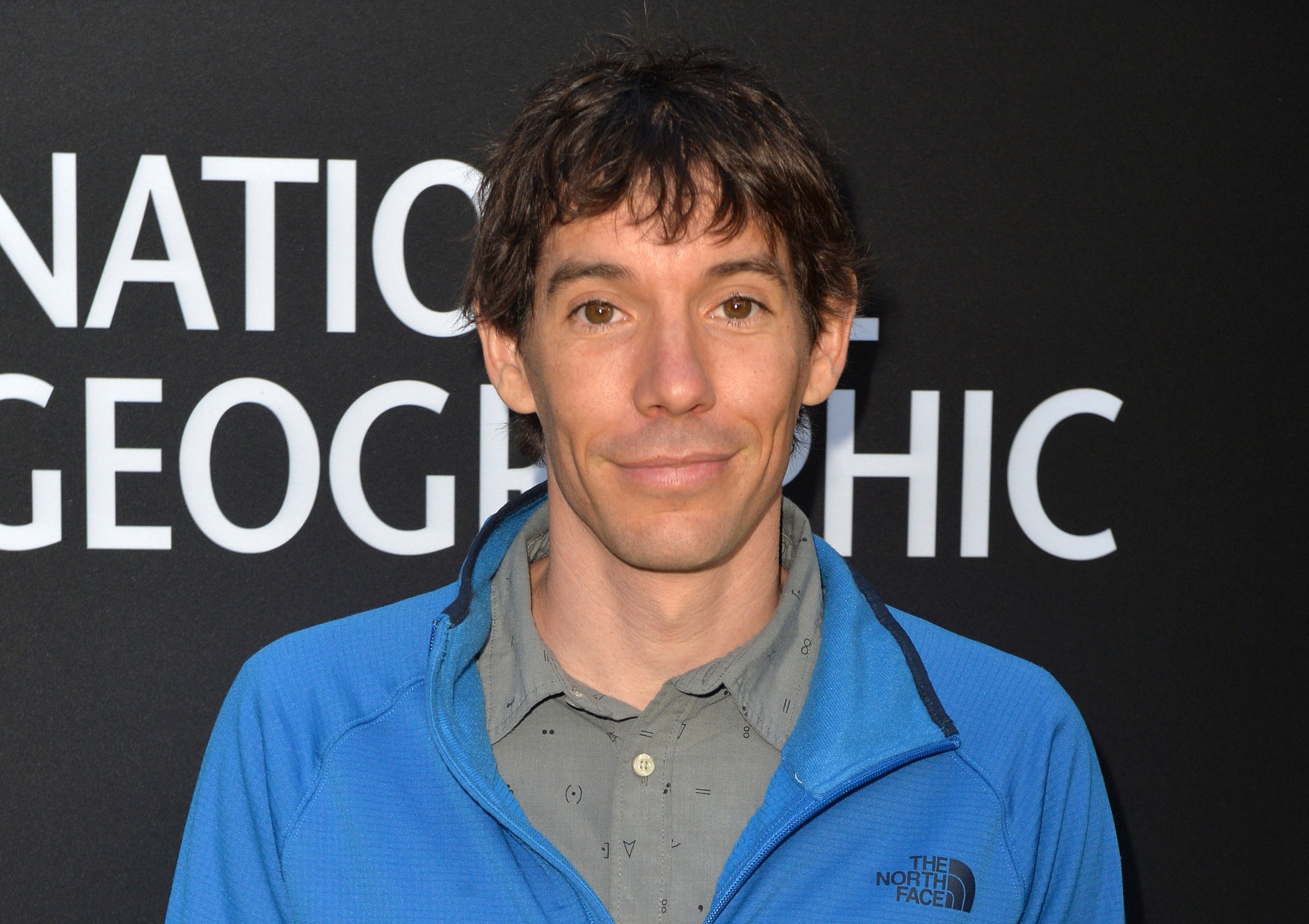
Alex Honnold is not uninsurable; he maintains life insurance through specialized high-risk underwriters. While standard carriers typically reject free soloists due to extreme mortality risks, Honnold secures coverage by paying "flat extra" premiums or utilizing the surplus lines market, where policies are tailored to the specific statistical probabilities of elite mountaineering and professional athletics.
The Persistent Myth of the "Uninsurable" Athlete
For years, a prevailing myth has circulated in both the climbing community and the general public: that Alex Honnold, the world’s most famous free solo climber, cannot possibly obtain life insurance. The logic seems sound on the surface. Insurance is built on the mitigation of risk and the prediction of lifespan. When a man climbs a 3,000-foot vertical granite face like El Capitan without a rope, the "risk" appears to be 100% in the event of a single mistake.
However, as of 2026, the reality of the global insurance market is far more nuanced. In the world of high-stakes finance, almost anything can be insured if the price is right and the data is sufficient. The myth that Honnold is "blacklisted" by the insurance industry stems from a misunderstanding of how the traditional consumer market works versus how the high-net-worth and specialized surplus lines markets operate. While you cannot find a policy for a free soloist at a local "big box" insurance agency, the global reinsurance market thrives on quantifying exactly these types of outliers.
How Underwriters Quantify "Free Soloing" Risk
To understand how Honnold secures coverage, one must understand the mindset of an underwriter. To a standard underwriter, free soloing is an "unacceptable risk" because they lack the data to price it. To a specialized high-risk underwriter, Honnold is a professional with a decades-long track record of success, meticulous preparation, and a biological predisposition for remaining calm under pressure.
The Role of Actuarial Data in Extreme Sports
Insurance companies use actuarial tables to determine the likelihood of a claimant dying within the term of a policy. For the average person, these tables look at smoking habits, BMI, and driving records. For Honnold, underwriters look at:
- Technical Proficiency: His grade of climbing relative to the routes he solos.
- Frequency of Exposure: How many days a year he is actually at risk.
- Safety Record: His history of injuries or "near misses."
- Preparation Protocols: The fact that Honnold often spends years rehearsing moves on a rope before attempting a solo.
By 2026, the use of wearable technology and biometric data has provided insurers with even more granular detail. While Honnold may not wear a tracker during a record-breaking ascent, his historical physiological data—showing a remarkably low heart rate under stress—acts as a "risk mitigator" in the eyes of specialized firms.
Myth vs. Reality: The "Flat Extra" Premium
A common myth is that if an extreme athlete gets insurance, the policy is "normal" but just more expensive. In reality, high-risk life insurance utilizes a mechanism known as a Flat Extra.
A flat extra is a specific dollar amount added to the premium per $1,000 of insurance coverage. For example, if a standard healthy male pays $1.00 per $1,000 of coverage, a high-risk individual like a professional climber might be assessed a flat extra of $5.00, $10.00, or even $20.00 per $1,000.
Breaking Down the Cost for a Professional Soloist
| Feature | Standard Term Life (2026) | High-Risk Professional Athlete Policy |
|---|---|---|
| Primary Underwriting Focus | Health, Age, Lifestyle | Avocation (Hobby), Career Risk, Experience |
| Monthly Premium (Est. $1M Policy) | $50 - $150 | $1,500 - $5,000+ |
| Exclusions | Suicide (first 2 years), War | Specific peaks, unrated soloing, non-vetted routes |
| Medical Exam | Blood work, BP, Weight | Comprehensive physical + stress tests |
| Market Access | Standard Carriers (State Farm, etc.) | Surplus Lines / Lloyd's of London Syndicates |
| Renewal Terms | Guaranteed for term | Often requires annual re-evaluation of "climbing plan" |
The "Lloyd’s of London" Factor
When people claim Honnold is uninsurable, they are usually thinking of the "admitted" market—companies regulated by state insurance departments that must follow strict, standardized rules. Honnold, however, operates in the Surplus Lines market.
Lloyd’s of London is the most famous example of this. It is not a single insurance company but a market where individual syndicates price unique risks. Lloyd's has a long history of insuring the "uninsurable," from satellite launches to the legs of professional soccer players. For a soloist of Honnold’s caliber, a broker would likely approach a syndicate specializing in "Adventure Sports" or "Key Person" insurance.
Why Alex Honnold Needs Life Insurance
There is a misconception that because Honnold lived in a van for years, he has no need for complex financial instruments. This ignores his evolution into a global brand, a father, and a philanthropist.
- Family Protection: Since his marriage to Sanni McCandless and the birth of their children, the "why" of insurance became traditional. Like any parent, he has a fiduciary responsibility to ensure his dependents are provided for.
- Business Continuity: Honnold is a professional athlete with significant endorsement deals (e.g., The North Face). Often, high-value sponsorship contracts require the athlete to maintain disability or life insurance to protect the brand's investment in the event of a tragedy.
- The Honnold Foundation: As the founder of a non-profit organization, Honnold’s "Key Person" value is immense. Insurance can be used to ensure the foundation remains solvent and continues its solar energy missions even if its most prominent fundraiser is no longer present.
The Exclusion Myth: "It Only Covers Him on the Ground"
Another common myth is that Honnold has life insurance, but it contains a "climbing exclusion," meaning if he dies while climbing, it doesn't pay out. While such exclusions exist in cheaper policies, they would be useless for a professional climber.
Professional-grade policies for athletes are specifically written to include the activity. The trade-off is not the exclusion of the risk, but the massive inflation of the premium. A policy that excludes climbing for Alex Honnold would be like a car insurance policy that excludes driving—it serves no functional purpose for the policyholder.
Instead, the policy may have operational boundaries. For instance, it might cover him for soloing on established routes in North America but require a "rider" (an amendment) for an expedition to an unclimbed peak in the Karakoram range.
Underwriting Honnold’s Brain: The "Fear" Factor
In 2016, Honnold underwent an MRI to see how his brain processed fear. The study, which gained significant media attention, showed that his amygdala (the brain's fear center) required much higher levels of stimulation to trigger a response compared to the average person.
From an insurance perspective, this biological data is a double-edged sword. On one hand, it suggests he is less likely to panic—panic being a leading cause of accidents in high-stress environments. On the other hand, it suggests a "sensation-seeking" profile that might lead to taking progressively larger risks. In 2026, "neuro-underwriting" is a burgeoning field where such data points are used to refine the cost of coverage for high-performance individuals.
Legal and Ethical Considerations in High-Risk Policies
In the United States, insurance is governed by the principle of utmost good faith. This means Honnold must be entirely transparent about his climbing plans for the upcoming year. If he were to tell an insurer he only intended to do roped climbing and then died while free soloing, the insurer would likely deny the claim based on "material misrepresentation."
This is why "myths" about Honnold being uninsurable are so dangerous—they imply that high-risk individuals should hide their activities. In reality, the only way to secure a payout for a family is to be brutally honest with the underwriter, regardless of the cost.
Summary of the Insurance Landscape for Elite Climbers
The path to coverage for an athlete of Honnold's status involves three distinct steps that the average person never encounters:
- The Specialized Broker: Utilizing a broker who handles "High Limit / High Risk" cases.
- The Narrative Summary: Providing a detailed resume of every major ascent, safety protocol, and future objective.
- The Reinsurance Treaty: Where the primary insurer offloads a portion of the risk to global entities like Swiss Re or Munich Re, who have the capital to absorb a multi-million dollar payout for a single high-profile event.
Frequently Asked Questions
Can the average rock climber get life insurance?
Yes. Most standard life insurance companies will cover recreational rock climbing (roped) without a significant premium increase, provided it is not "technical" mountaineering or soloing. However, you must disclose the hobby during the application process to avoid claim denial later.
Does Alex Honnold pay more for life insurance than a smoker?
Almost certainly. While smoking significantly increases the risk of long-term health issues, the immediate mortality risk of free soloing is viewed by insurers as a more "acute" hazard, resulting in higher flat extra charges than those applied to smokers.
What happens if Honnold retires from free soloing?
If Honnold were to officially retire from high-risk soloing and commit to only roped climbing or hiking, he could apply for a "re-rating" of his policy. After a waiting period (usually 1-2 years) to prove the change in lifestyle is permanent, his premiums would likely drop to standard or "preferred" rates.
Is disability insurance harder to get than life insurance for Honnold?
Yes. Disability insurance (which pays out if you are injured but alive) is often harder to secure for extreme athletes than life insurance. This is because the statistical likelihood of a non-fatal, career-ending injury (like a shattered ankle) is much higher than the likelihood of a fatal fall for a climber of his skill level.
Do insurers use "Free Solo" the movie as evidence?
Insurers use all available public data. A documentary like Free Solo serves as a "video resume" for underwriters. It proves his meticulous nature and the fact that he does not take "uncalculated" risks, which can actually help a specialized broker argue for a lower premium.
Expert Recommendation for High-Risk Individuals
If you participate in high-risk activities—whether it’s climbing, skydiving, or motor racing—do not assume you are uninsurable. The key is to avoid standard "online quote" engines, which are designed for the 95% of the population with average risk profiles. Instead, engage a specialized life insurance broker who understands "avocation underwriting."
Be prepared to provide a detailed "Climbing Questionnaire" or "Aviation Questionnaire." By documenting your training, certifications, and safety equipment, you transition in the eyes of the insurer from a "risk-taker" to a "risk-manager." For someone like Alex Honnold, insurance isn't a matter of if, but a matter of how much—and in 2026, the financial infrastructure is more than capable of supporting even the world's most daring athletes.