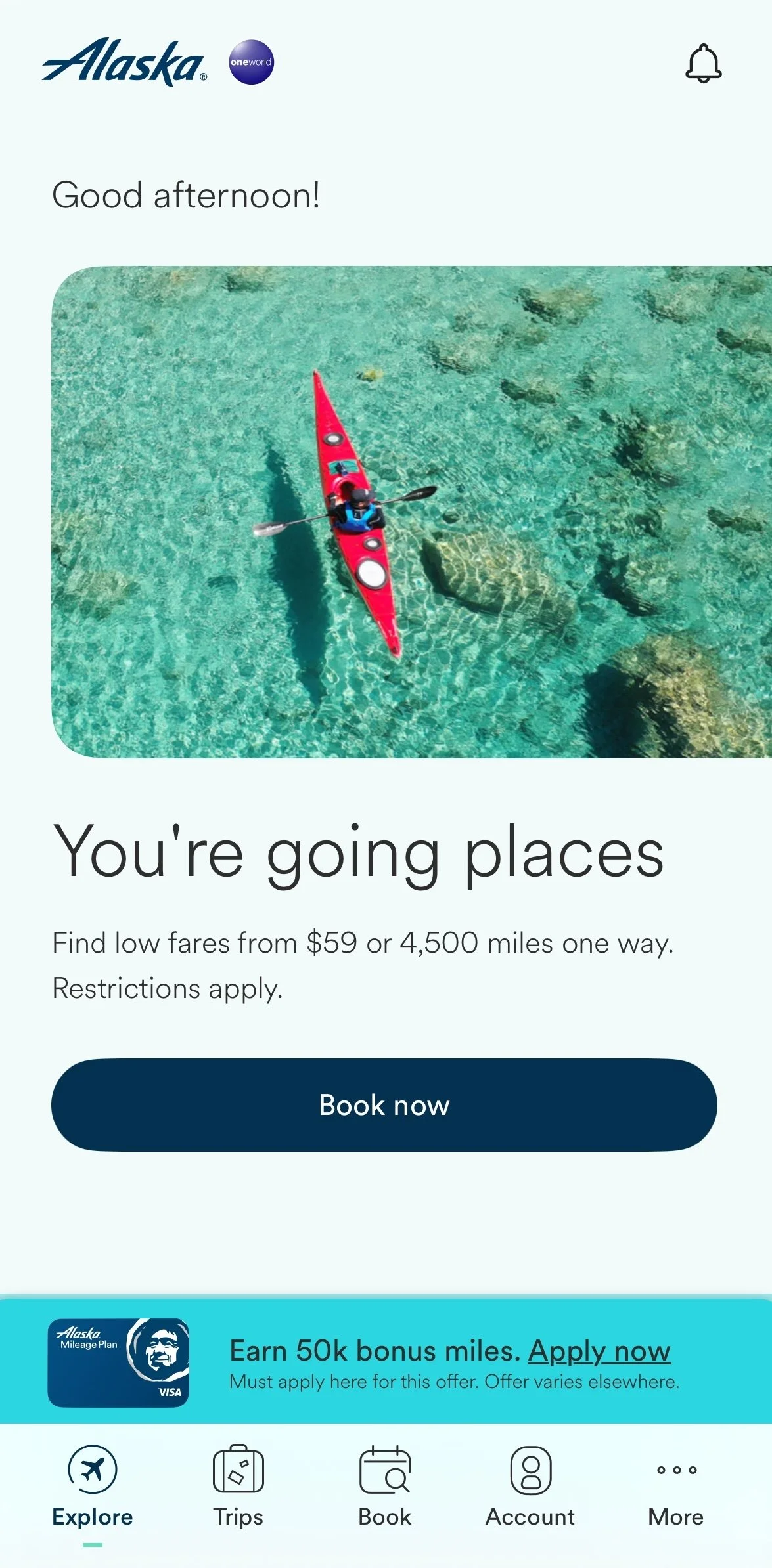
The Alaska Airlines mobile app update refines the passenger experience by introducing streamlined flight tracking, faster digital boarding passes, and improved biometric check-in integration. These changes aim to reduce airport friction, enhance self-service capabilities during irregular operations, and provide real-time updates for Mileage Plan members managing complex itineraries.
Modernizing a major airline's digital infrastructure is a continuous operational requirement. As air travel volume fluctuates and passenger expectations shift toward mobile-first solutions, carriers must constantly evaluate their software ecosystems. The Alaska Airlines application update represents an evolution in how passengers interact with their travel data, gate assignments, and loyalty accounts directly from their smartphones. This guide analyzes the core architectural enhancements, user interface changes, functional requirements, and practical troubleshooting steps associated with the updated platform.
Overview of the Alaska Airlines Mobile Platform
The Alaska Airlines mobile application serves as the central digital hub for millions of passengers. It bridges the gap between booking a flight, navigating the airport, and managing Mileage Plan rewards. Over successive iterations, the application has transitioned from a basic digital boarding pass holder into an end-to-end travel management assistant.
When examining the application framework, several core modules form the backbone of the user experience:
- Reservation Management: Handles active bookings, seat selection, upgrades, and flight changes.
- Digital Boarding Passes: Integrates with Apple Wallet and Google Wallet for offline and online gate scanning.
- Flight Status and Tracking: Provides real-time telemetry on aircraft routing, inbound flight status, and gate changes.
- Mileage Plan Integration: Displays tier status, elite perks, available miles, and redemption options.
Understanding how these modules communicate ensures that travelers can leverage the application effectively, especially during peak travel periods when airport service desks face high congestion.
Key Features and Interface Enhancements
The recent update introduces several structural improvements designed to minimize user taps and surface critical information precisely when it is needed.
Dynamic Home Screen Adaptation
The most noticeable shift in the user interface is the dynamic home screen. Instead of presenting a static menu, the dashboard adapts based on the proximity of the user's upcoming flight.
- 24 Hours Before Departure: The application shifts focus to online check-in, baggage pre-payment, and upgrade waitlists.
- Boarding Window: The screen transforms into a prominent digital boarding pass, complete with boarding group indicators and zone timers, reducing the need to dig through menus at the gate.
- Post-Flight Phase: Once a flight lands, the interface transitions to baggage claim routing notifications and trip summary details.
Upgraded Flight Tracking and Inbound Aircraft Data
Travelers often experience anxiety regarding delayed connections. The updated application integrates more granular inbound aircraft tracking. Users can view the exact tail number, previous route history, and estimated arrival time of the aircraft operating their specific flight. This transparency allows passengers to anticipate schedule disruptions long before gate agents make official announcements.
Device Compatibility, Prerequisites, and Installation
To access the latest features and security protocols, users must ensure their mobile devices meet specific software thresholds. Running outdated operating systems can lead to interface lag, sync errors with digital wallets, or complete application instability.
Minimum System Requirements
- iOS Devices: Requires iOS 16.0 or later for full optimization with Apple Wallet and live activities widgets.
- Android Devices: Requires Android 10.0 or later to support modern background sync and security encryption standards.
- Connectivity: A stable internet connection (Wi-Fi or cellular data) is required for initial check-in and real-time push notifications. Offline access is restricted to previously downloaded digital boarding passes.
Installation and Update Procedures
For most users, updates occur automatically via the Apple App Store or Google Play Store. However, manual verification may be necessary if automatic updates are disabled.
- Open the App Store (iOS) or Google Play Store (Android).
- Tap the profile icon or search for "Alaska Airlines."
- Locate the application listing; if an update is available, an Update button will appear.
- Tap Update and allow the download to complete.
- Launch the application and log in using your Mileage Plan credentials to re-sync active reservations.
| Feature / Metric | Legacy Application Version | Updated Application Platform |
|---|---|---|
| Check-In Speed | Standard multi-step web wrapper | Accelerated native flow with biometric shortcuts |
| Boarding Pass Access | Manual menu navigation | Dynamic home screen widget & lock screen integration |
| Inbound Aircraft Data | Basic estimated time of arrival | Tail number tracking and historical route mapping |
| Mileage Plan Sync | Periodic manual refresh | Real-time background point and status updates |
| Offline Functionality | Basic cached boarding pass only | Cached boarding pass plus seat map and itinerary data |
Managing Mileage Plan Accounts and Digital Credentials
For frequent flyers, the integration between the application and the Mileage Plan ecosystem is critical. The updated platform simplifies how elite status benefits are displayed and utilized.
Elite Status Tracking and Upgrade Lists
Mileage Plan members (MVP, MVP Gold, MVP Gold 75K, and MVP Gold 100K) will notice a clearer visualization of upgrade priority lists. The application now displays real-time positioning on first-class and premium-class upgrade waitlists. Passengers can view how many seats remain available, their exact numerical rank on the list, and clear indicators of when upgrade clearing windows open.
Digital Payment and Companion Pass Management
Storing preferred credit cards securely within the application expedites inflight purchases and baggage fee settlements. Furthermore, the interface for managing Alaska Airlines Visa Signature companion fare codes has been restructured. Users can view expiration dates, eligible routing restrictions, and apply codes directly to search queries without navigating to the desktop website.
Troubleshooting Common Application Issues
Even with robust software updates, mobile applications can encounter performance bottlenecks. Below are solutions to the most frequently reported issues following major version deployments.
Sync Failures and Missing Reservations
If an active flight reservation fails to appear on the home screen:
- Verify that you are logged into the exact Mileage Plan account used to purchase the ticket.
- Use the Find Reservation tool by entering the six-character confirmation code (PNR) and passenger last name manually.
- Clear the application cache (on Android) or restart the application entirely to force a server re-sync.
Boarding Pass Not Updating or Failing to Load
- Ensure your device's date and time settings are set to automatic. Manual time discrepancies can invalidate cryptographic security tokens on digital boarding passes.
- Check your cellular data permissions; ensure the Alaska Airlines application is permitted to use cellular data in the background.
- If digital wallet integration fails, take a screenshot of the barcode as a temporary backup, or visit an airport kiosk to print a physical paper boarding pass.
Frequently Asked Questions
Do I need to create a new account after the update?
No. Your existing Mileage Plan login credentials, password, and saved profile information remain unchanged. The update alters the software interface and backend performance, not user database credentials.
Can I use my digital boarding pass offline?
Yes. Once downloaded and viewed while connected to the internet, your boarding pass is cached locally. However, real-time gate changes, seat reassignments, and flight status alerts require an active data connection to update.
Why is my flight upgrade status not showing in the app?
Upgrade waitlists typically populate within specific time windows prior to departure (e.g., 24 hours for MVP members, up to 120 hours for MVP Gold 100K members). If you are within the window and cannot see your status, verify that your Mileage Plan number is correctly attached to the reservation.
What should I do if the app crashes repeatedly after updating?
First, ensure your device's operating system is fully updated. If crashes persist, uninstall the application entirely, restart your mobile device, and download a fresh copy from your respective app store.
How do I report a software bug or interface glitch?
You can submit feedback directly through the application by navigating to the profile or settings menu and selecting the "Contact Us" or "App Feedback" option, detailing the specific device model and operating system version you are using.
Next Actions and Recommendations
To ensure a seamless travel experience, open your device's app store today and confirm that your Alaska Airlines application is running the latest available build. Review your active itineraries, verify that your digital boarding passes are successfully synced to your wallet application, and ensure your notification settings are enabled for real-time gate change alerts. By preparing your digital tools in advance, you minimize potential airport delays and maintain complete control over your travel schedule.