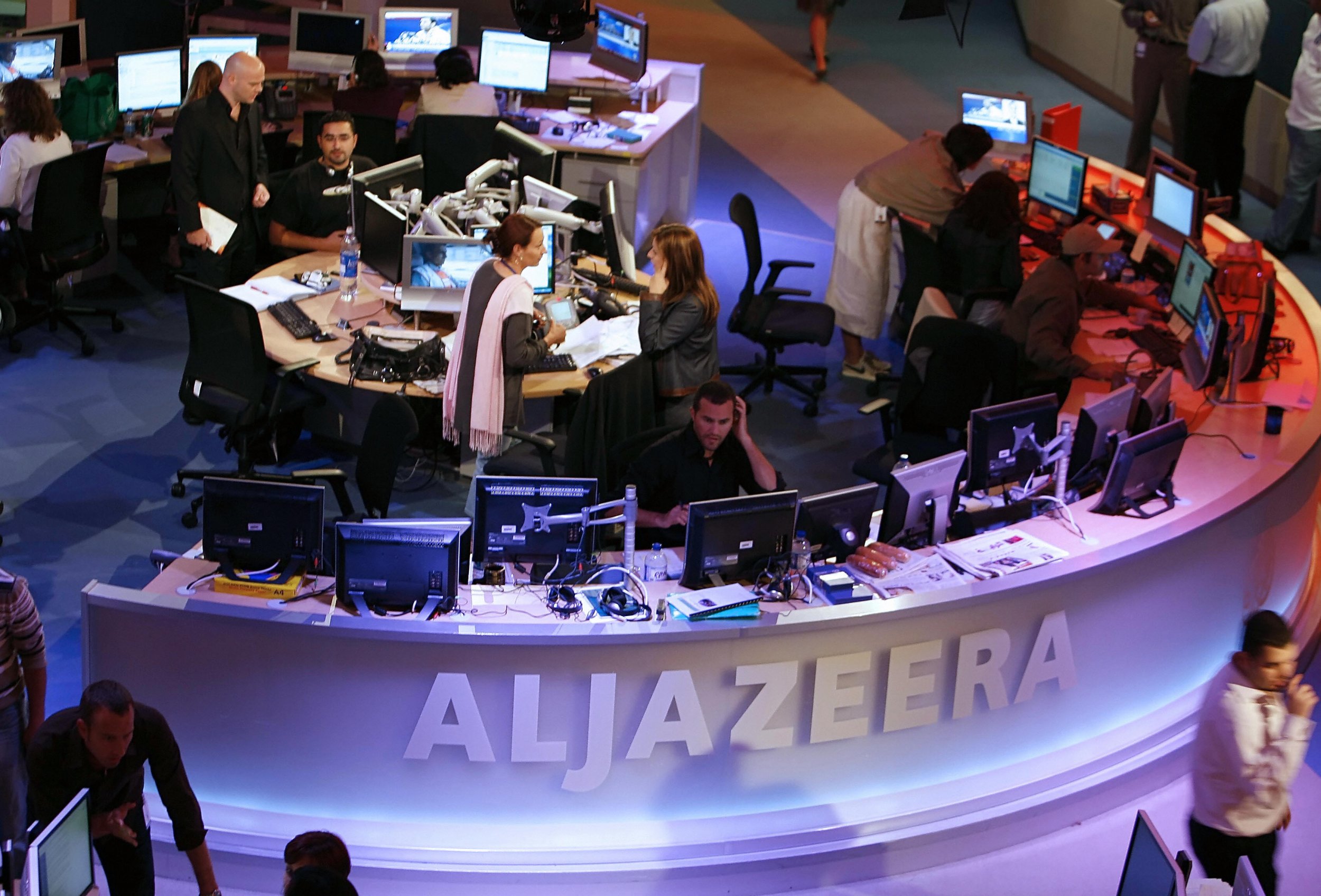
Al Jazeera is an international Arabic-language news organization funded in part by the government of Qatar, operating a vast network of television channels, digital platforms, and documentary units that broadcast globally in multiple languages, most notably Arabic and English.
The media landscape of the 21st century relies heavily on international broadcasting networks that challenge traditional Western-centric narratives. Among these global players, Al Jazeera stands out as one of the most influential, controversial, and widely watched media organizations in the world. Founded in the late 1990s, it reshaped the flow of information across the Middle East and established a permanent presence on the international stage. Understanding what Al Jazeera is requires examining its origins, ownership structure, operational scale, journalistic approach, and the complex geopolitical debates that surround its coverage.
Origins and Historical Context
To understand what Al Jazeera is today, it is necessary to examine how the network began. Launched in November 1996, Al Jazeera—which translates from Arabic to "The Peninsula" or "The Island"—was established following the closure of the BBC’s Arabic-language television channel in cooperation with Orbit, which shut down due to censorship disputes with the Saudi government.
The Emir of Qatar, Sheikh Hamad bin Khalifa Al Thani, provided a $137 million grant to launch the new satellite channel. The original vision was to create an independent, professional Arabic-language news station that would cover regional and international affairs without the heavy-handed state censorship that characterized most media outlets in the Middle East at the time.
In its early years, Al Jazeera broke numerous taboos in Arab broadcasting. It hosted uncensored live debates on sensitive topics such as human rights, government corruption, religious dogma, and regional politics. These programs featured guests and viewpoints rarely permitted on state-run television networks in Arab nations, instantly capturing a massive and enthusiastic audience across the Middle East and North Africa.
Ownership, Funding, and Editorial Independence
The question of ownership and funding is central to any analysis of Al Jazeera. The network operates under the umbrella of the Al Jazeera Media Network, a public benefit corporation funded by the State of Qatar. While the Qatari government provides financial subsidies, the network maintains that it operates with editorial independence.
The Funding Model
- State Subsidies: Historically, the Qatari government has provided foundational funding, grants, and subsidies to cover operational shortfalls.
- Commercial Revenue: The network generates revenue through advertising, subscription fees for pay-TV channels, syndication, and content licensing.
- Digital Monetization: Modern operations include programmatic advertising, sponsored content, and platform-sharing agreements with major technology companies.
The Editorial Independence Debate
Critics and media analysts frequently debate the degree of editorial independence maintained by Al Jazeera. Because the network receives funding from Doha, questions often arise regarding its coverage of Qatari foreign policy and domestic affairs. Observers note that while Al Jazeera frequently offers aggressive, critical reporting on other Middle Eastern governments, Western nations, and international conflicts, its coverage of Qatar's internal governance and specific foreign alliances tends to be more restrained.
Conversely, network defenders point to its investigative journalism, extensive documentation of corruption, and willingness to platform dissidents and opposition figures from various nations as evidence of professional journalistic standards.
Global Expansion and Language Services
Al Jazeera expanded rapidly from a single Arabic-language satellite channel into a multi-platform global media conglomerate. This growth involved launching specialized channels and digital properties tailored to different geographic regions and linguistic groups.
Major Channels and Platforms
- Al Jazeera Arabic: The flagship channel, launched in 1996, broadcasting general news, talk shows, and documentaries to Arabic-speaking audiences worldwide.
- Al Jazeera English (AJE): Launched in 2006, this 24-hour news channel broadcasts in English, focusing heavily on stories from the Global South, Africa, Asia, and the Middle East that are often overlooked by Western networks.
- Al Jazeera Mubasher: A live-feed channel broadcasting political events, press conferences, and parliamentary sessions without editorial interruption or commentary.
- Al Jazeera Documentary Channel: A dedicated channel focused on producing and broadcasting historical, cultural, and sociopolitical documentary films.
- AJ+: A digital-only, mobile-first video platform launched in 2014, targeting younger demographics through social media channels with short-form explainers and documentary shorts.
Journalistic Impact and Major Milestones
Al Jazeera’s reporting has repeatedly placed it at the center of major historical events, earning both international acclaim and severe backlash from various governments.
Key Moments in Al Jazeera’s History
- Post-9/11 Coverage: Following the September 11 attacks, Al Jazeera gained global notoriety as the primary outlet broadcasting video statements and messages from Osama bin Laden and other Al-Qaeda leaders, positioning itself as a vital source for Western intelligence agencies and news organizations.
- The Iraq War (2003): Al Jazeera was one of the few networks with correspondents stationed inside Baghdad during the American invasion. Its coverage, which included graphic footage of civilian casualties and war damage, drew intense criticism from United States officials, who accused the network of anti-American bias.
- The Arab Spring (2011): The network played a monumental role in amplifying popular uprisings across Tunisia, Egypt, Libya, Syria, and Yemen. By providing continuous, ground-level coverage and utilizing social media coordination, Al Jazeera helped mobilize protesters and shape the narrative of the revolutions.
- The Palestine Papers (2011): Al Jazeera's Investigative Unit published thousands of leaked confidential documents detailing the inner workings of the Israeli-Palestinian peace process, representing one of the largest leaks in Middle Eastern diplomatic history.
Comparison with Other Major International Broadcasters
To understand Al Jazeera's unique position in global media, it is helpful to compare its funding, primary audience, and editorial focus with other major international public broadcasters.
| Network | Country of Origin | Primary Funding Source | Main Target Audience | Primary Editorial Focus |
|---|---|---|---|---|
| Al Jazeera | Qatar | State subsidies & commercial revenue | Global (Arabic & English speakers) | Middle East, Global South, international affairs |
| BBC News | United Kingdom | UK Licence Fee & commercial operations | Global (English speakers) | British perspective on world news, culture |
| CNN International | United States | Corporate ownership & advertising | Global (English speakers) | American commercial journalism, breaking news |
| RT (Russia Today) | Russia | Russian federal budget | Global (Multiple languages) | Russian foreign policy, alternative Western narratives |
| DW (Deutsche Welle) | Germany | German federal tax revenue | Global (Multiple languages) | European affairs, German perspective, human rights |
Controversies and Government Restrictions
Throughout its history, Al Jazeera has faced extensive censorship, office closures, and bans imposed by various governments that objected to its reporting.
Operational Challenges and Bans
- Middle Eastern Governments: Authoritarian regimes in the Middle East have frequently accused Al Jazeera of inciting sectarian violence, supporting opposition groups, and serving as a geopolitical tool for Qatari foreign policy. Governments such as Egypt, Saudi Arabia, the United Arab Emirates, and Bahrain have banned the network, blocked its websites, and arrested several of its journalists.
- Western Governments: In the wake of the Iraq War, U.S. military forces bombed Al Jazeera's offices in Kabul (2001) and Baghdad (2003), resulting in fatalities. U.S. and coalition officials frequently criticized the network's editorial stance.
- Recent Developments: In 2024, the Israeli government voted to ban Al Jazeera's operations within Israel, citing national security concerns under wartime emergency legislation, leading to the closure of its local bureau and the blocking of its broadcasts.
Frequently Asked Questions
Is Al Jazeera a government-owned channel?
Al Jazeera is funded in part by the State of Qatar through public benefit grants, but it operates as an independent media network with its own administrative and editorial structure. While critics argue that state funding influences its coverage of Qatari politics, the network maintains editorial independence in its global news reporting.
What languages does Al Jazeera broadcast in?
Al Jazeera broadcasts primarily in Arabic and English. It also operates specialized digital channels and platforms that produce content in other languages, including Spanish and Serbo-Croatian, depending on the specific regional project.
Why was Al Jazeera banned in certain countries?
Governments have banned Al Jazeera due to disagreements over its editorial coverage, reporting on sensitive political issues, and perceived bias. Authoritarian states often ban the network for supporting democratic or opposition movements, while nations like Israel have cited national security and wartime reporting regulations as reasons for restrictions.
What is AJ+?
AJ+ is a digital-first, mobile news and storytelling project created by the Al Jazeera Media Network. It focuses on social media platforms, producing short-form video explainers, documentary shorts, and human-interest stories aimed at younger digital audiences.
How does Al Jazeera fund its operations if it is not fully commercial?
While Al Jazeera receives financial support from the Qatari government, it also generates revenue through commercial advertising, subscription fees for pay-television sports and news packages, content licensing, and digital monetization partnerships.
Conclusion and Next Actions
Al Jazeera remains a central institution in global media, bridging regional perspectives with international news coverage. For readers, researchers, and media analysts examining the network, the most effective approach is to consume its reporting critically—recognizing its exceptional capacity for ground-level reporting in the Global South while remaining mindful of its funding structure and geopolitical context. Cross-referencing Al Jazeera's coverage with other international broadcasters provides a balanced and comprehensive view of global events.