Akamai Edge Compute is a comprehensive suite of serverless and infrastructure solutions that allows developers to execute code and manage data in close proximity to end-users. By leveraging the Akamai Connected Cloud, organizations can reduce latency, enhance security, and scale applications globally across more than 4,100 points of presence, bypassing the limitations of centralized data centers.
The landscape of cloud computing has shifted dramatically. In 2026, the reliance on centralized "hyperscale" regions is no longer sufficient for high-performance applications requiring sub-millisecond response times. Akamai, historically known as a Content Delivery Network (CDN) giant, has transformed into a distributed cloud powerhouse. This overview explores the technical architecture, core products, and strategic advantages of Akamai’s edge computing ecosystem, specifically focusing on how it bridges the gap between traditional cloud infrastructure and the end-user.
The Architecture of Akamai Connected Cloud
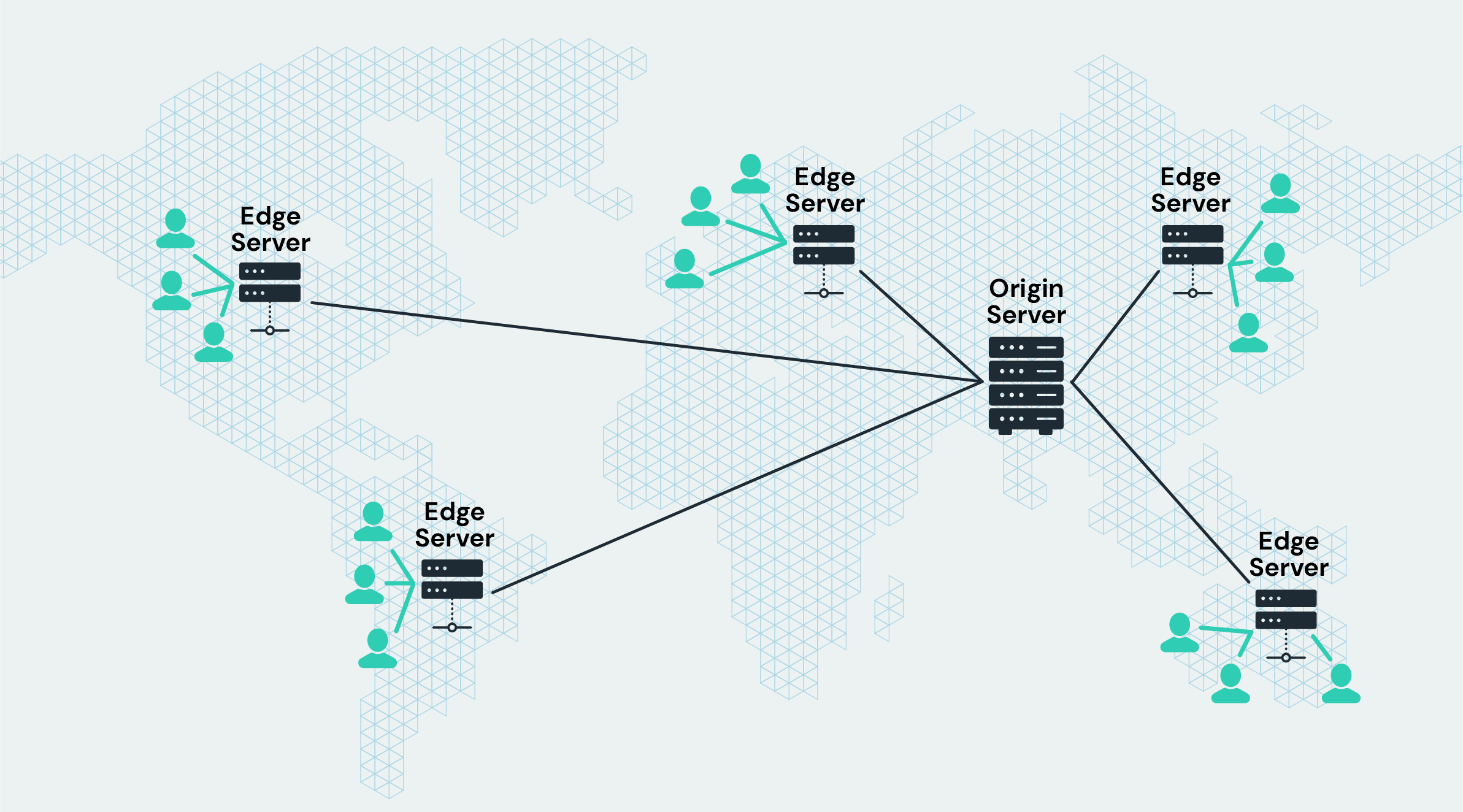
To understand Akamai Edge Compute, one must first understand the infrastructure that supports it. Unlike traditional cloud providers that concentrate their resources in a few dozen massive data centers, Akamai Connected Cloud distributes compute, storage, and networking across a massive footprint.
From CDN to Distributed Cloud
The transition began with the realization that the same infrastructure used to cache images and videos could be used to execute logic. By 2026, Akamai has fully integrated the high-performance core compute capabilities (stemming from its acquisition of Linode) with its massive edge network. This creates a "continuum of compute":
- The Core: Large-scale data centers for heavy lifting, databases, and centralized processing.
- The Edge: Thousands of locations worldwide where lightweight logic can be executed within milliseconds of the user.
The Role of the V8 Engine
At the heart of Akamai’s serverless offering, EdgeWorkers, lies the Google V8 JavaScript engine. By using a sandboxed V8 environment, Akamai ensures that code execution is both secure and incredibly fast. Because the environment is purpose-built for the edge, it avoids the heavy overhead of traditional virtual machines or even standard containerization, allowing for "warm" starts that are nearly instantaneous.
Core Components of Akamai Edge Compute
Akamai's edge computing strategy is not a monolithic product but a modular ecosystem designed to handle different architectural needs.
Akamai EdgeWorkers
EdgeWorkers is the flagship serverless programmable platform. It allows developers to intercept and manipulate traffic as it passes through the Akamai Intelligent Edge.
- Event-Driven Logic: Code is triggered by specific HTTP events, such as
onClientRequest,onOriginRequest,onOriginResponse, andonClientResponse. - Global Scalability: Once a script is deployed, it is automatically replicated across the entire global network.
- JavaScript Support: Developers use standard JavaScript (ES6+), making the learning curve relatively flat for modern web development teams.
Akamai EdgeKV
A common limitation of edge computing is the stateless nature of serverless functions. EdgeKV (Edge Key-Value) solves this by providing a distributed database that resides at the edge alongside the compute logic.
- Low Latency Access: Data is stored in close proximity to the EdgeWorkers, ensuring that "reads" do not require a trip back to a central origin.
- Eventual Consistency: Optimized for high-speed reads, EdgeKV uses an eventual consistency model that ensures data is updated globally within seconds.
- Use Cases: Storing user preferences, A/B testing configurations, and complex redirect maps.
Akamai Connected Cloud (IaaS Integration)
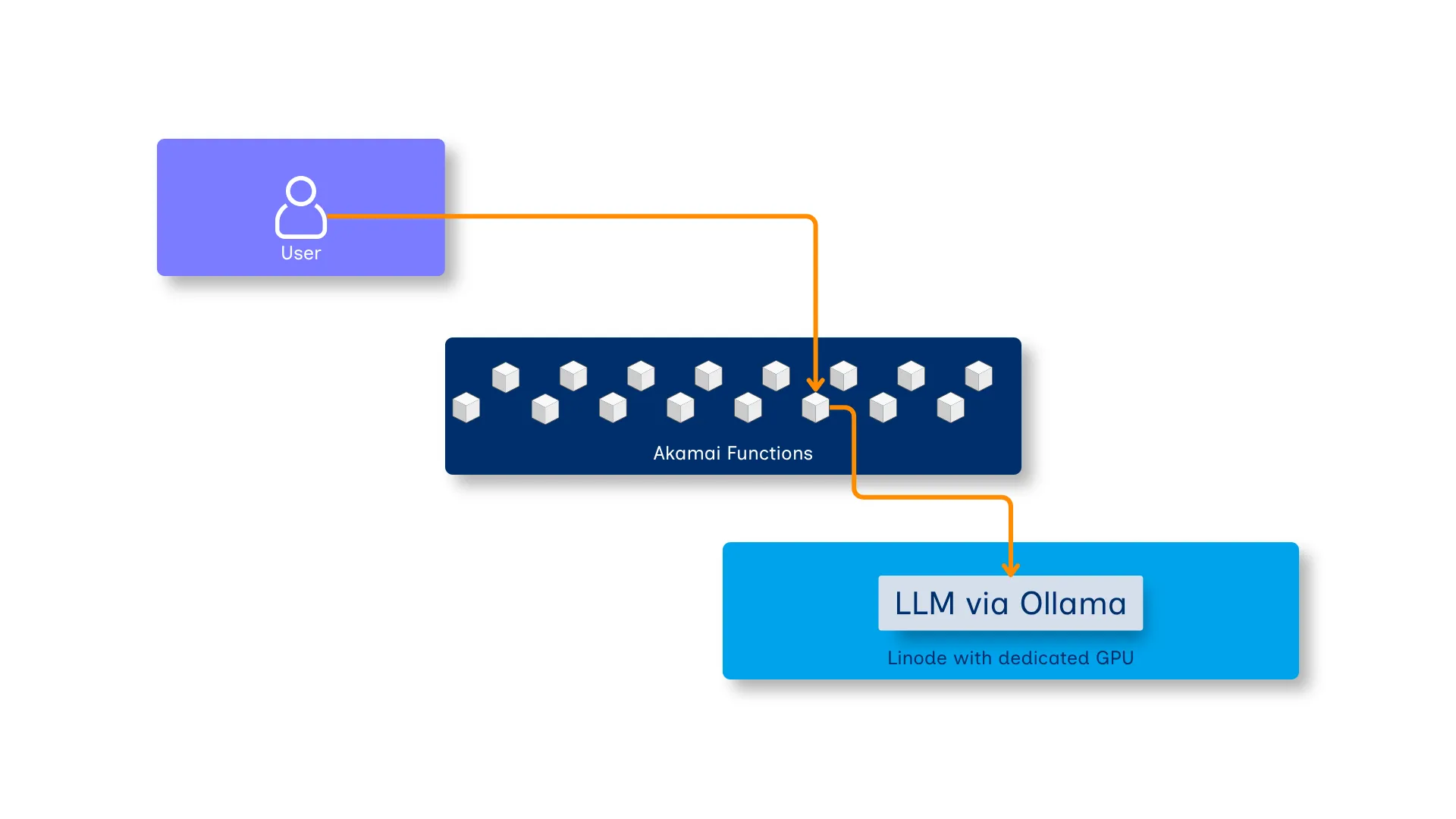
For workloads that require more than just serverless snippets—such as full-stack applications, containers, or legacy workloads—Akamai provides generalized compute. This is the "macro-edge," offering virtual machines (VMs), Managed Kubernetes (LKE), and object storage. This allows developers to place the backend of an application in an Akamai core region while pushing the performance-sensitive frontend logic to EdgeWorkers.
Strategic Use Cases for Edge Computing
Deploying logic at the edge is not about replacing the central cloud; it is about optimizing the user journey. Here are the primary ways organizations utilize Akamai Edge Compute in 2026.
1. Dynamic Content Personalization
Instead of generating personalized HTML at a distant origin server, EdgeWorkers can intercept a request, check a user’s cookie or geographic location, and assemble a personalized page directly at the edge. This reduces the "Time to First Byte" (TTFB) significantly, as the request never has to travel across an ocean to a central database.
2. Advanced Security and Bot Management
While Akamai offers robust Web Application Firewall (WAF) services, EdgeWorkers allows for custom security logic. Organizations can implement proprietary token validation, complex rate limiting, or custom fingerprinting scripts that stop malicious actors before they ever reach the corporate infrastructure.
3. API Orchestration and Transformation
Modern applications often rely on multiple microservices. An EdgeWorker can act as an API gateway, aggregating responses from several different origins into a single JSON object for the client. It can also handle protocol translation, such as converting legacy XML responses into modern JSON at the edge.
4. SEO and Image Optimization
Edge computing allows for sophisticated SEO manipulations, such as injecting meta tags or performing URL rewrites based on user-agent strings. Furthermore, it can assist in device-aware image selection, ensuring that a mobile user receives a different image payload than a desktop user without requiring complex logic at the origin.
Comparison of Edge Compute Tiers
Choosing the right compute model depends on the complexity of the task and the required execution time.
| Feature | EdgeWorkers (Serverless) | Akamai General Compute (IaaS/K8s) | Traditional CDN (Cloudlets) |
|---|---|---|---|
| Execution Environment | V8 JavaScript Engine | Linux VMs / Containers | Pre-built Policy Modules |
| Max Execution Time | Milliseconds | Indefinite | Fixed / Non-programmable |
| State Management | Via EdgeKV | Full Databases (SQL/NoSQL) | Not Applicable |
| Deployment Speed | Minutes | Minutes to Hours | Seconds (Configuration) |
| Primary Use Case | Request manipulation, Auth, UI | Full apps, heavy processing | Redirects, simple caching |
| Cost Model | Per execution / CPU time | Hourly / Monthly Resource use | Per feature / Monthly |
Implementation Workflow and Developer Experience
In 2026, the developer experience (DevX) is a critical differentiator for Akamai. The workflow is designed to integrate with standard CI/CD pipelines.
Development and Testing
Akamai provides a robust Command Line Interface (CLI) and a local sandbox environment. This allows developers to test their JavaScript logic on their local machines before pushing to the staging network. The sandbox simulates the EdgeWorker environment, including the HTTP request/response flow.
Deployment Cycle
- Code: Write JavaScript logic using the Akamai EdgeWorker modules.
- Bundle: Package the code with a
bundle.jsonmetadata file. - Upload: Use the Akamai CLI or API to upload the bundle.
- Activate: Deploy the bundle first to the Akamai Staging Network for integration testing, then move it to the Production Network.
Observability and Logging
One of the historical challenges of edge computing was "visibility into the black box." Akamai has addressed this with Edge Diagnostics and EdgeWorkers Reports. In 2026, these tools provide real-time telemetry, allowing developers to see execution times, memory usage, and error rates across different geographic regions. Integration with third-party tools like Datadog and New Relic via log streaming is also standard.
Technical Limitations and Considerations
While powerful, Akamai Edge Compute is not a "silver bullet" for every problem. Architects must be aware of specific constraints.
- Memory Constraints: EdgeWorkers are designed to be lightweight. They have strict memory limits (often measured in megabytes). Attempting to perform heavy image processing or large-scale data crunching within an EdgeWorker will lead to execution failures.
- Runtime Environment: Because it uses the V8 engine and not a full Node.js environment, some standard Node.js libraries (especially those requiring filesystem access or specific C++ bindings) are not compatible.
- Network Latency to Origin: If an EdgeWorker frequently needs to "call home" to a slow central origin to complete its task, the benefits of edge execution are negated. EdgeKV should be used to minimize these external dependencies.
Pricing and Cost Optimization
Pricing for Akamai Edge Compute in 2026 is generally based on two primary vectors: Executions and Duration.
- Executions: You are charged for every time an EdgeWorker is triggered. This is ideal for high-volume, low-complexity tasks.
- Compute Units (Duration): For more complex logic, the amount of CPU time consumed is factored in. Organizations can optimize costs by ensuring their code is efficient and terminates as quickly as possible.
- EdgeKV Usage: Storage is billed based on the volume of data stored and the number of read/write operations.
To manage costs, Akamai provides tiered pricing and "free tiers" for developers to experiment. Large enterprises often enter into committed-use contracts that provide a predictable monthly spend.
Security and Compliance at the Edge
Akamai’s infrastructure is built on a foundation of security. Edge Compute benefits from this by inheriting the compliance certifications of the underlying platform, including PCI-DSS, HIPAA, and SOC2.
Because EdgeWorkers run in an isolated sandbox, they cannot interfere with the underlying operating system or other customers' code. This "zero-trust" approach to compute ensures that even if a developer writes insecure code, the blast radius is limited to that specific execution context. Furthermore, Akamai’s global DDoS protection automatically shields edge logic from being overwhelmed by malicious traffic.
Frequently Asked Questions
What is the difference between Akamai EdgeWorkers and AWS Lambda?
While both are serverless, AWS Lambda typically runs in centralized data centers (or at "Lambda@Edge" in a limited number of CloudFront locations). Akamai EdgeWorkers runs across thousands of locations globally, offering much higher "granularity" and lower latency to the user. Additionally, EdgeWorkers is specifically optimized for HTTP traffic manipulation within the CDN flow.
Can I run Python or Go on Akamai EdgeWorkers?
As of 2026, EdgeWorkers is primarily a JavaScript (V8) environment. However, for languages like Go or Rust, developers can often compile to WebAssembly (Wasm), which is supported in the V8 environment, allowing for high-performance logic written in non-JS languages. Full-scale Python or Go applications are better suited for Akamai’s General Compute (Linode-based) infrastructure.
Is EdgeKV required to use EdgeWorkers?
No, EdgeKV is an optional add-on. If your EdgeWorker logic is entirely stateless (e.g., rewriting a URL or checking a header), you do not need EdgeKV. However, if you need to store data between requests or share data across different global regions, EdgeKV is the recommended solution.
How do I handle "Cold Starts" on Akamai?
Akamai’s architecture significantly minimizes cold starts compared to traditional serverless platforms. Because the V8 isolates are extremely lightweight and are kept "warm" across the distributed network, the latency penalty for a new execution is negligible for the vast majority of web use cases.
Does Akamai Edge Compute replace my origin server?
In some cases, yes. It is possible to build "origin-less" applications where all logic and data reside in EdgeWorkers and EdgeKV. However, most organizations use a hybrid approach, using the edge for performance and the central cloud for heavy data processing and long-term storage.
Practical Recommendation for Adoption
For organizations looking to adopt Akamai Edge Compute, the best path forward is an incremental one. Start by identifying a high-latency bottleneck in the user journey—such as a complex redirect system or a localized landing page—and migrate that specific logic to an EdgeWorker.
As the team becomes comfortable with the V8 environment and the Akamai CLI, you can expand into more complex use cases like edge-based authentication or API orchestration. By 2026, the competitive advantage of an application is often defined by its proximity to the user; Akamai provides the tools to bridge that gap effectively.