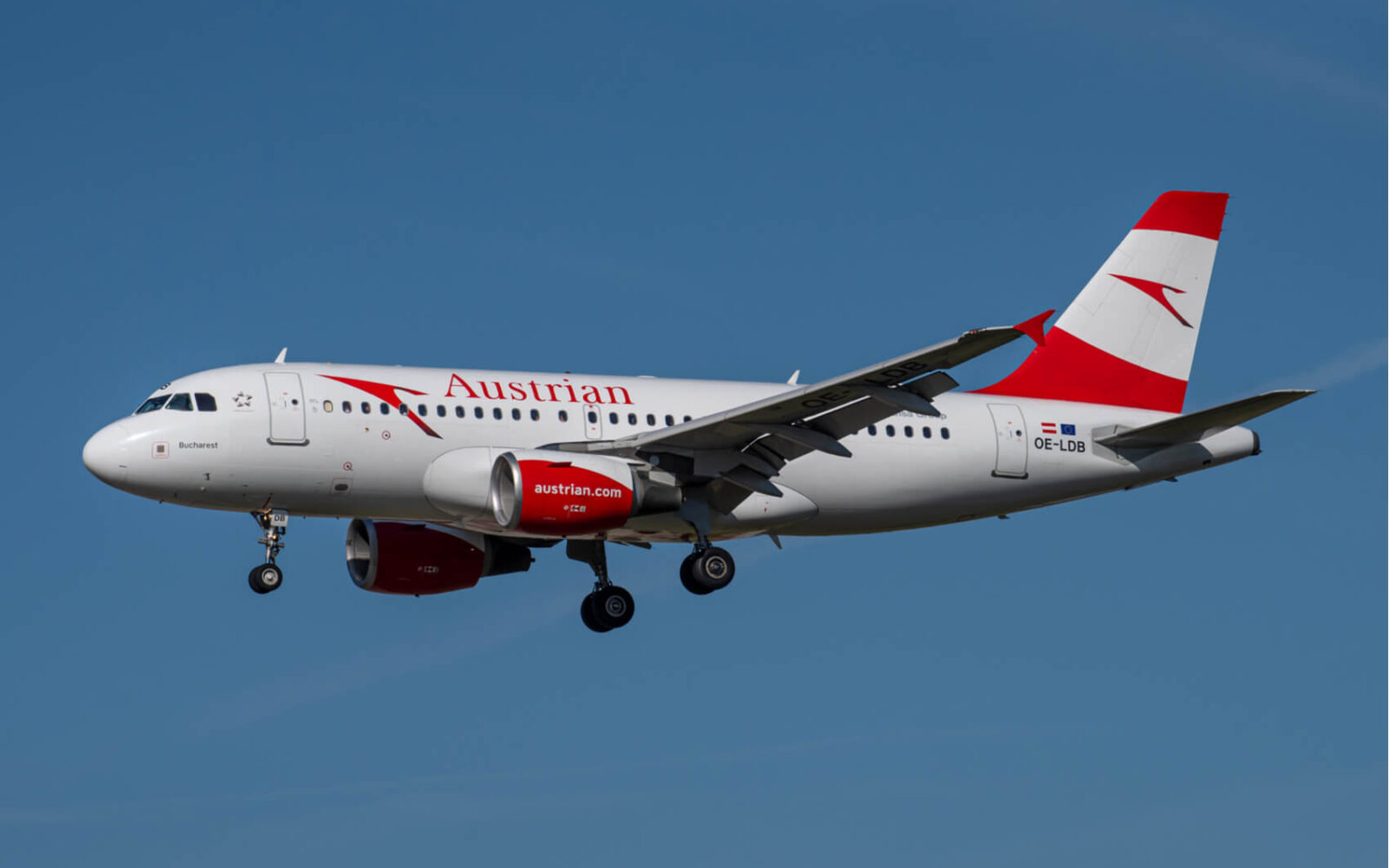
Spirit Airlines has officially completed the phase-out of its Airbus A319-100 fleet as of early 2026, transitioning to a more efficient and higher-capacity all-A320neo and A321neo family lineup. This strategic retirement aimed to drastically reduce unit costs, simplify maintenance operations, and maximize revenue per departure in an increasingly competitive low-cost market.
For over two decades, the Airbus A319 served as a foundational element of Spirit Airlines’ growth, helping the carrier pivot from a regional operator to a national ultra-low-cost carrier (ULCC). However, as the aviation industry shifted toward "upgauging"—the practice of using larger aircraft to achieve better economies of scale—the A319’s role became increasingly redundant. By 2026, the final "Yellow" A319 has been removed from scheduled service, marking the end of an era for the airline’s smallest narrow-body type.
The Strategic Evolution of Spirit’s Fleet Architecture
The decision to retire the A319 was not a sudden reaction to market conditions but rather a calculated pillar of Spirit’s long-term "Fit for the Future" strategy. In the early 2000s, when Spirit transitioned from its aging McDonnell Douglas MD-80 fleet to an all-Airbus fleet, the A319 was the perfect tool for opening new markets. Its smaller capacity allowed the airline to test routes with lower demand without the financial risk of flying half-empty larger aircraft.
As Spirit’s brand matured and its network densified, the economics of the A319 began to pale in comparison to its larger siblings, the A320 and A321. The A319-100 typically seated 145 passengers in Spirit’s high-density configuration. While this was efficient for its time, the arrival of the A320neo (182 seats) and the A321neo (228 seats) changed the math. The larger aircraft could fly the same routes for nearly the same trip cost while offering 25% to 50% more seats. This lowered the Cost per Available Seat Mile (CASM), which is the lifeblood of the ULCC business model.
Transitioning to a Unified Neo Fleet
By mid-2024, Spirit had already accelerated its plan to offload the A319s. The airline faced several headwinds, including engine reliability issues with the Pratt & Whitney Geared Turbofan (GTF) on its newer Neo fleet, which briefly forced some A319s to stay in service longer than intended. However, by 2025, as engine mitigation strategies took hold and new deliveries from Airbus ramped up, the retirement schedule regained its momentum.
The retirement signifies more than just the removal of old planes; it represents the homogenization of the fleet. Managing three different sizes of the A320ceo family alongside two sizes of the A320neo family created logistical complexities in crew scheduling, spare parts inventory, and maintenance rotations. By 2026, reducing the fleet to essentially two primary seat-count tiers has streamlined Spirit’s operational reliability.
Technical Drivers Behind the Retirement
The Airbus A319-100 is a robust aircraft, but it belongs to a previous generation of engine technology. Spirit’s A319s were primarily powered by the International Aero Engines (IAE) V2500 series. While highly reliable, these engines cannot match the 15% to 20% fuel burn reduction offered by the next-generation engines found on the Neo aircraft.
Fuel Efficiency and Environmental Targets
In the current 2026 economic landscape, fuel remains the most volatile and significant expense for airlines. The A319’s fuel burn per seat is significantly higher than that of the A321neo. With Spirit’s commitment to reducing its carbon footprint and meeting newer ESG (Environmental, Social, and Governance) targets, the A319 became an environmental liability.
The A321neo, especially when equipped with Sharklets and optimized cabin layouts, allows Spirit to transport more passengers while burning less fuel in aggregate across the entire network. This "green" shift also has practical financial benefits, as many airports now offer tiered landing fees based on noise and carbon emissions—categories where the older A319-100 performed poorly.
Maintenance Cycles and "C-Checks"
A major trigger for any aircraft retirement is the timing of heavy maintenance events. For many of Spirit’s A319s, major "C-Checks" and "D-Checks" were looming between 2023 and 2025. These inspections can cost millions of dollars per airframe. Rather than investing heavily in aging assets with a limited remaining lifespan, Spirit’s leadership chose to divest the aircraft. This avoided the "maintenance cliff" and allowed the capital to be redirected toward the pre-delivery payments (PDPs) for the incoming A321neo fleet.
The Gryphon Aviation Deal and Asset Liquidation
One of the most significant milestones in the A319 retirement overview was the massive sale-and-leaseback or outright sale agreement reached in 2024. Spirit Airlines entered into a definitive agreement to sell 29 Airbus A319-100 aircraft to Gryphon Aviation Leasing.
This transaction was a masterstroke in balance sheet management. By selling these aircraft, Spirit generated substantial immediate liquidity, which was crucial during a period of industry-wide recovery and engine-related grounding costs. The deal also provided a clear exit ramp for the airframes, ensuring they would be removed from the Spirit certificate in a phased manner that didn't disrupt the flight schedule.
Second-Life for Retired Airframes
Where do Spirit’s A319s go after they leave the "Yellow" fleet? The A319 remains a popular aircraft for secondary markets. Many of these retired units have found new homes with:
- Start-up airlines in emerging markets that require lower capital entry costs.
- Government and corporate operators who convert the narrow-body into executive transports.
- Part-out companies, where the aircraft is dismantled for its high-value components, particularly the V2500 engines and avionics, which remain in high demand for other A320ceo operators.
Performance Comparison: A319 vs. Modern Replacements
To understand why the retirement was inevitable, one must look at the hard data. The following table illustrates the performance gap between the retired A319 and the aircraft that have replaced its capacity within the Spirit network.
| Metric | Airbus A319-100 (Retired) | Airbus A320neo | Airbus A321neo |
|---|---|---|---|
| Seating Capacity | 145 Seats | 182 Seats | 228 Seats |
| Typical Range | 3,700 nmi | 3,400 nmi | 3,500 nmi |
| Engine Type | IAE V2500 | PW1127G-JM | PW1133G-JM |
| Fuel Burn per Seat | Baseline (High) | ~16% Improvement | ~22% Improvement |
| Relative Maintenance Cost | Moderate (Rising with Age) | Low (New Tech) | Low (New Tech) |
| Cargo Capacity (Underfloor) | 27.7 m³ | 37.4 m³ | 51.7 m³ |
The data confirms that the A319 was the least efficient "per seat" member of the family. While the A319 had a slight advantage in range, Spirit’s route network—which focuses heavily on high-frequency domestic and "near-international" routes to the Caribbean and Latin America—rarely required the A319’s maximum range capabilities.
Impact on Passenger Experience
For the frequent Spirit flyer, the retirement of the A319 has brought about a significant change in the cabin experience. The A319s were among the last aircraft in the fleet to feature Spirit’s older interior designs.
The New Cabin Standard
With the transition to an all-Neo and modern Ceo fleet, Spirit has standardized its Vector Light cabin. Passengers on the newer A320neo and A321neo enjoy:
- Ergonomic Seats: New slimline seats that provide more usable legroom (knee clearance) despite the tight pitch.
- Upgraded Big Front Seats: The signature Spirit premium product has been refined with better cushioning and updated materials on the newer aircraft.
- In-flight Wi-Fi: While some A319s were retrofitted, the newer fleet came standard with high-speed streaming-capable Wi-Fi, which has become a significant non-ticket revenue driver for Spirit.
- Full-Size Overhead Bins: The newer "Airspace" style bins on the A321neo allow for more carry-on bags to be stored on their sides, reducing the need for gate-checking.
The loss of the A319 also means the end of the "small plane feel." Some passengers preferred the A319 because it was faster to board and deboard. However, the operational benefits of the A321neo—such as better stability in turbulence and a quieter cabin—generally outweigh the longer boarding times.
Operational Challenges During the Phase-Out
The retirement was not without its hurdles. The most pressing challenge was the Pratt & Whitney GTF engine crisis that peaked in 2024. Due to microscopic contaminants in the powdered metal used for engine parts, hundreds of A320neo family aircraft required unplanned inspections and engine removals.
Because Spirit had a large fleet of Neos, they were hit particularly hard. At one point in 2024, Spirit was forced to ground nearly a dozen newer aircraft. To maintain their flight schedule, they had to delay the retirement of the final ten A319s. These "veteran" aircraft served as a vital buffer, providing "lift" when the modern fleet was grounded. This delay caused a temporary spike in maintenance costs but saved the airline from a catastrophic reduction in capacity.
By late 2025, as the engine issues were resolved and Pratt & Whitney provided compensation and replacement parts, the A319s were finally allowed to enter their permanent retirement.
Future Outlook: Spirit’s Post-A319 Fleet
As we look at the Spirit Airlines fleet in 2026, it is leaner, younger, and more homogeneous. The airline now operates a "two-tier" strategy:
- The A320neo: The workhorse for mid-range and lower-demand routes.
- The A321neo: The "profit machine" for high-density corridors like Orlando, Las Vegas, and Fort Lauderdale.
This simplified fleet reduces pilot training costs, as the cockpits are nearly identical, and allows for much easier "swapping" of aircraft when a mechanical issue arises. If an A320neo breaks down, an A321neo can easily step in (albeit with different weight and balance considerations), whereas the A319 often required specific dispatch parameters due to its lower weight and different performance envelopes.
Frequently Asked Questions
Why did Spirit retire the A319 instead of the A320?
The A319 has a higher cost per seat than the A320. Because both aircraft require the same number of pilots and similar landing fees, the A320 is more profitable because it spreads those costs across 182 seats instead of 145. The A319 only makes sense for routes where you cannot fill an A320, and Spirit has grown to a size where most of its routes can easily support the larger aircraft.
Are any Spirit A319s still in service in 2026?
As of early 2026, all Airbus A319s have been removed from Spirit's active scheduled service. Some may remain in storage or in the process of being transferred to new owners (like Gryphon Aviation), but they are no longer part of the operational fleet.
What happened to the pilots who flew the A319?
Airbus aircraft are designed with "Cross-Crew Qualification" (CCQ) and "Common Type Ratings." A pilot certified to fly the A319 is also certified to fly the A320 and A321 with minimal additional training. Therefore, the retirement of the A319 did not require pilot layoffs; instead, pilots simply transitioned to flying the larger Neo aircraft.
Is the A319 retirement related to the JetBlue-Spirit merger attempt?
While the merger attempt (which was blocked in 2024) initially influenced fleet planning, the retirement of the A319 was a standalone strategic necessity for Spirit. Regardless of the merger outcome, the A319's poor economics compared to the A321neo made its retirement inevitable for Spirit to remain competitive as a standalone ULCC.
Which aircraft is the direct replacement for the A319?
There is no direct "small" replacement. Instead, Spirit has "upgauged." The capacity previously provided by the A319 is now handled by the A320neo. For routes that truly required a smaller aircraft, Spirit has either increased the frequency of those routes with larger planes or exited the markets that could not sustain 182 seats.
Final Recommendation for Industry Observers
The retirement of the Spirit A319 fleet is a textbook example of fleet optimization. For those tracking the airline's financial health in 2026, the key metrics to watch are the fuel burn per ASM and utilization rates. With the A319 gone, Spirit should show improved margins on a per-flight basis. Investors and analysts should focus on how well Spirit utilizes the massive capacity of the A321neo; the success of the post-A319 era depends entirely on the airline’s ability to fill those extra 83 seats per flight that the A321neo offers over the retired A319.