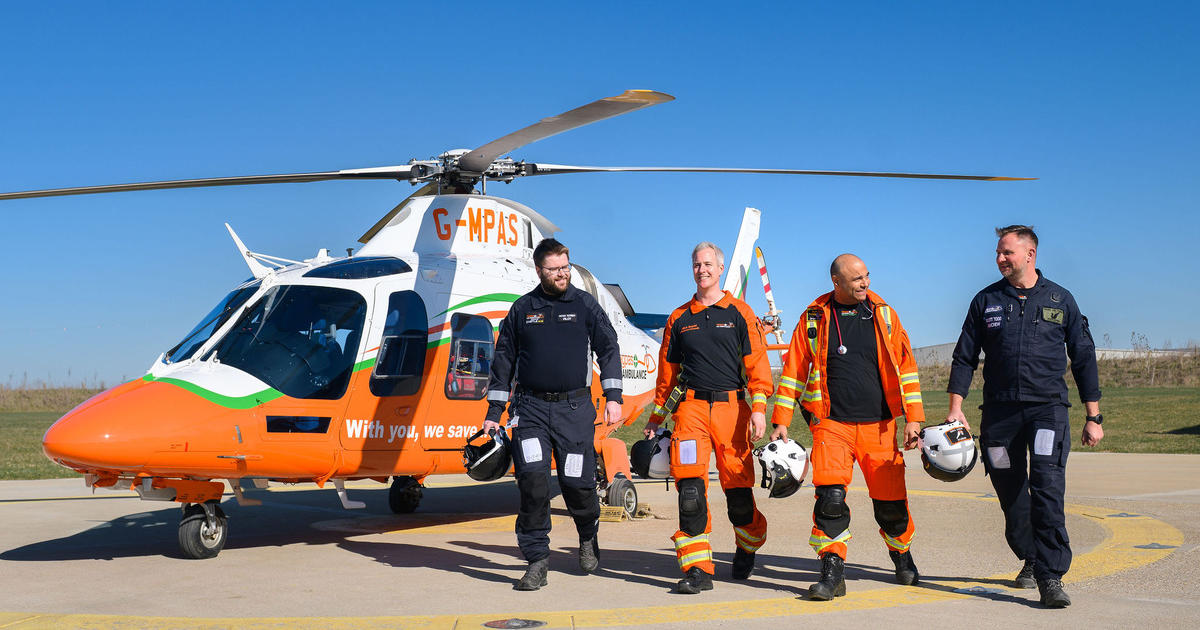
An air ambulance network is a highly coordinated system of medical aircraft, specialized clinical personnel, and logistical support teams designed to transport critically ill or injured patients over long distances. These networks bridge the gap between local medical limitations and global healthcare expertise, ensuring that patients reach specialized facilities safely through "bed-to-bed" service.
The evolution of the air ambulance network in 2026 reflects a sophisticated integration of aerospace technology and intensive care medicine. No longer just a means of rapid transport, these networks function as mobile intensive care units (ICUs) capable of maintaining life support across continents. Whether responding to a sudden trauma in a remote region or facilitating a planned transfer for a transplant recipient, the network relies on a complex infrastructure of dispatchers, medical directors, and aviation experts.
Defining the Air Ambulance Network Structure
The term "air ambulance network" refers to both the physical fleet of aircraft and the organizational web that manages them. In the current 2026 landscape, these networks are categorized into three primary operational models:
- Independent Providers: Companies that own their fleet, employ their own medical staff, and manage their own maintenance. They offer direct control over the quality of care and flight scheduling.
- Brokerage and Coordination Networks: Organizations that do not necessarily own aircraft but maintain a vetted global database of operators. They match a patient’s specific medical needs with the most appropriate aircraft and crew available in a specific geographic region.
- Hospital-Based Programs: These are often regional and focus on shorter-range rotor-wing (helicopter) transport, connecting rural clinics to major Level 1 trauma centers.
The primary goal of any network is to minimize the "time-to-treatment" window while maximizing the level of care provided during transit. This is achieved through a centralized dispatch system that monitors weather, aircraft availability, and hospital bed status in real-time.
Types of Transport Within the Network
Air medical transport is not a one-size-fits-all service. The network utilizes different types of aircraft depending on the distance, the patient's condition, and the urgency of the mission.
Fixed-Wing Air Ambulances (Medical Jets)
For long-distance or international transport, fixed-wing aircraft are the backbone of the network. In 2026, the industry standard includes jets such as the Learjet 45/60, Gulfstream models, and the Pilatus PC-12 or PC-24. These aircraft are chosen for their speed, range, and ability to fly above turbulent weather.
- Capabilities: Pressurized cabins that can maintain "sea-level" pressure for patients with respiratory issues or trapped gas injuries.
- Equipment: Fully integrated ICU suites, including advanced ventilators, multiparameter monitors, and invasive hemodynamic monitoring.
Rotor-Wing Air Ambulances (Helicopters)
Helicopters are utilized for shorter distances, typically under 150 miles, or for "scene-of-accident" rescues where no runway is available. Common models include the Eurocopter (Airbus) EC135 and the Bell 429.
- Capabilities: Vertical take-off and landing (VTOL) allows for direct hospital-to-hospital transfers, bypassing the need for ground ambulance legs.
- Limitations: Highly sensitive to weather conditions and limited in terms of space for large medical teams or heavy equipment.
Commercial Medical Escorts
For stable patients who require medical supervision but not a private jet, the network provides medical escorts on commercial airlines. A flight nurse or physician accompanies the patient in business or first-class, carrying portable medical equipment. This is a cost-effective alternative for repatriations or transfers to specialized rehabilitation centers.
The "Bed-to-Bed" Service Model
One of the most critical components of a professional air ambulance network is the "bed-to-bed" service. This protocol ensures that the medical team remains with the patient from the moment they leave the sending facility until they are safely admitted to the receiving hospital.
The process involves four distinct phases:
- Initial Ground Leg: A specialized ground ambulance picks up the patient and the flight crew from the hospital and transports them to the airport.
- The Flight Leg: Continuous monitoring and treatment are provided in the air. The medical crew maintains a detailed clinical chart, often synced via satellite to the receiving physicians.
- Final Ground Leg: Upon landing, a ground ambulance meets the aircraft on the tarmac to transport the patient and crew to the destination hospital.
- Clinical Handover: The flight team provides a comprehensive briefing to the receiving medical staff, ensuring no loss of clinical information during the transition.
This seamless chain of care is vital for maintaining stability in patients with complex conditions, such as those on multiple vasoactive drips or mechanical ventilation.
Medical Capabilities and Specialized Staffing
The quality of an air ambulance network is defined by its clinical staff. In 2026, crews typically consist of a Flight Registered Nurse (FRN) and a Flight Paramedic (FP-C), often supplemented by a physician for high-acuity cases.
Advanced Life Support (ALS) in the Air
Modern air ambulances are equipped to handle almost any medical emergency that could occur in a terrestrial ICU. This includes:
- Neonatal and Pediatric Transport: Specialized transport incubators (isolettes) and neonatal respiratory therapists for premature infants or children with congenital heart defects.
- Bariatric Transport: Aircraft modified with wider doors and heavy-duty loading systems to safely transport patients weighing up to 600 pounds or more.
- Cardiac Support: Capabilities for Intra-Aortic Balloon Pumps (IABP) and Extracorporeal Membrane Oxygenation (ECMO) for patients in severe heart or lung failure.
Flight crews undergo rigorous training in flight physiology, which focuses on how altitude changes, vibration, and noise affect the human body and medical equipment. For example, gases expand at higher altitudes (Boyle’s Law), which can be life-threatening for a patient with a pneumothorax if not managed by an expert.
Verification of Safety and Quality Standards
When engaging with an air ambulance network, verifying credentials is the most important step for patient safety. Two primary international bodies provide accreditation for medical transport:
- CAMTS (Commission on Accreditation of Medical Transport Systems): An organization that audits every aspect of a provider’s operation, from pilot training and aircraft maintenance to clinical protocols and safety management systems.
- EURAMI (European Aero-Medical Institute): Focuses heavily on international fixed-wing transports and ensures that operators meet high standards for long-range medical missions.
Furthermore, aircraft operators must hold a valid FAA Part 135 certificate (in the United States) or its international equivalent (EASA). This certification ensures the operator adheres to much stricter safety and maintenance regulations than general aviation (Part 91) flyers.
The Cost of Air Ambulance Services in 2026
The cost of air ambulance transport is influenced by the distance flown, the type of aircraft required, the level of medical staff needed, and the complexity of the ground logistics. In 2026, prices generally fall into the following ranges:
| Transport Type | Estimated Cost Range (USD) | Primary Use Case |
|---|---|---|
| Domestic Fixed-Wing | $25,000 – $50,000 | State-to-state ICU transfers |
| International (Transatlantic) | $80,000 – $160,000 | Repatriation or specialized surgery |
| Regional Rotor-Wing | $15,000 – $30,000 | Urgent trauma/short-distance transfers |
| Commercial Medical Escort | $5,000 – $15,000 | Stable patients on long-distance flights |
| Neonatal/ECMO Flight | $60,000 – $100,000+ | Highly specialized, equipment-heavy missions |
Factors Affecting Price
- Fuel Costs: Jet fuel remains the largest variable expense in flight operations.
- Specialized Equipment: Bringing an ECMO machine or bariatric lift adds to the complexity and cost.
- Wait Time: If an aircraft is delayed at the airport because the patient is not ready, hourly "wait fees" may apply.
- International Clearances: Landing permits and handling fees in certain countries can add thousands to the final bill.
Insurance and Coverage Realities
Navigating insurance for an air ambulance is notoriously complex. In 2026, the No Surprises Act (in the U.S.) has provided some protections against "balance billing," but these laws primarily apply to emergency transports.
- Emergency vs. Non-Emergency: If a transport is deemed "medically necessary" for a life-saving intervention not available at the current facility, insurance is more likely to cover it. Non-emergency transfers (e.g., moving a patient closer to home for family convenience) are rarely covered.
- Pre-Authorization: For non-emergency flights, the air ambulance network’s flight coordinators will often handle the pre-authorization process with the insurance carrier. This is a critical step to avoid massive out-of-pocket expenses.
- Travel Insurance: Many premium travel insurance policies include an "Emergency Medical Evacuation" benefit, which can cover the entire cost of a flight if the traveler becomes ill or injured abroad.
Practical Steps for Arranging a Flight
If you are tasked with organizing a transport within the air ambulance network, follow these steps to ensure a smooth transition:
- Obtain a Medical Report: The network’s medical director will need a current "Letter of Medical Necessity" or a summary of the patient's condition (vitals, medications, oxygen requirements).
- Identify the Receiving Facility: An air ambulance cannot take off until there is a confirmed "accepting physician" and a bed waiting at the destination.
- Verify Accreditation: Ask the provider if they are CAMTS or EURAMI accredited and confirm they provide true bed-to-bed service.
- Check Passport and Visas: For international flights, ensure the patient and any flying companions have valid travel documents. The network can often assist with emergency medical visas.
- Confirm Total Pricing: Ensure the quote is "all-inclusive," covering ground ambulances, medical staff, aircraft, and all permits.
Common Pitfalls to Avoid
The pressure of a medical emergency can lead to hasty decisions. Avoid these common mistakes:
- Price-Shopping Only: The cheapest quote may come from a provider using an older aircraft or less qualified medical staff. Prioritize clinical capability and safety records.
- Ignoring Ground Logistics: Ensure the network is managing the ground ambulances. If you try to coordinate these separately, delays are almost certain to occur.
- Overestimating Stability: Patients who appear stable on the ground can decompensate rapidly in the air. Always be transparent with the flight's medical director about any recent changes in the patient's status.
Frequently Asked Questions
Can a family member fly with the patient?
In most cases, yes. Fixed-wing air ambulances typically have room for one or two family members and a limited amount of luggage. However, the medical crew has the final say; if the patient's condition requires extra medical personnel or equipment, the family member may need to fly commercially.
How fast can an air ambulance be dispatched?
For domestic flights, a network can often have an aircraft ready to launch within 2 to 4 hours. International missions may take 12 to 24 hours due to the need for international overflight permits and specialized crew rest requirements.
Are air ambulances equipped for infectious diseases?
Yes. Since the early 2020s, most networks have integrated advanced isolation pods (often called Isopod units) that allow for the safe transport of patients with highly infectious diseases like COVID-19 or Ebola while protecting the flight crew.
What happens if the patient's condition changes mid-flight?
The medical crew is trained in advanced ACLS (Advanced Cardiovascular Life Support) and carries a full pharmacy of emergency medications. The aircraft can also be diverted to the nearest appropriate airport if the patient requires immediate stabilization that cannot be performed in the air.
Is the air ambulance network available 24/7?
Yes, professional networks operate 24 hours a day, 365 days a year. Their dispatch centers are staffed by specialists who handle medical intake and flight logistics at any hour.
Recommendation for Next Actions
When a medical crisis necessitates air transport, your first action should be to contact a reputable air ambulance network coordinator. Request a comprehensive medical consultation—this is usually free and allows the network's medical director to determine if the patient is "fit to fly." Once cleared, confirm the accreditation of the operator and ensure that a "bed-to-bed" protocol is in place. For international needs, verify that the provider has experience navigating the specific customs and medical requirements of the destination country.
For more information on safety standards, visit the Commission on Accreditation of Medical Transport Systems (CAMTS) or the Federal Aviation Administration (FAA).