Artificial intelligence tools for life insurance agents offer a mechanism to automate time-intensive administrative tasks, improve lead qualification accuracy, and provide hyper-personalized risk assessments. By integrating machine learning models and natural language processing into their daily workflows, agents can focus on complex underwriting navigation and high-value client relationship management rather than manual data entry or basic scheduling.
The Evolving Landscape of Insurance Technology
The integration of AI into life insurance distribution is not about replacing the agent; it is about providing a force multiplier for a profession defined by trust and complex financial planning. In 2026, the technology has moved past experimental prototypes toward robust, integrated systems that connect to existing Agency Management Systems (AMS) and Customer Relationship Management (CRM) platforms.
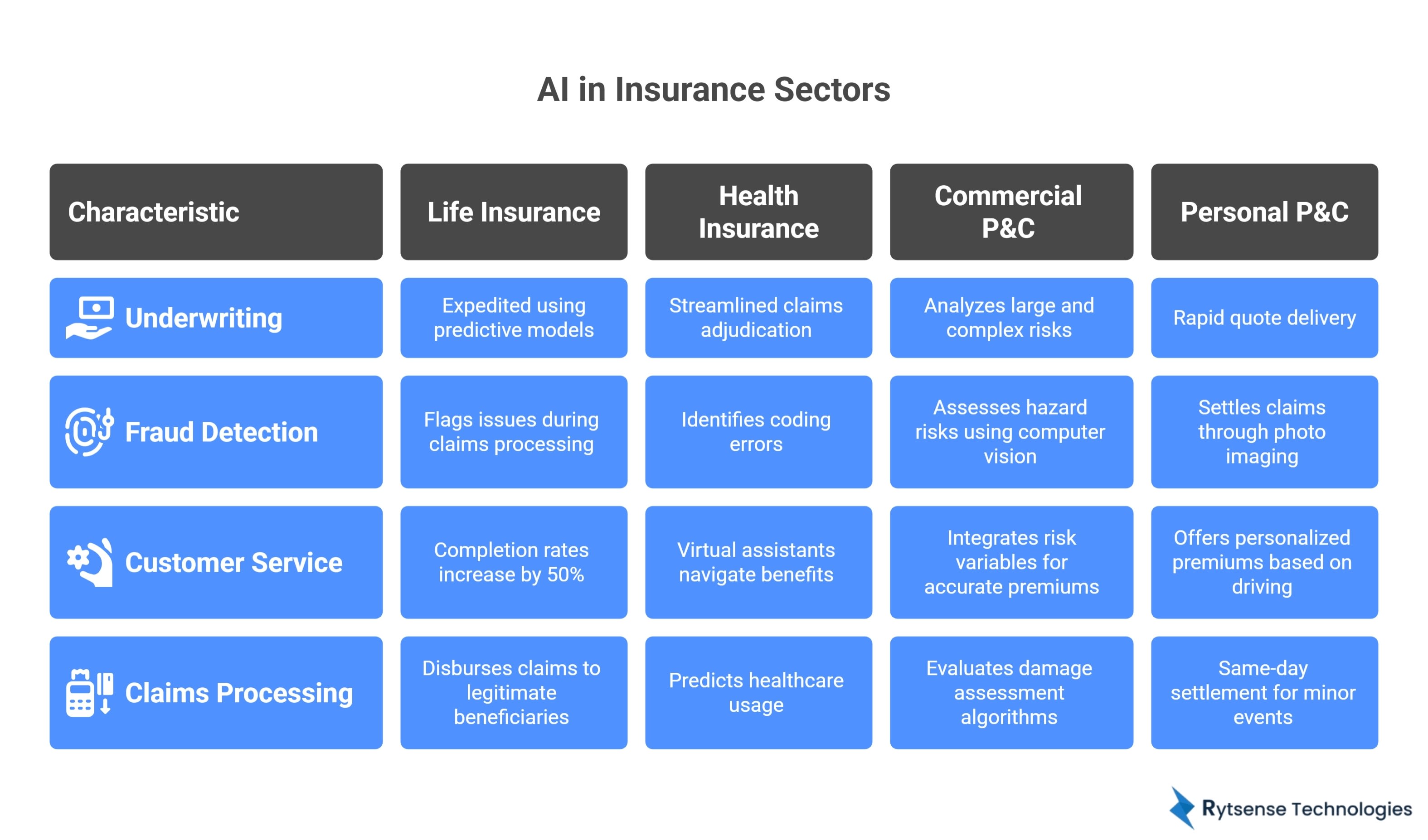
For the modern agent, the primary value proposition of AI lies in its ability to parse unstructured data. Life insurance applications often involve thousands of pages of medical records, financial statements, and historical data. AI-driven document intelligence tools can extract relevant health metrics or financial benchmarks from these documents in seconds, alerting agents to potential underwriting roadblocks before an application is even formally submitted to a carrier.
Core Applications of AI in Agency Operations
To understand where AI fits into your daily practice, it is essential to categorize these tools by their primary function: back-office efficiency, front-end lead generation, and client-facing advisory support.
Lead Qualification and Predictive Analytics
Manual lead management is one of the most significant "time drains" for independent agents. AI platforms now utilize predictive modeling to score leads based on historical conversion data, demographics, and real-time online behavior. Instead of calling every lead in a static list, an agent can prioritize prospects who are statistically more likely to be in the market for a term or whole life policy. These systems analyze signals—such as visits to specific coverage-education pages—to notify an agent when a prospect is most "warm" and ready for a conversation.
Automated Underwriting Support
One of the most persistent hurdles in life insurance is the "black box" of underwriting. AI tools act as a pre-screening layer. By inputting preliminary health and lifestyle data, agents can receive an instant estimate of an applicant’s likely risk class. While these tools do not provide a final binding offer, they allow agents to set accurate expectations with clients, preventing the frustration of sudden "rated" policies or unexpected premium increases that occur weeks into the underwriting process.
Natural Language Processing (NLP) for Communications
Modern AI-powered communications tools can draft personalized emails, summarize complex policy documents into plain language, or even transcribe and analyze discovery meetings to ensure compliance and identify missed cross-selling opportunities. These tools are governed by firm-specific compliance filters, ensuring that all generated content adheres to state insurance department requirements regarding fair representation and non-misleading marketing.
Comparing AI Solutions for Insurance Professionals
When selecting AI software, agents must look beyond marketing claims and evaluate technical compatibility. The following table highlights common categories of AI tools currently deployed in the insurance sector.
| AI Category | Primary Function | Ideal For | Key Consideration |
|---|---|---|---|
| Document Intelligence | Automated data extraction from medical records | High-volume producers | Compatibility with carrier portals |
| Predictive Lead Scoring | Ranking leads by conversion probability | Independent agencies | Data privacy and source ethics |
| Conversational AI | Intelligent chatbots for basic inquiries | 24/7 client support | Security of PII (Personally Identifiable Information) |
| Advisor Co-Pilots | Real-time policy comparison and drafting | Financial planners | Accuracy of state-specific guidelines |
Prerequisites for Implementation
Before adopting any AI tool, an agency must meet several baseline requirements. Failure to address these will often lead to failed integrations and data security vulnerabilities.
- Data Hygiene: AI is only as effective as the data it consumes. If your CRM is populated with duplicate entries, missing contact fields, or outdated client profiles, the AI will produce skewed insights. Clean your database before plugging it into an automation platform.
- Regulatory Compliance: Insurance is a highly regulated industry. Any AI tool used must comply with state insurance department regulations and federal data protection standards (such as GLBA, the Gramm-Leach-Bliley Act). Ensure that any tool you choose allows for an "audit trail" where every automated action can be traced back to the agent.
- Security Protocols: You are dealing with highly sensitive financial and health data (PHI/PII). Only utilize AI platforms that provide end-to-end encryption and have verified SOC2 Type II compliance reports. Avoid using open-source, public AI tools for client-specific analysis, as this may lead to unintentional data leaks.
Practical Steps for Integration
Transitioning to an AI-augmented agency does not happen overnight. Use this phased approach to minimize disruption to your existing business operations.
- Phase 1: Identification of Pain Points: Do not attempt to automate everything at once. Choose one high-frequency, low-complexity task, such as appointment scheduling or client birthday and policy-review reminders.
- Phase 2: Pilot Testing: Select a single tool and run it alongside your current manual process for 30 days. Measure the time saved against the accuracy of the output.
- Phase 3: Integration with CRM: Once the tool is verified, integrate it with your CRM. Ensure that the AI has read-only access where possible, restricting its ability to permanently alter client files without manual confirmation.
- Phase 4: Continuous Monitoring: Schedule quarterly audits of the AI’s performance. AI models can experience "drift" where their suggestions become less relevant over time. Re-training the model or updating the parameters ensures the output remains aligned with your specific business goals.
Overcoming Common Mistakes
The most common error agents make is viewing AI as a "set and forget" solution. AI models require consistent human oversight. For instance, if an AI agent is drafting emails for your prospects, you must review the tone and accuracy of these communications frequently to ensure the brand voice remains consistent.
Another frequent pitfall is over-reliance on automated underwriting pre-screeners. Always caveat your findings to the client, explicitly stating that the tool’s output is an estimate and that the carrier’s underwriters retain the final decision based on official medical exams and records. Setting these expectations early prevents potential liability issues.
Frequently Asked Questions
Does AI replace the need for an insurance agent? No. AI is designed to augment the agent's capabilities. While AI can handle data gathering and basic communication, it cannot replicate the empathy, complex ethical judgment, or relationship-building required to sell life insurance, particularly for high-net-worth or complex estate planning cases.
Are these tools compliant with HIPAA and other privacy laws? Reputable enterprise-grade AI tools for insurance are designed with HIPAA and GLBA compliance in mind. However, you must verify the specific security certifications of each vendor. Never input sensitive medical data into a generic, public-facing AI tool that does not offer a business associate agreement (BAA) or equivalent security protections.
How much does implementing AI cost? Costs vary significantly based on scale. Simple automation tools can start at $50–$200 per month, while comprehensive underwriting support platforms often utilize a per-lead or per-policy fee structure. Calculate the "cost of time" currently spent on manual tasks to determine if the ROI of the software justifies the expense.
What happens if the AI makes a mistake? The legal and professional responsibility for the policy and the advice remains with the licensed agent. If an AI tool suggests an incorrect coverage amount or misinterprets a medical code, the agent is liable for the error. Therefore, a "human-in-the-loop" strategy is mandatory for every step of the sales and underwriting process.
How do I ensure my client data remains private? Choose platforms that offer data sovereignty, meaning they do not use your client data to train their global models. Look for "enterprise-grade" settings that isolate your data from the vendor’s public model training infrastructure.
Next Steps for the Modern Agent
Begin by auditing your current workflow to identify the three tasks that consume the most time but require the least amount of complex human judgment. Once identified, research vendors that provide seamless integration with your existing CRM. Start your implementation with a free trial or a limited pilot program. As you grow more comfortable with the technology, gradually expand its scope to include more sophisticated tasks like predictive lead scoring and complex policy comparisons. By intentionally integrating these tools today, you position your agency to remain competitive in a 2026 marketplace where speed and precision are the primary differentiators.