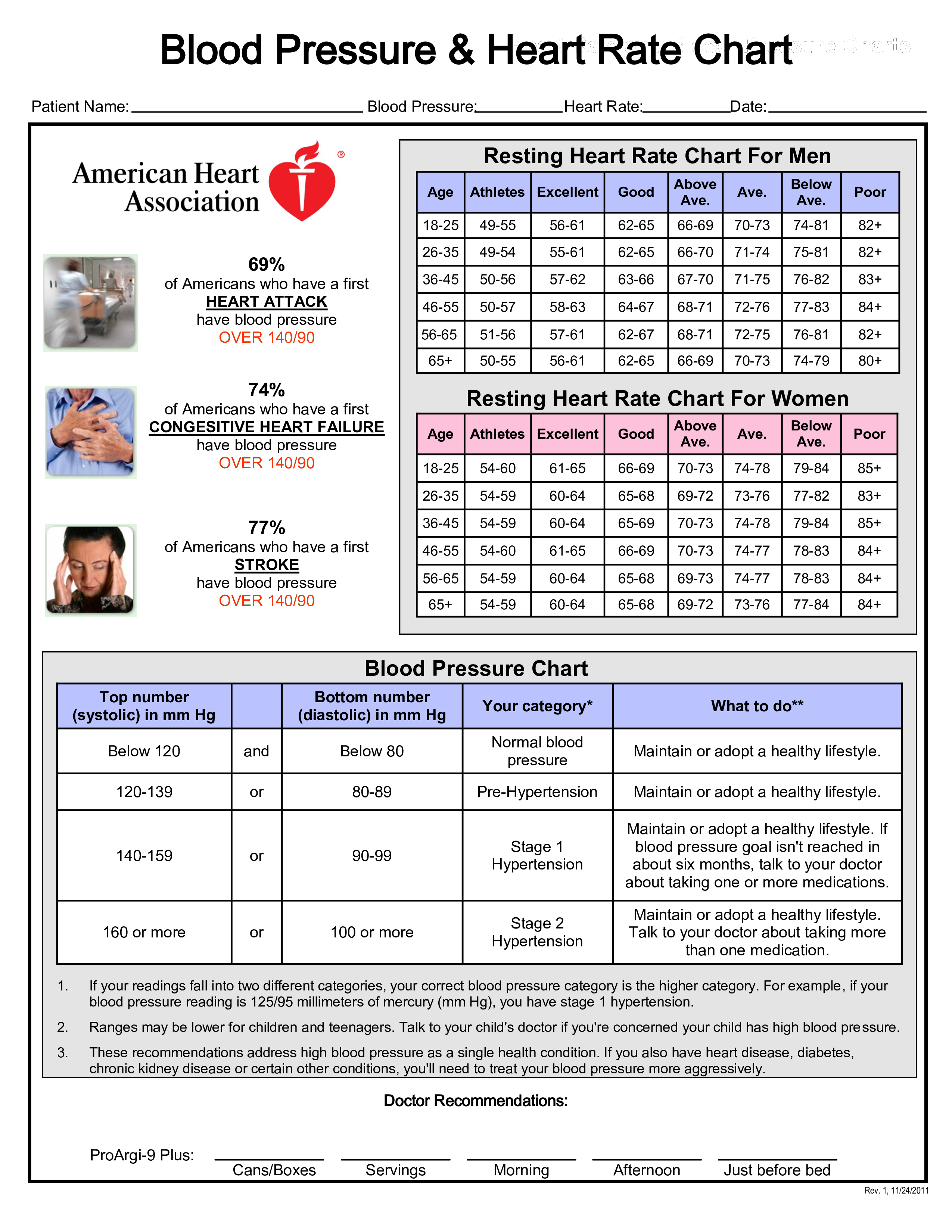
The American Heart Association (AHA) defines healthy blood pressure as a reading of less than 120/80 mmHg. Hypertension Stage 1 is diagnosed when readings consistently reach 130/80 mmHg or higher. These recommendations emphasize early intervention through lifestyle modifications and, when necessary, medication to reduce the risk of heart attack and stroke.
Blood pressure management is a cornerstone of cardiovascular health. Since the landmark 2017 update to the clinical practice guidelines—developed in collaboration with the American College of Cardiology (ACC)—the medical community has focused on lower thresholds to identify at-risk individuals earlier. In 2026, these standards remain the gold standard for clinicians and patients alike, providing a framework for preventing long-term damage to the heart, brain, and kidneys.
Understanding the Blood Pressure Categories
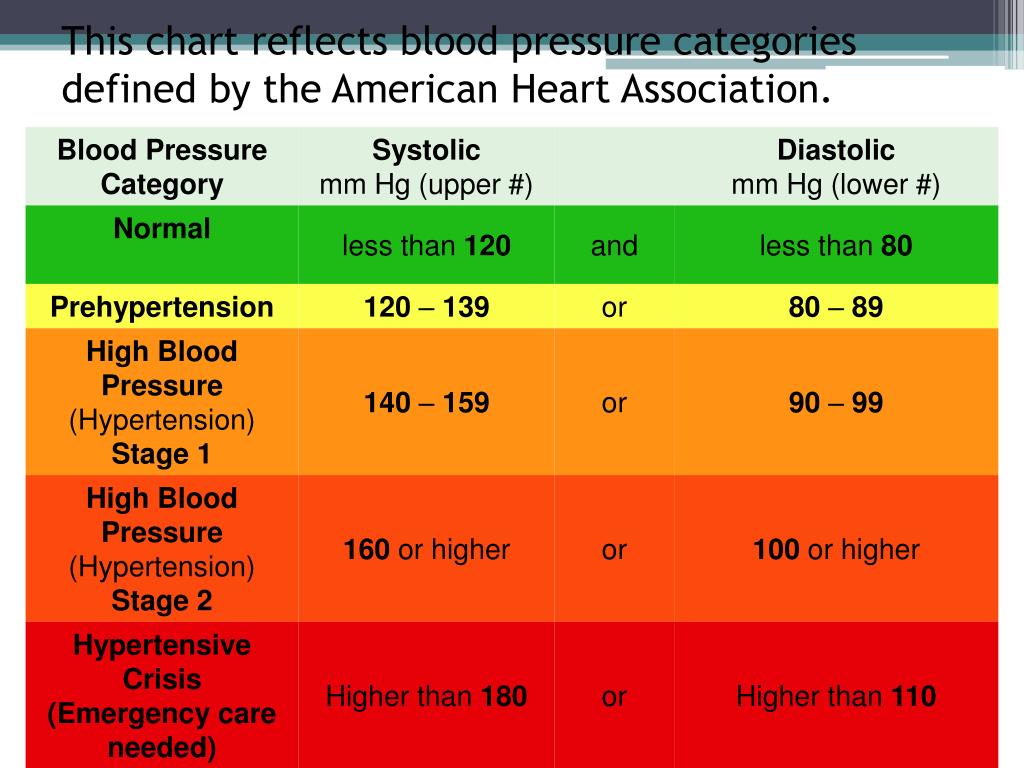
The AHA categorizes blood pressure into five distinct levels based on systolic (top number) and diastolic (bottom number) measurements. It is important to note that if your systolic and diastolic numbers fall into different categories, the higher category is used for diagnosis.
Normal Blood Pressure
A reading is considered normal if it is less than 120/80 mmHg. In this range, the force of blood against arterial walls is within a healthy limit, and the risk of cardiovascular events remains low. Individuals in this category are encouraged to maintain healthy habits, such as a balanced diet and regular physical activity, to prevent the natural rise in blood pressure that often occurs with aging.
Elevated Blood Pressure
Elevated blood pressure occurs when readings consistently range from 120–129 systolic AND less than 80 mmHg diastolic. This is not yet clinical hypertension, but it serves as a critical warning sign. People with elevated blood pressure are likely to develop hypertension unless steps are taken to control the condition. At this stage, the AHA typically recommends lifestyle interventions rather than medication.
Hypertension Stage 1
Hypertension Stage 1 is defined by a systolic pressure of 130–139 mmHg OR a diastolic pressure of 80–89 mmHg. The transition to this lower threshold (previously 140/90 mmHg) was based on evidence showing that the risk of cardiovascular complications doubles at 130/80 compared to normal levels. Treatment at this stage depends on an individual’s 10-year heart disease and stroke risk assessment.
Hypertension Stage 2
Hypertension Stage 2 is diagnosed when blood pressure consistently reaches 140/90 mmHg or higher. At this level, the risk of organ damage is significantly increased. Doctors typically recommend a combination of blood pressure medications and lifestyle changes to bring these numbers down as quickly and safely as possible.
Hypertensive Crisis
A hypertensive crisis is a medical emergency occurring when blood pressure readings suddenly exceed 180/120 mmHg. If you obtain a reading this high, wait five minutes and test again. If the reading remains high and is accompanied by symptoms such as chest pain, shortness of breath, numbness, or difficulty speaking, seek immediate emergency medical care.
| Blood Pressure Category | Systolic (Top Number) | Diastolic (Bottom Number) | Recommended Action |
|---|---|---|---|
| Normal | Less than 120 | AND Less than 80 | Maintain healthy habits and annual screening. |
| Elevated | 120 – 129 | AND Less than 80 | Lifestyle changes; re-evaluate in 3–6 months. |
| Hypertension Stage 1 | 130 – 139 | OR 80 – 89 | Lifestyle changes; medication if ASCVD risk is >10%. |
| Hypertension Stage 2 | 140 or higher | OR 90 or higher | Lifestyle changes and 1–2 types of medication. |
| Hypertensive Crisis | Higher than 180 | AND/OR Higher than 120 | Consult doctor immediately or seek emergency care. |
The Role of the 10-Year ASCVD Risk Score
A pivotal aspect of the AHA recommendations is that Stage 1 Hypertension treatment is not "one size fits all." Instead, clinicians use the Atherosclerotic Cardiovascular Disease (ASCVD) Risk Estimator. This tool considers age, sex, race, cholesterol levels, smoking status, and the presence of diabetes.
If a patient’s 10-year risk of having a heart attack or stroke is greater than 10%, medication is usually recommended alongside lifestyle changes. If the risk is lower than 10%, the primary focus remains on non-pharmacological interventions for three to six months before re-evaluating. This personalized approach ensures that medication is targeted toward those who will derive the most significant preventative benefit.
Accurate Blood Pressure Measurement Techniques
One of the most common issues in managing hypertension is "misdiagnosis" due to poor measurement technique. The AHA provides strict guidelines on how to obtain an accurate reading, whether in a clinical setting or at home.
- Preparation: Do not smoke, drink caffeine, or exercise within 30 minutes of taking a measurement. Ensure your bladder is empty, as a full bladder can artificially raise blood pressure by 10–15 points.
- Positioning: Sit in a chair with your back supported and your feet flat on the floor (do not cross your legs). Your arm should be supported on a flat surface (like a table) with the upper arm at heart level.
- Cuff Size: Using a cuff that is too small is a frequent error that leads to falsely high readings. The inflatable part of the cuff should cover 75% to 100% of the distance around your upper arm.
- Quietude: Remain still and do not talk during the measurement. Even active listening or conversation can impact the results.
- Consistency: Take at least two readings, one minute apart, in the morning before taking medications and in the evening before dinner. Record these in a log to share with your healthcare provider.
Masked and White Coat Hypertension
The AHA emphasizes the importance of out-of-office monitoring to identify two specific phenomena:
- White Coat Hypertension: When a patient has high readings in the doctor's office but normal readings at home.
- Masked Hypertension: When readings are normal in the office but high at home. Because clinical decisions are based on average pressure over time, home monitoring is often more representative of a patient's true cardiovascular strain than a single office visit.
Lifestyle Recommendations for Blood Pressure Control
Non-pharmacological interventions are the first line of defense in the AHA recommendations. For many individuals with elevated or Stage 1 hypertension, these changes can lower blood pressure as effectively as a single medication.
The DASH Eating Plan
The Dietary Approaches to Stop Hypertension (DASH) diet is the gold standard for nutritional management. It emphasizes:
- Fruits and Vegetables: High in potassium, which helps the body ease tension in blood vessel walls.
- Whole Grains: Rich in fiber and essential nutrients.
- Lean Protein: Focusing on fish, poultry, and legumes while limiting red meat.
- Sodium Reduction: The AHA recommends a goal of no more than 1,500 mg of sodium per day for most adults, particularly those with hypertension. Even a reduction of 1,000 mg per day can significantly improve heart health.
Physical Activity Guidelines
The AHA recommends that adults engage in at least 150 minutes of moderate-intensity aerobic activity or 75 minutes of vigorous activity per week. Aerobic exercises like brisk walking, swimming, or cycling strengthen the heart, allowing it to pump more blood with less effort, which decreases the force on arteries. Additionally, resistance training (strength training) twice a week is recommended to improve overall metabolic health.
Weight Management and Alcohol Consumption
Weight loss is one of the most effective ways to reduce blood pressure. For every kilogram (about 2.2 pounds) of weight lost, systolic blood pressure can drop by approximately 1 mmHg. Furthermore, limiting alcohol is essential. The AHA suggests no more than two drinks per day for men and one drink per day for women, as excessive alcohol can both raise blood pressure and reduce the effectiveness of medications.
Pharmacological Interventions
When lifestyle changes are insufficient, or when blood pressure reaches Stage 2, the AHA recommends several classes of medication. Each works through a different physiological mechanism:
- Thiazide Diuretics: Often the first line of treatment, these help the kidneys eliminate excess sodium and water, reducing blood volume.
- ACE Inhibitors: Angiotensin-converting enzyme inhibitors prevent the body from producing a hormone that narrows blood vessels, allowing them to remain relaxed.
- ARBs: Angiotensin II receptor blockers perform a similar function to ACE inhibitors but block the action of the hormone rather than its production.
- Calcium Channel Blockers: These prevent calcium from entering the muscle cells of the heart and arteries, which allows the vessels to relax and the heart to beat with less force.
In many cases, doctors will prescribe a "fixed-dose combination" pill that includes two different types of medication. This is often more effective than a high dose of a single drug and improves patient compliance.
Monitoring and Long-Term Management
Hypertension is often called the "silent killer" because it rarely presents with obvious symptoms until significant damage has occurred. Therefore, long-term adherence to AHA recommendations requires consistent monitoring.
Follow-up Frequency
Patients starting new medications or making significant lifestyle changes should have their blood pressure re-evaluated monthly until their goal (typically <130/80) is met. Once controlled, follow-up visits every three to six months are standard.
Special Populations
The AHA guidelines provide specific considerations for certain groups:
- Chronic Kidney Disease (CKD): These patients often require more intensive management and specific medication types (like ACE inhibitors) to protect renal function.
- Diabetes: Because diabetes increases cardiovascular risk, the target for these patients is strictly under 130/80 mmHg.
- Older Adults: While the 130/80 goal remains for most, clinicians may adjust treatment for very frail patients to avoid side effects like dizziness or falls (orthostatic hypotension).
Frequently Asked Questions
What is the most important number in a blood pressure reading?
While both numbers are critical, the systolic pressure (the top number) is generally given more attention as a major risk factor for cardiovascular disease for people over age 50. In most people, systolic blood pressure rises steadily with age due to the increasing stiffness of large arteries and long-term buildup of plaque.
Can I stop taking blood pressure medication if my numbers return to normal?
No. You should never stop or change your medication without consulting your healthcare provider. Normal readings often indicate that the medication is working effectively. If you stop, your blood pressure will likely return to dangerous levels. Some patients may be able to reduce their dosage after sustained lifestyle improvements, but this must be supervised by a doctor.
Does caffeine significantly affect the AHA blood pressure categories?
Caffeine can cause a short-term, temporary spike in blood pressure, even in people without hypertension. This is why the AHA recommends avoiding caffeine for 30 minutes prior to a measurement. However, there is currently no conclusive evidence that moderate long-term caffeine consumption increases the risk of developing chronic high blood pressure.
Is a reading of 130/80 always considered "high"?
According to the AHA recommendations, 130/80 mmHg is the threshold for Stage 1 Hypertension. However, a diagnosis is rarely made based on a single reading. Doctors look for a pattern of elevated readings over several weeks before confirming the diagnosis and determining if medication is necessary based on your overall cardiovascular risk profile.
How does stress impact blood pressure recommendations?
Stress causes the body to produce a surge of hormones that temporarily increase blood pressure. While the AHA recognizes stress as a factor that can contribute to unhealthy habits (like poor diet or smoking), chronic stress itself is not yet listed as a formal "cause" of permanent hypertension in the same way that sodium or obesity are. Nevertheless, stress management techniques like meditation and deep breathing are encouraged as supportive therapies.
Next Steps for Heart Health
To effectively follow the AHA blood pressure recommendations, begin by establishing your baseline. Purchase a validated home blood pressure monitor (look for "Clinically Validated" labels) and track your readings for one week. Bring this log to your next medical appointment to discuss your specific risk factors and whether you need to implement the DASH diet, increase physical activity, or consider pharmacological support. Remember that early intervention is the most effective way to prevent the cumulative damage of hypertension.