Agriculture machine learning leverages complex algorithms and statistical models to analyze vast datasets—ranging from satellite imagery to soil sensors—to optimize crop yields and resource efficiency. In 2026, it serves as the operational backbone of autonomous farming, enabling real-time decision-making that reduces chemical waste, improves soil health, and ensures global food security through high-accuracy predictive analytics.
The integration of machine learning (ML) into the agricultural sector has moved beyond the experimental phase into a standardized industrial necessity. As global populations continue to rise and climate volatility increases, the ability to process environmental variables into actionable insights is no longer a luxury but a fundamental requirement for commercial viability. In 2026, we see a convergence of high-resolution remote sensing, edge computing, and sophisticated neural networks that allow farmers to manage individual plants rather than entire fields.
The Technological Architecture of Modern Agricultural ML
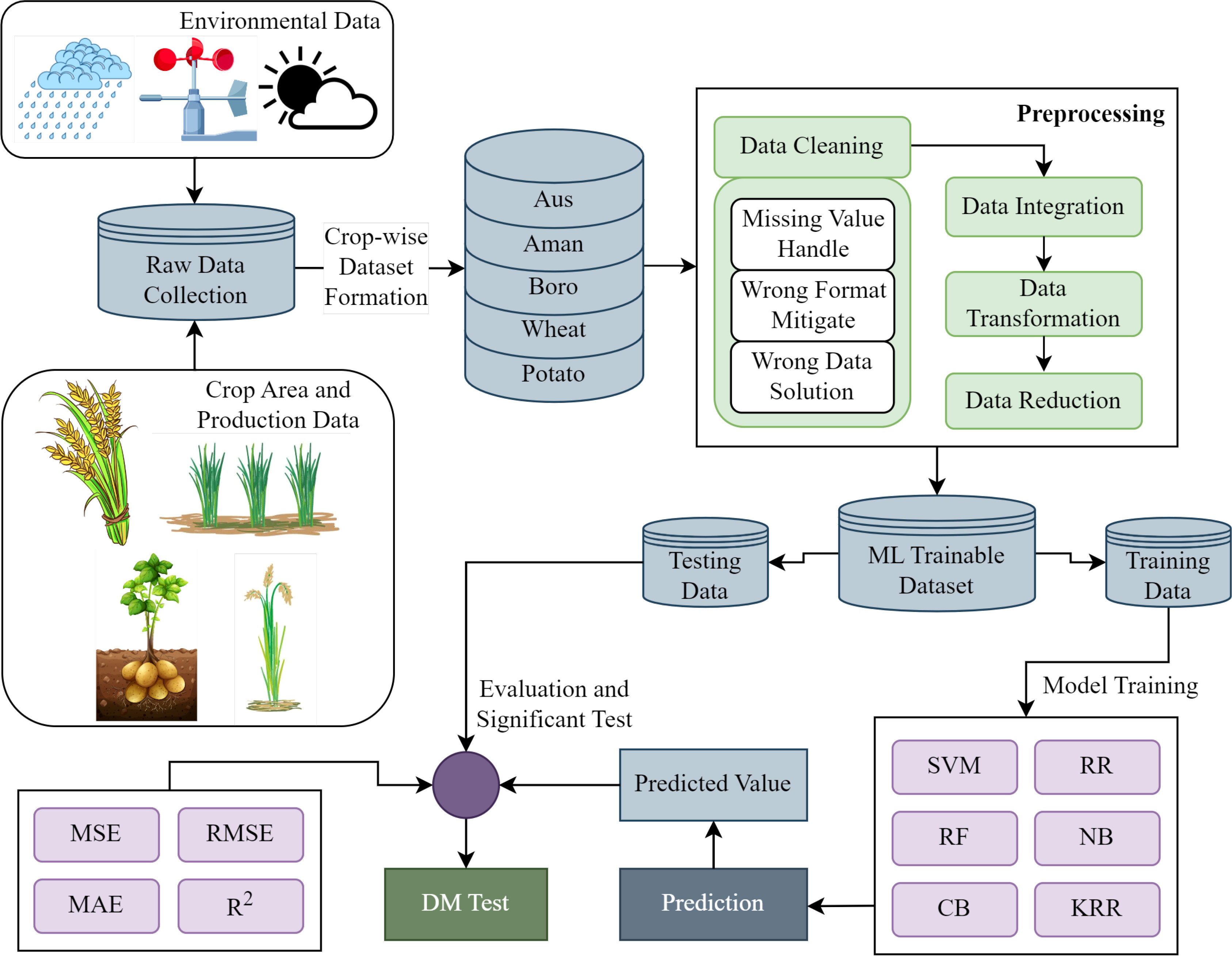
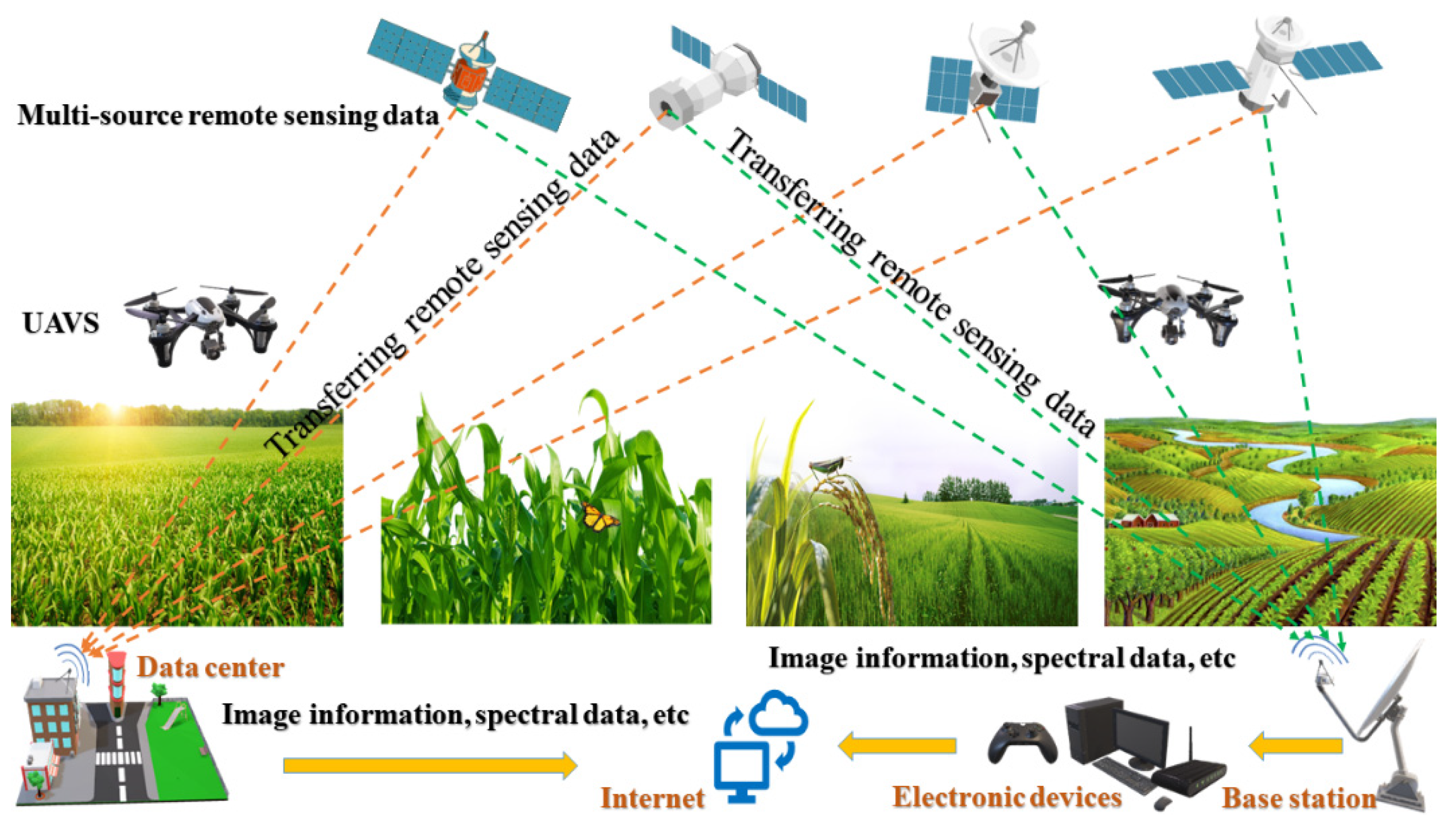
To understand how machine learning functions within a 2026 agricultural context, one must look at the data pipeline that feeds these systems. The process typically begins with data acquisition from heterogenous sources: Internet of Things (IoT) sensors, tractor-mounted cameras, multispectral satellite feeds, and historical meteorological records.
Computer Vision and Image Recognition
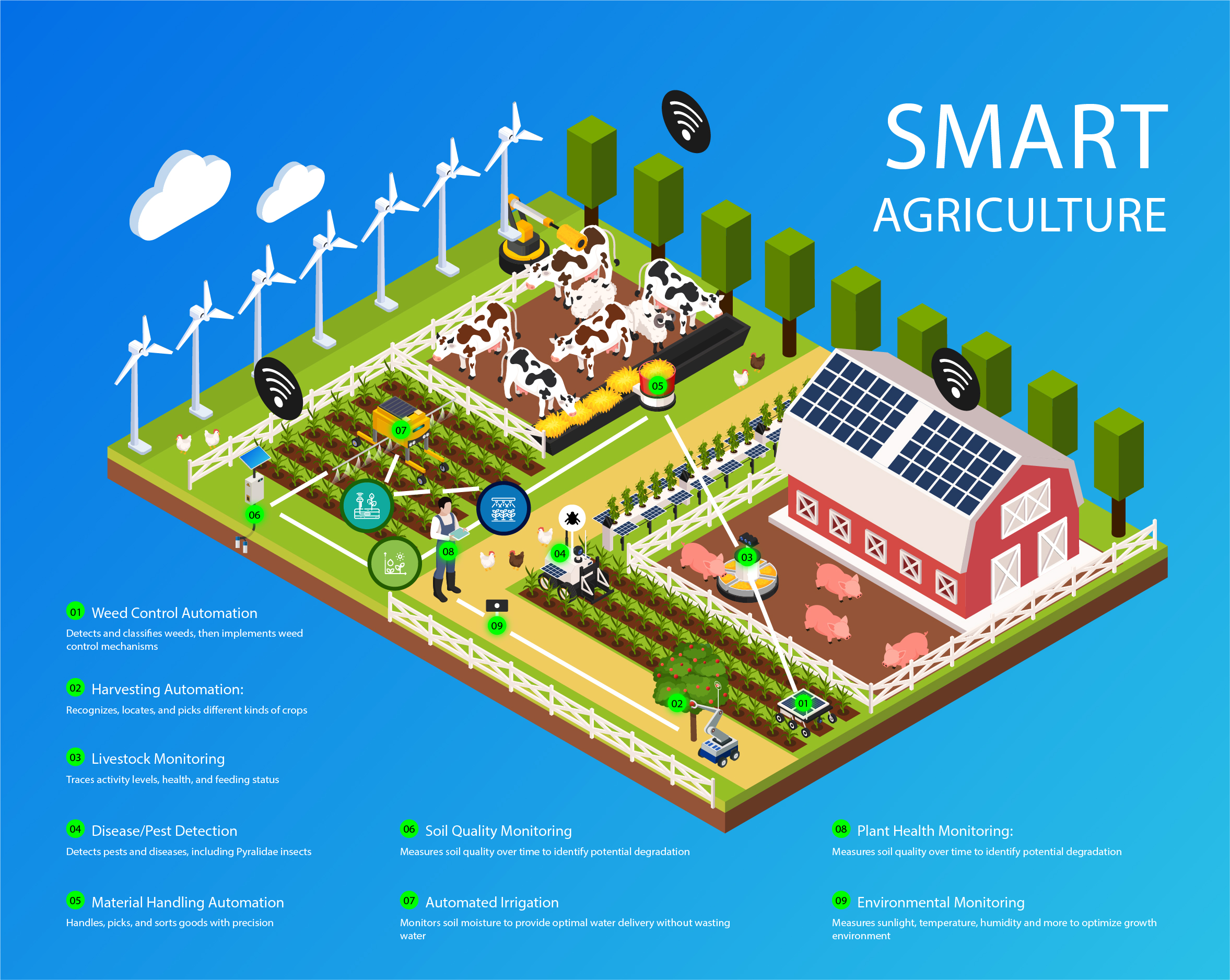
Computer vision (CV) is perhaps the most visible application of ML in the field. Using Convolutional Neural Networks (CNNs), systems can now identify pests, diseases, and nutrient deficiencies with a precision that exceeds human capability. By training models on millions of labeled images, these systems can distinguish between a weed and a crop seedling at early growth stages. This allows for "see-and-spray" technology, where herbicides are applied only to the weed, reducing chemical usage by up to 90% in some cereal crops.
Predictive Analytics and Yield Forecasting
Predictive modeling utilizes Recurrent Neural Networks (RNNs) and Long Short-Term Memory (LSTM) architectures to process time-series data. In 2026, yield forecasting has reached a level of granularity where farmers can predict harvest volumes weeks in advance with a 95% confidence interval. These models factor in soil moisture, nitrogen levels, heat units (Growing Degree Days), and localized weather patterns. This information is vital not just for farm management, but for global supply chain logistics and commodity pricing.
Primary Applications of Machine Learning in 2026 Agriculture
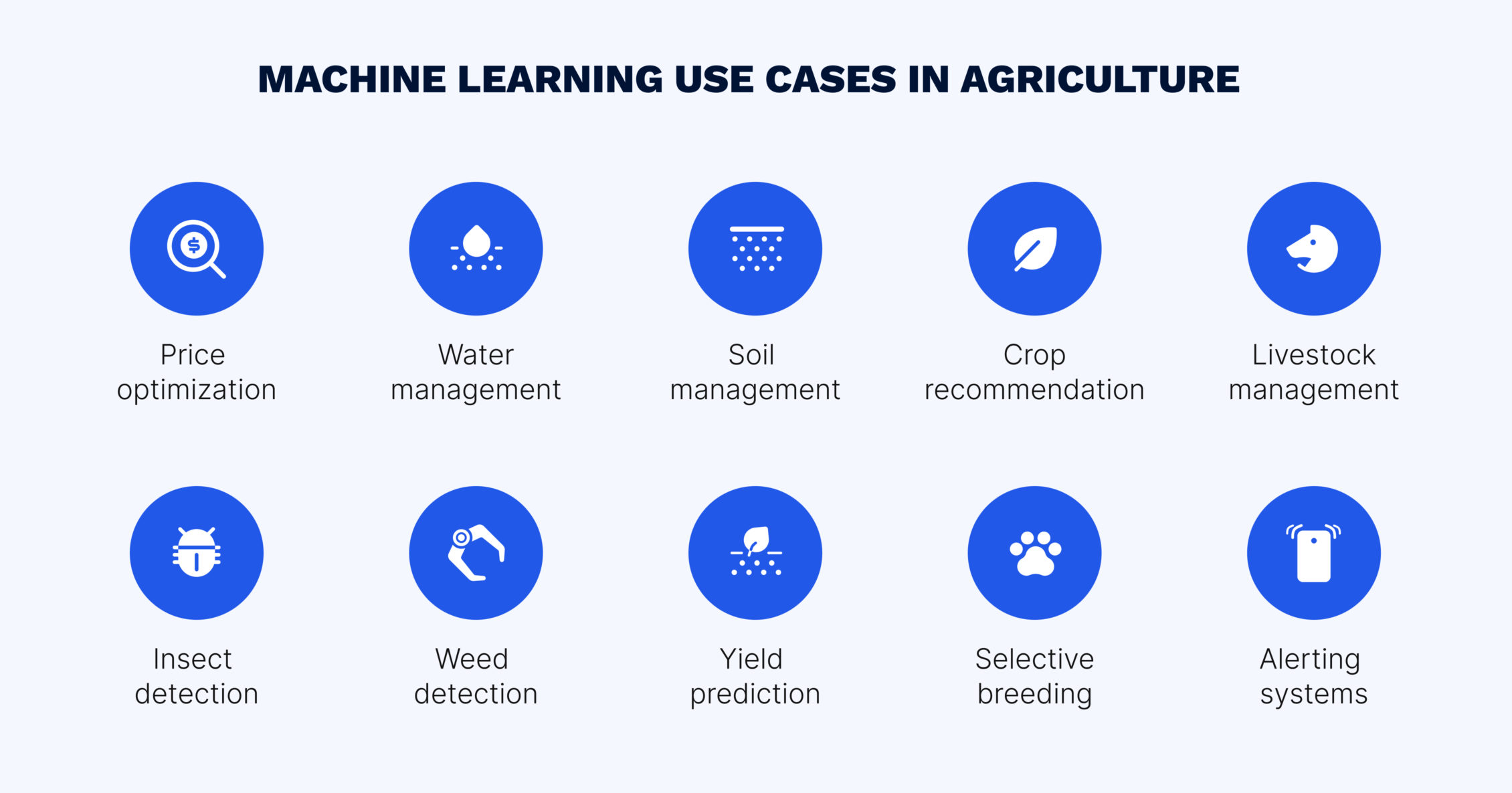
The application of ML is broad, touching every stage of the agricultural lifecycle from seed development to post-harvest logistics.
1. Precision Soil and Nutrient Management
Traditional farming often relied on uniform application of fertilizers across a field. ML models now create dynamic "prescription maps." By analyzing soil sensors and historical yield data, algorithms determine the exact milligram of nitrogen or phosphorus required for a specific square meter of soil. This prevents nutrient leaching—a major environmental concern—and optimizes the cost-to-yield ratio.
2. Autonomous Robotics and Harvesting
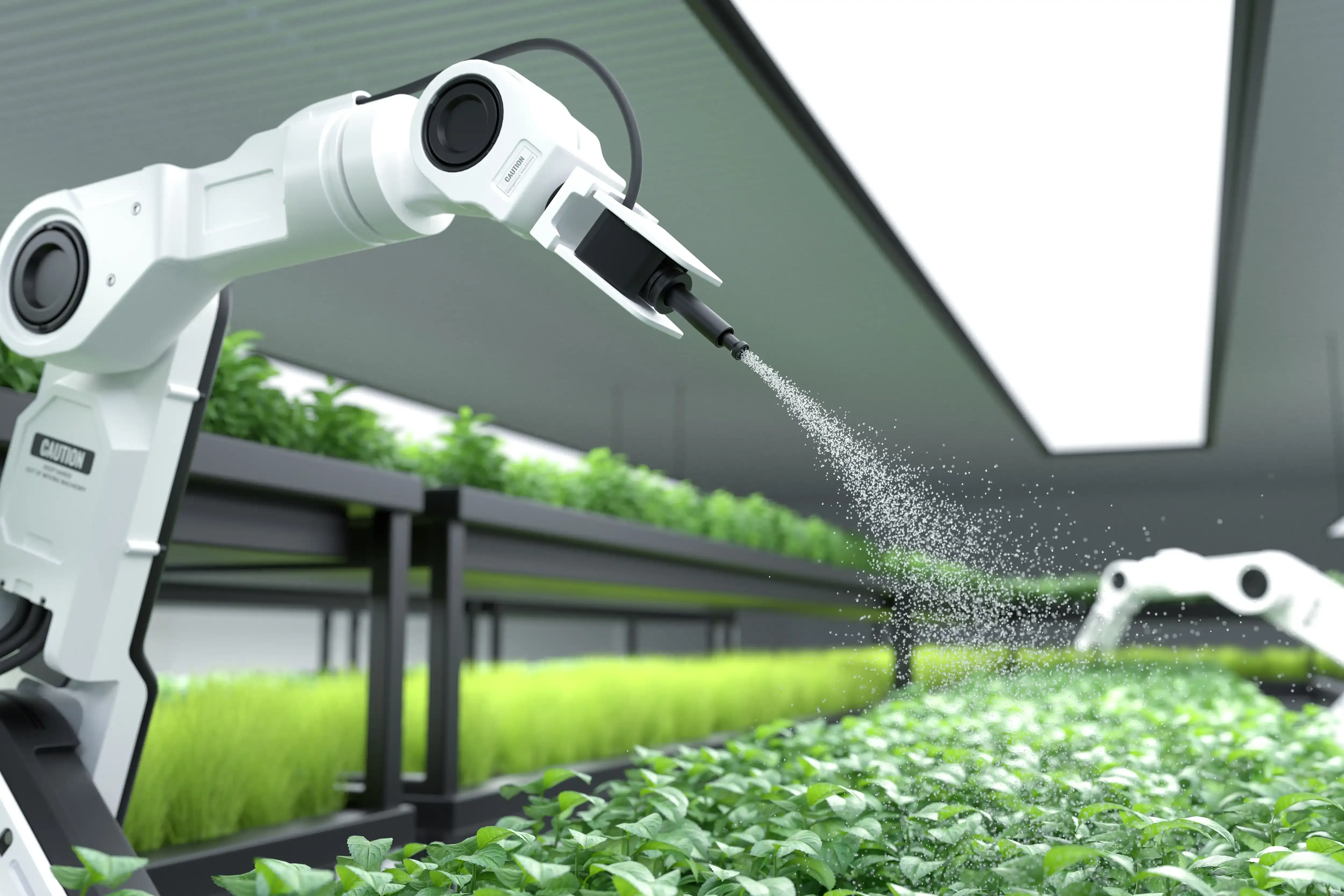
The labor shortages that plagued the early 2020s have accelerated the adoption of ML-driven robotics. Autonomous harvesters for delicate crops like strawberries or citrus fruit use reinforcement learning to refine their "grip" and movement. These robots learn through trial and error in simulated environments before being deployed, allowing them to handle produce without bruising while operating 24/7.
3. Livestock Health and Behavior Monitoring
Machine learning is not limited to crops. In the livestock sector, wearable sensors and overhead cameras feed data into behavior-analysis models. These systems can detect the early onset of respiratory infections or lameness in cattle days before physical symptoms are visible to a human handler. By identifying changes in rumination patterns or movement, ML assists in maintaining high animal welfare standards while reducing the need for prophylactic antibiotics.
4. Genetic Research and Seed Optimization
Generative models are now used by biotechnologists to simulate millions of genetic combinations to develop drought-resistant and pest-resistant crop varieties. Instead of waiting for multiple growing seasons to see results, researchers use ML to predict how specific genetic markers will react to environmental stressors, significantly shortening the R&D cycle for new cultivars.
Comparative Analysis of Machine Learning Techniques in Agriculture
The following table outlines the common ML methodologies utilized in the industry and their primary use cases as of 2026.
| ML Technique | Primary Algorithm Examples | Agricultural Use Case | Key Benefit |
|---|---|---|---|
| Supervised Learning | Random Forest, SVM, CNN | Disease identification, Weed detection | High accuracy in labeled classification tasks |
| Unsupervised Learning | K-Means Clustering, PCA | Soil zone mapping, Satellite data compression | Discovering hidden patterns in raw sensor data |
| Reinforcement Learning | Q-Learning, PPO | Robotic harvesting, Autonomous tractor navigation | Optimized decision-making in dynamic environments |
| Deep Learning | LSTM, Transformers | Multi-season yield prediction, Agri-GPT assistants | Handling complex, non-linear temporal data |
The Role of Edge AI and 5G Connectivity
One of the significant shifts in 2026 is the move from cloud-based processing to Edge AI. In previous years, the latency involved in sending high-resolution drone imagery to a central server was a bottleneck. Today, powerful AI chips integrated directly into farm machinery allow for real-time processing.
A sprayer moving at 20 km/h must process images and trigger nozzles in milliseconds. Edge computing makes this possible by running "pruned" or "quantized" versions of heavy models directly on the hardware. This is supported by expanded 5G and satellite internet constellations (like Starlink), which provide the high-bandwidth backbone necessary for syncing these edge devices with the farm's central management system.
Economic and Environmental Impact
The transition to ML-driven agriculture is driven by two main factors: profitability and sustainability.
- Input Reduction: By precisely targeting inputs, farmers significantly reduce their expenditure on water, fuel, seeds, and chemicals. In many regions, this has led to a 15-20% increase in net profit margins.
- Carbon Sequestration Tracking: Machine learning models now play a crucial role in carbon credit markets. By analyzing soil data and tillage practices, ML can verify the amount of carbon being sequestered by a specific farm, providing a secondary revenue stream for producers who adopt regenerative practices.
- Waste Mitigation: Better yield forecasting allows for more efficient logistics. When a grain elevator knows exactly how much wheat to expect, they can optimize transportation, reducing the carbon footprint of the entire food supply chain and minimizing post-harvest spoilage.
Implementation Challenges and Limitations
Despite the advancements, implementing machine learning in agriculture is not without its hurdles.
Data Privacy and Ownership
A recurring point of contention is the ownership of the data generated by farm machinery. Farmers are often hesitant to share their proprietary yield data with equipment manufacturers, fearing it could be used to manipulate land prices or seed costs. In 2026, decentralized data platforms and "Federated Learning"—where models are trained across multiple farms without sharing raw data—are emerging as solutions to this privacy dilemma.
Technical Debt and Interoperability
As farmers adopt tools from different vendors, interoperability becomes a challenge. A John Deere tractor may use different data formats than a DJI drone or a Bosch soil sensor. Standardizing these protocols is an ongoing effort led by organizations like the Open Agriculture Data Alliance. Without standardized data, the "ML engine" of the farm becomes fragmented and less effective.
High Initial CAPEX
The hardware required for high-end ML—LiDAR, multispectral cameras, and high-performance computing units—remains expensive. While the long-term ROI is proven, the initial capital expenditure (CAPEX) can be a barrier for small-to-medium-sized enterprises (SMEs). This has led to the rise of "Agriculture-as-a-Service" (AaaS), where companies lease ML-equipped robots to farmers on a per-acre basis.
Practical Guidance: Starting with Agricultural ML
For producers or agronomists looking to integrate machine learning into their operations in 2026, a phased approach is recommended:
- Data Auditing: Before deploying models, ensure you have clean, historical data. Digitizing paper records and ensuring GPS coordinates are accurate is the first step.
- Infrastructure Investment: Prioritize connectivity. Reliable field-wide Wi-Fi or cellular coverage is the foundation for real-time ML applications.
- Pilot Programs: Start with a high-ROI application like variable-rate nitrogen application or automated pest scouting. These provide measurable financial benefits quickly, justifying further investment.
- Vendor Vetting: Ensure that any ML platform you adopt offers data portability. Avoid "vendor lock-in" by choosing systems that can export data in standard formats like ISOXML or JSON.
Frequently Asked Questions
Does machine learning replace the need for agronomists?
No. Machine learning acts as a decision-support tool that enhances the capabilities of agronomists. While the AI can identify patterns and anomalies, the human expert provides the contextual understanding of local ecology, government regulations, and long-term land management strategy. ML handles the "what" and "where," while the agronomist focuses on the "why" and "what next."
How accurate is yield prediction using ML?
In 2026, yield prediction accuracy typically ranges between 92% and 98% when the model has access to high-quality historical data and real-time weather feeds. However, "black swan" events like extreme unpredicted weather shifts can still impact these models, though ensemble modeling (combining multiple AI models) has significantly mitigated these errors.
What is the minimum farm size needed for ML to be cost-effective?
With the advent of modular sensors and AaaS models, ML is becoming viable for farms as small as 50-100 acres. While large-scale broadacre farms (1,000+ acres) see the fastest ROI due to economies of scale, specialized high-value crops (vineyards, orchards) can see an ROI on much smaller plots due to the high cost of manual labor and inputs.
Is agricultural ML "biased"?
AI models can be biased if they are trained on data from a specific geographical region and then applied to another. For example, a model trained on North American corn varieties might underperform on African maize varieties due to differences in soil types and climate. Modern ML developers address this through "transfer learning," where a base model is fine-tuned with local data.
How does ML contribute to climate-smart agriculture?
ML enables "Climate-Smart Agriculture" by optimizing resource use efficiency. By using exactly the amount of water and fertilizer needed, farmers reduce their environmental footprint. Furthermore, ML models help predict how climate change will shift growing zones, allowing farmers to pivot to more suitable crop varieties before a crisis occurs.
Future Outlook
As we look toward the end of the decade, the evolution of agriculture machine learning will likely focus on Multimodal Foundation Models. These are "all-in-one" AI systems that can understand text, images, and sensor data simultaneously, providing farmers with a conversational interface for their entire operation. Imagine asking your farm's AI, "Which sections of the north field are at risk of fungal growth given the 80% humidity forecast for Tuesday?" and receiving a precise, map-based response with a suggested treatment plan.
The shift from reactive to proactive, and finally to autonomous farming, is the defining trend of the 2020s. For the modern producer, machine learning is no longer a futuristic concept—it is the essential tool for building a resilient, profitable, and sustainable agricultural enterprise.