Agricultural systems are complex socio-ecological frameworks that integrate biological, environmental, and socio-economic components to produce food, fiber, and fuel. These systems function through the interaction of land, labor, capital, and technology, evolving to meet global demand while increasingly prioritizing environmental resilience and resource efficiency across diverse climatic zones and economic landscapes.
The Conceptual Framework of Agricultural Systems
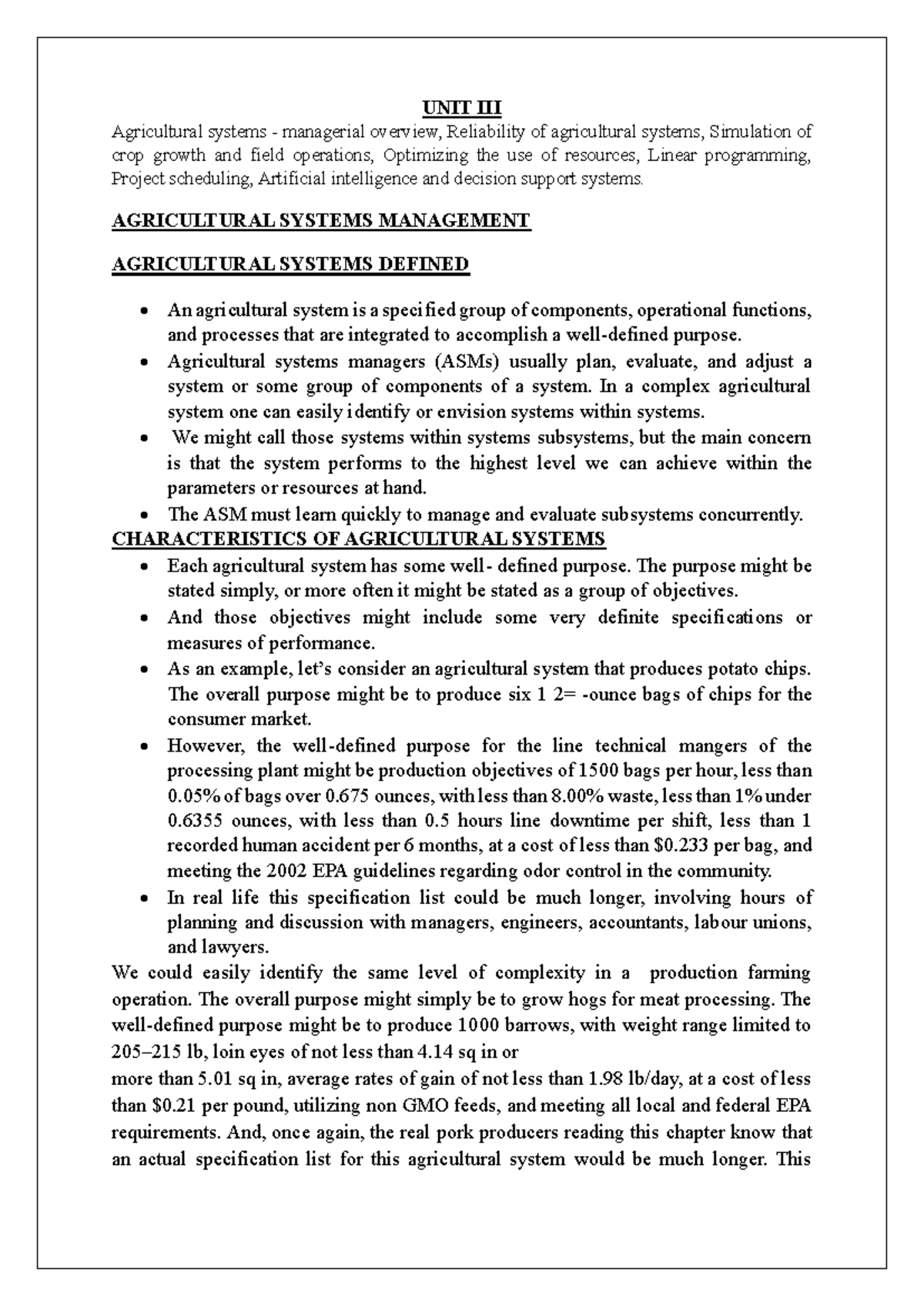
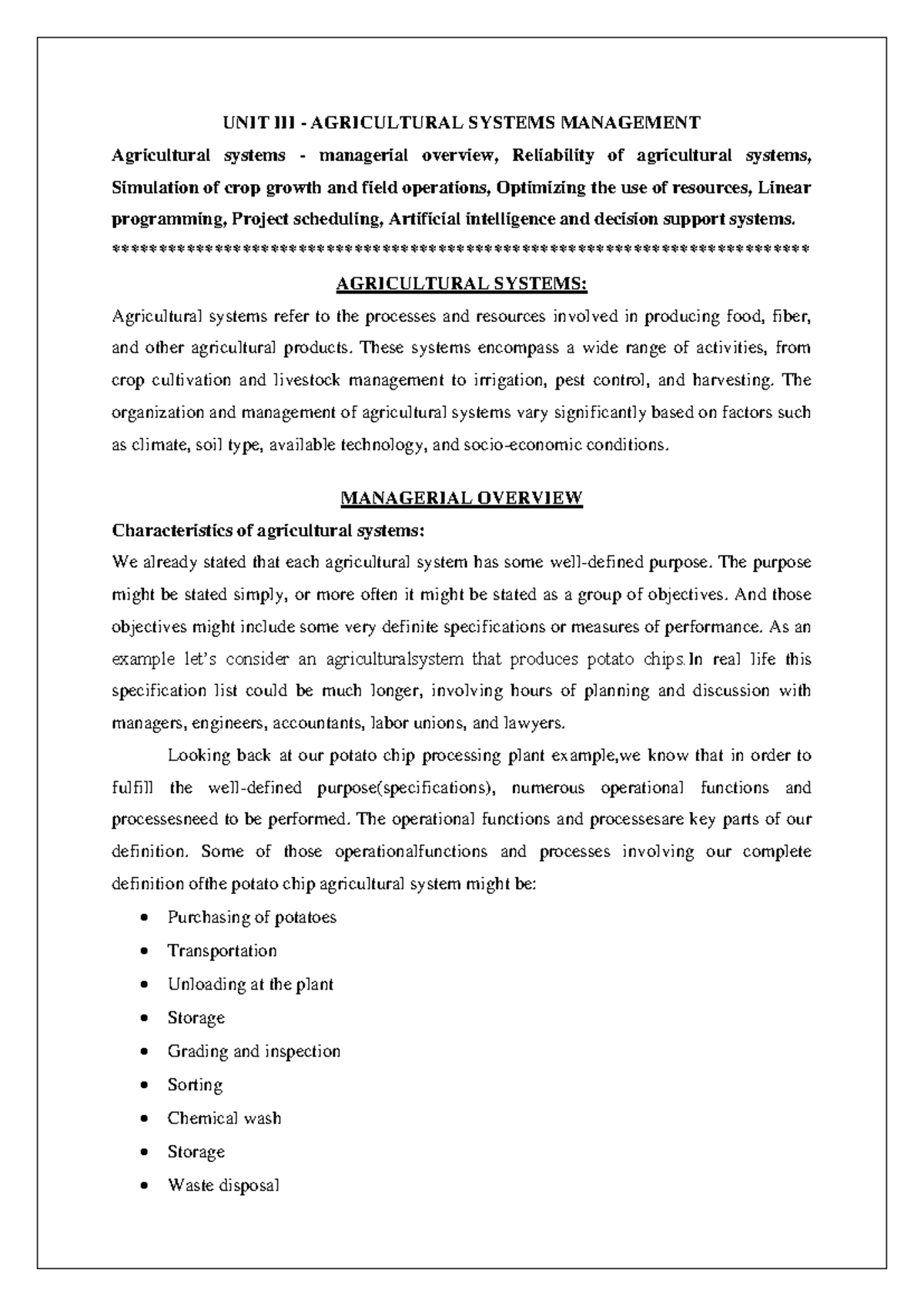
An agricultural system is more than just a set of farming practices; it is a holistic unit where various components interact to achieve a specific production goal. To understand these systems in 2026, one must apply systems thinking, which views the farm not as an isolated entity but as a node within a larger web of global supply chains, ecological cycles, and regulatory frameworks.
The fundamental structure of any agricultural system involves inputs, processes, and outputs. Inputs include natural resources like sunlight, soil nutrients, and water, alongside human-controlled factors such as seeds, fertilizers, machinery, and labor. Processes encompass the management of these inputs—tillage, planting, irrigation, pest control, and harvesting. The outputs are the primary products (crops, meat, dairy) and secondary outcomes, which may include environmental impacts such as carbon sequestration or, conversely, nutrient runoff.
In 2026, the definition has expanded to include "circularity." Modern systems are evaluated by their ability to recycle waste products back into the production cycle, such as using anaerobic digesters to convert livestock waste into energy and organic fertilizer. This systemic approach helps researchers and policymakers identify leverage points where a small change in management can lead to significant improvements in yield or sustainability.
Classification of Agricultural Systems
Classification allows for a structured analysis of how food is produced globally. While dozens of sub-categories exist, agricultural systems are primarily categorized by their intensity, scale, and market orientation.
Intensive vs. Extensive Systems
Intensive agricultural systems are characterized by high levels of input per unit of land. These systems, common in regions with high population density or high land values, utilize significant amounts of capital, labor, and technology to maximize yield. Examples include greenhouse horticulture in the Netherlands or high-density rice paddies in Southeast Asia.
Conversely, extensive systems rely on large land areas with relatively low inputs. Traditional pastoralism and large-scale grain farming in semi-arid regions are classic examples. In these systems, the output per hectare is lower, but the output per unit of labor or capital can be quite high due to the sheer scale of operation.
Subsistence vs. Commercial Systems
The distinction between subsistence and commercial farming remains a critical divide in global agriculture. Subsistence systems are designed primarily to feed the farmer’s family, with little surplus for market sale. These systems often utilize polycultures (growing multiple crops together) to minimize risk.
Commercial systems are market-driven, focusing on specialized production (monocultures) to achieve economies of scale. In 2026, the line between these two is blurring as "commercial smallholders" in developing economies gain better access to digital marketplaces and micro-financing, allowing them to transition from pure subsistence to profitable market participation.
Industrial vs. Regenerative Systems
Industrial agriculture, the dominant paradigm of the 20th century, focuses on standardization, mechanization, and chemical inputs. While highly productive, it has faced criticism for soil degradation and biodiversity loss.
Regenerative agricultural systems have gained significant traction by 2026. These systems prioritize soil health, carbon sequestration, and water retention. Techniques such as no-till farming, cover cropping, and integrated livestock grazing are used not just to produce food, but to restore the ecosystem services that the farm depends upon.
Key Components of Global Agricultural Frameworks
To analyze an agricultural system, one must dissect its three primary pillars: biotic factors, abiotic factors, and socio-economic drivers.
Biotic Factors
The biotic component includes the crops, livestock, and beneficial or harmful organisms (pests, pollinators, soil microbes). In 2026, the role of the "soil microbiome" is recognized as a cornerstone of agricultural productivity. Systems that foster diverse microbial communities are found to require fewer synthetic fertilizers because the microbes facilitate nutrient uptake more efficiently.
Abiotic Factors
Climate, soil topography, and water availability form the abiotic foundation. Agricultural systems are fundamentally limited by these factors, though technology can mitigate some constraints. For instance, irrigation systems transform arid landscapes into productive agricultural zones, but these systems are increasingly under pressure due to depleting aquifers and shifting rainfall patterns.
Socio-Economic Drivers
Agriculture does not exist in a vacuum. It is shaped by land tenure laws, government subsidies, market prices, and consumer preferences. In 2026, the "Social License to Operate" has become a vital component of agricultural systems. Farmers must demonstrate not only economic viability but also ethical labor practices and animal welfare standards to maintain access to premium global markets.
Major Types of Farming Systems
According to classifications used by the Food and Agriculture Organization (FAO) and the World Bank, global agriculture can be broken down into distinct regional systems.
| System Type | Primary Inputs | Geographic Prevalence | Scale of Operation | Environmental Impact |
|---|---|---|---|---|
| Irrigated Lowland Rice | High water, fertilizer, labor | East and Southeast Asia | Small to Medium | Methane emissions, high water use |
| Cereal-Root Crop Mixed | Rainfall, labor, organic matter | Sub-Saharan Africa | Smallholder | Soil nutrient depletion |
| Commercial Grain | Machinery, chemicals, GPS tech | North America, Ukraine, Australia | Large Scale | High carbon footprint, soil erosion |
| Agro-Pastoral | Livestock, natural forage, grains | Sahel, Central Asia | Extensive/Mobile | Land degradation if overgrazed |
| Urban/Peri-Urban | Hydroponics, LED, recycled water | Global Metropolises | Highly Intensive | Low footprint, high energy use |
| Agroforestry | Trees, perennial crops, livestock | Tropics and Mediterranean | Medium | High biodiversity, carbon sink |
Rainfed vs. Irrigated Systems
Rainfed systems account for the majority of the world's agricultural land and are the most vulnerable to climate variability. These systems are prevalent in the "cereal belt" of the world. Irrigated systems, while covering less land, provide nearly 40% of the world's food. In 2026, "precision irrigation"—using sensors to deliver water only when and where it is needed—is a standard requirement in water-stressed regions.
Highland and Hill Systems
These systems are defined by topography. They are often diverse, incorporating forestry, livestock, and specialized crops (like coffee or tea). Management in these systems focuses heavily on erosion control and watershed protection.
Technological Integration and Precision Agriculture in 2026
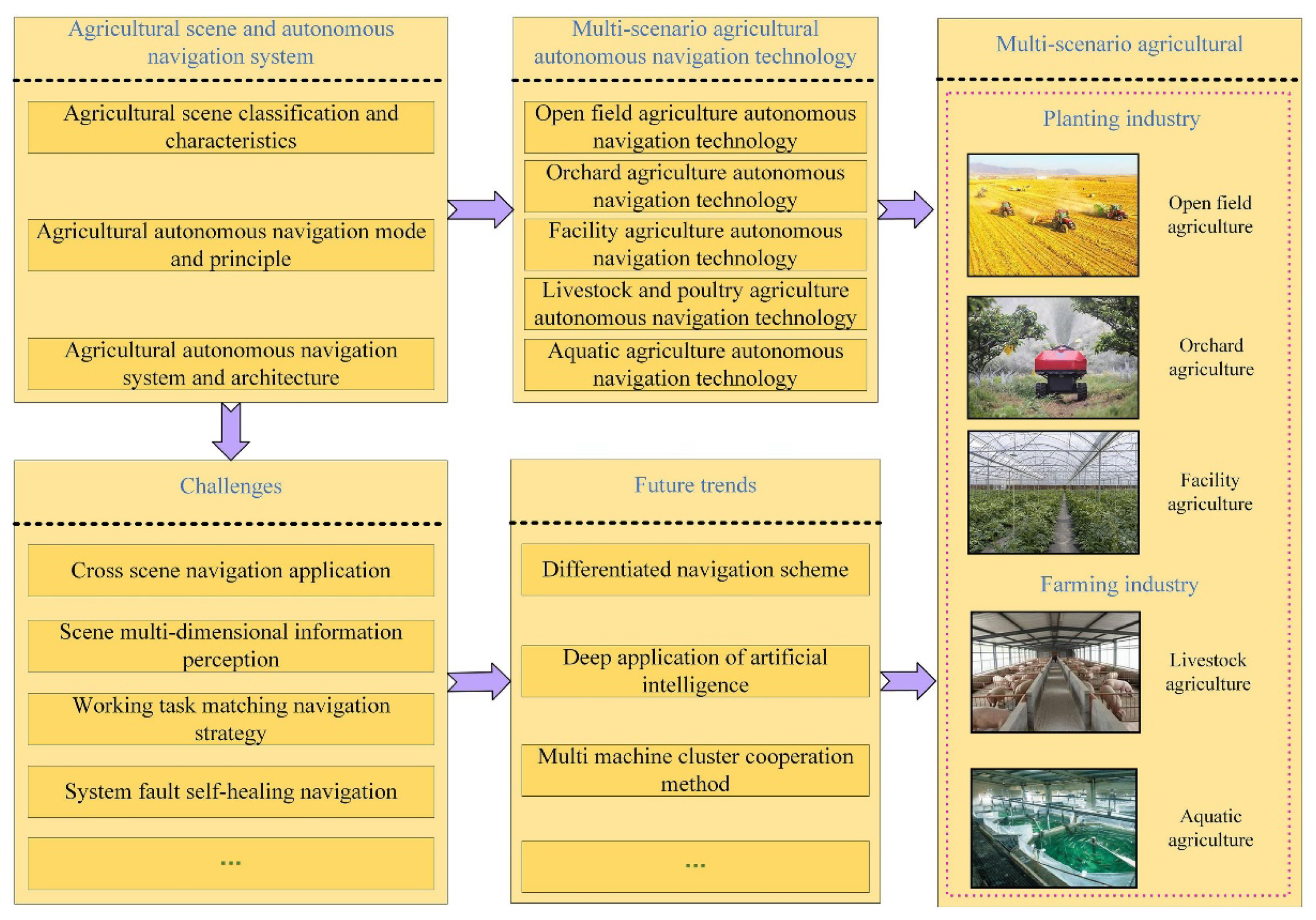
The year 2026 marks a turning point where "Smart Agriculture" has transitioned from a niche luxury to a baseline operational requirement in many parts of the world. Agricultural systems now integrate the Internet of Things (IoT), autonomous machinery, and satellite imagery to create "digital twins" of the farm.
Autonomous Systems and Robotics
Labor shortages in rural areas have accelerated the adoption of robotics. Small, autonomous "swarm" robots are now used for precision weeding, reducing the need for broad-spectrum herbicides. These robots can operate 24/7, navigating between rows of crops without compacting the soil as much as traditional heavy tractors.
Data-Driven Decision Support
Modern systems rely on massive data sets. Machine learning algorithms analyze weather patterns, soil moisture, and historical yield data to provide real-time recommendations to farmers. This "Prescriptive Planting" ensures that seeds are placed at the optimal depth and density for the predicted growing conditions of the season.
Controlled Environment Agriculture (CEA)
Vertical farming and advanced greenhouses represent the most intensive end of the agricultural system spectrum. By 2026, these systems have moved beyond leafy greens to include berries and some root vegetables. CEA systems decouple production from local climate constraints, allowing for year-round harvesting and reduced transportation costs by locating production near urban centers.
Challenges to Modern Agricultural Systems
Despite technological advancements, agricultural systems face unprecedented pressures. The resilience of these systems is tested by three primary factors:
- Climate Instability: Increasing frequencies of extreme weather events—droughts, floods, and heatwaves—disrupt traditional growing seasons. Systems that were stable for centuries are now forced to adapt by changing crop varieties or investing in expensive protective infrastructure.
- Resource Scarcity: The "Big Three" resources—water, land, and phosphate—are becoming harder to access. Agriculture accounts for roughly 70% of global freshwater withdrawals, a figure that is increasingly unsustainable.
- Pathogen Evolution: The global movement of goods and people has facilitated the rapid spread of agricultural pests and diseases. Systems that rely on high genetic uniformity (monocultures) are particularly vulnerable to catastrophic failures, necessitating a return to greater crop diversity.
Socio-Economic Impacts and Food Security
Agricultural systems are the primary source of livelihood for over 1 billion people. The structure of these systems determines food price stability and accessibility. In 2026, there is a renewed focus on "Food Sovereignty," where local communities have more control over their agricultural systems rather than being entirely dependent on global commodity markets.
Furthermore, the "Bioeconomy" is expanding the role of agriculture. Farms are no longer just food factories; they are energy producers (biogas and biofuels) and carbon sinks. The integration of "Carbon Credits" into the agricultural system provides a new revenue stream for farmers, incentivizing practices that pull CO2 out of the atmosphere and store it in the soil.
Frequently Asked Questions
What is the difference between a farming system and an agricultural system?
A farming system usually refers to the specific management and biological interactions within a single farm unit. An agricultural system is a broader term that encompasses the entire value chain, including the ecological environment, the farming units, the processing industry, and the socio-economic policies that govern them.
How do agricultural systems contribute to climate change?
Agricultural systems contribute to climate change through the emission of greenhouse gases. Ruminant livestock produce methane (CH4), rice paddies emit methane through anaerobic decomposition, and the use of nitrogen fertilizers leads to the release of nitrous oxide (N2O). Additionally, land-use changes like deforestation for cattle ranching release stored carbon.
Can smallholder agricultural systems be as efficient as large-scale industrial ones?
Yes, in terms of "yield per hectare," smallholder systems often outperform large-scale farms because they use labor more intensively and often practice intercropping. However, large-scale industrial systems are generally more "labor-efficient," meaning they produce more food per hour of human work. Efficiency is defined differently depending on whether you value land, labor, or capital most.
What is "Smart Agriculture" in the context of 2026?
In 2026, Smart Agriculture refers to the seamless integration of digital technology into the farming cycle. This includes using AI to predict pest outbreaks, using drones for targeted nutrient application, and utilizing blockchain for transparent supply chain tracking from the farm to the consumer's plate.
Why is biodiversity important in agricultural systems?
Biodiversity provides "ecosystem services" that synthetic inputs cannot easily replicate. Beneficial insects provide natural pest control and pollination. A diverse range of soil organisms maintains nutrient cycling. Genetic diversity in crops ensures that if one variety fails due to a new disease or weather event, others may survive, providing a safety net for food security.
Practical Recommendation for System Management
For stakeholders looking to optimize or transition their agricultural systems in 2026, the primary focus should be on increasing system modularity and diversity. Relying on a single crop or a single water source creates a high-risk environment.
Practical steps include:
- Conducting a Resource Audit: Identify the most constrained resource (usually water or soil organic matter) and prioritize its preservation.
- Integrating Perennials: Adding trees or perennial grasses can stabilize soil and provide secondary income streams.
- Adopting Digital Monitoring: Even low-cost sensors can provide data that prevents over-fertilization, saving money and protecting local waterways.
- Strengthening Local Value Chains: Reducing the distance between production and consumption buffers the system against global supply chain shocks.