Most senior final expense life insurance policies are available to individuals between the ages of 50 and 85, though specific eligibility windows vary by insurance carrier. These policies are designed to cover end-of-life costs such as funeral expenses, medical bills, and outstanding debt. Understanding age restrictions is the first step in ensuring you select a plan that fits your current health status and financial goals in 2026.
Understanding Final Expense Insurance
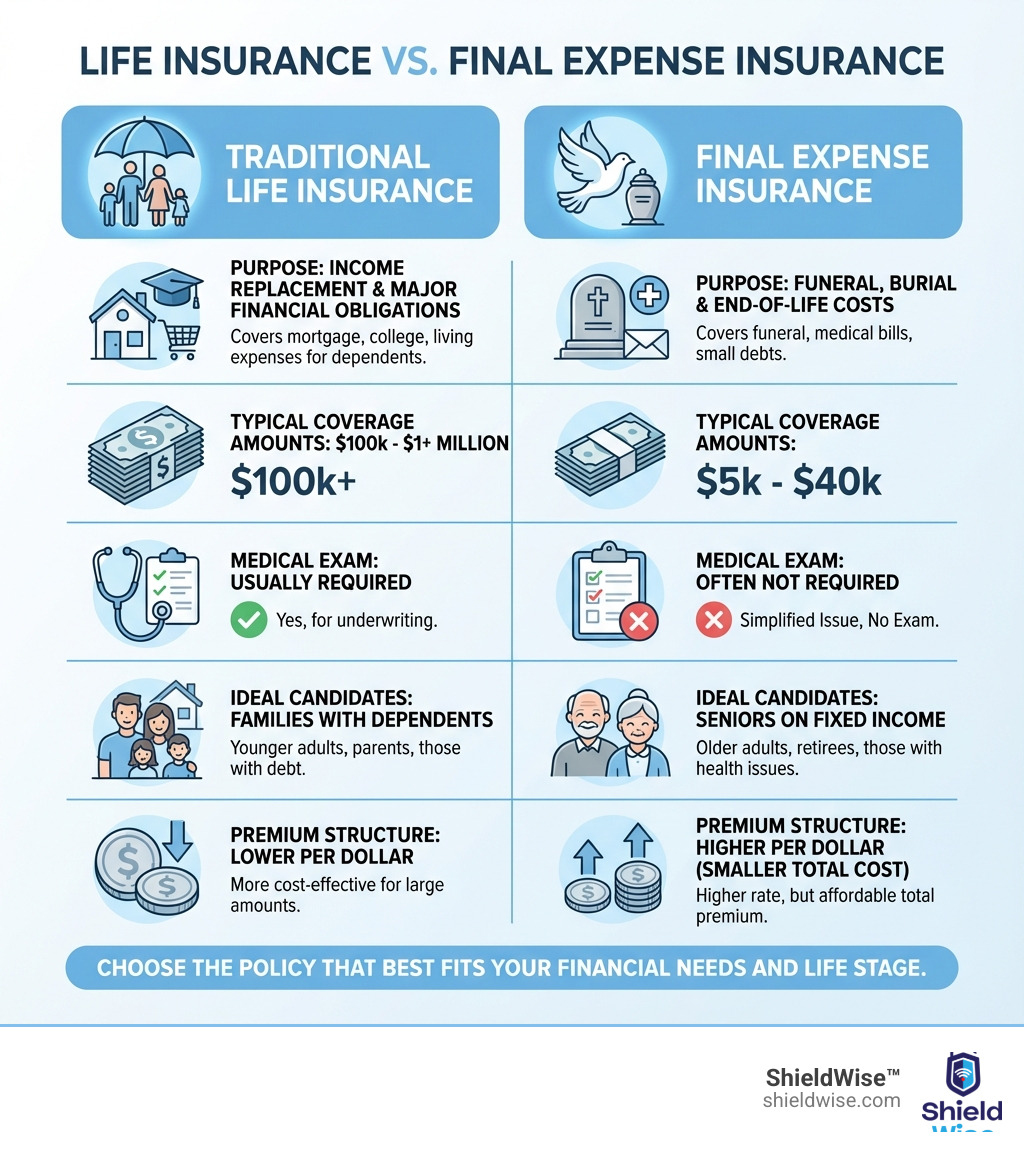
Final expense life insurance, often referred to as burial insurance or funeral insurance, is a specific type of permanent life insurance. Unlike term life insurance, which provides coverage for a set number of years, final expense policies are designed to remain in force for the duration of the insured’s life, provided premiums are paid.
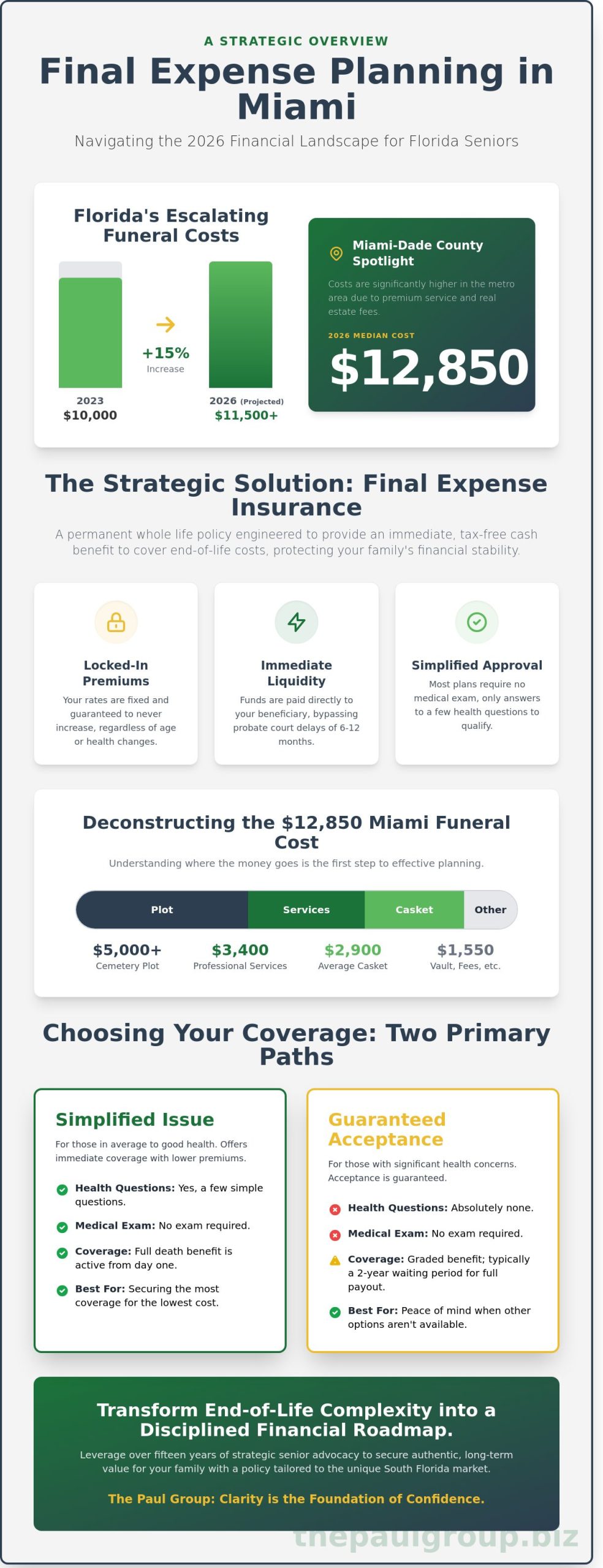
Because these policies typically offer smaller death benefits—often ranging from $2,000 to $50,000—they are easier to qualify for than traditional whole life insurance. The primary objective is to alleviate the financial burden placed on surviving family members upon the death of the policyholder. For many seniors, this provides peace of mind, knowing that funds will be available immediately to cover cemetery plots, caskets, cremation services, or final medical expenses.
The Standard Age Spectrum for Coverage
In the current insurance market, the age range for applicants is generally segmented to reflect different levels of underwriting risk. Most carriers adhere to the following age structures:
- Entry-Level (Age 50): Most companies begin offering final expense products at age 50. This is the point at which many individuals begin to consider their long-term estate planning.
- Maximum Issue Age (Age 80–85): While some specialized carriers may accept applicants up to age 90, the industry standard for a wide selection of competitive products caps entry at age 85.
- The "Age Last Birthday" vs. "Age Nearest Birthday" Rule: It is critical to understand how a company calculates your age. Some insurers use your age as of your last birthday, while others round to your nearest birthday. If you are approaching your next birthday, applying before that date might save you money or keep you within the eligibility window for a preferred policy tier.
Underwriting Types and Age Impact
Age requirements are inextricably linked to the type of underwriting required by the insurer. The depth of the health questions asked will often depend on your age at the time of application.
Simplified Issue
This is the most common path for seniors. It requires answering a series of health questions, but does not require a medical exam. Most carriers allow applicants up to age 85 for this tier. Because the insurer takes on more risk by skipping a physical, they may implement a "graded death benefit" for certain health conditions, even if the age requirement is met.
Guaranteed Issue
If you have significant health issues that prevent you from qualifying for a Simplified Issue policy, you may turn to Guaranteed Issue insurance. There are no health questions or medical exams. However, age limits are strictly enforced, and there is almost always a "waiting period." If the insured dies of non-accidental causes during the first two to three years of the policy, the beneficiary may only receive a return of premiums paid plus interest, rather than the full face value.
Fully Underwritten
These policies require a medical exam. While they offer the lowest premiums, they are rarely used for small-balance final expense needs and are usually reserved for larger whole life insurance policies. Age requirements for these are more rigid, and applicants over age 75 may find it increasingly difficult to qualify for "Preferred" rating classes.
Factors Influencing Eligibility Beyond Age
While age is a primary gatekeeper, it is rarely the only factor. Insurers examine the following variables in conjunction with your date of birth:
- Health History: Recent surgeries, chronic conditions like diabetes or heart disease, and prescription drug history are evaluated.
- Tobacco Use: Even if you meet the age requirements, using tobacco products can significantly increase your premium or, in some cases, disqualify you from certain "level death benefit" plans.
- Residency: Insurance is regulated at the state level. An insurer may offer a policy to an 80-year-old in one state but not in another due to local regulatory differences or market penetration strategies.
- Financial Capacity: Carriers require that you demonstrate the ability to pay the ongoing premiums. If a policy is issued, the insurer wants assurance that it will not lapse due to non-payment.
Comparison Table: General Policy Characteristics by Age
| Policy Type | Typical Age Limit | Health Questions | Waiting Period | Best For |
|---|---|---|---|---|
| Simplified Issue | 50–85 | Yes (Brief) | None (Immediate) | Generally healthy seniors |
| Guaranteed Issue | 50–80 | No | 2–3 Years | Seniors with health issues |
| Graded Benefit | 50–85 | Minimal | Varies | High-risk applicants |
Common Mistakes When Applying for Coverage
Navigating the insurance market as a senior can be overwhelming. Avoiding these common pitfalls can ensure a smoother application process:
- Waiting Until Health Declines: The most significant mistake is waiting until a major health event occurs to start looking for coverage. Once a condition is diagnosed, your options shift toward Guaranteed Issue, which is significantly more expensive and carries a mandatory waiting period.
- Ignoring the Waiting Period: Many seniors realize too late that their policy has a two-year waiting period. If your goal is to cover immediate costs, you must ensure you qualify for "Day One" coverage.
- Miscalculating Funeral Costs: Underestimating the total cost of final arrangements can leave your family with an out-of-pocket balance even after the death benefit is paid. Factor in rising inflation for services in 2026 and beyond when determining your coverage amount.
- Overlooking Beneficiary Designations: Ensure your beneficiaries are clear. If you leave the policy to a minor or do not update your beneficiary after a major life change, the payout process can be significantly delayed, defeating the purpose of an "expedited" funeral fund.
The Role of Independent Agents
Given the wide variation in age requirements, state-level regulations, and policy types, working with an independent insurance agent is often the most effective strategy. Unlike "captive" agents who work for one insurance company, independent agents represent multiple carriers.
An independent agent can run a comparison of several companies simultaneously to see which one has the best rates for your specific age and health profile. They are also equipped to handle the nuances of "age nearest" vs. "age last" calculations and can advise you on which carriers are currently more aggressive in accepting older applicants.
Essential Questions to Ask Before Signing
Before committing to a policy, ask the following questions to ensure the coverage meets your needs:
- Is this a "Level" death benefit? Ensure that the payout remains the same from day one until the end of your life.
- Does the premium increase with age? Most final expense policies have fixed premiums that will never increase regardless of your age, but it is vital to confirm this in the contract.
- What is the specific waiting period? Confirm in writing if there are any limitations on the death benefit during the first two years.
- How is the age calculated? Confirm if your current age qualifies you for the quoted rate or if your upcoming birthday will trigger a higher premium tier.
Frequently Asked Questions
Can I get final expense insurance if I am over 85? While most standard carriers cap entry at age 85, some specialized "niche" carriers accept applicants up to age 90. However, these policies often come with higher premiums and more restrictive health requirements. It is best to consult with an independent agent to review current available products for your specific age.
Does my health affect my eligibility if I meet the age requirement? Yes. Your age determines the type of policy you can apply for, but your health history determines if you can qualify for a "Level Benefit" or if you must settle for a "Graded Benefit" or "Guaranteed Issue" plan. A Graded Benefit plan typically pays only a percentage of the death benefit if death occurs within the first few years.
What happens if I miss a premium payment? Most life insurance policies have a "grace period," typically 30 or 31 days, during which you can pay the overdue premium without the policy lapsing. If the payment is not made within that period, the policy will terminate. It is highly recommended to set up automatic bank drafts to ensure coverage remains intact.
Can I change my policy if I find a better rate later? You can apply for a new policy at any time, but be cautious. If your health has declined since you purchased your current policy, you may not qualify for a new one with the same benefits. Additionally, you will be older at the time of the new application, which generally results in higher base premiums.
Is the death benefit taxable to my beneficiaries? Generally, life insurance death benefits are not considered taxable income for the beneficiary, provided the proceeds are paid in a lump sum. However, if the policy is owned by the estate, it could potentially be subject to estate taxes depending on the total value of your estate. It is advisable to consult a tax professional regarding your specific financial situation.
Next Steps for Securing Coverage
To begin the process, first determine the amount of coverage you require by listing your anticipated end-of-life expenses. Second, gather your medical history, including a list of current prescriptions, as these are often required during the phone interview or online application process. Finally, reach out to an independent agent to compare quotes from at least three different carriers that accept your current age. By taking these steps now, you can lock in a rate that remains consistent for the rest of your life, providing security for yourself and your loved ones.