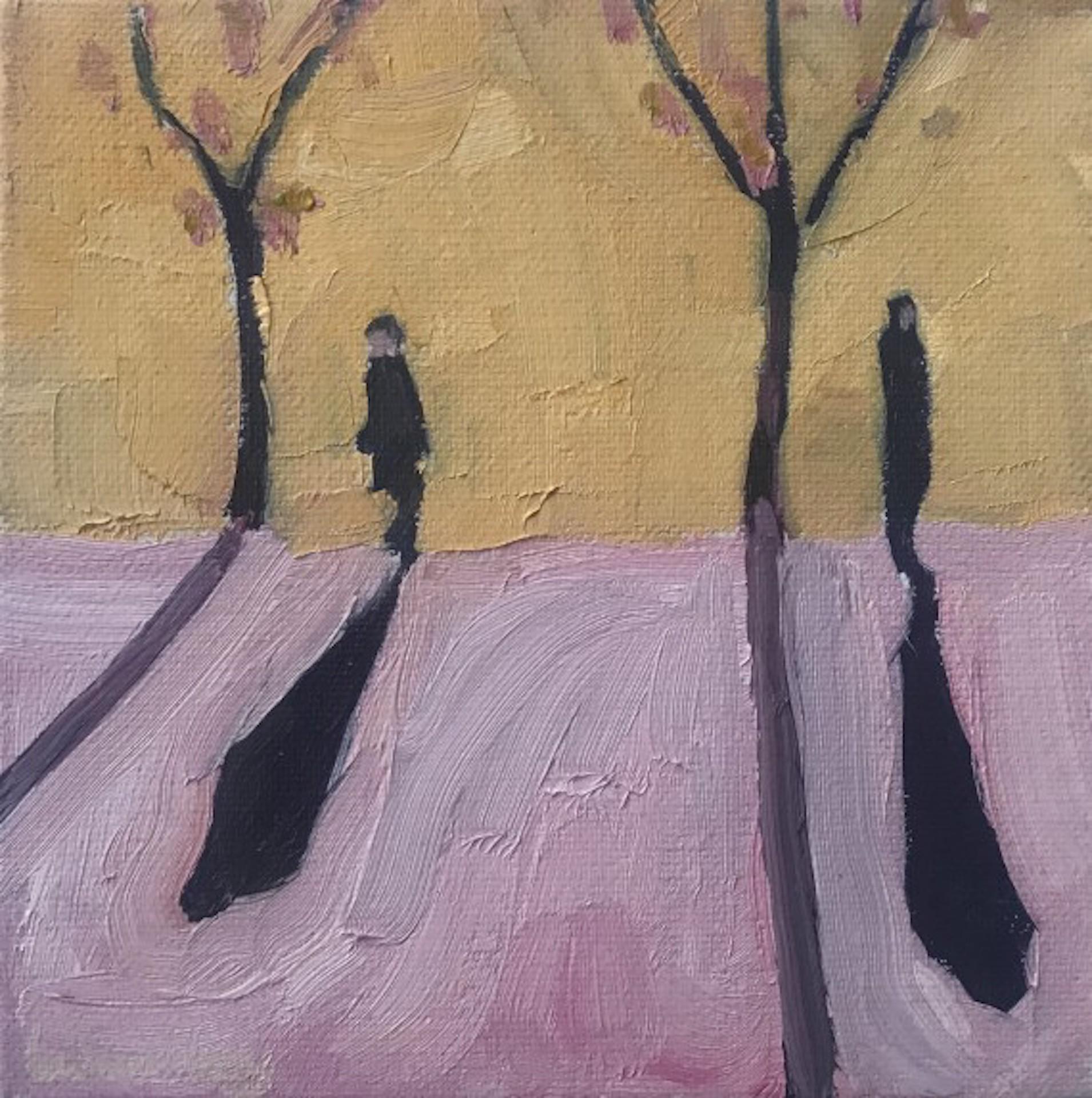
Finding quality affordable art for sale requires looking beyond mass-produced commercial decor toward emerging independent artists, curated digital galleries, MFA graduate sales, and limited-edition fine art prints. By evaluating archival paper standards, medium authenticity, framing requirements, and seller transparency, buyers can build a distinct, lasting collection while staying within their budget.
Defining "Affordable Art" in the Contemporary Market
The phrase "affordable art" covers a broad spectrum of prices, mediums, and production methods. In fine art collecting, affordability generally refers to original works, hand-pulled prints, or editioned photographs priced between $50 and $2,000. This stands in stark contrast to the primary gallery market, where mid-career and established artists sell pieces for tens of thousands of dollars.
Navigating this price range requires distinguishing genuine fine art from mass-market home decor. Decorative wall art found in big-box retail stores is typically printed in unlimited quantities on cheap synthetic canvas or thin paper using transient dye inks. While low in cost, these pieces lack archival stability, cultural value, and structural integrity.
True affordable fine art consists of works executed or direct-supervised by the artist:
- Original Paintings and Sculptures: One-of-a-kind creations on canvas, wood panel, or paper executed in oil, acrylic, gouache, or sculpture mediums.
- Original Fine Art Prints: Works created through traditional printmaking techniques—such as linocuts, woodblocks, etchings, engravings, and screenprints—where each impression is inked and pulled manually in a limited edition.
- Editioned Photography and Giclée Prints: High-resolution archival reproductions of original works or original photographic works, strictly limited in quantity and signed by the creator.
Understanding where a piece falls within these categories helps you determine whether a price reflects fair craftsmanship or an inflated markup.
Where to Find Quality Affordable Art for Sale
Acquiring artwork once required visiting brick-and-mortar commercial galleries in major metropolitan centers. Today, direct-to-consumer models, curated digital marketplaces, and local arts initiatives have opened direct paths to independent creators worldwide.
1. Curated Online Art Marketplaces
Curated online art galleries bridge the gap between independent studios and collectors. Platforms such as Saatchi Art, Artfinder, and Artsper host thousands of emerging and mid-career artists across the globe. These sites employ curation teams to filter submissions, verify artist identity, and ensure clear pricing.
- Pros: Search filtering by size, medium, color palette, and budget; seller protection policies; international selection.
- Cons: Shipping fees can be high for large canvases; visual representations depend heavily on photograph accuracy.
2. Fine Art Print Houses and Specialty Publishers
If your goal is to own work by recognized contemporary artists or famous historical masters on a modest budget, fine art print publishers offer limited-edition reproductions. Companies like 20x200 and Lumas partner directly with artists or estates to produce small, hand-numbered print runs on heavyweight archival rag paper.
Because the production run is capped (often between 20 and 200 copies), prices remain reasonable—frequently under $300—while maintaining collectability and archival quality.
3. Direct-from-Artist Sales (Social Media and Studio Stores)
Many modern visual artists manage their own direct-to-consumer sales via social channels (such as Instagram and TikTok), personal storefronts (powered by Shopify or Squarespace), and artist marketplaces like Etsy.
Buying directly from an artist's studio ensures that 100% of the proceeds (minus platform processing fees) go to the creator, bypassing traditional 40% to 50% gallery commission fees. Following artists on social media also provides early access to "studio drop" sales, experimental studies, and small-scale original sketches sold at entry-level prices.
4. MFA Graduate Shows and University Exhibitions
University art departments and Master of Fine Arts (MFA) thesis exhibitions offer prime opportunities to discover emerging talent. Art schools frequently host annual open studio events or graduation sales where students sell original paintings, prints, ceramics, and sculptures to fund their studio practices.
Purchasing from graduate students allows you to collect early-career original work at accessible prices before an artist gains commercial gallery representation.
5. Estate Sales, Thrift Outlets, and Online Auctions
The secondary market is a viable source for affordable vintage art, original oil paintings from mid-century regional artists, and out-of-print lithographs. Estate sale aggregation platforms, local auction houses, and online secondary platforms (like LiveAuctioneers or eBay's vintage art section) frequently list original works with low starting bids.
Success on the secondary market requires patience, an understanding of artist signatures, and an eye for condition issues like canvas sagging or foxing (brown spotting) on paper.
Understanding Mediums, Formats, and Archival Standards
Evaluating affordable art requires basic knowledge of materials. The medium determines not only the visual texture and weight of a piece, but also its long-term durability and maintenance needs.
- FINE ART SELECTION
- ORIGINAL WORKS
- Oil on Canvas/Panel
- Acrylic on Canvas/Panel
- Works on Paper (Watercolor, Gouache, Ink)
- EDITIONED PRINTS
- Traditional Printmaking (Linocut, Etching, Screenprint)
- Archival Giclée (Pigment Ink on Cotton Rag)
- ORIGINAL WORKS
Original Works on Canvas and Panel
Original oil and acrylic paintings on stretched canvas or rigid wood panels carry the highest tactile appeal due to physical brushwork, impasto layering, and surface glaze.
- Oil Paintings: Known for rich color depth and slow drying times. They require proper ventilation during creation and can take up to a year to fully cure. High-quality oil works resist fading but can yellow if kept in continuous darkness or turn brittle if exposed to severe humidity shifts.
- Acrylic Paintings: Highly stable, flexible, and quick-drying. Acrylics do not yellow over time and resist moisture better than oils, making them durable options for diverse home environments.
Works on Paper (Watercolors, Gouache, and Drawings)
Works on paper represent one of the most cost-effective entry points for collecting original fine art. Watercolors, gouache (opaque watercolor), ink drawings, and pastels are generally priced lower than oil or acrylic canvases of equivalent size due to lower raw material costs and faster execution times.
However, works on paper demand proper handling. Paper fibers are susceptible to environmental moisture, acid deterioration, and ultraviolet light. They must always be mounted under protective glass or acrylic with an acid-free mat board to prevent the paper from touching the glazing.
Hand-Pulled Original Prints vs. Mechanical Reproductions
It is essential to distinguish between a fine art print created through traditional hand processes and a reproduction print:
- Hand-Pulled Original Prints (Linocut, Woodblock, Etching, Lithography, Screenprint): The artist physically carves, etches, or draws the image onto a matrix (a block, metal plate, or mesh screen) and manually transfers ink onto paper. Each print in the edition exhibits slight variations, making each impression a unique physical artifact.
- Archival Giclée Reproductions: High-resolution digital prints produced using specialized large-format inkjet printers. True giclée printing uses pigment-based inks (rather than dye-based inks) applied to 100% acid-free cotton rag or alpha-cellulose paper. When produced correctly, giclées offer exceptional color fidelity and lightfastness rated for 75 to 100+ years without fading.
Comparing Affordable Art Categories
The following matrix outlines common art categories, typical price expectations, material longevity, and primary purchasing platforms to help guide your decisions.
| Art Medium / Category | Price Range (USD) | Archival & Longevity Expectations | Recommended Purchase Channels | Primary Buyer Considerations |
|---|---|---|---|---|
| Small Original Oil / Acrylic (under 12x12") | $75 – $350 | Very High (100+ years with basic care) | Etsy, Direct Artist Sites, Local Fairs | Check if canvas is wrapped or requires framing; confirm substrate quality. |
| Medium-to-Large Original Canvas (24x36"+) | $450 – $2,000 | Very High (100+ years) | Saatchi Art, Artfinder, MFA Thesis Shows | Verify shipping methods (rolled vs. stretched canvas in crate). |
| Original Work on Paper (Watercolor/Ink) | $50 – $400 | High (requires UV glass framing) | Artist Drops, Local Open Studios | Must budget extra for professional matting and UV-protective framing. |
| Limited Edition Hand-Pulled Print | $40 – $300 | High to Very High | Specialty Printmakers, Artsper, Etsy | Check edition size (e.g., 1/25 vs 1/500) and verify hand signature. |
| Archival Giclée Print (Signed Edition) | $30 – $150 | High (75–100 years under pigment ink) | 20x200, Lumas, Direct Artist Stores | Ensure printer uses 100% cotton rag paper and pigment-based inks. |
| Vintage Secondary Market Painting | $50 – $500 | Variable (depends on past storage) | Estate Sales, LiveAuctioneers, Thrift Outlets | Inspect closely for smoke damage, surface cracking, frame damage, or warping. |
Crucial Buyer Checklist: Quality, Certification, and Hidden Costs
Acquiring art on a budget requires close attention to details beyond the initial asking price. Unseen costs like framing, shipping, and conservation can quickly exceed your original target spend.
1. Authenticity, Signatures, and Certificates
When buying original art or limited editions, verify how the piece is signed and documented:
- Hand Signature: Original works should be signed by the artist, either on the front corner or on the reverse side (verso). For prints, signatures are traditionally placed in pencil on the lower right margin, as graphite ink is difficult to forge without disturbing paper fibers.
- Edition Numbering: Editions should be marked on the lower left margin using standard fraction notation (e.g., "12/50" indicates the 12th impression out of a total edition of 50). "AP" stands for Artist’s Proof, traditionally reserved for the artist's personal collection and often sold at a slight premium.
- Certificate of Authenticity (CoA): A formal document signed by the artist or gallery detailing the title, date of creation, medium, dimensions, edition number, and substrate. Always request a CoA for purchases over $200.
2. Paper Quality and Ink Verification
If purchasing prints or works on paper, review the listed material specifications:
- Substrate: Look for terms like 100% Cotton Rag, Velvet Fine Art Paper, or Alpha-Cellulose. Avoid generic "heavyweight paper" or "cardstock," which contain lignin—an organic polymer found in wood pulp that yellows and turns brittle when exposed to sunlight.
- Paper Weight: Measured in grams per square meter (GSM). Fine art paper should generally range between 230 GSM and 310 GSM. High-weight paper holds heavy ink loads without buckling.
- Ink Type: Confirm the use of pigment-based inks (such as Epson UltraChrome or Canon Lucia). Dye-based inks, common in standard desktop photo printers, begin to shift in color and fade within 3 to 10 years of ambient indoor light exposure.
3. Factoring in Framing, Matting, and Preservation
Framing is essential for protecting paper-based artwork and presenting stretched canvas properly. However, custom framing can easily cost more than the artwork itself.
FRAME STRUCTURE
- GLAZING LAYER (UV Acrylic/Glass)
- MAT BOARD CLEARANCE (Acid-Free Rag Mat)
- BACKING & MOUNT (Acid-Free Board)
Standard Size Cost Savings: Save money by choosing art created in standard frame dimensions (e.g., 8x10", 11x14", 16x20", or 18x24"). Pre-made frames in these dimensions are widely available online and in craft stores.
Acid-Free Mat Board: Never place art on paper directly against glass. Temperature changes cause condensation inside the frame, leading to mold and paper sticking. A neutral, acid-free mat board acts as a spacer while elevating the overall look of the piece.
UV Glazing: Direct sunlight and bright ambient light fade watercolors and fine prints over time. Use glass or acrylic with at least 99% UV protection for delicate works on paper.
4. Shipping, Insurance, and Packaging
Art requires specialized shipping to prevent moisture damage, canvas puncture, or corner bends during transit:
- Flat vs. Rolled Shipping: Large works on paper or unmounted canvases are typically shipped rolled in thick cardboard or PVC tubes to lower shipping fees. Budget for stretching unmounted canvases onto wooden stretcher bars at a local frame shop. Small works on paper should ship flat between rigid corrugated sheets.
- Transit Insurance: Ensure the platform or seller provides transit insurance covering total damage or package loss. Inspect packages immediately upon delivery and document any damage to the exterior carton before opening.
Step-by-Step Strategy: Building Your Collection on a Budget
Creating a cohesive, visually appealing collection on a realistic budget takes time and strategy. Use this simple four-step process:
- STEP 1: Assess Room Lighting and Spatial Dimensions
- STEP 2: Establish an Annual Art Budget Matrix
- STEP 3: Mix Original Works, Fine Prints, and Vintage
- STEP 4: Protect Your Pieces with Archival Framing
Step 1: Assess Room Lighting and Spatial Dimensions
Measure your wall space before browsing online galleries to avoid buying pieces that are too small or too large for the room. A common mistake is buying small prints (like 8x10") to hang alone on large empty walls, which ruins the scale of the room. Group smaller pieces into a gallery wall, or reserve larger canvases (24x36" and up) for focal points above sofas, headboards, or fireplaces.
Check light exposure as well: avoid hanging delicate watercolors, drawings, or dye prints on walls that receive direct afternoon sun.
Step 2: Establish an Annual Art Budget Matrix
Set aside a set amount each year for buying art rather than making random impulse purchases. Allocating $600 a year, for example, allows you to acquire two original small paintings ($200 each) alongside two limited-edition prints ($100 each). This approach builds a diverse collection over time while managing costs.
Step 3: Combine Mediums and Styles
Mix original works, fine art prints, and vintage finds to give your home character:
- Anchor major spaces with large-scale limited-edition giclées or large woodblock prints to cover big walls affordably.
- Place small original oil paintings on eye-level surfaces like bookshelves, desks, and side tables where guests can see the texture up close.
- Add vintage works or relief prints to bring warmth, historical context, and varied textures to modern interiors.
Step 4: Invest Wisely in Protection
Avoid putting expensive custom frames on cheap poster prints, but don't cut corners when framing valuable originals. Spend your framing budget where it matters most: acid-free matting and UV-protective glass for original paper works, watercolors, and low-run prints. For original acrylic or oil canvases, simple wooden floater frames provide a clean finish without requiring glass or complex mounting.
Frequently Asked Questions
What is the difference between an original print and a reproduction?
An original print is an artwork made using traditional printmaking methods—such as linocut, screenprinting, or etching—where the artist carves, etches, or inks a physical plate to produce the image directly onto paper. A reproduction, such as a giclée print, is a digital photograph or high-resolution scan of an existing painting printed mechanically with an inkjet printer. Original prints usually carry higher market value because each print is individually inked and pulled by hand.
Is buying affordable art a good financial investment?
Most affordable art should be purchased for aesthetic enjoyment and supporting creators, rather than expected financial returns. While purchasing works from emerging artists or MFA graduates can appreciate if the artist gains broad acclaim, the primary gallery and auction markets carry high transaction fees and unpredictable resale demand. Buy pieces you genuinely love living with, rather than treating them strictly as investment assets.
How do I verify if a digital print uses true archival materials?
Check the seller's material listing for specific paper and ink details. Look for 100% cotton rag paper (or pure alpha-cellulose) weighing over 230 GSM, free of acid and optical brighteners (OBAs). The ink should be explicitly identified as pigment-based (e.g., archival pigment inks) rather than standard liquid dye inks. If the listing lacks material details, ask the artist or publisher directly before buying.
What hidden fees should I plan for when buying art online?
Beyond the listing price, budget for:
- Shipping & Crating: Oversized canvas art or fragile framed glass items often require specialized freight packing.
- Import Duties & Taxes: International shipments across borders may incur customs duties or import VAT fees upon arrival.
- Custom Framing: Framing loose, unmounted prints or stretching rolled canvas can easily add $50 to $300+ depending on size, matting selection, and glass specifications.
How can I evaluate if an independent artist's price is fair?
Artist pricing typically reflects material costs, total labor hours, experience, and historical sales volume. A straightforward baseline formula for emerging original art is a linear-inch or square-inch calculation (e.g., $1.50 to $3.00 per square inch) plus raw material expenses. For fine art prints, prices are calculated based on paper grade, printing costs, and how limited the run is; smaller print runs command higher individual prices.
Next Steps for Collectors
Building an authentic art collection on a budget comes down to material literacy, patience, and knowing where to look. To get started:
- Define your target spaces: Measure empty walls and note lighting conditions throughout your living space.
- Explore platforms: Browse curated marketplaces like Saatchi Art, review direct-to-consumer print publishers like 20x200, or check local university MFA thesis exhibitions.
- Verify materials: Confirm the medium, paper standards, and ink types of your top choices.
- Factor in total costs: Calculate shipping fees and framing expenses before completing your purchase.
By supporting independent artists and choosing archival materials, you can build a meaningful art collection that elevates your home for years to come without exceeding your budget.