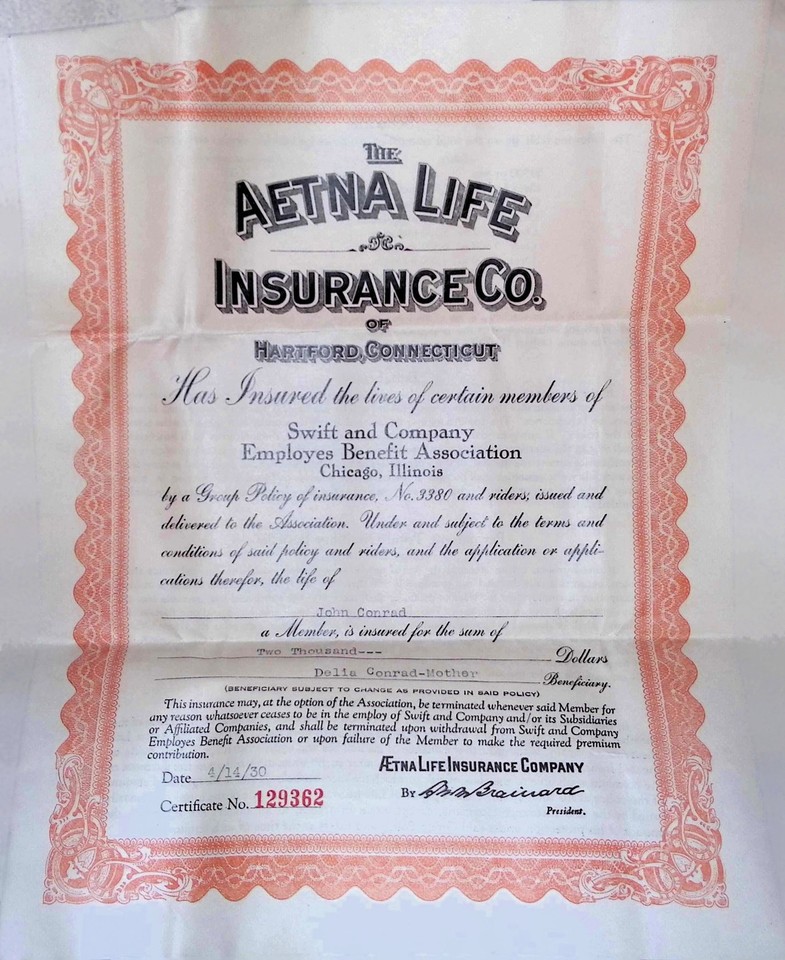
The Aetna life insurance suicide exclusion is a standard policy provision stating that if an insured individual dies by suicide within a specific period—typically the first two years of the policy—the death benefit will not be paid. Instead, Aetna usually refunds the total premiums paid to the designated beneficiaries, minus any outstanding loans or liens.
Life insurance is a contract of ultimate good faith, designed to provide financial security against unpredictable risks. However, insurance companies like Aetna incorporate specific exclusions to manage risk and prevent "adverse selection." One of the most critical and often misunderstood components of these contracts is the suicide exclusion clause. In 2026, while many aspects of policy management have been digitized, the legal and fundamental framework of this clause remains a cornerstone of Aetna’s life insurance agreements.
The Fundamentals of the Suicide Exclusion Clause
The suicide exclusion clause is a legal safeguard used by Aetna Life Insurance Company to prevent individuals from purchasing a policy with the immediate intention of ending their life to secure a payout for their heirs. This clause is not unique to Aetna; it is a standard feature across the life insurance industry, though the specific wording and duration can vary based on the type of policy and the state in which it was issued.
For most Aetna policies, the exclusion period lasts for exactly two years (730 days) from the "effective date" of the policy. If the insured passes away due to self-inflicted injuries during this window, the insurance company is legally permitted to deny the claim for the full face value of the policy.
The "Sane or Insane" Provision
A critical technical detail in Aetna’s suicide clause is the "sane or insane" provision. Most Aetna contracts state that the exclusion applies regardless of the insured's mental state at the time of the act. This wording is designed to prevent legal disputes regarding whether the deceased had the mental capacity to understand their actions. By including this language, the exclusion remains enforceable even if the death resulted from a severe mental health crisis or temporary insanity.
The Refund of Premiums
It is a common misconception that the beneficiary receives nothing if the suicide exclusion is triggered. In reality, Aetna is generally required to return all premiums paid during the life of the policy up to the date of death. While this is significantly less than the death benefit (the "face amount"), it ensures that the money the policyholder invested in the plan is not lost.
The Two-Year Contestability Window vs. Suicide Exclusion
It is easy to confuse the Suicide Exclusion with the Incontestability Clause, but they serve different legal purposes. In 2026, understanding the distinction between these two is vital for any beneficiary navigating a claim.
- Suicide Exclusion: This specifically targets the cause of death. It dictates that death by suicide is not a covered event for the first two years.
- Incontestability Clause: This is a broader provision. It gives Aetna two years to investigate the original application for any material misrepresentations or fraud. After two years, the company generally cannot "contest" the validity of the policy for errors in the application (such as failing to mention a pre-existing condition), except in cases of extreme fraud or non-payment.
While both typically share a two-year timeframe, they operate independently. If a policyholder dies by suicide after the two-year mark, the suicide exclusion no longer applies. However, if the death occurs within the two years, Aetna may investigate both the cause of death (the exclusion) and the original application (the contestability).
Group Life Insurance vs. Individual Policies
Aetna is a major provider of group life insurance, often offered as an employee benefit through large corporations and government entities. The suicide exclusion rules for group policies can differ significantly from individual policies purchased on the private market.
Employer-Sponsored (Group) Terms
In many group life insurance contracts managed by Aetna, the suicide exclusion might be shorter than two years, or in some cases involving "basic" coverage (the amount provided for free by the employer), it may be waived entirely. This is because group policies are underwritten based on the risk of the entire employee pool, reducing the likelihood of an individual joining the group solely to obtain insurance for an imminent suicide.
However, if an employee purchases supplemental or "voluntary" life insurance through Aetna (coverage beyond the basic amount), the two-year suicide exclusion almost always applies to that additional portion of the coverage.
Reinstatement Rules
A complex scenario arises when a policy lapses due to non-payment and is later "reinstated." If an Aetna policyholder allows their coverage to end and then goes through the process of reinstating it, the two-year suicide exclusion clock may reset. This means the insured must survive another two years from the date of reinstatement before suicide is a covered cause of death.
State-Specific Legal Variations
Insurance is regulated at the state level in the United States, which means Aetna must adhere to the specific statutes of the state where the policy was delivered. While the two-year standard is dominant, there are notable exceptions that Aetna must follow.
- Missouri: Historically, Missouri has had a unique law limiting the suicide exclusion to only one year, unless the insurer can prove the insured intended suicide at the time they applied for the policy.
- North Dakota: This state also has specific regulations that can shorten the exclusion period or alter the requirements for proving intent.
- Other Jurisdictions: Some states have specific "notice" requirements, where Aetna must clearly highlight the suicide exclusion in the policy documents using specific font sizes or bold text to ensure the consumer is aware of the limitation.
In 2026, Aetna’s digital policy portals typically provide a state-specific "Policy Rider" or "Summary of Benefits" that outlines these local variations. Beneficiaries should always check the specific policy language relevant to their state of residence.
How Aetna Investigates a Suicide Claim
When a death claim is filed with Aetna, the company conducts a standard review. If the death occurs within the first two years of the policy, the review becomes a more formal investigation.
Documentation Requirements
To determine if the suicide exclusion applies, Aetna’s claims department will typically request:
- Certified Death Certificate: Specifically looking at the "Manner of Death" (e.g., Natural, Accident, Suicide, Homicide).
- Police Reports: If the death was sudden or occurred outside of a medical facility.
- Coroner or Medical Examiner Reports: Including toxicology results and findings from the scene.
- Attending Physician Statements (APS): Medical records to see if there was a history of mental health struggles that weren't disclosed or to clarify the circumstances leading to death.
The Burden of Proof
The legal burden of proof typically lies with Aetna. To deny a claim based on the suicide exclusion, the company must provide "clear and convincing" evidence that the death was a suicide and not an accident. This can become a point of contention in cases of drug overdoses or single-vehicle accidents. If the evidence is ambiguous, courts often side with the beneficiary, favoring the interpretation that the death was accidental.
Summary of Payout Scenarios
The following table outlines how Aetna typically handles death benefits based on the timing and cause of death.
| Timing of Death | Cause of Death | Aetna’s Obligation | Payout Outcome |
|---|---|---|---|
| Within first 2 years | Natural causes or Accident | Pay full death benefit | Full Face Amount |
| Within first 2 years | Suicide | Deny death benefit; refund premiums | Premium Refund Only |
| After first 2 years | Natural causes or Accident | Pay full death benefit | Full Face Amount |
| After first 2 years | Suicide | Pay full death benefit | Full Face Amount |
| Within first 2 years | Suicide (Group Basic) | Depends on employer contract | Often Full Amount |
| Anytime | Accidental Death (AD&D) | Exclude suicide | No AD&D Payout |
Accidental Death and Dismemberment (AD&D) Considerations
It is vital to distinguish between a standard life insurance policy and an Accidental Death and Dismemberment (AD&D) policy or rider. Aetna often provides AD&D as a supplement to life insurance.
Unlike a standard life insurance policy, which covers suicide after the two-year period ends, an AD&D policy never covers suicide. AD&D is strictly for "accidental" deaths. Since suicide is, by definition, an intentional act, it is permanently excluded from AD&D coverage regardless of how long the policy has been in force. If a policyholder has $100,000 in life insurance and $100,000 in AD&D, and they die by suicide after five years, the beneficiary would receive the $100,000 life insurance benefit but $0 from the AD&D portion.
Common Mistakes and Challenges in Claims
When dealing with the Aetna suicide exclusion, beneficiaries often face several hurdles. Understanding these can help in managing expectations and navigating the process.
Misinterpreting "Accidental" Death
One of the most frequent points of conflict involves "equivocal" deaths. If an insured individual dies from a prescription medication overdose, the family may believe it was an accident, while Aetna may investigate it as a suicide. In 2026, Aetna utilizes sophisticated forensic accounting and medical record reviews to make these determinations. If a beneficiary believes Aetna has incorrectly classified an accidental death as a suicide, they may need to provide evidence of "lack of intent," such as a lack of a note, future plans made by the deceased, or a history of accidental misuse of medication.
Ignoring the Contestability Overlap
As mentioned earlier, if a suicide occurs within the two-year window, Aetna will look at everything. They might find that while the suicide exclusion applies, there was also an unrelated misrepresentation on the application (like an undisclosed heart condition). While this wouldn't change the outcome of the suicide exclusion (premiums are still refunded), it can complicate the legal process if the beneficiary tries to fight the suicide ruling.
Delay in Filing
Beneficiaries sometimes delay filing a claim if the cause of death is suicide due to the social stigma or emotional trauma. However, waiting too long can complicate the investigation. It is generally recommended to file the claim as soon as the death certificate is available. Aetna’s internal processes in 2026 are designed to handle these sensitive cases with a degree of privacy and professionalism.
Frequently Asked Questions
Does Aetna pay for suicide if the policy is 10 years old?
Yes. Once the two-year suicide exclusion period has passed, suicide is treated like any other cause of death under a standard Aetna life insurance policy. The full death benefit should be paid to the beneficiaries, provided the policy is in force and all premiums have been paid.
What if the insured died of a drug overdose?
Aetna will investigate the medical examiner’s report. If the overdose is ruled "accidental" (common in many cases of poly-substance interactions), the death benefit is usually paid even within the first two years. If the medical examiner rules the overdose as a "suicide," the exclusion clause will apply.
If I increase my coverage amount, does the two-year clock start over?
Yes, for the increased portion of the benefit. If you have had $500,000 in coverage for five years and you increase it to $750,000 in 2026, the original $500,000 is beyond the suicide exclusion. However, the new $250,000 increase will have its own two-year suicide exclusion clock starting from the date the increase becomes effective.
Are there any exceptions to the two-year rule?
The most common exceptions are state laws (like Missouri’s one-year rule) and certain group life insurance contracts provided by employers. Always review the "Exclusions" section of your specific Summary Plan Description (SPD) if you are covered under a group plan.
Can Aetna deny a claim if there was no suicide note?
Aetna does not necessarily need a suicide note to deny a claim, but they do need evidence of intent. If the physical evidence at the scene and the medical examiner’s report point conclusively to suicide, the absence of a note will not prevent the exclusion from being applied. Conversely, if the evidence is purely circumstantial, the lack of a note may help a beneficiary argue that the death was accidental.
Practical Recommendations for Policyholders and Beneficiaries
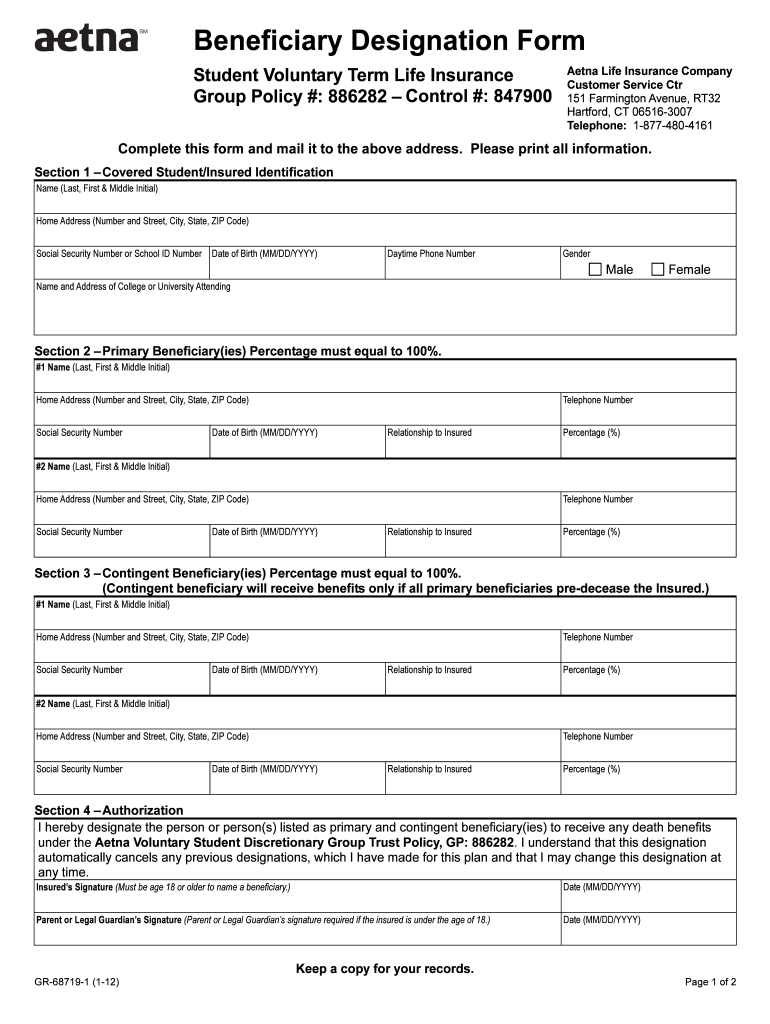
If you are a policyholder, ensure you understand the effective date of your policy and any subsequent increases or reinstatements. Keep your policy documents in a secure place where your beneficiaries can find them. It is also helpful to be aware that in 2026, many Aetna policies allow you to designate beneficiaries and view exclusion terms directly through the CVS Health/Aetna member portal.
For beneficiaries facing a claim involving the suicide exclusion:
- Request the Full Policy: Do not rely on a summary. Get the full contract to read the exact wording of the suicide and contestability clauses.
- Wait for the Death Certificate: You cannot file a formal claim without the official manner of death recorded by the state.
- Consult a Professional: If a claim for a death that occurred within two years is denied and you have evidence that the death was accidental, consider consulting with an attorney who specializes in life insurance claims.
- Check for AD&D: Remember that if the death is ruled a suicide, you should not expect a payout from any Accidental Death and Dismemberment riders, regardless of how old the policy is.
Life insurance is meant to provide peace of mind. While the suicide exclusion is a difficult topic, it is a standard contractual obligation that helps maintain the financial stability of the insurance pool for all policyholders.