Advertising injury coverage in commercial liability insurance is a specialized form of protection designed to shield businesses from financial loss arising out of non-physical, non-bodily harms caused by their marketing, promotional, or advertising activities. It typically protects against claims like copyright infringement, defamation, and misappropriation of advertising ideas.
Introduction to Commercial Liability and Advertising Hazards
Modern business operations rely heavily on aggressive marketing, digital outreach, and public communications. While these efforts drive growth and customer acquisition, they also expose companies to significant legal liabilities. A casual social media post, a comparative product advertisement, or an unverified statistic used in a brochure can trigger costly lawsuits from competitors, consumers, or public figures.
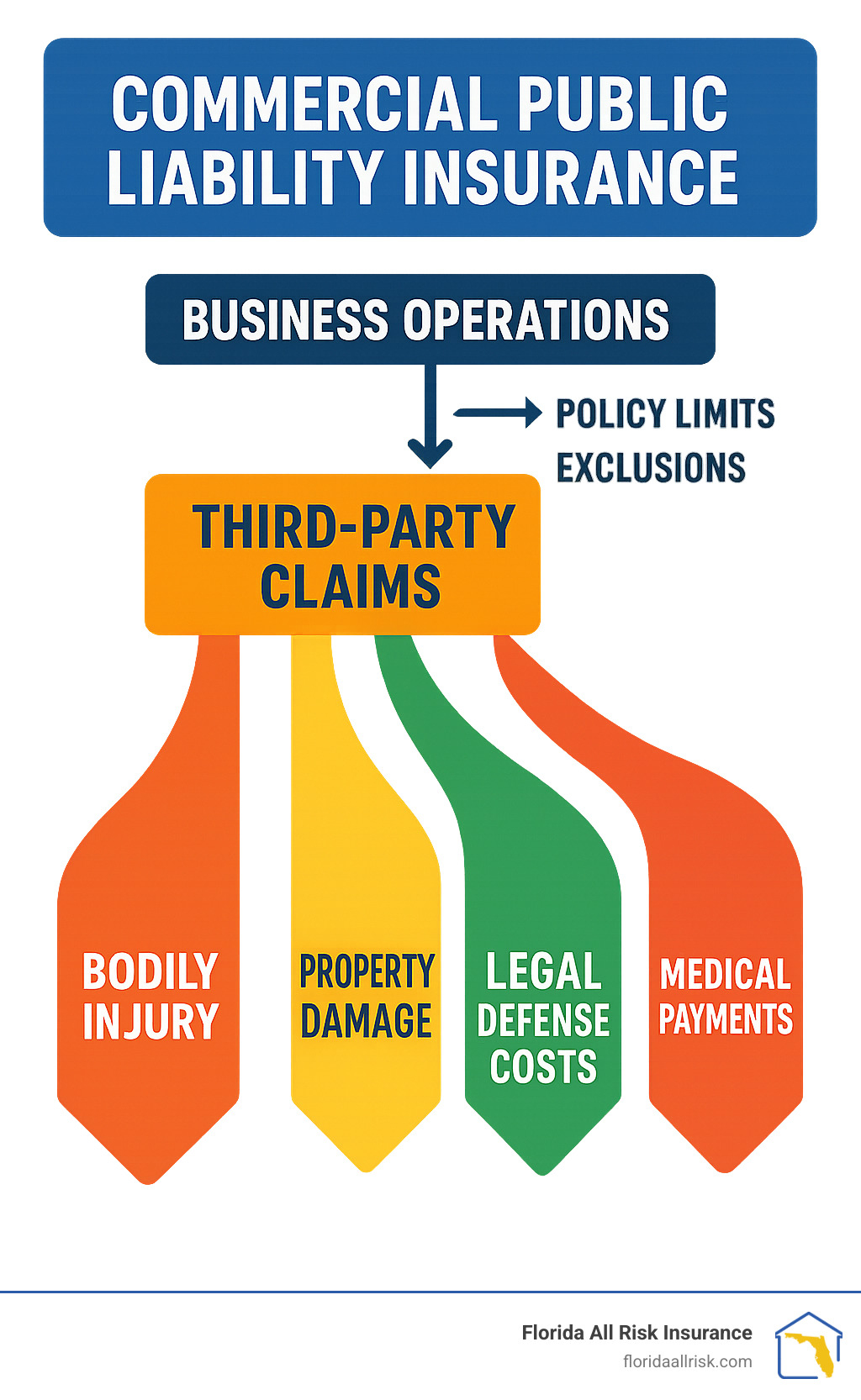
To manage these operational risks, businesses purchase Commercial General Liability (CGL) insurance. Within a standard CGL policy—most commonly structured on Insurance Services Office (ISO) forms—coverage is divided into specific insuring agreements. These typically include bodily injury and property damage (Coverage A), personal and advertising injury (Coverage B), and medical payments (Coverage C). Understanding how Coverage B operates is essential for safeguarding modern enterprises against intellectual property disputes, reputational torts, and creative missteps.
Defining Personal and Advertising Injury (Coverage B)
In the architecture of a standard commercial liability policy, "advertising injury" is rarely evaluated in total isolation; rather, it is formally bundled under the broader category of "personal and advertising injury." However, the specific triggers that apply to advertising activities form a distinct subset of protected offenses.
An advertising injury occurs when a specific tortious act is committed during the course of advertising the insured's goods, products, or services. It is critical to note that the injury must arise out of the enterprise's advertising efforts. If the same wrongful act occurs outside the context of advertising—such as in an internal corporate memo or a private conversation—it may fall outside the scope of this insuring agreement.
Furthermore, the policy language usually requires a causal nexus between the advertising activity and the alleged harm. The plaintiff must assert that the advertising itself directly caused the injury or financial damage. This distinction separates commercial liability protection from errors and omissions (E&O) or professional liability policies, which generally cover financial losses resulting from professional negligence or faulty services rather than marketing communications.
Specific Offenses Covered Under Advertising Injury
Commercial liability policies do not cover every complaint related to marketing. Instead, they explicitly enumerate the specific offenses that trigger a duty to defend and indemnify. Standard ISO-based commercial liability forms typically recognize a specific set of offenses under the advertising injury umbrella.
1. Copyright, Trademark, and Slogan Infringement in Advertisements
One of the most frequent exposures for growing businesses is intellectual property infringement. If a company uses another entity's copyrighted material, proprietary slogan, or trademarked style within its promotional materials without authorization, the copyright or trademark holder may sue for infringement.
Standard commercial liability policies typically cover infringement of copyright, title, or slogan only if it occurs within the insured's advertisement. They generally exclude patent infringement and trademark infringement of actual product names or logos (though endorsements can sometimes modify these boundaries). This makes a careful review of policy definitions vital for design agencies, software developers, and retail brands.
2. Defamation, Libel, and Slander
Public communications carry the risk of reputational torts. Libel refers to written or broadcast defamatory statements, while slander involves spoken defamation. In the context of advertising, a comparative ad campaign that makes false, damaging statements about a competitor's business practices, integrity, or product safety can trigger a defamation lawsuit.
Advertising injury coverage steps in to defend the insured against allegations of oral or written publication, in any manner, of material that slanders or libels a person or organization, or disparages a person's or organization's goods, products, or services, provided the statements were made during advertising activities.
3. Misappropriation of Advertising Ideas or Style of Doing Business
Competitors often guard their unique marketing strategies, campaign themes, and distinctive layouts. If a business adopts a marketing concept or visual presentation that is confusingly similar to a competitor’s established style of doing business, it may face allegations of misappropriation. Coverage B provides a defense against claims asserting that the insured wrongfully took an advertising idea or business style.
4. Invasion of Privacy and Misuse of Likeness
Marketing campaigns frequently utilize photographs, names, or testimonials of individuals. If a business publishes promotional material that violates a person's right of privacy or publicity—such as using an individual's image without a signed release or disclosing private personal data—the affected party may sue. Commercial liability policies protect against oral or written publication of material that violates a person’s right of privacy.
Comparison of Coverage Types in Commercial Liability
To better understand where advertising injury fits within an organization's risk management portfolio, it is helpful to contrast it with other common liability insuring agreements.
| Coverage Component | Primary Focus | Typical Trigger Examples | Common Exclusions |
|---|---|---|---|
| Coverage A: Bodily Injury & Property Damage | Physical harms and tangible property destruction | Slip-and-fall injuries on premises, damaged client equipment | Contractual liability, professional errors, pure financial loss |
| Coverage B: Personal & Advertising Injury | Non-physical, reputational, and intellectual property harms | Copyright infringement in ad copy, business disparagement | Intentional acts, known falsity, criminal acts |
| Professional Liability (E&O) | Financial loss due to professional negligence or omissions | Flawed architectural blueprints, faulty software code | Direct advertising torts, bodily injury, property damage |
| Employment Practices Liability (EPLI) | Workplace-specific personnel claims | Wrongful termination, workplace discrimination, harassment | Commercial advertising disputes, general torts |
Key Policy Exclusions and Limitations
Even when a claim appears to fall squarely within the definition of an advertising injury, insurers routinely apply standard policy exclusions to deny coverage. Risk managers and business owners must examine these exclusions carefully to avoid catastrophic coverage gaps.
The Knowing Violation Exclusion
Insurance policies are designed to protect against fortuitous, accidental events—not intentional wrongdoing. If an insured deliberately publishes material knowing that it is false, defamatory, or infringing upon another's copyright, coverage is almost universally denied. The "knowing falsity" or "intentional acts" exclusion strips away protection for calculated intellectual property theft or malicious smear campaigns.
Breach of Contract Exclusion
Businesses frequently enter into marketing, sponsorship, or independent contractor agreements. If a dispute arises regarding the financial terms of a marketing contract or a failure to deliver agreed-upon promotional deliverables, the resulting lawsuit is typically categorized as a breach of contract rather than an advertising injury. Standard commercial liability forms explicitly exclude contract-based claims, pushing these disputes into the realm of commercial contract litigation.
Criminal Acts and Media-Specific Exclusions
Actions that violate criminal statutes—such as fraudulent advertising schemes prosecuted under federal or state consumer protection laws—are excluded from coverage. Furthermore, standard commercial liability policies often contain specialized exclusions for media, internet, and advertising-specific enterprises. Advertising agencies, broadcasting networks, and publishers are frequently required to purchase specialized Media Liability or Errors and Omissions policies because their primary business output carries unique risks that standard CGL policies explicitly carve out.
The Importance of the Duty to Defend
One of the most valuable aspects of advertising injury coverage is not merely indemnification (paying out settlements or judgments), but the duty to defend.
When a third party files a lawsuit alleging an advertising injury, the insurer is legally obligated to evaluate the complaint. If the allegations fall even potentially within the scope of Coverage B, the insurance company must hire and pay for legal counsel to defend the insured business.
Legal defense costs in intellectual property and defamation lawsuits frequently eclipse the actual damages awarded. Consequently, having an insurer shoulder the financial burden of protracted courtroom litigation is often more valuable than the policy limits assigned to indemnity.
Practical Steps to Verify and Enhance Coverage
Securing adequate protection against advertising liabilities requires a proactive approach during the policy procurement and renewal phases. Businesses should execute several systematic verification steps:
- Audit Marketing Channels: Inventory all active marketing assets, including social media accounts, digital ads, print brochures, sponsored content, and website copy, to evaluate exposure levels.
- Review Policy Forms: Examine the exact text of the Commercial General Liability policy, specifically verifying whether personal and advertising injury coverage is included or if it has been restricted by specialized endorsements.
- Assess Infringement Policies: Ensure internal marketing teams have clear compliance protocols for vetting stock imagery, music licenses, trademarks, and comparative claims before publication.
- Coordinate with Specialized Policies: If operating in digital media, software, or creative services, supplement the CGL policy with a dedicated Media Liability or Cyber Liability policy to bridge gaps left by standard commercial exclusions.
Frequently Asked Questions
Does commercial liability cover patent infringement in advertising?
No. Standard commercial general liability policies explicitly exclude patent infringement from advertising injury coverage. Patent disputes involve complex technical inventions rather than traditional advertising copy, slogans, or trademarks, and require specialized patent infringement insurance or comprehensive commercial umbrella policies.
What happens if our business is sued for trademarking a competitor's product name?
Trademark infringement regarding actual product names or brand identifiers is typically excluded or severely restricted under standard CGL policies. Coverage usually extends only to the infringement of copyrighted material, titles, or slogans used within an advertisement, making direct trademark reviews essential prior to product launches.
Are independent contractors covered under our advertising injury policy?
Generally, a standard CGL policy defines the "insured" to include executive officers, directors, and employees acting within the scope of their employment. Independent contractors, marketing agencies, and external consultants are usually not automatically covered and must often be added via additional insured endorsements or required to maintain their own professional and liability insurance.
Does advertising injury coverage protect against online social media posts?
Yes, provided the post constitutes an "advertisement" under the policy definition (which usually requires a public communication designed to attract customers or promote goods and services) and triggers one of the enumerated offenses, such as defamation or copyright infringement.
How can a business minimize the risk of advertising injury claims?
Mitigation involves implementing rigorous pre-publication legal reviews, utilizing properly licensed stock media and fonts, avoiding direct comparative attacks on competitor products without verified documentation, and securing written releases from individuals featured in promotional materials.
Conclusion
Advertising injury coverage within commercial liability insurance serves as a critical financial safety net for enterprises engaging in modern marketing. While standard CGL policies provide foundational protection against copyright infringement, defamation, and misappropriation of business ideas, business owners must remain vigilant regarding policy exclusions, particularly those involving intentional acts and specialized media operations. Conducting regular policy audits and maintaining strict compliance protocols ensures that growth-driven marketing efforts do not outpace organizational risk management.