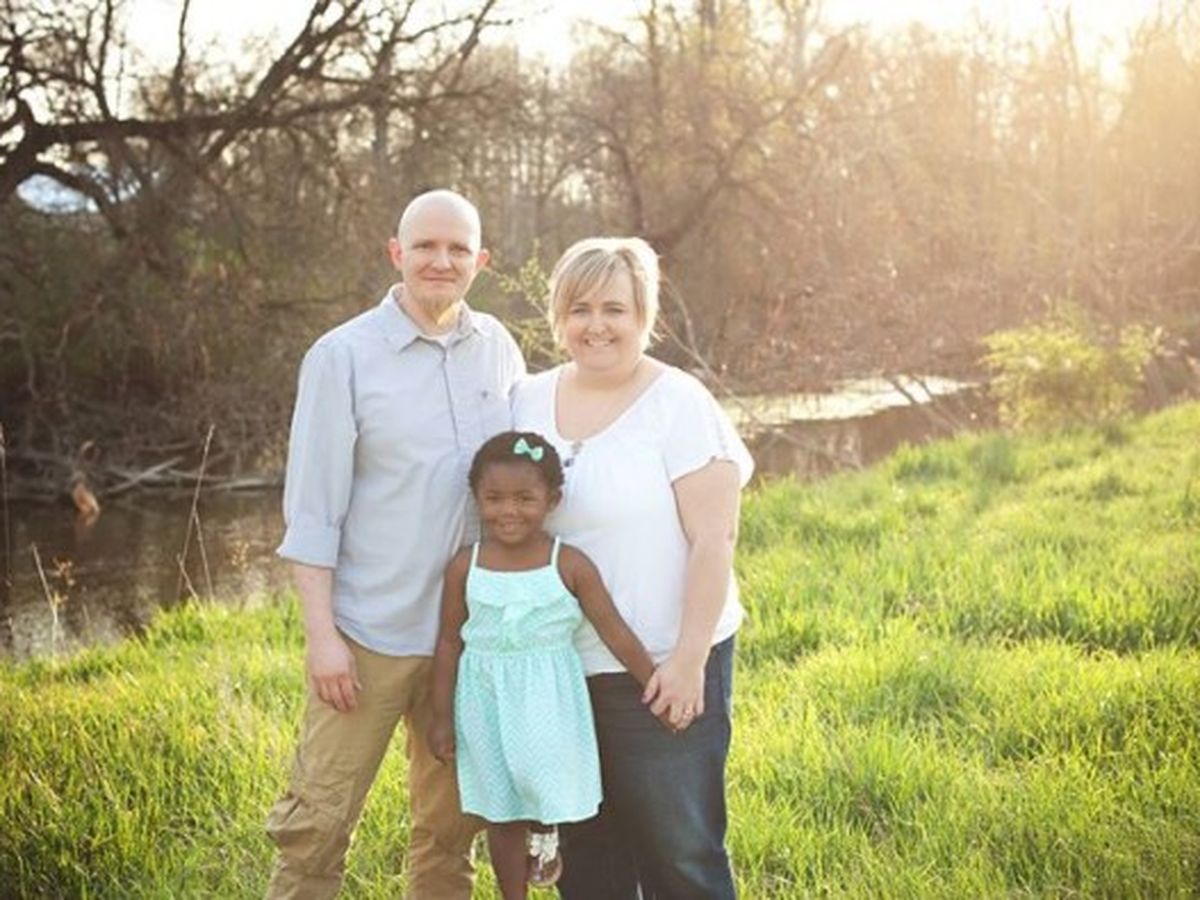
Adopting sibling groups involves welcoming two or more biological brothers and sisters into a permanent home simultaneously. This process prioritizes maintaining the vital bond between siblings, which is often the most enduring relationship in a child's life. It requires significant preparation, emotional resilience, and adequate physical and financial resources to support multiple children's unique and collective needs effectively.
Understanding the Landscape of Sibling Group Adoption
As of 2026, the emphasis within the child welfare system has shifted heavily toward "sibling-first" placements. Social workers and adoption agencies recognize that for children entering the foster care or adoption system, their siblings are often their only remaining link to their past, their identity, and their sense of safety. A sibling group is generally defined as two or more children related by blood or legal ties who need a permanent home together.
In many jurisdictions, the law now mandates that every reasonable effort must be made to place siblings together unless doing so is proven to be detrimental to the safety or well-being of one of the children. For prospective adoptive parents, this means that those willing to accept sibling groups often find the matching process moves more quickly than those seeking a single infant. However, the complexity of the transition is higher, as it involves navigating multiple personalities, developmental stages, and trauma histories all at once.
The primary goal of adopting sibling groups is to prevent "legal orphans"—children who have lost their parental rights but also lose their siblings due to a lack of available homes capable of taking multiple children. Families who step into this role provide a profound service by preserving the biological family unit in its most resilient form.
The Psychological and Developmental Benefits of Keeping Siblings Together
The decision to adopt a sibling group is backed by decades of psychological research indicating that children who remain with their siblings have better long-term outcomes. When children are removed from their biological parents, they experience a profound sense of loss. If they are also separated from their siblings, that trauma is compounded, often leading to a "grief upon grief" scenario that can manifest as severe behavioral issues or attachment disorders.
Continuity of Identity and History
Siblings share a common history and language. They understand the nuances of their previous home life in a way an adoptive parent never truly can. By staying together, they can validate each other’s experiences. This shared history acts as a protective factor, helping children maintain a sense of who they are during the tumultuous transition into a new family.
Reduced Trauma and Increased Stability
Research consistently shows that sibling placements are more stable than single-child placements for children coming from foster care. Children who have their siblings by their side tend to feel more secure in their new environment, which reduces the "fight or flight" response common in newly placed children. This security often leads to higher academic achievement, better social skills, and a lower likelihood of placement disruption (where the child is returned to the agency).
Natural Peer Support
Siblings provide an immediate, built-in support system. While they may squabble, they also offer comfort during the night, a playmate during the day, and a confidant when navigating the rules of a new household. This peer support can alleviate some of the emotional burden on the adoptive parents, as the children are not solely dependent on the adults for emotional regulation and companionship.
The Legal and Administrative Process in 2026
Adopting a sibling group follows the general framework of any domestic adoption but includes specific nuances regarding the home study and the matching phase. In 2026, the process is highly regulated to ensure that the adoptive home can physically and emotionally sustain multiple children.
1. Orientation and Initial Training
Prospective parents must complete state-mandated training, such as the Parent Resources for Information, Development, and Education (PRIDE) or Model Approach to Partnerships in Parenting (MAPP). When pursuing siblings, some agencies offer specialized modules focused on managing group dynamics and "parenting for permanency" with multiple trauma-impacted children.
2. The Comprehensive Home Study
The home study for a sibling group is more rigorous regarding physical space and financial stability. Social workers will evaluate:
- Sleeping Arrangements: Most states require a certain amount of square footage per child and separate beds. While same-sex siblings can often share a room, there are age-specific rules (often up to age 5 or 7) regarding opposite-sex siblings sharing a bedroom.
- Transportation: The family must demonstrate they have a vehicle capable of safely transporting the entire group, including necessary car seats or boosters.
- Financial Buffers: While you do not need to be wealthy, you must show that your income can cover the increased costs of food, clothing, and medical care for multiple children.
3. The Matching and Transition Phase
Once the home study is approved, you will be presented with "referrals" or "child studies." For sibling groups, these documents include detailed information on each child and a "sibling bond assessment." This assessment, conducted by a professional, outlines the nature of the children's relationship and confirms that they should be placed together.
Transitioning a sibling group is often a tiered process. It may begin with supervised visits at a neutral location, progress to weekend stays, and eventually lead to a full placement. In 2026, many agencies utilize "virtual bridge" programs, allowing children and parents to interact via secure video calls before physical meetings to build familiarity.
Financial Considerations: Subsidies and Tax Credits
One of the most significant barriers to adopting sibling groups is the perceived cost. However, because sibling groups are often categorized as "special needs" by the state—not necessarily due to medical issues, but because of the difficulty in placing multiple children together—significant financial support is often available.
Adoption Assistance Program (AAP)
Most children adopted as part of a sibling group from the foster care system are eligible for monthly adoption subsidies. These payments continue until the children reach 18 (or sometimes 21 if they remain in school) and are intended to help cover the costs of their daily needs and specialized therapies.
The Federal Adoption Tax Credit (2026 Status)
As of 2026, the Federal Adoption Tax Credit remains a vital resource. For families adopting siblings, this credit is often applicable for each individual child, provided they meet the IRS criteria. It is a non-refundable credit that can be used to offset federal income tax liability. Families should consult a tax professional to understand how the credit applies to "special needs" designations, which often allow for the full credit regardless of actual expenses.
Medical Coverage
Children adopted from the public foster care system in the United States generally remain eligible for Medicaid until they reach adulthood. This is a critical benefit, as it covers medical, dental, and mental health services, ensuring that the cost of therapy—which is often essential for sibling groups—is not a burden on the parents.
Practical Challenges and Strategic Adjustments
While the benefits are numerous, the logistical and emotional challenges of adopting a sibling group are substantial. Parents must be prepared to change their lifestyle and parenting approach to accommodate the "instant family" dynamic.
| Feature | Single Child Adoption | Sibling Group Adoption |
|---|---|---|
| Adjustment Period | Focuses on one child's bonding. | Managing multiple unique attachment timelines. |
| Physical Space | Standard nursery or bedroom. | Multiple bedrooms or large shared spaces required. |
| Financial Impact | Incremental increase in expenses. | Immediate, significant jump in household costs. |
| Logistics | Standard vehicle and scheduling. | Large vehicle and complex extracurricular coordination. |
| Trauma Dynamics | Individualized trauma processing. | Navigating "shared trauma" and sibling rivalry. |
| Legal Process | Standard home study and matching. | Rigorous vetting of resources and group capacity. |
Managing "Shared Trauma"
Siblings who have survived neglect or abuse together often develop complex roles. One child might be the "protector" or "parentified child," while another may be the "scapegoat." When they enter an adoptive home, these roles can interfere with the parents' ability to lead. Addressing this requires specialized therapy to help the "protector" child learn to be just a child again, and the "parentified" child to trust the adults in the home.
Time and Emotional Bandwidth
The most common mistake new adoptive parents make is underestimating the "time-per-child" requirement. Each child in the group needs individual "special time" with each parent to form a unique bond. This can be difficult when one child in the group has high needs that tend to monopolize the parents' attention.
Support Systems for Sibling Group Families
Success in sibling adoption is rarely achieved in isolation. Families need a robust network of professional and community support to navigate the first few years of placement.
- Therapeutic Intervention: Look for therapists specializing in Trust-Based Relational Intervention (TBRI). This approach is particularly effective for sibling groups as it focuses on attachment and the underlying causes of behavior rather than just the behavior itself.
- Support Groups: Joining a group specifically for sibling-group parents is invaluable. Other parents can offer practical advice on everything from "how to cook for six on a budget" to "how to handle synchronized meltdowns."
- Educational Advocacy: Children in sibling groups may have varying educational needs. Some may require Individualized Education Programs (IEPs). Parents often need to become experts in navigating the school system to ensure each child receives the necessary support.
FAQs About Adopting Sibling Groups
What is the average age of children in a sibling group?
In 2026, sibling groups in the foster care system vary widely, but they often include at least one child over the age of five. While it is possible to find sibling groups of infants or toddlers, it is much more common for groups to consist of a mix of school-aged children and younger siblings. Families open to older children often find the matching process much faster.
Can we adopt just one child from a sibling group?
Agencies and courts strongly discourage the separation of siblings. Separating siblings is typically only considered if one child poses a physical danger to the others or if their therapeutic needs are so diametrically opposed that they cannot safely reside in the same home. Generally, if you are not prepared to take the entire group, you will not be considered for the placement.
Do we need a large house to adopt a sibling group?
You do not need a mansion, but you do need "adequate" space. This usually means that children of the same gender can share a room, but each must have their own bed. In 2026, social workers are increasingly flexible with creative room configurations, such as finished basements or divided large rooms, provided they meet local fire and safety codes.
What if the siblings have different fathers or mothers?
For legal and placement purposes, "siblings" includes half-siblings and sometimes even "psychological siblings"—unrelated children who have lived together for a long period and formed a sibling-like bond. The goal is to preserve the family unit as the children define it, regardless of biological percentages.
Is the adoption process more expensive for multiple children?
If you are adopting through the public foster care system, the costs are minimal, regardless of the number of children. Most expenses, including the home study and legal fees, are reimbursed or covered by the state. Private domestic or international adoption of siblings can be more expensive due to increased paperwork and travel costs, though many private agencies offer "sibling discounts" on their professional fees.
Practical Next Actions
If you are considering adopting a sibling group, your first step should be to attend a local informational meeting hosted by your state’s Department of Social Services or a reputable private agency. These meetings provide a realistic look at the children currently waiting for homes in your region.
Before your home study begins, conduct a "resource audit." Evaluate your current vehicle, your bedroom count, and your childcare options. Most importantly, speak with a family therapist who understands adoption trauma to prepare your own emotional foundation. Adopting a sibling group is not just an addition to your family; it is a total transformation of your family’s identity. With the right preparation, it can be the most rewarding journey of your life.