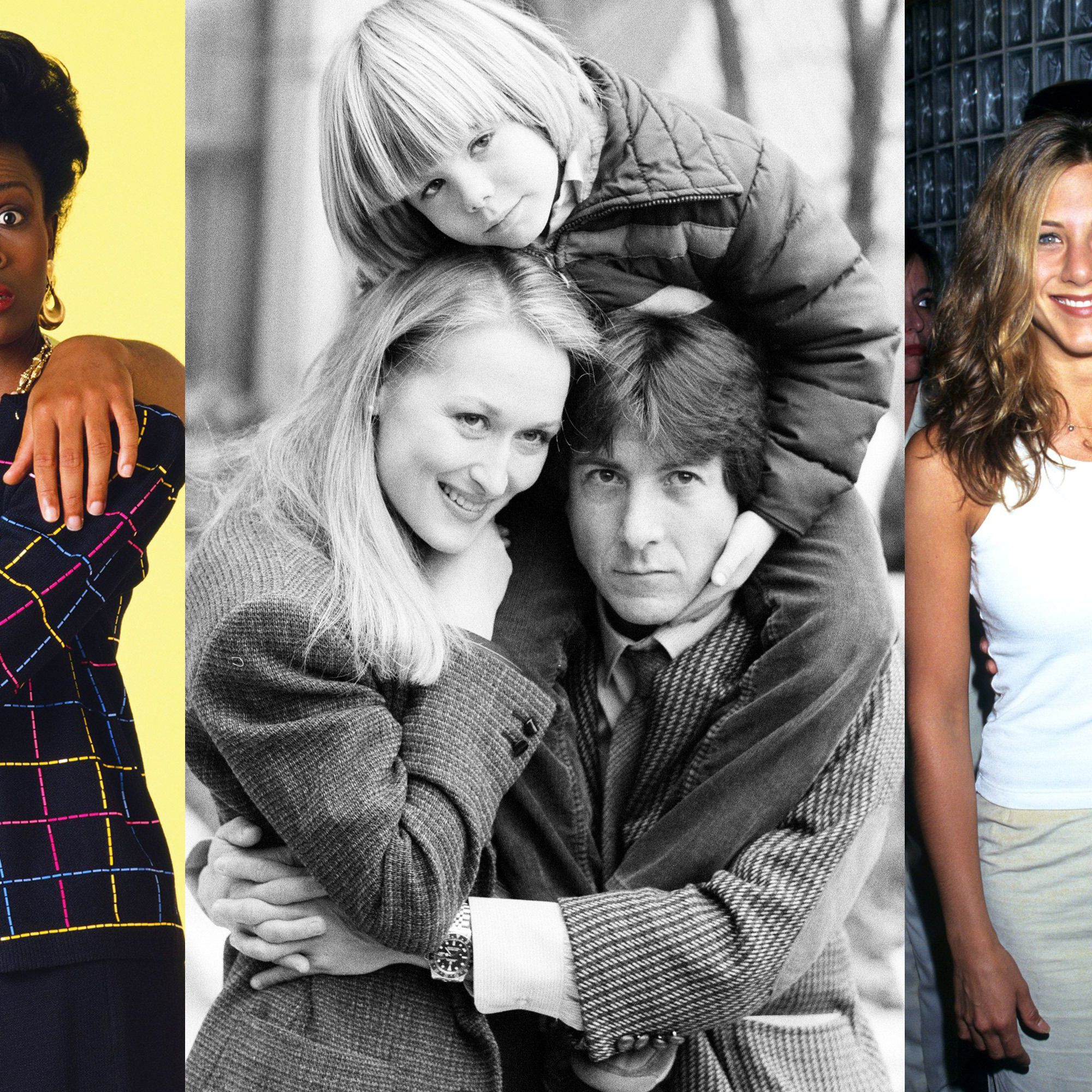
Hollywood operates on the illusion of harmony, where press junkets, promotional tours, and red-carpet appearances project an image of effortless camaraderie among co-stars. Yet, beneath the glamour of the studio system lies a turbulent reality: intense interpersonal clashes, creative differences, and personality conflicts have plagued film and television sets since the silent era. When actors who hate each other in hollywood are forced to share a frame, the resulting friction often manifests as palpable screen chemistry—or, conversely, a complete breakdown in production that requires creative editing, body doubles, and stringent contractual clauses to manage.
The Psychology of On-Set Conflict and Creative Friction
Understanding why cinematic partnerships fracture requires examining the unique pressures of the filmmaking environment. Unlike traditional corporate settings where dissenting colleagues can avoid one another, film sets force mismatched personalities into high-stress, high-stakes conditions for months at a time. Long hours, physical exhaustion, emotional vulnerability required for dramatic performances, and immense financial pressure create a pressure cooker.
Creative differences frequently spark the most enduring feuds. Method actors who stay in character indefinitely often clash with classical actors who view performance purely as a technical craft. For instance, an actor committed to grueling psychological immersion may find it impossible to tolerate a co-star who treats the production like a 9-to-5 job, leading to mutual resentment. Furthermore, ego, competition for screen time, billing disputes, and differential compensation fuel bitterness. When two alpha personalities occupy the same space, the battle for dominance often spills off-screen, poisoning the working environment for directors, crew members, and supporting cast.
Historical Precedents: The Golden Age of Studio Feuds
Interpersonal animosity is not a modern phenomenon born of social media scrutiny and tabloid journalism; it is woven into the very fabric of cinematic history. During the Golden Age of Hollywood, the major studios maintained strict control over talent, often pairing incompatible stars deliberately to generate publicity or maximize box-office appeal.
Bette Davis and Joan Crawford
One of the most legendary and documented rivalries in cinema history occurred between Bette Davis and Joan Crawford during the production of Whatever Happened to Baby Jane? (1962). Their mutual disdain was rooted in competing studio styles, contrasting personalities, and historical slights regarding Academy Awards and romantic interests. Rather than hiding this animosity, director Robert Aldrich capitalized on it. The psychological tension visible on screen was entirely authentic; physical altercations, including a scene where Davis kicked Crawford in the head, were driven by genuine malice. This feud demonstrated how studio executives could weaponize real-world hatred to drive commercial success, establishing a precedent that continues to influence modern casting strategies.
Clark Gable and Marilyn Monroe
On the set of The Misfits (1961), screen icon Clark Gable and bombshell Marilyn Monroe experienced a profoundly difficult working relationship. Monroe’s chronic lateness, personal struggles, and reliance on acting coaches infuriated Gable, who represented the old-school, ultra-professional studio system where punctuality and preparedness were paramount. Monroe, conversely, felt unsupported and intensely scrutinized by her aging co-star. The physical toll of the production contributed to Gable's fatal heart attack shortly after filming wrapped, cementing the project's tragic legacy and highlighting the human cost of unmanaged on-set friction.
Modern Cinematic Clashes: When Blockbusters Become Battlegrounds
As budgets escalated and production schedules grew tighter, modern Hollywood feature films continued to produce high-profile personality clashes. Unlike the studio-managed publicity feuds of the past, contemporary conflicts often leak through anonymous crew reports, candid interview slip-ups, and social media distancing.
Bill Murray and Lucy Liu
During the filming of Charlie’s Angels (2000), tension between star Bill Murray and co-star Lucy Liu boiled over into an alleged physical confrontation. Reports indicated that Murray criticized Liu's acting abilities during a scene rehearsal, prompting a sharp and immediate defense from Liu. Murray did not return for the 2003 sequel, Charlie's Angels: Full Throttle, with public explanations citing creative differences, though industry insiders widely acknowledged the irreconcilable divide between the actors.
Dwayne Johnson and Vin Diesel
The multi-billion-dollar Fast & Furious franchise has provided a public stage for off-screen ego battles, most notably between Dwayne Johnson and Vin Diesel during the production of The Fate of the Furious (2017). Johnson famously took to social media to criticize unnamed male co-stars for displaying unprofessional behavior and a lack of candy-ass discipline. Subsequent reporting confirmed the target was Diesel, with the two actors reportedly requiring separate filming schedules and adjusted dialogue loops to avoid sharing physical space during pivotal scenes.
Managing the Chaos: How Studios Handle Feuding Stars
When irreplaceable talent refuses to speak to one another, studio executives, directors, and editors must employ sophisticated mitigation strategies to salvage multi-million-dollar investments.
| Management Strategy | Implementation Method | Primary Purpose |
|---|---|---|
| Digital Compositing | Using CGI and split-screen filming techniques to merge actors into the same frame who were filmed on different days. | Eliminates the need for physical proximity during heated confrontations. |
| Body Doubles & Stand-ins | Utilizing look-alikes for over-the-shoulder reaction shots and wide angles where facial clarity is secondary. | Reduces required contact hours between hostile principal actors. |
| Contractual Clauses | Inserting explicit riders into talent agreements dictating minimum distance, separate trailers, and public non-disparagement. | Legally enforces professional boundaries and protects studio PR. |
| Staggered Press Tours | Structuring international press junkets so that warring leads never appear on the same interview panel or stage. | Prevents awkward media moments and unscripted verbal confrontations. |
These logistical hurdles add significant overhead to production budgets. Directors must storyboard scenes with extreme precision, avoiding two-shots and intimate interactions in favor of alternating close-ups that mask the absence of genuine spatial interaction.
Frequently Asked Questions
Do actors who hate each other ever become friends later in life?
While rare, reconciliation does occur. Time, maturity, and shared survival of a chaotic production can soften animosity. For example, George Clooney and David O. Russell experienced a notoriously physical altercation on the set of Three Kings (1999), but both later expressed regret and moved past the creative differences that fueled the clash.
How do directors spot potential personality clashes before casting?
Casting directors and producers conduct extensive chemistry reads, review historical collaborative patterns, and consult assistant directors and crew members who have direct experience with specific talent temperaments. However, high financial stakes often override behavioral warnings, leading studios to cast volatile actors regardless of potential friction.
Does on-set hatred always ruin the final film?
Not necessarily. In many cases, professional boundaries allow actors to turn their animosity off the moment the director yells "cut." Furthermore, intense psychological tension can heighten realism in dramatic thrillers or adversarial character dynamics, turning personal dislike into a surprising artistic asset.
Can actors be fired for refusing to work with a co-star?
Termination depends heavily on contractual leverage, box-office draw, and union regulations. A-list actors holding backend profit participation or producer credits possess immense leverage, making it more likely that the studio will accommodate their demands—such as altering the script or shooting schedule—rather than terminating their contract.
What is the most common cause of actor feuds?
Ego, competing acting methodologies, and disputes over promotional billing or screen time represent the primary catalysts for friction. When creative visions collide with personal insecurity, professional relationships deteriorate rapidly.
Strategic Outlook and Final Takeaways
The phenomenon of actors who hate each other in Hollywood reveals the complex intersection of art, commerce, and human psychology. While public perception often assumes that great cinema requires deep camaraderie, film history proves that brilliant performances can emerge from profound mutual antipathy. For aspiring industry professionals and film enthusiasts alike, understanding these dynamics demystifies the cinematic process. Behind every seamless cinematic masterpiece often lies a masterclass in diplomacy, logistical engineering, and professional compartmentalization.