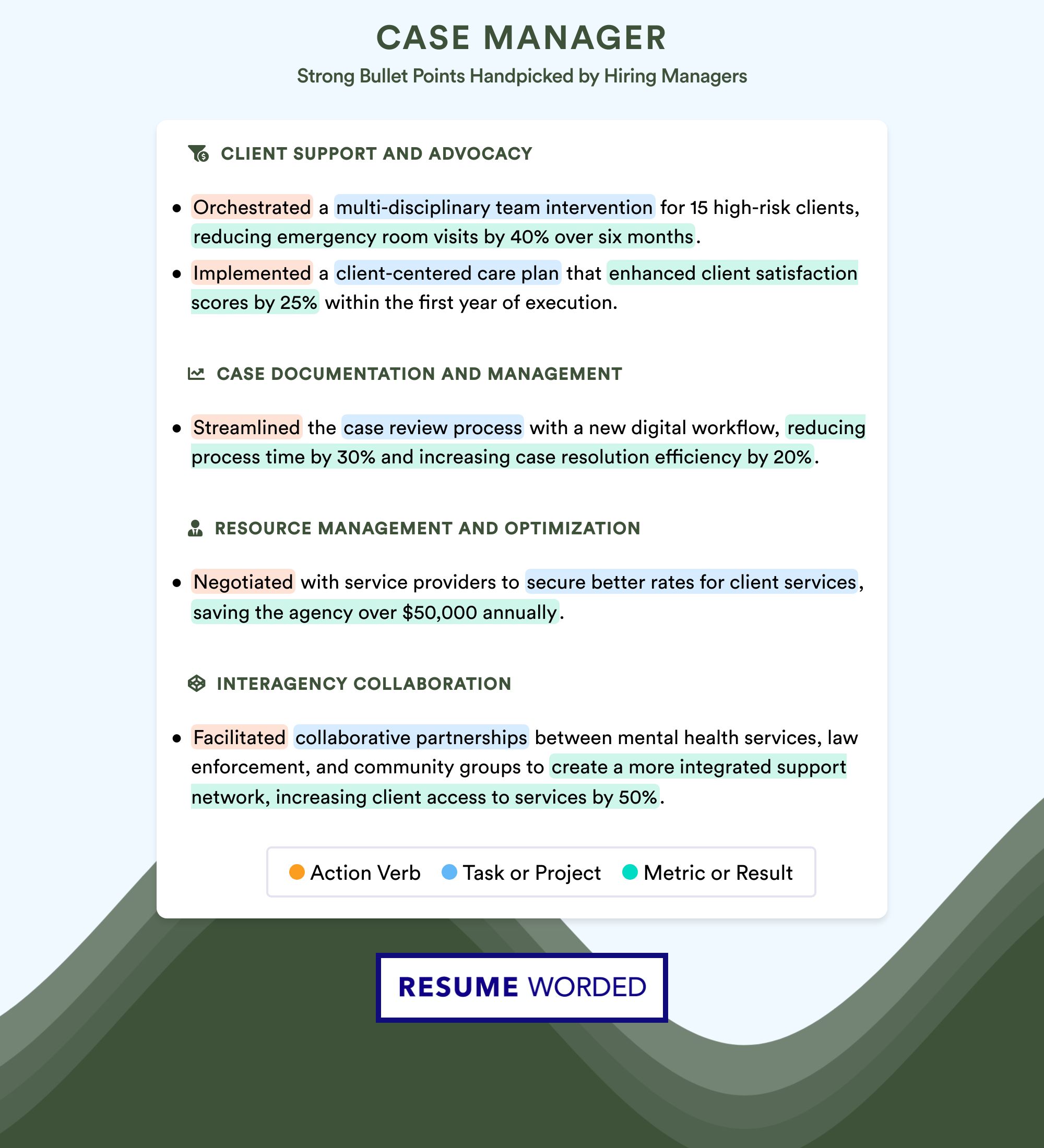
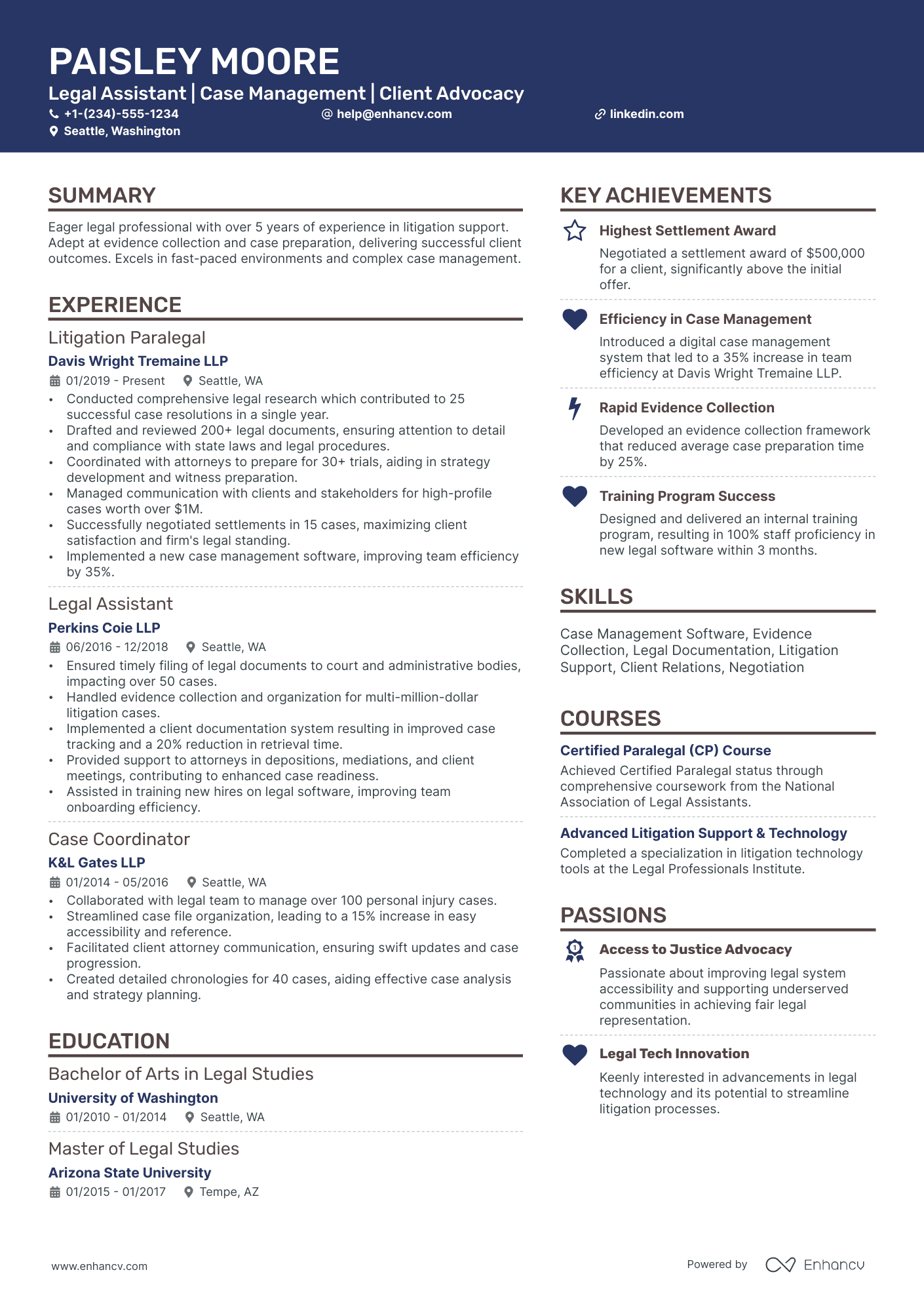
An accredited case manager certification provides healthcare and social service professionals with the formal recognition of their expertise in patient advocacy, care coordination, and resource management. By meeting rigorous education, experience, and examination requirements, professionals demonstrate competency in navigating complex healthcare delivery systems, ultimately improving patient outcomes, reducing unnecessary costs, and ensuring the delivery of high-quality, evidence-based care.
Understanding the Role of an Accredited Case Manager
Case management is a collaborative process of assessment, planning, facilitation, care coordination, evaluation, and advocacy for options and services to meet an individual's and family's comprehensive health needs through communication and available resources. A certified case manager (CCM) or an accredited professional acts as the bridge between the patient, their family, the healthcare providers, and the insurance payers.
The primary objective is to promote quality, cost-effective outcomes while maintaining patient safety. In today's complex healthcare landscape, where managed care, electronic health records, and multidisciplinary treatment teams are the standard, the role of the case manager has shifted from a purely administrative function to a clinical, strategic role. Accreditation serves as a formal validation that a practitioner possesses the necessary critical thinking skills and ethical grounding to navigate these demands.
Why Certification Matters in 2026
As of 2026, the demand for high-quality care coordination continues to rise due to an aging population, the prevalence of chronic illnesses, and the increasing complexity of insurance and regulatory environments. For employers, certification acts as a standardized benchmark for hiring and performance assessment.
For the professional, certification offers:
- Professional Credibility: It serves as an objective verification of knowledge that distinguishes a practitioner from their non-certified peers.
- Career Advancement: Many hospitals, insurance companies, and managed care organizations prioritize or mandate certification for leadership or senior-level case management positions.
- Ethical Foundation: Accredited certifications require adherence to a strict code of ethics, which provides a professional framework for handling challenging dilemmas in patient care.
- Continuous Learning: Maintaining certification requires ongoing education, ensuring that professionals remain current with legislative changes, advancements in medical technology, and shifts in healthcare policy.
Primary Certification Bodies and Pathways
The landscape for case management certification is dominated by a few key organizations, each with its own specific focus and requirements. Selecting the right certification depends largely on your background—whether you are a registered nurse (RN), a social worker (LCSW/MSW), or another licensed healthcare provider.
The Commission for Case Manager Certification (CCMC)
The CCMC offers the Certified Case Manager (CCM) credential, which is widely considered the "gold standard" in the industry. The CCM is a multidisciplinary credential, meaning it is open to nurses, social workers, and other health professionals who meet the eligibility criteria.
The American Nurses Credentialing Center (ANCC)
The ANCC offers the Board Certified Nurse Case Manager (RN-BC) credential. This is strictly for registered nurses and is specifically focused on the nursing process within the context of case management.
The National Academy of Certified Care Managers (NACCM)
The NACCM offers the Certified Care Manager (CCM) credential specifically for those working in geriatric and long-term care, focusing on the specific needs of elderly populations and those with disabilities.
Determining Eligibility Requirements
Eligibility for these certifications is not universal; it is based on a combination of licensure, education, and professional experience. Most certifying bodies require the following:
- Current Licensure: You must hold an active, unrestricted license in a health or human services profession (e.g., RN, LCSW, LPC, or a relevant degree in rehabilitation or counseling).
- Work Experience: Applicants typically must document a minimum number of years—often ranging from one to two years—of full-time experience in a case management role. This experience must encompass the "core components" of case management, such as assessment, planning, and advocacy.
- Supervised Experience: Some certifications require verification that a significant portion of your job description involves direct interaction with patients or clients, ensuring you are not simply performing administrative or clerical work.
- Academic Requirements: While some paths allow for experience to substitute for formal education, many require at least a bachelor’s degree in a health or human services field.
Comparison of Major Certification Paths
The following table summarizes the key distinctions between the major certification types available to professionals in 2026.
| Certification Body | Credential | Primary Target Audience | Core Focus |
|---|---|---|---|
| CCMC | CCM | Multidisciplinary (RNs, SWs, etc.) | Broad Healthcare Coordination |
| ANCC | RN-BC | Registered Nurses only | Nursing Process & Care Management |
| NACCM | CMC | Geriatric & Long-term care providers | Specialized Elderly/Disabled Support |
| ACM (ACMA) | ACM | Hospital/Health System Professionals | Acute Care & Transitions of Care |
The Application and Examination Process
Once you have identified the appropriate certification, the process generally follows a standardized sequence. It is vital to review the specific handbook provided by your chosen certifying body, as deadlines and fees are subject to annual adjustments.
Step 1: Documentation Gathering
Before applying, ensure you have copies of your professional licenses, transcripts, and a detailed job description signed by your supervisor. This documentation validates that your current role qualifies under the required professional practice domains.
Step 2: Application Submission
You will submit your application via the organization’s online portal. At this stage, you will pay the application fee. It is important to note that approval is not instantaneous; the certification body will verify your credentials, which can take several weeks.
Step 3: Examination Preparation
Once approved, you will receive an "Authorization to Test." The examination itself is typically a computer-based test covering topics such as:
- Care delivery and reimbursement methods.
- Psychosocial aspects of care.
- Healthcare management and leadership.
- Ethical and legal issues in case management.
- Quality and outcomes evaluation.
Preparation often involves reviewing the official "Body of Knowledge" documents published by the organization and utilizing practice tests.
Maintaining Your Certification
Certification is not a "one-and-done" milestone. To keep your credential active, you must participate in ongoing professional development. This is usually managed through a "renewal cycle," typically lasting five years.
Requirements for renewal usually include:
- Continuing Education Units (CEUs): You must accumulate a specified number of contact hours in topics relevant to case management.
- Continued Practice: You must continue to work in a role that utilizes your case management skills.
- Ethics Requirement: Many boards specifically require a portion of your CEUs to be dedicated to ethics in practice.
- Renewal Fees: A fee is required every cycle to process the renewal of your credentials.
Failure to meet these requirements within the allotted timeframe will result in the expiration of your certification, often necessitating the completion of the full examination process again to regain it.
Common Challenges and Troubleshooting
"My job title isn't 'Case Manager.'"
Many professionals struggle with the assumption that their job title must literally be "Case Manager" to qualify. In reality, most certifying bodies look at the functions you perform. If you are assessing patients, coordinating care transitions, or managing resources for clients, you likely qualify. You will need to provide a formal job description that details these responsibilities to the board for review.
Exam Anxiety and Preparation Gaps
The most common mistake candidates make is over-relying on anecdotal experience and failing to study the specific terminology used by the certifying body. For example, the CCMC's definitions of "advocacy" or "utilization review" might differ slightly from the internal terminology used at your specific hospital. Always study the official glossary provided in the exam candidate handbook.
Verification Delays
If you are approaching a deadline, ensure your supervisor is prepared to sign off on your employment verification quickly. Delays in employer verification are the most frequent cause for missed exam windows. If you find your application stalled, contact the certifying body’s candidate services department directly; they can often provide guidance on what specific information is missing from your file.
Frequently Asked Questions
Is an accredited case manager certification legally required to work?
No. In most jurisdictions, certification is a voluntary professional designation rather than a legal requirement to practice. However, many employers in hospitals, insurance companies, and government agencies require it as a condition of employment or as a prerequisite for promotion into senior roles.
Can I sit for the exam before I have all my hours?
Generally, no. You must meet all eligibility criteria, including the full number of required hours or months of work experience, before you are allowed to sit for the examination. Applying early may result in an automatic rejection, which can complicate future applications.
Are there international equivalents for this certification?
While the organizations listed here are primarily based in the United States, their certifications are often recognized globally in healthcare organizations that utilize American standards of care. If you are practicing outside the U.S., check with your national nursing or social work regulatory board to see if they recognize these specific credentials.
What is the difference between a board-certified nurse and a certified case manager?
A board-certified nurse has demonstrated specialty knowledge in a specific clinical area (like medical-surgical or critical care), whereas a certified case manager has demonstrated competency in the processes of care coordination across a spectrum of health services, regardless of the patient's specific clinical diagnosis.
How much does it cost to get certified?
Costs vary by organization but generally range from $300 to $600 for the initial application and examination. This fee covers the cost of processing your application, creating the exam, and managing the certification database. Many employers will offer reimbursement for these costs as a professional development benefit.
Recommended Next Actions
To move forward with your certification, your first step should be to visit the websites of the primary organizations mentioned—specifically the CCMC or the ANCC—to download their most recent "Candidate Handbook." Read the eligibility requirements thoroughly and create a checklist of your own professional experience compared to their criteria.
Once you confirm your eligibility, schedule your examination window at least six months in advance. This provides a structured timeline for study and ensures that any documentation issues with your employer can be resolved well before the test date. By formalizing your expertise, you not only improve your professional standing but also provide a higher level of assurance to the patients and families who rely on your coordination skills.