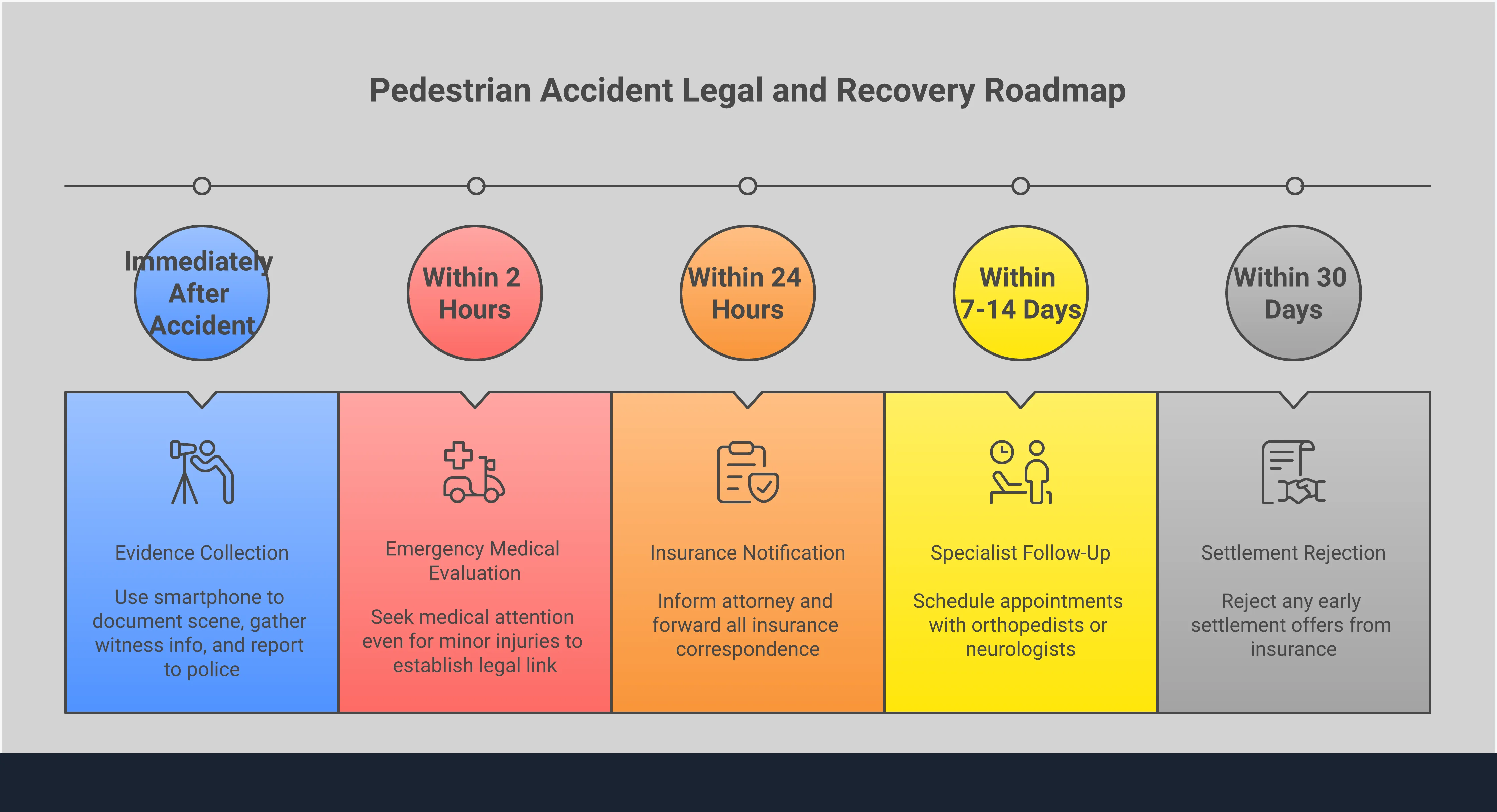
When navigating the aftermath of a personal injury in Springfield, Illinois, understanding how accident attorneys structure their fees and knowing the critical legal deadlines is essential for protecting your rights. Most personal injury attorneys in Illinois operate on a contingency fee basis, meaning they only collect a fee if they secure a settlement or court award, while strict statutory deadlines, known as statutes of limitations, dictate the time you have to file a formal lawsuit.
The Financial Framework: How Personal Injury Attorneys Charge
For many individuals, the prospect of hiring a lawyer creates significant anxiety regarding potential upfront costs. In the landscape of Illinois personal injury law, the standard model for payment is the contingency fee agreement. This structure is designed to provide access to justice regardless of an individual's current financial circumstances.
Understanding Contingency Fee Agreements
Under a contingency fee arrangement, the attorney’s payment is contingent upon a successful outcome. If the attorney does not recover compensation for you—whether through a negotiated settlement or a jury verdict—you typically do not owe them attorney’s fees. This model shifts the financial risk from the client to the law firm, as the firm essentially "invests" the time and resources required to build your case.
It is important to understand that "fees" and "costs" are distinct components in these agreements. While the contingency fee represents the attorney's payment for services, case costs—such as court filing fees, medical record procurement fees, expert witness testimony, and deposition transcripts—are often handled differently. Some firms advance these costs and deduct them from the final settlement, while others may require reimbursement periodically. Always read your retainer agreement carefully to determine how these expenses are treated.
Typical Percentage Structures
In Illinois, contingency fees typically range between 33.3% and 40% of the total recovery. This percentage may vary based on the complexity of the case, the stage at which the case is resolved (e.g., pre-litigation settlement versus trial), and the specific firm’s policies. Cases that require extensive litigation, trial preparation, and expert testimony often lean toward the higher end of this spectrum due to the increased investment and risk taken by the firm.
Critical Timeframes: The Statute of Limitations in Illinois
While financial arrangements are central to the attorney-client relationship, the timeline for action is governed by rigid state laws. In Illinois, the statute of limitations is a legal deadline that determines the maximum time allowed to file a lawsuit after an accident occurs.
Illinois Statute of Limitations for Personal Injury
Under the Illinois Code of Civil Procedure (735 ILCS 5/13-202), the statute of limitations for most personal injury cases is two years from the date of the injury. If you fail to file a lawsuit within this two-year window, you will likely lose the legal right to pursue compensation, as the court will almost certainly dismiss the claim.
Exceptions to the Rule
There are limited circumstances that may alter this two-year window:
- Minors: If the injured party is a minor at the time of the accident, the statute of limitations is often tolled (paused) until they reach the age of 18, meaning they have two years from their 18th birthday to file.
- Legal Disability: If the victim is under a legal disability at the time of the injury, the clock may not start until the disability is removed.
- Discovery Rule: In specific, complex instances where an injury is not immediately apparent, courts may apply the discovery rule, which starts the clock on the date the injury was discovered or reasonably should have been discovered.
It is vital to consult with a qualified Springfield accident attorney early, as gathering evidence, medical records, and witness statements takes time. Waiting until the end of the two-year period can significantly jeopardize an attorney's ability to build a robust, evidence-backed case.
Comparative Overview of Legal Costs and Timelines
The following table provides a high-level summary of factors to consider when engaging legal counsel in Springfield regarding case expenses and procedural deadlines.
| Component | Common Practice/Requirement | Notes |
|---|---|---|
| Attorney Fee Model | Contingency Fee | Usually 33.3% to 40% of the recovery. |
| Payment Trigger | Settlement or Jury Verdict | No fee is paid if no compensation is won. |
| Case Costs | Advanced by firm or client | Deducted from gross recovery in most cases. |
| Statute of Limitations | 2 Years | Applies to most personal injury claims in IL. |
| Exception Deadlines | Variable | Minors or cases against government entities. |
| First Action Step | Formal Consultation | Essential for identifying early evidence needs. |
Why Early Legal Engagement Matters
Engaging an attorney immediately following an accident is not just about meeting deadlines; it is about preservation of evidence. In the days and weeks following an incident, accident scenes are cleared, surveillance footage is overwritten, and witness memories fade. An attorney can issue "spoliation letters" to relevant parties—such as businesses or local government bodies—to ensure that crucial evidence, such as dashcam footage or maintenance logs, is preserved rather than destroyed.
Furthermore, dealing with insurance companies requires a strategic approach. Insurance adjusters are trained to minimize payouts. Without legal representation, an individual may inadvertently make statements that compromise their claim. An attorney serves as the buffer between you and the insurance entity, ensuring that all communications are handled in a manner that protects your long-term interests.
Common Mistakes to Avoid
- Waiting to Seek Medical Treatment: Even if you feel "fine" initially, failing to document your injuries at the time of the accident creates a "gap in treatment." Insurance companies often use this gap to argue that your injuries were not related to the accident.
- Signing Documents Without Counsel: Insurance companies may offer an early settlement to resolve a case quickly. These offers are frequently far below the actual value of a claim and often include a waiver that prevents you from seeking further compensation for long-term complications.
- Posting on Social Media: Anything you post online—photos, status updates, or comments—can be scrutinized by defense attorneys. Privacy settings are not foolproof in the context of legal discovery.
- Misunderstanding the "Total" Case Value: Many individuals focus solely on immediate medical bills. An experienced attorney will account for future medical needs, lost wages, diminished earning capacity, and pain and suffering—elements that are often overlooked by those handling claims independently.
Frequently Asked Questions
Does the attorney's fee come out of my medical bills? Generally, the contingency fee is calculated based on the gross settlement amount. After the attorney takes their fee and the case costs are reimbursed, the remainder is used to pay for medical liens and the net compensation for the client. Your attorney should work to negotiate down medical liens to maximize your final payout.
What if I cannot afford the upfront costs of a lawsuit? Most reputable personal injury law firms in Springfield offer free initial consultations. Because they operate on a contingency basis, they typically cover the costs of litigation (such as filing fees and expert fees) as the case progresses, recouping those costs only if the case is won.
Can I switch lawyers if I am unhappy with my current representation? Yes, you have the right to change counsel. However, if you switch, your original lawyer may have a lien on the case for the work they have already performed. This is a complex process, so it is important to discuss the implications with your new potential attorney before making a switch.
Is a settlement taxable in Illinois? Generally, compensation for physical injuries or physical sickness is not considered taxable income by the IRS or the State of Illinois. However, portions of a settlement designated for lost wages or punitive damages may be subject to different tax treatments. You should always consult with a tax professional regarding your specific settlement.
What happens if I sue the city of Springfield or another government entity? Claims against government entities in Illinois are subject to the Local Governmental and Governmental Employees Tort Immunity Act. These claims often have much shorter notice requirements—sometimes as short as one year—to file a formal notice of intent to sue. If you are involved in an accident with a city vehicle or on city-maintained property, you must contact an attorney immediately to protect your right to file.
Taking the Next Step
If you have been injured, the most effective next step is to schedule a consultation with a personal injury attorney in Springfield. Bring all documentation related to the accident, including police reports, medical records, photographs of the scene, and any correspondence from insurance companies. Use this time to ask specific questions about the firm’s experience with cases similar to yours and their process for handling case costs. Protecting your future begins with understanding your position today.