Accessing free running record passages in PDF format requires identifying reputable educational repositories, ensuring texts match standard reading levels like Fountas & Pinnell or Lexile, and downloading materials that include built-in miscue analysis scoring guides for reading assessment.
Understanding Running Records and Assessment Passages
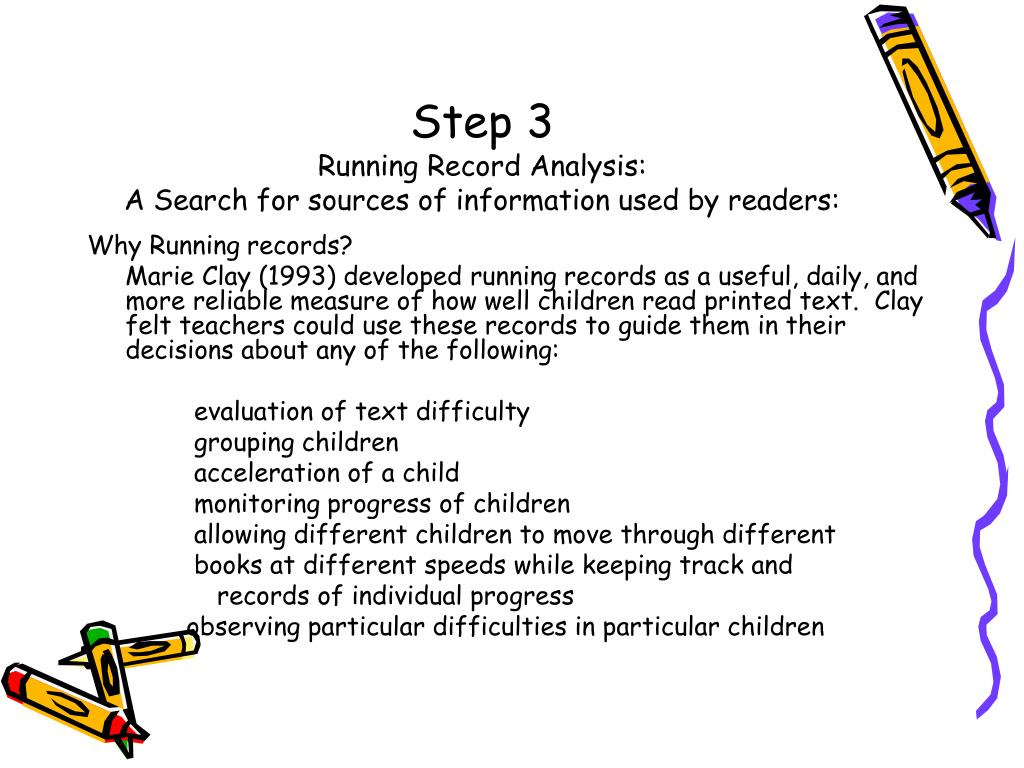
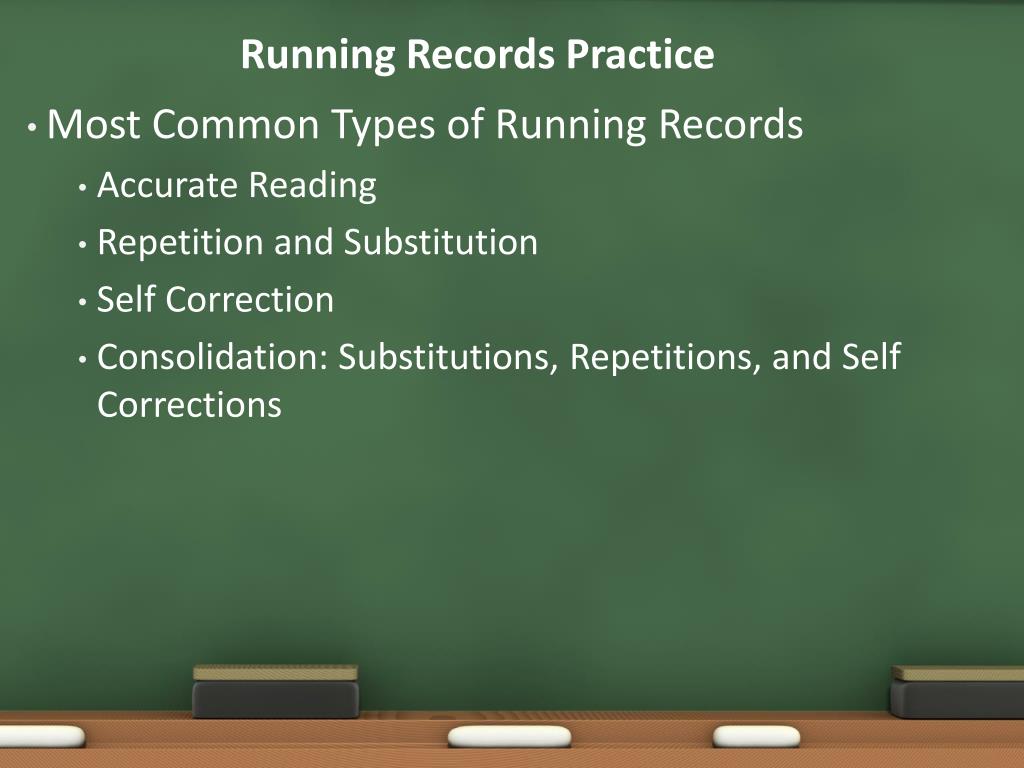
Running records are a diagnostic assessment tool used by educators, literacy specialists, and reading recovery teachers to capture and analyze oral reading behaviors in real time. Originating from the observational frameworks of Marie Clay, this methodology requires a student to read a benchmark text aloud while the teacher documents every word read correctly, substituted, omitted, or inserted. To execute this process efficiently, educators rely heavily on pre-formatted reading passages. These documents often come equipped with specific metadata, including word counts, reading recovery levels, genre classifications, and comprehension check questions.
Accessing these passages in a portable document format (PDF) is essential for modern classrooms. PDFs preserve formatting, ensuring that line breaks, spacing, and font sizes remain consistent whether viewed on a desktop computer, printed on physical paper, or projected onto a digital whiteboard. However, finding reliable, high-quality, and genuinely free running record passages in PDF can be challenging due to copyright restrictions, paywalls on proprietary literacy suites, and variations in leveling systems. Understanding how to navigate public domain repositories, open educational resource (OER) platforms, and publisher sample pages allows teachers to build robust assessment portfolios without straining school or personal budgets.
The Importance of Standardized Text Leveling
Before downloading or distributing any running record passage, educators must verify that the text aligns with a recognized leveling system. Running records depend on precise text difficulty to determine whether a student is reading at an instructional, independent, or frustrated level. Texts that are too easy fail to highlight decoding vulnerabilities, while texts that are too difficult overwhelm the reader and yield uninterpretable miscue patterns.
Several leveling systems dominate modern literacy instruction:
- Fountas & Pinnell (F&P) Text Level Gradient: Ranging from Level A to Level Z, this system evaluates text characteristics such as layout, sentence complexity, vocabulary, and conceptual difficulty.
- Lexile Framework for Reading: Measures text demand based on semantic difficulty and sentence length, utilizing a numerical scale followed by an "L" designation (e.g., 450L).
- Accelerated Reader (AR) / BookLevel: Calculates readability using formulas that assess word length and sentence length, commonly paired with computer-based comprehension quizzes.
- DRA (Developmental Reading Assessment): Utilizes a numerical progression (e.g., DRA 10, DRA 24) that closely mirrors the F&P gradient in primary grades.
When acquiring free running record passages in PDF, educators must cross-reference the stated level with the structural features of the text. Authentic running record texts should feature predictable sentence structures for early readers and progressively complex syntax, unfamiliar vocabulary, and abstract themes for advanced readers.
Major Sources for Free PDF Running Record Passages
Finding legal, high-quality, and printable running record passages requires looking toward trusted educational entities, state departments of education, and open-source literacy initiatives. Because reading passages are often copyrighted intellectual property, educators must exercise caution to avoid downloading pirated content or unverified material that lacks pedagogical rigor.
State Department of Education Portals
Many state departments of education provide free literacy toolkits, intervention manuals, and diagnostic guides for teachers. States that emphasize early literacy initiatives frequently publish downloadable PDF modules that include benchmark reading passages, scoring sheets, and administration guidelines. These documents are thoroughly vetted by curriculum specialists and align with state standards. Searching government domains (using search operators like site:.gov) for "running record benchmark passages PDF" often yields official resources designed for public use.
Open Educational Resources (OER) Repositories
Platforms dedicated to open-source learning, such as OER Commons, EngageNY archives, and state-backed digital libraries, serve as valuable repositories for printable reading materials. While these sites may require a brief search filter adjustment to isolate reading diagnostics from general lesson plans, they frequently host complete leveled reading libraries. Content shared under Creative Commons licenses allows educators to download, print, and distribute these PDFs freely within their classrooms without violating copyright law.
University Literacy and Reading Clinics
University-affiliated reading centers and teacher preparation programs regularly publish instructional resources for pre-service and practicing teachers. These university extensions often upload diagnostic reading packets containing running record passages, miscue analysis recording sheets, and anecdotal note-taking templates. Because these materials originate from academic research institutions, they maintain high standards of instructional validity.
Publisher Sample Pages and Free Trials
Major educational publishing houses occasionally offer sample assessment kits, diagnostic samplers, or trial packs in PDF format to showcase their commercial literacy programs. While these downloads represent a fraction of a full proprietary curriculum, they provide immediate access to professionally leveled and formatted passages complete with teacher recording scripts.
Evaluating and Selecting PDF Resources for Assessment
Not all downloadable PDFs are created equal. When an educator secures a collection of free running record passages, a systematic evaluation process must occur before the documents are deployed in a live assessment setting. This vetting ensures validity, administrative ease, and alignment with student needs.
| Feature to Evaluate | What to Look For | Why It Matters |
|---|---|---|
| Formatting and Layout | Generous margins, clear fonts (14pt or larger for early levels), and uncluttered text placement. | Prevents visual crowding and helps the teacher track student finger-pointing and eye movement. |
| Scoring Accompaniments | Matching recording sheet (running record sheet) with line-by-line text mirroring. | Allows the assessor to record miscue symbols quickly without hand-copying text. |
| Word Count Accuracy | Explicitly stated total word count on the teacher scoring sheet. | Essential for calculating accuracy rates and self-correction ratios mathematically. |
| Content Appropriateness | Culturally responsive themes, clear imagery context, and age-appropriate vocabulary. | Keeps students engaged and ensures performance reflects true reading ability rather than cultural bias. |
Step-by-Step Guide to Accessing and Organizing PDFs
Navigating the digital landscape to build a functional running record library involves a structured workflow. Establishing a systematic approach prevents digital clutter and ensures immediate access during one-on-one reading assessments.
Step 1: Define Target Lexile or F&P Levels
Identify the specific reading levels required for your student cohort. Trying to download every available PDF without a targeted level leads to disorganized file storage and wasted preparation time. Focus your initial search on the specific bands your students are currently occupying (e.g., Levels I through L for second grade).
Step 2: Execute Targeted Searches Using Advanced Parameters
Use precise search terminology in search engines to bypass generic blogging sites and target direct PDF repositories. Combine terms like filetype:pdf, "running record passages", and specific leveling terminology. For example, searching for "running record benchmark passages Fountas and Pinnell filetype:pdf" isolates direct document links over commercial landing pages.
Step 3: Verify Copyright and Licensing Terms
Inspect the footer, header, or copyright page of the downloaded PDF. Confirm whether the document permits free classroom reproduction, distribution, and printing. Reputable open-source materials will explicitly state their usage rights or creative commons attribution requirements.
Step 4: Establish a Structured Digital Filing System
Organize downloaded PDFs into a hierarchical folder structure on your local drive or secure cloud storage. A recommended folder architecture includes:
Running_Records_Master/Primary_Levels_A_I/Intermediate_Levels_J_Q/Advanced_Levels_R_Z/Blank_Scoring_Templates/
Step 5: Test Print a Sample Page
Digital rendering engines can sometimes alter fonts, misalign symbol boxes, or crop margins when converting web-based documents to local PDF views. Always print a single test copy of a passage and its corresponding recording sheet before administering the assessment to a student.
Common Mistakes When Using Digital Running Records
Even experienced educators can encounter pitfalls when transitioning from physical assessment kits to digital PDF repositories. Recognizing these missteps ensures accurate data collection and protects instructional integrity.
- Using Uncalibrated Passages: Pulling a random story from the internet and guessing its reading level invalidates the diagnostic metrics of a running record. Every passage used must have an established, verified leveling pedigree.
- Neglecting the Teacher Scoring Sheet: Downloading only the student-facing reading copy without the corresponding teacher recording sheet forces the assessor to write out text manually during a live test, increasing the likelihood of missed miscues.
- Ignoring Font and Visual Clarity: Presenting a student with a PDF that features low-resolution scans, blurry text, or cramped line spacing introduces visual fatigue and decoding barriers unrelated to the student's actual reading ability.
- Failing to Secure Digital Files Locally: Relying solely on live web links for ongoing assessments creates vulnerability to broken URLs, removed web pages, or paywall transitions. Always download and archive PDF files locally.
Troubleshooting Access and Technical Issues
Educators frequently encounter technological hurdles when sourcing and preparing digital documents. Addressing these issues efficiently minimizes administrative downtime.
- Corrupted or Unsearchable PDFs: Some older scans exist merely as flattened images rather than text-searchable documents. If a PDF cannot be highlighted or lacks proper formatting, run it through an Optical Character Recognition (OCR) software tool or select an alternative, clean vector-based PDF.
- Print Scaling Discrepancies: PDF viewers often default to "Fit to Printable Area," which can distort standard margins designed for handwritten miscue notes. Ensure your print settings are configured to "Actual Size" (100% scale) before printing assessment documents.
- Restricted Editing or Watermarking: If a downloaded resource contains restrictive permissions that prevent printing, verify the source's legal distribution policy. Never use unauthorized cracking tools to bypass document protections; instead, seek officially distributed open-access alternatives.
Frequently Asked Questions
Can I use any leveled book for a running record?
While any text can theoretically be read aloud and analyzed, benchmark running records require texts with known difficulty levels, carefully controlled vocabulary, and verified word counts. Using uncalibrated books makes it difficult to compare student progress against established grade-level benchmarks.
How do I calculate reading accuracy from a running record PDF?
To find the accuracy rate, subtract the total number of errors (miscues, omissions, substitutions) from the total running word count. Divide that difference by the total word count and multiply by 100 to get a percentage. Formulas and scoring boxes are typically included on professional teacher recording sheets.
Are free online reading passages legally safe to print for a whole classroom?
It depends on the specific license attached to the document. Materials marked under Creative Commons, public domain documents, and official state department resources are generally safe for classroom printing. Commercial publisher samples are usually limited to evaluation purposes and may restrict mass duplication.
What is the difference between a running record and a formal reading inventory?
A running record is an observational assessment tool used on instructional-level texts during daily or weekly guided reading. A formal reading inventory (FRI) is a standardized, comprehensive diagnostic test that uses graded word lists and multiple passages to determine independent, instructional, and frustration reading levels across a broader span.
Why do some PDF passages lack teacher scoring sheets?
Many generic reading websites publish student stories for comprehension practice without considering diagnostic assessment needs. Always prioritize sources that package student reading texts alongside specialized teacher forms containing pre-counted word totals and miscue tracking lines.
Final Recommendations for Implementation
Accessing and utilizing free running record passages in PDF format is an effective way to maintain an agile, data-driven literacy program without incurring heavy supply costs. By sourcing materials from verified educational repositories, maintaining a rigorously organized digital filing system, and prioritizing texts with validated leveling metrics, educators can capture accurate diagnostic data. Always pair downloaded student texts with their corresponding teacher recording sheets, verify print scaling settings before assessment sessions, and continuously cross-reference student performance against established literacy benchmarks to guide targeted instructional interventions.