Universal life insurance is a type of permanent policy that combines a tax-advantaged cash value component with a flexible lifetime death benefit. Designed to adapt to changing financial circumstances over decades, these plans allow policyholders to adjust their premium payments and coverage amounts, distinguishing them from traditional whole life insurance.
Understanding Universal Life Insurance
When major media outlets like ABC News explore universal life insurance, the coverage typically addresses how these financial instruments function as both a safety net for beneficiaries and a potential accumulation tool for the policyholder. Unlike term insurance, which expires after a set number of years, permanent policies like universal life remain active for the entirety of the insured's life, provided sufficient funds are maintained within the account to cover ongoing administrative fees and mortality costs.
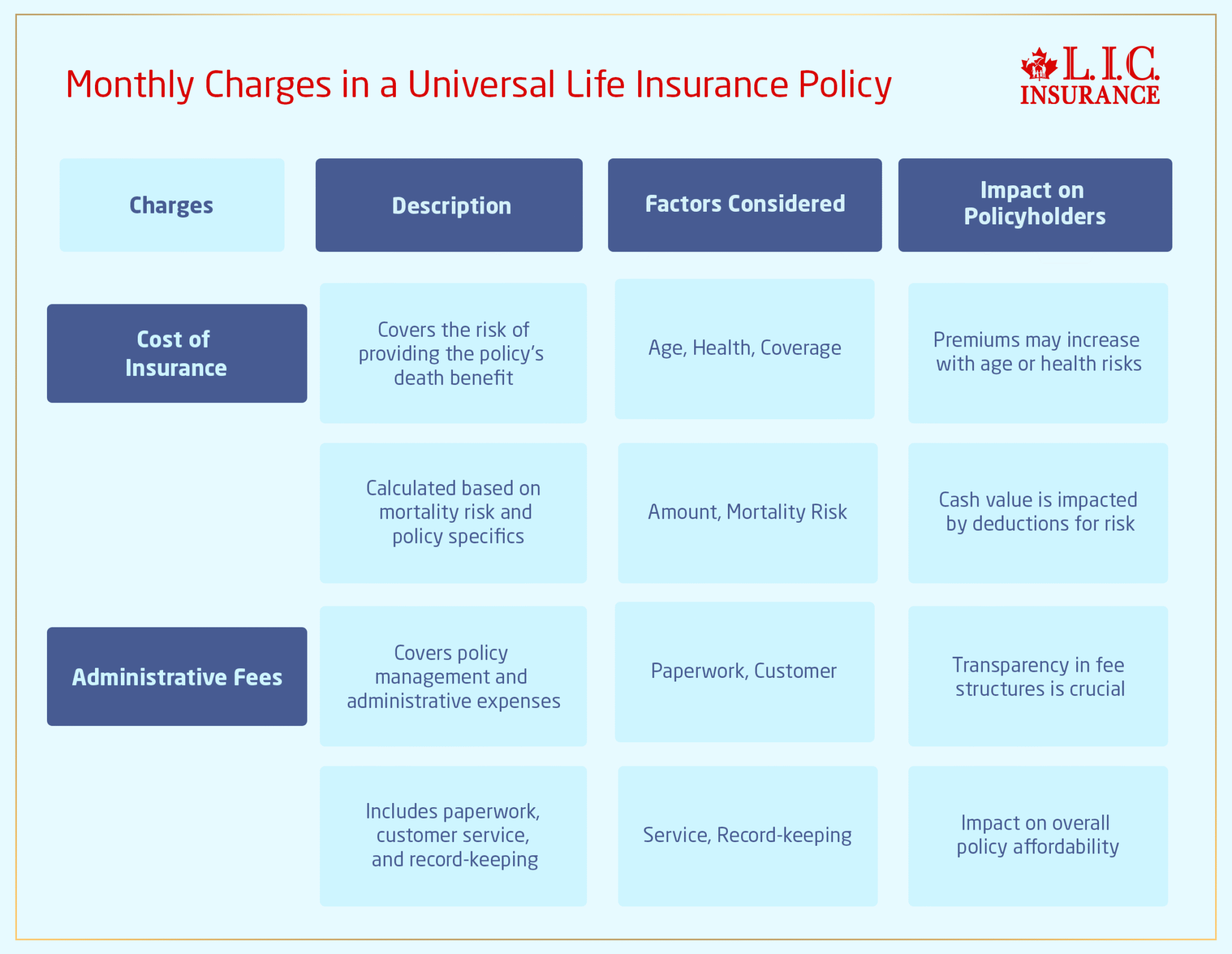
At its core, a universal life insurance policy is split into two primary elements: the pure insurance protection (the death benefit) and a cash value account that earns interest. The flexibility of universal life stems from its unbundled pricing structure. Insurance companies explicitly detail the cost of insurance, administrative fees, and the interest credited to the cash value, allowing consumers to see how their money is allocated each month.
Key Structural Components
To fully grasp how universal life policies operate, it is necessary to examine their internal mechanics:
- Net Amount at Risk: The difference between the total death benefit and the current cash value of the policy. As the cash value grows, the insurer’s actual financial risk decreases.
- Cost of Insurance (COI): A monthly deduction taken directly from the cash value to pay for the pure insurance protection. COI charges typically increase as the insured ages.
- Interest Crediting Rate: The rate at which the cash value grows, which is tied to market indexes, fixed interest rates, or a combination depending on the specific type of universal life product purchased.
- Flexible Premium Payments: Policyholders can generally choose how much they pay, within specified minimum and maximum limits set by the insurer, altering payments as their personal financial situation shifts.
Types of Universal Life Insurance Policies
The term "universal life insurance" is an umbrella category encompassing several distinct product variations. When evaluating these options, consumers must look closely at how risk and interest are managed.
| Policy Type | Primary Mechanism & Risk Profile |
|---|---|
| Traditional Universal Life (UL) | Offers adjustable premiums and death benefits with a declared minimum interest rate guarantee. |
| Indexed Universal Life (IUL) | Ties cash value growth to a market index (e.g., S&P 500) with a floor and cap on returns. |
| Variable Universal Life (VUL) | Directs cash value into sub-accounts similar to mutual funds, carrying higher investment risk. |
| Guaranteed Universal Life (GUL) | Focuses on lifetime coverage longevity rather than cash accumulation, with minimal cash growth. |
Traditional Universal Life
Traditional universal life represents the baseline product. It offers a fixed minimum interest rate guaranteed by the insurance company, shielding the policyholder from market downturns while offering the flexibility to adjust premiums. However, in low-interest-rate environments, the credited interest may barely outpace policy fees.
Indexed Universal Life (IUL)
Indexed universal life allows policyholders to link their cash value growth to the performance of an external financial index, such as the S&P 500, without directly investing in the stock market. These policies typically feature a "floor" (often 0%) to protect against market losses, alongside a "cap" that limits the maximum interest credited during high-performing market years.
Variable Universal Life (VUL)
Variable universal life introduces direct investment risk. Policyholders allocate their cash value among various sub-accounts, which invest in equities, bonds, and balanced funds. While VUL policies offer the highest potential for long-term cash growth, they also carry the risk of significant financial loss if the underlying sub-accounts underperform, potentially requiring higher out-of-pocket premium payments to keep the policy active.
The Mechanics of Cash Value Growth and Flexibility
The primary selling point of universal life insurance is flexibility. However, that flexibility requires active management by the policyholder. Understanding how premiums, cash value, and loans interact is vital to preventing policy lapse.
Premium Flexibility
Policyholders can choose to pay more than the minimum required premium during high-income years, building up a cash reserve. In leaner years, they can reduce or even skip premium payments, provided the accumulated cash value is sufficient to cover the monthly cost of insurance and administrative fees.
Caution: Consistently paying only the minimum required premium, especially as the cost of insurance rises with age, can deplete the cash value entirely and cause the policy to lapse, leaving the insured without coverage and with potential tax liabilities.
Policy Loans and Withdrawals
Most universal life policies permit policyholders to access their accumulated cash value while alive through withdrawals or policy loans.
- Withdrawals: Taking a portion of the cash value permanently reduces the total death benefit and may be subject to income taxes if the withdrawn amount exceeds the total premiums paid (cost basis).
- Loans: Borrowing against the cash value uses the accumulated funds as collateral. While loans are generally tax-free, the insurance company charges interest on the borrowed amount. If the loan balance exceeds the remaining cash value, the policy can lapse.
Advantages and Disadvantages of Universal Life Insurance
Like any complex financial product, universal life insurance presents distinct benefits and drawbacks depending on an individual's financial goals, timeline, and risk tolerance.
Potential Benefits
- Lifetime Protection: Provides a guaranteed death benefit that lasts for the insured's entire life, provided the policy is adequately funded.
- Flexible Premium Structure: Allows adjustments to payment amounts and schedules as personal financial circumstances change.
- Cash Value Accumulation: Offers tax-deferred growth within the cash value component, which can be accessed for retirement income or emergencies.
- Transparency: Unbundled cost structures show exactly how much goes toward insurance versus cash value accumulation.
Significant Risks and Drawbacks
- Complexity: The moving parts—interest rates, fluctuating costs of insurance, and adjustable premiums—make these policies difficult for average consumers to manage without professional guidance.
- Lapse Risk: Underfunding the policy, particularly in later life when mortality charges spike, can lead to sudden policy termination.
- Fees and Expenses: Administrative charges, surrender periods, and premium loads can reduce the net return on cash value growth.
- Performance Uncertainty: Projections provided at the time of sale are often based on optimistic interest rate assumptions that may not materialize over decades.
Evaluating Suitability: Who Should Consider Universal Life?
Universal life insurance is rarely a suitable product for the average consumer seeking basic income replacement. Term life insurance typically provides high death benefit coverage at a fraction of the cost, making it the preferred choice for young families, mortgage protection, and temporary income replacement needs.
Universal life is generally suited for specific, advanced financial planning scenarios:
- High-Net-Worth Individuals: Those who have maximized traditional retirement accounts (401(k), IRA) and seek additional tax-advantaged asset accumulation vehicles.
- Estate Planning Needs: Individuals requiring permanent liquidity to cover potential estate taxes, business succession arrangements, or lifelong care funding for dependents with special needs.
- Sophisticated Policyholders: Consumers willing to actively monitor their policy performance, review annual statements, and adjust premium payments when economic conditions change.
Note: Consumers should consult with an independent financial planner, fiduciary, or tax professional before purchasing permanent life insurance products to ensure alignment with their broader financial strategy.
Frequently Asked Questions
What is the main difference between whole life and universal life insurance?
Whole life insurance features fixed, unchangeable premiums, a guaranteed fixed rate of return on cash value, and a guaranteed death benefit for life. Universal life insurance offers flexible premiums, adjustable death benefits, and cash value growth tied to market indexes or variable sub-accounts, introducing more variability and management responsibility.
Can a universal life insurance policy lose money?
Traditional and guaranteed universal life policies generally do not lose cash value due to market drops, as they feature minimum interest rate guarantees. However, indexed universal life and variable universal life policies can experience low or zero credited interest during market downturns, and variable sub-accounts can decline in value directly. All policies can lose value if high internal fees outpace credited interest.
What happens if my universal life policy lapses?
If a policy lapses due to insufficient cash value to cover monthly fees, all insurance coverage ceases immediately. Furthermore, if there was an outstanding policy loan that exceeded the cost basis at the time of lapse, the IRS may treat the outstanding loan amount as taxable income, creating an unexpected tax bill without any remaining insurance protection.
Are the cash value gains from universal life insurance taxable?
The cash growth inside a universal life policy is tax-deferred, meaning policyholders do not pay annual income taxes on the interest or gains credited to the account. Additionally, death benefits paid to beneficiaries are generally received income-tax-free. However, taking withdrawals that exceed total premium payments or surrendering a policy with gains can trigger taxable events.
How often should I review my universal life insurance policy?
Policyholders should review their annual universal life statement with their financial advisor or insurance agent at least once a year. Annual reviews help track whether the policy's cash value is performing as projected and whether premium adjustments are necessary to maintain the desired death benefit through retirement age.
Next Steps for Consumers
For individuals exploring universal life insurance following media reports or financial broadcasts, the most prudent next step is to conduct a comprehensive audit of their current financial position. Request an in-force illustration from your current insurer if you already own a policy, or obtain independent quotes and policy disclosures before committing to a permanent contract. Working with a fee-only fiduciary advisor who does not rely on commission sales can provide an objective assessment of whether permanent insurance fits your long-term wealth management plan.