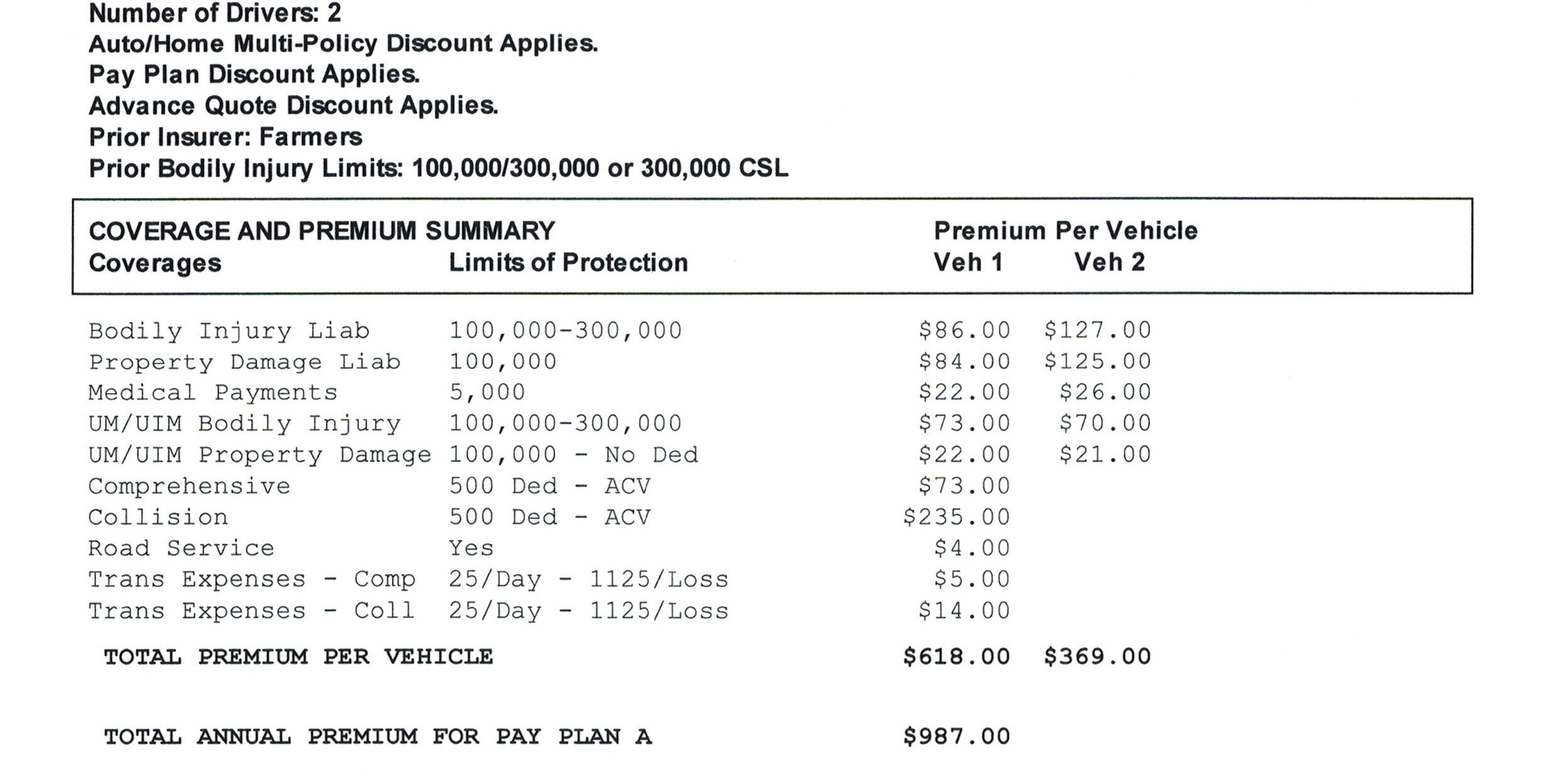
AARP itself is not an insurance carrier; instead, it partners with The Hartford to provide the AARP Auto Insurance Program. Because premium costs are determined by individual risk profiles—including driving history, location, vehicle type, and coverage selections—there is no universal price. Potential savings typically arise from group discounts, member-specific benefits, and specialized features designed for drivers aged 50 and older.
How AARP Auto Insurance Partnerships Work
It is a common misconception that AARP acts as a direct insurer. In reality, AARP operates an affinity program. By lending its brand and member base to The Hartford, the organization negotiates access to insurance products that are tailored to the needs of the senior demographic. When you request a quote for "AARP auto insurance," you are essentially entering the underwriting environment of The Hartford.
The primary benefit of this model is the "AARP member advantage." This often includes benefits that are not standard in the broader marketplace, such as "RecoverCare" (which provides help with household services if you are injured in an accident) and lifetime renewability features for eligible members. Understanding that your policy is governed by The Hartford’s financial strength and claims-handling processes is the first step in accurately estimating your potential costs.
The Anatomy of an Auto Insurance Quote
To understand the cost of a policy through this program, you must break down how insurance premiums are calculated. Regardless of the carrier, every quote is influenced by a set of foundational variables.
- Driver Profile: This includes your age, years of driving experience, and your history of accidents or traffic violations. While older drivers are statistically viewed as lower risk in many categories, cognitive and physical changes associated with aging can sometimes influence underwriting guidelines.
- Vehicle Characteristics: The year, make, and model of your car are primary drivers of cost. Newer vehicles with high-tech safety features may qualify for discounts, but they also cost more to repair or replace, which can increase your comprehensive and collision premiums.
- Geography: Your residential zip code is a significant factor. Insurance companies analyze local crime rates, traffic density, and the frequency of claims filed in your specific region. Urban areas generally result in higher premiums than rural areas due to increased exposure to theft and accidents.
- Coverage Limits: The amount of liability, uninsured motorist, and personal injury protection (PIP) you choose directly dictates the cost. Higher limits provide better protection but raise the monthly or semi-annual premium.
- Deductibles: The amount you agree to pay out-of-pocket before insurance coverage kicks in for a claim is inversely proportional to your premium. A higher deductible results in lower premiums, while a lower deductible results in higher premiums.
Comparative Factors and Cost Examples
Because insurance pricing is proprietary and specific to the individual, generic price tags are often misleading. Instead, it is more helpful to look at the factors that differentiate the AARP program from a standard commercial policy. The following table illustrates how specific policy adjustments can influence your total expenditure.
| Coverage Component | Impact on Premium | Note for AARP Members |
|---|---|---|
| Comprehensive/Collision | High | Subject to vehicle age and market value. |
| Liability Limits | Moderate | Higher limits are recommended for asset protection. |
| RecoverCare Benefit | Included | Often bundled into the AARP-exclusive product. |
| Accident Forgiveness | Variable | Typically earned after a set period of claim-free driving. |
| Multi-Car Discount | High | Applying this to two or more vehicles reduces per-car cost. |
In a hypothetical scenario for a 65-year-old driver in a suburban environment, choosing a $1,000 deductible rather than a $500 deductible might reduce the premium by 10% to 15%. Furthermore, participating in an AARP-endorsed defensive driving course—which is often available online—can sometimes lead to a state-mandated discount on the liability portion of the premium.
The Role of Discounts in Lowering Costs
The advertised "savings" for AARP members are frequently tied to specific discount programs. When evaluating an example quote, ensure that you have accounted for every possible deduction. The Hartford offers several specific discounts for AARP members that should be factored into your assessment:
- Defensive Driving Discount: Many states require insurance companies to offer a discount to drivers over 50 who complete an approved accident prevention course.
- Paid-in-Full Discount: If you have the liquid assets to pay your policy premium in one lump sum rather than monthly installments, you can often save a percentage of the total annual cost.
- Multi-Policy Bundling: If you have homeowner’s or renter’s insurance, combining those policies with your auto insurance through the same carrier almost always reduces the total cost of both.
- Safety Features: Ensure your quote reflects advanced driver-assistance systems (ADAS) or anti-theft devices installed on your vehicle.
Evaluating Your Specific Needs vs. Generic Quotes
When you search for an "example" cost, you are likely looking for a baseline to determine if the program is "cheaper" than your current provider. However, the cheapest policy is not always the most effective. When reviewing a quote, prioritize these three areas:
- Liability Coverage: Do not lower this to save money. For older adults with retirement savings, high liability limits are essential to protect your assets in the event of a lawsuit following a serious accident.
- Uninsured/Underinsured Motorist Coverage: This is vital. If you are hit by a driver without insurance or with insufficient coverage, this provision pays for your medical bills and property damage.
- Claims History: If you have a clean driving record, you should be seeking a "preferred" rate. If your record contains incidents, focus on the "accident forgiveness" features offered by The Hartford, which may prevent your premiums from spiking after a single claim.
Steps to Obtain an Accurate Quote
To get a real-world figure, follow these steps rather than relying on generalized online averages:
- Gather Documentation: Have your current policy declarations page, your driver’s license, and your vehicle identification number (VIN) ready. This ensures the data you input is accurate.
- Verify Membership: Ensure your AARP membership is current. Your membership number is required to link your quote to the correct program tier.
- Review the Declarations Page: Once you receive a quote, do not just look at the total price. Review the "Declarations Page" (or summary document) to ensure the coverage limits match your current policy. This is the only way to compare "apples to apples."
- Inquire About State-Specific Regulations: Insurance is regulated at the state level. Certain states prohibit specific discounts or mandate others. Always ask the representative, "What state-specific discounts am I missing?"
Frequently Asked Questions
Does having an AARP membership guarantee the lowest auto insurance rates? No. While AARP-endorsed insurance offers competitive rates for its demographic, there is no guarantee that it will be the cheapest option for every individual. Factors such as your driving record and local risk environment may result in lower premiums from other national or regional carriers.
How does the age of the vehicle affect my AARP insurance premium? The age of your vehicle affects premiums primarily through the cost of collision and comprehensive coverage. For an older vehicle, the "actual cash value" is lower, meaning the insurer pays out less in a total-loss scenario. As the value of your car depreciates, your premium for these specific coverages should decrease.
Can I get an AARP discount if I am under 50? AARP membership is generally open to individuals aged 50 and older. Because the insurance program is tied to the membership, those under 50 typically do not qualify for the AARP-exclusive benefits or the specific rate tiers negotiated for the AARP membership base.
What is the "RecoverCare" benefit and does it add to the cost? RecoverCare is a feature often included in the AARP auto insurance program. It provides coverage for help with daily living activities (like cooking or cleaning) if you are unable to perform them due to an injury from a covered accident. It is usually integrated into the policy’s cost structure, not an add-on fee.
Should I drop collision coverage on an older vehicle to save money? If your vehicle has a low market value, the cost of collision coverage may approach or exceed the potential payout. You should weigh the annual cost of the coverage against the vehicle’s current blue-book value. If the car is worth only a few thousand dollars, many drivers opt to self-insure that specific risk.
Practical Recommendation
To get the most accurate cost example for your specific situation, navigate directly to the official website for the AARP Auto Insurance Program from The Hartford. Use their online quote tool by entering your specific vehicle information and driving history. Once you have a quote, call a licensed agent to verify that all eligible discounts—specifically those for defensive driving and multi-policy bundles—have been applied to your quote. Comparing this specific, personalized figure against your current insurance declaration page is the only way to determine the true value of the program for your household in 2026.