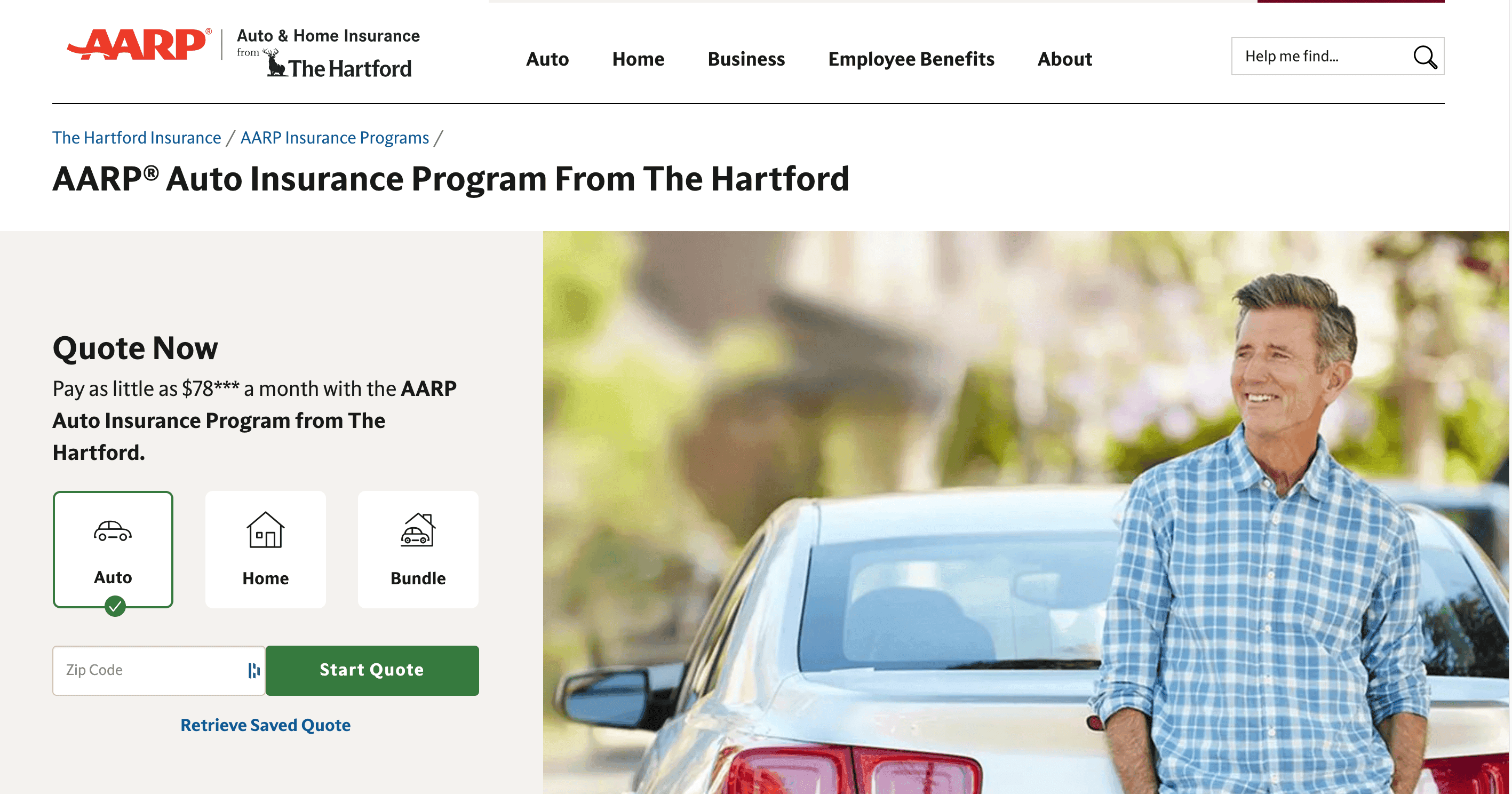
When researching "AARP auto insurance company NAIC," it is essential to clarify that AARP is not an insurance carrier itself; it is an advocacy organization that partners with The Hartford to provide the AARP Auto Insurance Program. Because AARP does not underwrite policies, you will not find an NAIC number for "AARP Auto Insurance." Instead, you must search for the NAIC identifiers of the specific insurance companies within The Hartford group that underwrite your individual policy.
What is an NAIC Number and Why Does It Matter?
The National Association of Insurance Commissioners (NAIC) is a non-profit organization that provides expertise, data, and analysis to help state insurance regulators supervise the insurance industry. A central part of their function is the assignment of a unique five-digit identification number to every insurance company operating in the United States. This is known as the NAIC number (or NAIC code).
For consumers, the NAIC number serves as the definitive way to identify the legal entity underwriting an insurance policy. In the context of the AARP Auto Insurance Program, this is particularly important because insurance products are highly regulated at the state level. The specific entity responsible for your policy might change based on the state in which you reside or the specific tier of coverage you select.
Verifying the NAIC number allows you to access the NAIC Consumer Insurance Search tool. This database provides access to:
- Financial Strength Ratings: Information regarding the company's ability to pay future claims.
- Complaint Ratios: How often consumers file formal complaints against the company relative to the number of policies in force.
- Licensing Verification: Confirmation that the entity is authorized to provide insurance coverage in your specific state.
Identifying the Underwriter: AARP and The Hartford Relationship
AARP maintains a long-standing strategic relationship with The Hartford to offer auto insurance coverage to its members. The Hartford serves as the program administrator and provider. When you look at your declaration page—the summary document provided with your insurance policy—you will see the legal name of the insurance company.
Common underwriting entities for The Hartford include:
- Hartford Accident and Indemnity Company
- Hartford Fire Insurance Company
- Property and Casualty Insurance Company of Hartford
- Sentinel Insurance Company, Ltd.
Each of these distinct legal entities has its own unique NAIC number. If you are attempting to research the stability or service record of your "AARP Auto Insurance," you must use the name of the specific underwriter listed on your policy documents, rather than "AARP" or "The Hartford" in a general sense.
How to Find Your Specific NAIC Number
If you are a policyholder or a prospective customer, finding the correct NAIC number is a straightforward process. Follow these steps to ensure you are looking at the correct data:
- Locate the Declaration Page: This is the document sent to you when your policy is issued or renewed. It outlines your coverage limits, premiums, and the legal entity name.
- Identify the Underwriting Company: Look for the section identifying the "Insurer" or "Underwriter." It will often list a formal company name like "Trumbull Insurance Company" or "Hartford Casualty Insurance Company."
- Use the NAIC Consumer Search: Visit the official NAIC website and navigate to their consumer lookup tool.
- Input the Company Name: Enter the exact name found on your declaration page. The system will provide the corresponding NAIC number and a profile of that specific company.
Common Misconceptions Regarding NAIC Searches
Many users attempt to search for "AARP" directly in the NAIC database. Because AARP is a non-profit advocacy group, it does not appear as an insurance carrier. Searching for "AARP" in official regulatory databases will not return results related to auto insurance coverage. Always ensure you are searching by the specific entity listed on your policy document to avoid confusion.
Comparing Insurance Entities via NAIC Data
Once you have identified the NAIC number for your specific underwriter, you can conduct a comparison of its performance metrics against other providers. When evaluating the stability of your auto insurance coverage, the following data points are essential:
| Metric | Purpose | Why It Matters |
|---|---|---|
| NAIC Complaint Index | Compares complaint volume | A lower ratio indicates fewer consumer complaints relative to size. |
| Market Share | Analyzes company scale | Indicates the company's reach and ability to manage risk across regions. |
| Financial Solvency | Measures capital reserves | Ensures the company has the liquidity to pay out large-scale claims. |
| State Licensing | Verifies legal standing | Confirms the entity is audited by your state’s Department of Insurance. |
By utilizing the NAIC Consumer Information Source, you can see if the specific underwriter associated with your AARP-endorsed policy has a history of high complaint volumes in your state. This provides a level of transparency that marketing materials cannot offer.
Factors Influencing Your AARP Auto Insurance Experience
Beyond the financial data managed by the NAIC, several operational factors influence the quality of your insurance experience. While the NAIC focuses on the financial health and regulatory compliance of the company, your personal satisfaction is often dictated by the service features included in the AARP program.
Member-Exclusive Benefits
The AARP program often includes features such as the "RecoverCare" benefit, which provides assistance with household services like cleaning or transportation if you are injured in an accident. Additionally, the program may offer "New Car Replacement" coverage for cars under a certain age and mileage. These are contractual obligations of the insurance company, and the NAIC data helps you verify that the backing entity is reliable enough to fulfill these promises.
Rate Changes and Regulatory Filings
Insurance companies must file their rate plans with state regulators. The NAIC facilitates the collection and sharing of this information. If you notice a significant shift in your premium during a renewal period, it is likely due to a filed rate increase that has been approved by your state's Department of Insurance. The NAIC database can often help you verify if a rate hike is widespread for that specific underwriting entity, which may provide context on whether the change is company-wide or specific to your risk profile.
Troubleshooting Common Policy Issues
If you encounter issues regarding your coverage, claims process, or premium billing, knowing your underwriter's identity is the first step in troubleshooting.
- Disputed Claims: If a claim is denied, the first step is to contact the claims adjuster assigned to your case through The Hartford. If the issue remains unresolved, your state Department of Insurance is the oversight body. To file a formal complaint, you will need the specific NAIC number of the entity that denied the claim.
- Billing Inquiries: Billing is typically handled through the program administrator. If there is a discrepancy, verify that your policy documents match the entity name in your payment portal.
- Coverage Misunderstandings: Always request a "specimen policy" if you are unsure what a term means. This legal document defines the exact scope of coverage and is filed with state regulators under the underwriting company's license.
Understanding the Role of State Departments of Insurance
While the NAIC provides the data, your state's Department of Insurance (DOI) is the body that actually regulates the companies. Every state has different laws regarding auto insurance mandates, minimum liability limits, and the approval of rate increases.
When researching an NAIC-registered company, keep in mind that the company's performance can vary by state. For example, an insurance entity might have an excellent record in one state but face regulatory hurdles in another due to specific litigation patterns or regional claim trends. Always check your state’s specific DOI website to see if there have been any "Market Conduct Examinations" performed on your specific underwriting company.
Frequently Asked Questions
1. Does AARP have its own insurance license?
No. AARP is not an insurance company and does not hold an insurance license. It serves as an affinity partner that endorses insurance products provided by The Hartford. All underwriting is performed by the licensed insurance carriers within The Hartford's corporate structure.
2. Can I search the NAIC database for "The Hartford"?
Yes, but you will find dozens of individual subsidiary companies listed under The Hartford group. To get accurate information, you must use the specific name of the insurance company listed on your policy declarations page rather than just "The Hartford."
3. Does a low NAIC complaint index guarantee a smooth claims process?
Not necessarily. While a low complaint index is a positive indicator that other consumers are satisfied with the company, individual claim experiences vary based on the complexity of the accident, the adjuster assigned, and the specific terms of your policy. It is, however, a much better indicator of reliability than anecdotal online reviews.
4. Why does my policy show a different company name than AARP?
This is normal. The AARP Auto Insurance Program is a brand name for a program offered by The Hartford. The actual policy is a legal contract between you and one of the underwriting subsidiaries of The Hartford. That subsidiary is the party responsible for paying claims and is the entity listed on your policy documents.
5. Where can I find my policy’s NAIC number?
If it is not printed directly on your declaration page, you can identify the insurance company's full legal name on the declaration page and search for that name on the NAIC Consumer Insurance Search website. The database will return the correct NAIC number for that specific entity.
6. Are there any fees to use the NAIC database?
No. The NAIC Consumer Insurance Search tool is a public service provided to consumers at no cost. It is designed to foster transparency and help policyholders make informed decisions about their coverage.
Final Recommendation: Proactive Policy Management
To ensure you have the most reliable and transparent insurance experience, you should perform a brief audit of your auto insurance policy annually. Start by locating your declaration page and noting the exact underwriting entity. Navigate to the official NAIC Consumer Insurance Search to verify the financial stability and recent complaint history of that specific entity.
If you find that your insurer has a consistently high complaint volume or if your premium increases significantly without a change in your driving record, use your NAIC-verified knowledge to engage with a licensed insurance representative. They can explain the specific filings associated with your policy or provide information on alternative coverage structures that may better suit your needs. By treating your insurance as a regulated financial product rather than just a monthly bill, you gain the leverage to make informed decisions that protect your financial security in 2026 and beyond.