9WSYR closings serve as the definitive real-time resource for school, business, and government shutdowns across Central New York during severe weather. In 2026, the primary trend involves a shift from traditional "snow days" to "Remote Learning Days," presenting a complex trade-off between maintaining educational continuity and addressing the significant childcare burdens and "digital fatigue" experienced by local families.
The Evolution of 9WSYR Closings in Central New York
For decades, the residents of Syracuse and the surrounding counties—Onondaga, Cayuga, Madison, and Oswego—have relied on NewsChannel 9 (WSYR) as the primary arbiter of winter logistics. The "closings crawl" at the bottom of the television screen has evolved into a sophisticated digital ecosystem. As of 2026, the 9WSYR closings database is no longer just a list of names; it is a real-time data feed integrated into smart home devices, mobile applications, and automotive infotainment systems.
The necessity of this service stems from Central New York’s unique position within the "Lake Effect" snow belts. With moisture-rich air moving over Lake Ontario, localized bursts of heavy snowfall can drop several inches per hour in one town while leaving a neighboring village untouched. This hyper-local volatility makes a centralized, verified reporting system like 9WSYR essential for public safety and regional coordination.
Current Trends in School and Business Closings (2026)
The landscape of closings has shifted significantly since the early 2020s. Several distinct trends have emerged that characterize the 2025-2026 winter season.
1. The Rise of "Remote Learning Days"
The most prominent trend is the virtual elimination of the traditional "day off." Most Syracuse-area school districts, including Syracuse City, West Genesee, and Fayetteville-Manlius, have adopted policies that favor transitioning to synchronous or asynchronous remote learning when physical travel is unsafe. While this ensures that the school year does not extend into late June, it has sparked a debate regarding the quality of education delivered on short notice.
2. Micro-Targeted Business Closures
Unlike school districts, which often close an entire campus, local businesses are increasingly using "staggered" or "micro-targeted" closings. Using advanced meteorological data provided by the 9First Warning Weather team, retailers and manufacturers now adjust shifts by the hour. For example, a factory in Clay might delay its morning shift by two hours to allow plows to clear the primary arteries (like I-81 or Route 481) rather than closing for the full day.
3. Proactive "Pre-Closings"
In 2026, the trend has moved toward "proactive" decision-making. High-resolution modeling allows superintendents and CEOs to make closing announcements as early as 6:00 PM the evening before a predicted storm. This provides parents with a wider window to arrange childcare, though it carries the risk of "false alarms" if a lake-effect band shifts its trajectory at the last minute.
The Decision-Making Framework: How Closings are Determined
The process behind a listing on the 9WSYR closings page is rigorous and involves a multi-stakeholder framework. It is rarely the result of a single person's observation but rather a synthesis of several technical factors.
Meteorological Thresholds
The 9First Warning Weather team provides the foundational data. Decision-makers look for specific thresholds, including:
- Visibility: Sustained visibility of less than a quarter-mile, which makes school bus operation hazardous.
- Accumulation Rates: Snowfall exceeding one inch per hour, which typically outpaces the clearing capacity of municipal Department of Public Works (DPW) crews.
- Wind Chill: In Central New York, a wind chill of -25°F is often the "hard floor" for school closings, as frostbite can occur on exposed skin within 15 to 30 minutes for students waiting at bus stops.
Transportation and Infrastructure
School superintendents often consult with transportation directors and DPW supervisors starting as early as 4:00 AM. They assess the "passability" of secondary roads and steep inclines. If the side streets in hilly areas like Onondaga Hill or the southern suburbs are not "black-topped" (cleared to the pavement), the risk of a bus sliding off the road often triggers an immediate closing or a two-hour delay.
Liability and Safety
For businesses, the decision to close involves a legal and insurance-based trade-off. Employers must weigh the "duty of care" owed to their employees against the operational loss of a shutdown. In 2026, many regional corporate offices have established "Code Red" policies where, if a Winter Storm Warning is issued by the National Weather Service, non-essential personnel are contractually permitted to work from home without penalty.
Critical Trade-offs: The Impact of Closings on CNY Residents
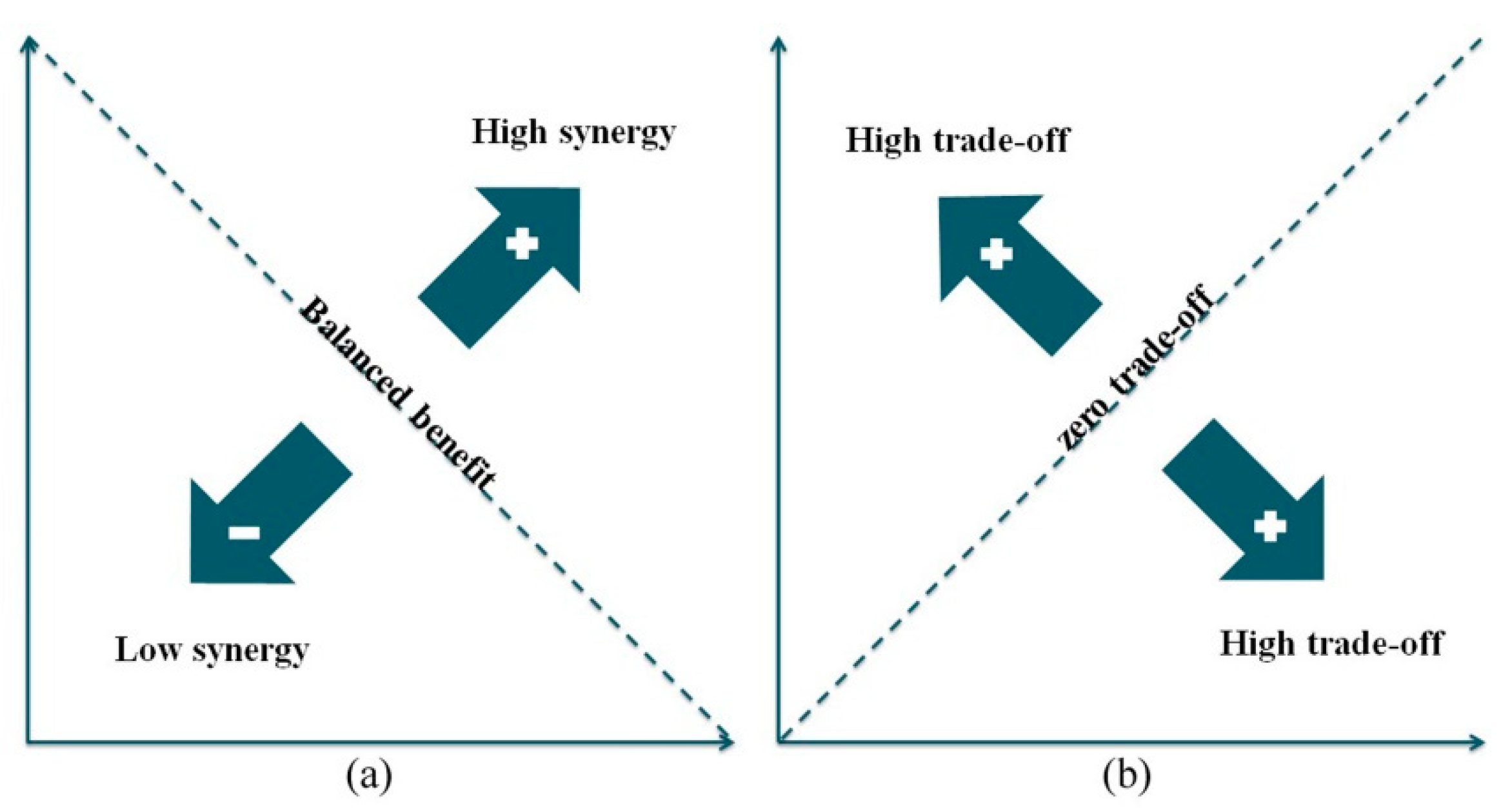
Every "closing" listed on 9WSYR represents a ripple effect of trade-offs. These impacts are felt differently across various socioeconomic segments of the Syracuse population.
Educational Continuity vs. Student Well-being
The trade-off of "Remote Learning Days" is perhaps the most contentious.
- The Pro: Students stay on track with the curriculum, and the district avoids "emergency day" penalties from the New York State Education Department.
- The Con: Educators report a significant drop in engagement during weather-induced remote sessions. Furthermore, "snow days" historically provided a necessary mental health break for both students and faculty during the grueling winter months.
Economic Stability vs. Public Safety
For the hourly workforce in Central New York, a "business closing" is not a day of rest; it is a day of lost wages.
- The Trade-off: Keeping a retail center open in a blizzard ensures that hourly employees can meet their financial obligations, but it puts them at high risk of vehicular accidents. Conversely, closing the business protects life and limb but may result in food or housing insecurity for low-income workers who lack "paid inclement weather leave."
Childcare Burdens for Essential Workers
When 9WSYR announces a school closing, it creates an immediate crisis for "essential" workers—healthcare professionals at Upstate University Hospital, emergency responders, and utility workers.
- The Trade-off: The school's primary mission is education and student safety, but the secondary role of schools as a childcare provider is vital for the region's infrastructure. When schools close, the healthcare system often sees an uptick in call-outs from staff who have no alternative supervision for their children.
Comparison of Inclement Weather Responses in 2026
The following table outlines the three most common responses to severe weather in Central New York and the associated implications for different sectors.
| Response Type | Primary Goal | Impact on Schools | Impact on Businesses | Logistic Trade-off |
|---|---|---|---|---|
| Two-Hour Delay | Allow DPW to clear roads. | Buses run later; breakfast programs may be disrupted. | Most offices open at 10 AM; morning productivity is lost. | Preserves the day of instruction but requires a morning childcare "bridge." |
| Remote Learning Day | Maintain curriculum pace. | Instruction moves to Zoom/Teams; no physical travel. | "Work from home" (WFH) protocols activated for office staff. | High "digital fatigue"; significant burden on parents to "proctor" students. |
| Full Closing | Maximum public safety. | All activities canceled; emergency day utilized. | Complete shutdown; lost revenue for retail and service sectors. | Full safety, but extends the school year into June; significant wage loss for hourly workers. |
Technology’s Role in Verifying 9WSYR Closings
In 2026, the verification of a closing has become an automated process to prevent the "prank closings" that occasionally plagued older systems. 9WSYR utilizes a secure portal where authorized administrators (Superintendents, CEOs, and Government Officials) must use multi-factor authentication (MFA) to post a status change.
Once a closing is verified, it is pushed through several channels:
- The NewsChannel 9 App: Instant push notifications based on user-selected districts.
- Web-Based Search: The 9WSYR closings page remains the most-visited local URL during the winter months.
- API Integration: Local municipalities now pull this data to update digital road signs on major arteries like I-690 and the Thruway (I-90).
This high-speed dissemination of information is critical. In a lake-effect event, conditions can deteriorate in minutes. The ability to receive a "Closing" alert while still at home—rather than mid-commute—is the single most effective way to reduce the number of stranded vehicles and multi-car pileups on Central New York roads.
Common Mistakes and Misconceptions
Despite the reliability of the 9WSYR system, residents often fall victim to common misunderstandings regarding weather closings.
- Assuming a "Delay" will always become a "Closing": Many parents wait for a full closing that never comes. While a delay is often a "watch and see" period for superintendents, it is frequently sufficient for road crews to make the commute safe.
- Misinterpreting "Essential Only": When a county issues a "Travel Advisory" or a "State of Emergency," many assume it is illegal to drive. In most cases, these are recommendations. However, some employers use this specific language to trigger their own internal closing policies.
- Relying on Social Media Screenshots: One of the biggest risks in 2026 is the spread of "doctored" screenshots of the 9WSYR closings list on social platforms. Residents are strongly advised to check the official 9WSYR website or app directly rather than trusting an image shared in a group chat.
Frequently Asked Questions
Why do some districts close for snow while others just a few miles away stay open?
Central New York is famous for "snow bands." A lake-effect band might stay stationary over Cicero and North Syracuse, dropping 12 inches of snow, while the city of Syracuse remains clear. Superintendents make decisions based on the specific conditions of their district's roads and the safety of their bus fleet, not the regional average.
How does 9WSYR ensure that the closings list is accurate and up-to-date?
The station uses a proprietary, secure login system for all organizations. Each school or business has a unique code and requires a verified administrator to log in. This prevents false reports and ensures that once a closing appears on the crawl or the website, it is an official directive.
What is the difference between a "Snow Day" and a "Remote Learning Day" on the 9WSYR list?
A traditional "Snow Day" or "Closing" usually means all activities are canceled and there is no expectation of work. A "Remote Learning Day" or "Virtual Day" means the physical building is closed, but students and staff are expected to log in for instruction. 9WSYR often clarifies this in the "Additional Info" section of the listing.
Are businesses required to close if a school district closes?
No. There is no legal requirement for businesses to follow school closing patterns. However, many local businesses use school closings as a barometer for road safety and as a recognition that their employees may have childcare issues if schools are shut down.
Where can I see the full list of 9WSYR closings if I don't have a TV?
The most reliable source is the official 9WSYR Closings & Delays page. It is mobile-optimized and updated in real-time, often several minutes before the information appears on the television broadcast.
Strategic Recommendation for Syracuse Residents
As we move through the 2026 winter season, the most effective way to manage weather-related disruptions is through redundancy.
First, do not rely on a single notification method; ensure you have the 9WSYR app installed with "Emergency Alerts" enabled for your specific school district and place of employment. Second, families should have a "Remote Learning Protocol" ready, including a designated workspace and a backup internet solution (such as a mobile hotspot), as 2026 trends indicate that physical closings will almost always result in a shift to virtual requirements. Finally, for those in the hourly workforce, proactive communication with supervisors regarding "Travel Advisory" policies is essential to mitigate the trade-off between income and safety before the storm hits.