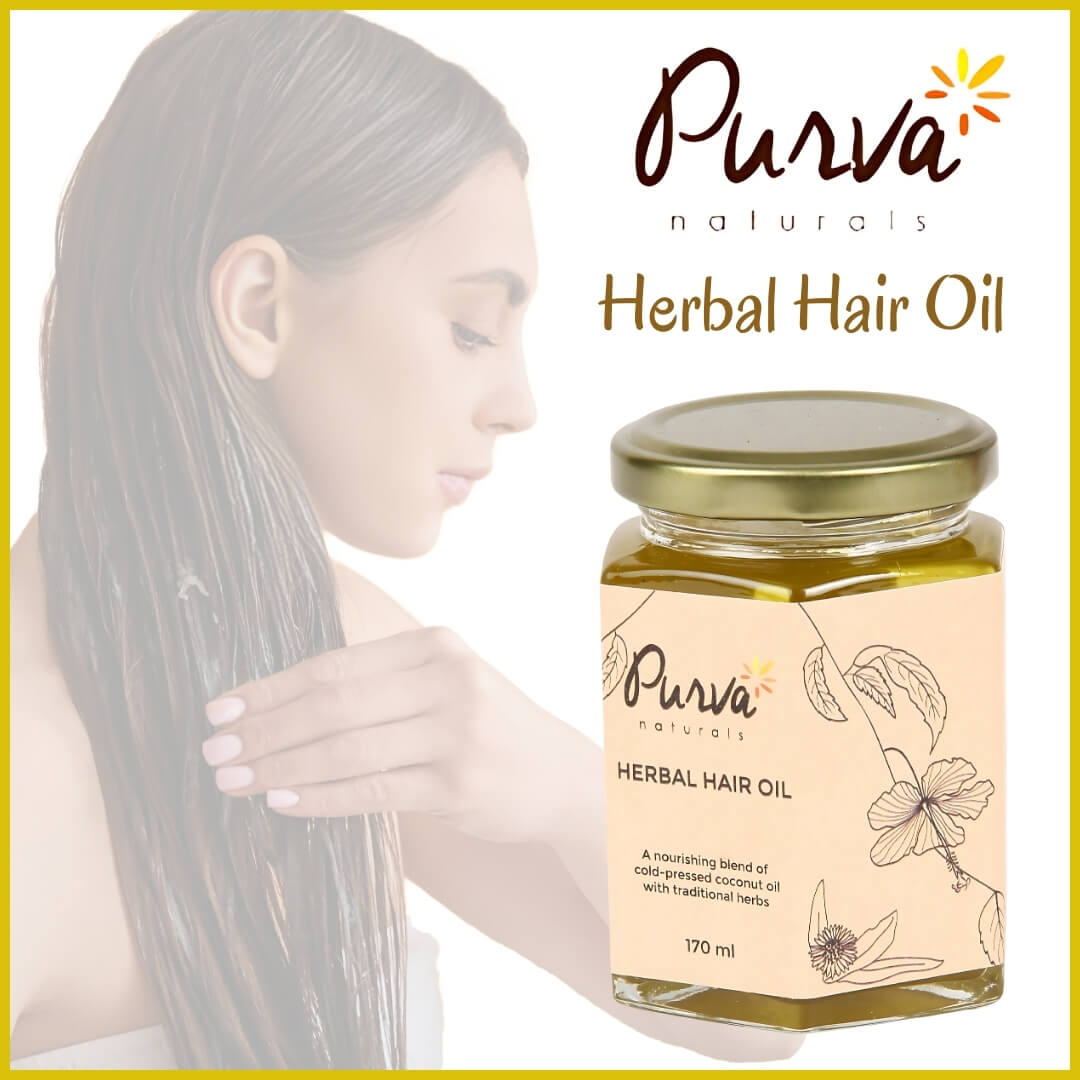
The most effective oils for hair loss include rosemary, castor, pumpkin seed, peppermint, and coconut oil, which work by stimulating scalp circulation, blocking DHT, and preventing protein loss. To achieve thick and strong hair, these oils should be applied consistently through scalp massages or as pre-wash treatments over a period of three to six months.
Effective hair management in 2026 continues to lean heavily toward botanical interventions, as consumers and dermatologists alike recognize the synergistic benefits of natural lipids and essential oils. Hair loss, or alopecia, is a multifaceted issue often driven by genetics, hormonal fluctuations, oxidative stress, and poor scalp hygiene. While pharmaceutical options exist, botanical oils provide a multi-targeted approach that not only encourages new growth but also reinforces the structural integrity of existing strands, making hair appear significantly thicker and more resilient.
1. Rosemary Essential Oil: The Botanical Powerhouse
Rosemary oil (Rosmarinus officinalis) remains the gold standard for natural hair growth. Its efficacy is primarily attributed to its ability to improve cellular metabolism and blood circulation within the scalp. By increasing blood flow to the hair follicles, rosemary oil ensures a steady supply of oxygen and nutrients, which are vital for the anagen (growth) phase of the hair cycle.
In 2026, clinical evidence continues to support the comparison of rosemary oil to 2% minoxidil for the treatment of androgenetic alopecia. Research has shown that while both treatments yield similar results in hair count over six months, rosemary oil often results in less scalp itching and irritation. The active compounds, such as carnosic acid, help heal tissue and nerve damage, which may further rejuvenate the scalp environment.
To use rosemary oil effectively, it must be diluted in a carrier oil. A common ratio is 5 drops of rosemary oil per tablespoon of jojoba or almond oil. Regular scalp massages with this blend help break down calcification on the scalp—a common contributor to thinning—and ensure the active terpenes reach the follicle base.
2. Castor Oil: The Density Enhancer
Castor oil is renowned for its high concentration of ricinoleic acid, a unique fatty acid that makes up nearly 90% of its composition. Ricinoleic acid has been shown to possess potent anti-inflammatory and antimicrobial properties, making it an excellent choice for those whose hair loss is exacerbated by scalp conditions like seborrheic dermatitis or fungal infections.
Beyond its antimicrobial benefits, castor oil is a humectant, meaning it draws moisture into the hair shaft. This immediately increases the diameter of individual hairs, providing an appearance of instant thickness. There are two primary types: cold-pressed castor oil and Jamaican Black Castor Oil (JBCO). JBCO is processed by roasting the beans, which results in an alkaline ash content. This alkalinity helps open the hair cuticle slightly, allowing the oil to penetrate more deeply, which is particularly beneficial for those with low-porosity hair.
Because of its thick, viscous consistency, castor oil is best applied as a localized treatment on thinning areas or mixed with a lighter oil like grapeseed oil to improve spreadability. It should be left on for at least 30 minutes before a thorough double-cleanse.
3. Pumpkin Seed Oil: The Natural DHT Blocker
Androgenetic alopecia, the most common form of hair loss, is largely driven by dihydrotestosterone (DHT), a hormone that shrinks hair follicles. Pumpkin seed oil (Cucurbita pepo) has emerged as a primary natural defense against this process. It contains phytosterols and beta-sitosterol, which are believed to inhibit the enzyme 5-alpha reductase, responsible for converting testosterone into DHT.
Studies have demonstrated that men and women using pumpkin seed oil topically or as a supplement see a measurable increase in hair count and thickness. In a topical application, the oil provides a rich source of zinc, vitamin E, and omega-3 fatty acids, all of which support the structural proteins of the hair. Unlike some heavier oils, pumpkin seed oil has a medium comedogenic rating, meaning it provides deep nourishment without excessively clogging the pores of the scalp, provided it is washed out properly.
4. Peppermint Essential Oil: The Circulation Stimulant
Peppermint oil is a high-potency stimulant that works through the mechanism of vasodilation. The menthol content in peppermint oil triggers a cooling sensation that expands the blood vessels. This "pumping" action is crucial for "waking up" dormant follicles that have entered the telogen (resting) phase prematurely due to stress or poor circulation.
In comparison to other essential oils, peppermint is extremely concentrated. It has been observed in laboratory settings to increase the number of follicles, follicle depth, and overall hair thickness. However, because it is so potent, it should never be applied undiluted. A 1% to 3% concentration in a carrier oil is sufficient to reap the benefits without causing chemical burns or extreme sensitivity. For those with oily scalps, peppermint oil also helps regulate sebum production, preventing the greasy buildup that can sometimes lead to "clogged" follicles and subsequent thinning.
5. Coconut Oil: The Protein Protector
Coconut oil stands out because of its unique molecular structure. Unlike many other oils that simply coat the hair, coconut oil is rich in lauric acid, which has a low molecular weight and a straight linear chain. This allows it to penetrate deep into the hair shaft, reaching the cortex.
The primary benefit of coconut oil for hair loss is its ability to reduce protein loss. Hair is primarily made of keratin (a protein), and the loss of this protein leads to brittle, thin, and breaking strands. By applying coconut oil as a pre-wash treatment, you create a protective barrier that prevents water from entering the hair shaft too aggressively (hygral fatigue) and reduces the amount of protein leached during the shampooing process. For thick and strong hair, maintaining the integrity of the hair's protein structure is just as important as encouraging new growth from the root.
6. Argan Oil: The Elasticity Specialist
Often referred to as "liquid gold," argan oil is harvested from the kernels of the argan tree native to Morocco. It is exceptionally high in antioxidants, including vitamin E (tocopherol) and polyphenols. These compounds are essential for neutralizing oxidative stress caused by UV rays and pollution, which can age the scalp and lead to premature hair shedding.
Argan oil is also rich in oleic and linoleic acids, which lubricate the hair shaft and maintain its elasticity. Hair that lacks elasticity is prone to "mechanical" hair loss—hair that breaks off during brushing or styling. By keeping the hair flexible and hydrated, argan oil ensures that the hair grown at the root actually stays on the head. Its light texture makes it one of the few oils on this list that can be used as a leave-in treatment or finishing oil to add shine and manageability without weighing down thin strands.
7. Jojoba Oil: The Scalp Balancer
Jojoba oil is technically a liquid wax ester, and its chemical composition is remarkably similar to human sebum (the natural oil produced by our skin). This makes it an ideal "biomimetic" treatment for the scalp. For individuals experiencing hair loss due to an overproduction or underproduction of sebum, jojoba oil helps restore the scalp’s natural pH and moisture balance.
When the scalp is too dry, it can become flaky and inflamed, hindering growth. When it is too oily, sebum can harden in the follicle, creating a "sebum plug" that prevents new hair from emerging. Jojoba oil dissolves these plugs and moisturizes the scalp without triggering further oiliness. Because it is non-comedogenic, it is the safest carrier oil for individuals prone to scalp acne or folliculitis. It serves as an excellent base for delivering essential oils like rosemary or peppermint to the follicle.
8. Black Seed Oil (Kalonji): The Anti-Inflammatory Shield
Black seed oil, derived from Nigella sativa, has been used for centuries in traditional medicine and has gained significant traction in 2026 as a treatment for inflammatory hair loss conditions like telogen effluvium. It contains a compound called thymoquinone, which is a powerful antioxidant and anti-inflammatory agent.
Inflammation at the follicle level is a silent contributor to many types of hair thinning. Black seed oil helps soothe the scalp and reduce the immune response that can sometimes attack hair follicles. Furthermore, it possesses antifungal and antibacterial properties that keep the scalp microbiome in check. Regular use of black seed oil has been associated with a reduction in hair shedding and an improvement in the overall "grip" of the hair within the follicle.
Comparison Table: Choosing the Right Oil for Your Hair Needs
The following table summarizes the primary benefits, active compounds, and recommended hair types for the eight oils discussed.
| Oil Name | Primary Benefit | Active Compound | Best For |
|---|---|---|---|
| Rosemary | Stimulates Growth | Carnosic Acid | Genetic Thinning / Alopecia |
| Castor | Thickness & Moisture | Ricinoleic Acid | Brittle Hair / Sparse Patches |
| Pumpkin Seed | DHT Blocking | Beta-sitosterol | Hormonal Hair Loss |
| Peppermint | Scalp Circulation | Menthol | Slow Growth / Dormant Follicles |
| Coconut | Prevents Protein Loss | Lauric Acid | Damage Prevention / Dry Hair |
| Argan | Protection & Shine | Vitamin E | Breakage / Environmental Damage |
| Jojoba | Scalp Health | Wax Esters | Oily or Flaky Scalps |
| Black Seed | Reduces Shedding | Thymoquinone | Inflammatory Loss / Shedding |
How to Properly Apply Oils for Maximum Efficacy
To see real results in hair density and strength, the application method is just as important as the oil itself. Simply rubbing oil onto the ends of your hair will not stop hair loss.
The Scalp Massage Technique
The most effective way to use these oils is through a dedicated scalp massage. Spend 5 to 10 minutes massaging the oil into your scalp using the pads of your fingers in circular motions. This mechanical stimulation further boosts the blood flow initiated by oils like peppermint or rosemary. For an advanced approach, some users employ the "inversion method," where they massage their scalp while hanging their head slightly below heart level to further maximize blood flow to the cranium.
Dilution and Safety
Essential oils (rosemary and peppermint) are volatile and highly concentrated. They should never represent more than 2-3% of your total mixture. A standard safety guideline is 2 to 3 drops of essential oil per teaspoon of carrier oil. Always perform a patch test on the inside of your elbow for 24 hours before applying any new oil to your entire scalp to ensure you do not have an allergic reaction.
Frequency and Consistency
Hair growth is a slow process. The hair follicles require consistent signals to remain in the growth phase. Aim to apply your chosen oil blend 2 to 3 times per week. Most clinical studies on botanical oils show that significant changes in hair density and thickness are not visible until the 3-month or 6-month mark.
Common Mistakes to Avoid
- Using Too Much Oil: A common misconception is that more oil leads to faster growth. In reality, using too much oil can lead to "malassezia" (fungal) overgrowth if not washed out properly, which can actually cause more hair loss.
- Leaving Oil on Too Long: While some people leave oils on overnight, those with sensitive scalps or fine hair may find this leads to clogged pores or irritation. 30 minutes to 2 hours is usually sufficient for penetration.
- Neglecting the Wash: Always ensure you thoroughly wash the oil out. Residual oil can attract dirt and pollution, creating a sludge that suffocates the hair follicle.
- Expecting Instant Results: Botanical remedies are not "magic potions." They require the same patience as pharmaceutical treatments.
Addressing the Root Cause
While oils are powerful tools, they are most effective when part of a holistic approach. If your hair loss is caused by a severe nutritional deficiency (such as low ferritin or Vitamin D) or a thyroid imbalance, topical oils will only provide limited results. It is always advisable to consult with a dermatologist or trichologist to rule out underlying medical conditions.
For more information on clinical standards for hair health, you may refer to the American Academy of Dermatology or research regarding rosemary oil's efficacy on PubMed. For technical details on how oils penetrate the hair shaft, the Journal of Cosmetic Science provides extensive peer-reviewed data.
Frequently Asked Questions
How long does it take for rosemary oil to grow hair?
Consistent use of rosemary oil typically yields noticeable results in hair count and thickness after six months. This timeframe aligns with the natural hair growth cycle, as follicles need time to transition from the resting phase back into the active growth phase.
Can I mix all these oils together?
While you can mix a few, it is better to create a targeted blend. For example, mixing pumpkin seed oil (DHT blocker) with rosemary (stimulant) and jojoba (carrier) creates a comprehensive treatment. Mixing too many oils can make the solution too heavy and difficult to wash out.
Is castor oil better than minoxidil?
There is more clinical data supporting minoxidil, but castor oil is preferred by those seeking a natural alternative or those who experience side effects from minoxidil. Castor oil is particularly better for increasing the "appearance" of thickness and preventing breakage.
Should I apply oil to wet or dry hair?
For scalp treatments intended to stop hair loss, applying to dry hair is generally more effective. Water can block the absorption of some oils. However, for preventing protein loss with coconut oil, applying it to slightly damp hair can sometimes help lock in moisture.
Can hair oils cause more hair loss?
If oils are not washed out properly, they can lead to scalp issues like seborrheic dermatitis, which can cause temporary shedding. Additionally, the mechanical action of massaging might cause "dead" hairs already in the telogen phase to fall out sooner, which is often mistaken for new hair loss.
Final Recommendation
For the best results in 2026, start with a core blend of Rosemary Essential Oil and Pumpkin Seed Oil diluted in Jojoba Oil. This combination targets the two biggest drivers of hair loss: poor circulation and DHT. Apply this blend to your scalp three times a week, accompanied by a five-minute massage. Be patient, stay consistent, and ensure your internal health—specifically your protein and mineral intake—supports the external work you are doing with these botanical oils.