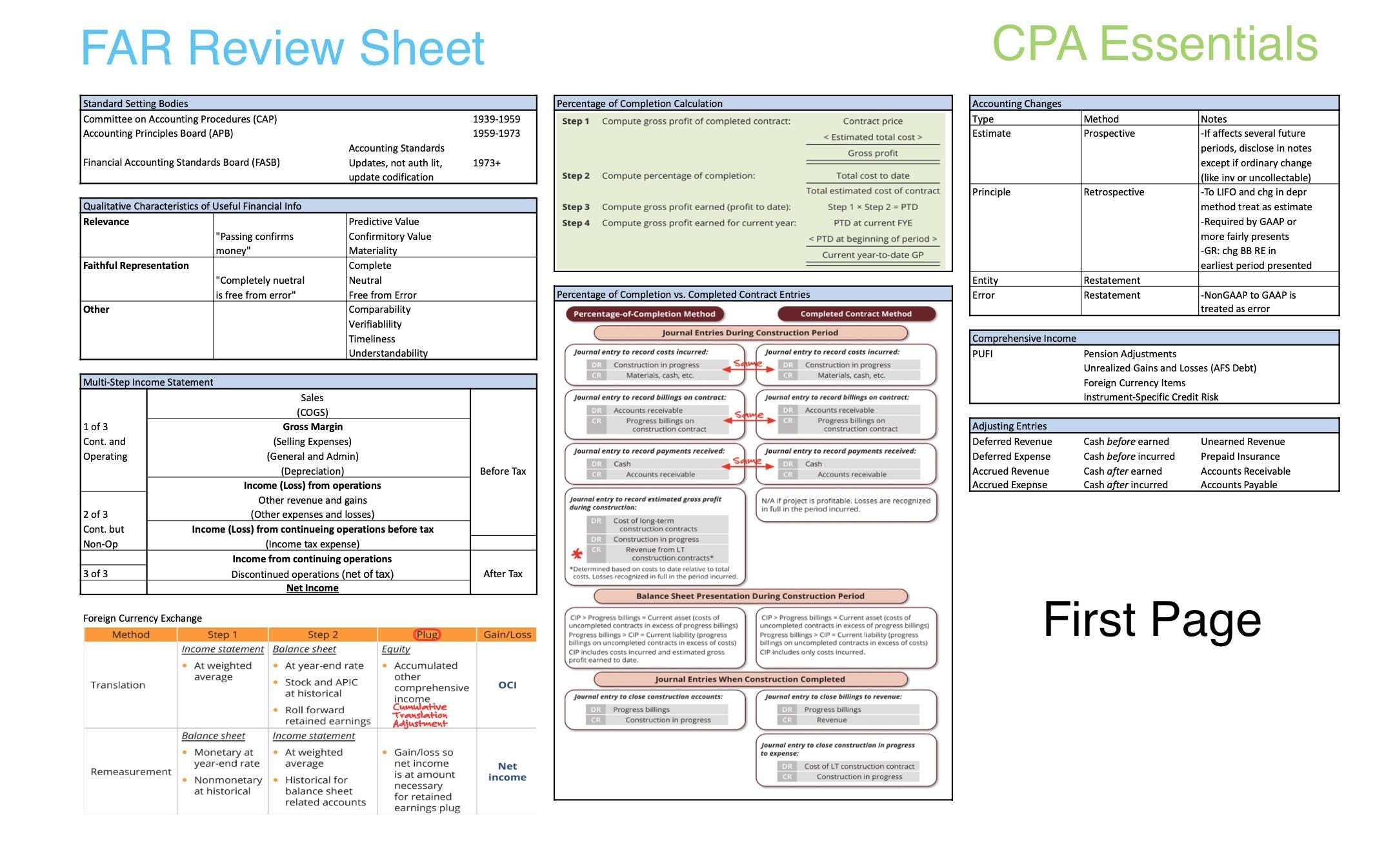
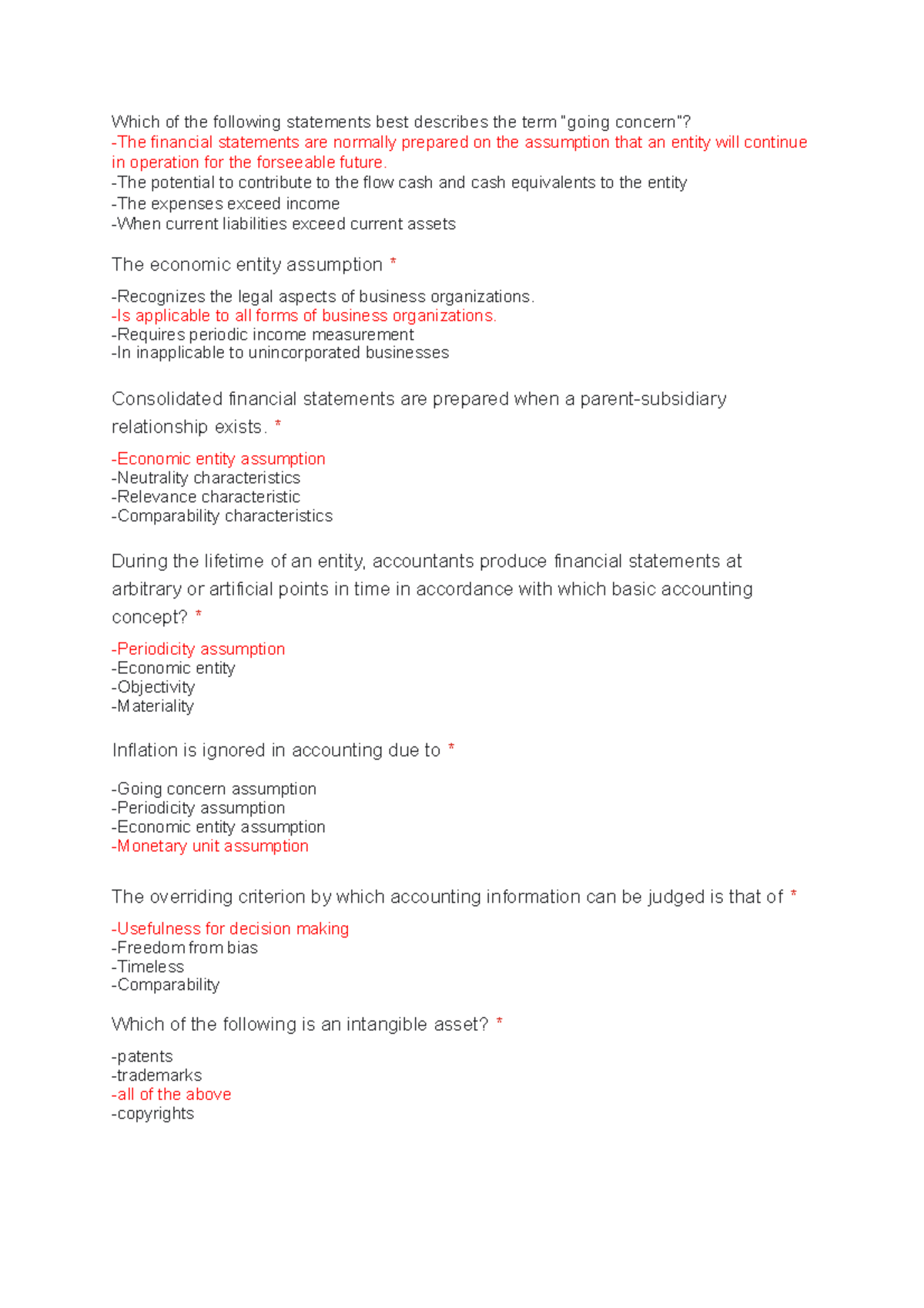
Passing the FAR CPA exam in 2026 requires mastering the AICPA Blueprints, specifically focusing on financial reporting, governmental accounting, and complex task-based simulations. Success hinges on a disciplined study schedule, deep comprehension of US GAAP, and efficient time management to ensure you complete the simulations, which carry 50% of the weight.
The Financial Accounting and Reporting (FAR) section is widely regarded as one of the most challenging portions of the Uniform Certified Public Accountant (CPA) Examination. Since the implementation of the CPA Evolution model, the FAR section has been streamlined to focus on core accounting principles that every CPA must know, regardless of their chosen discipline. However, "streamlined" does not mean "easy." In 2026, candidates are expected to demonstrate a high level of proficiency in United States Generally Accepted Accounting Principles (US GAAP) for business entities, as well as accounting for state and local governments and non-profit organizations.
To navigate this rigorous exam, candidates must move beyond rote memorization. Success requires a functional understanding of how transactions flow through financial statements and how different accounting standards interact. The following seven practical tips provide a roadmap for conquering the FAR section and moving one step closer to licensure.
1. Master the AICPA Blueprints and Content Weighting
The first mistake many candidates make is diving into their review textbooks without understanding the roadmap provided by the American Institute of Certified Public Accountants (AICPA). The AICPA Blueprints are the definitive guide for what will be tested. They outline not only the topics but also the "skill level" at which those topics will be tested: Remembering and Understanding, Application, and Analysis.
In 2026, FAR content is generally organized into four primary areas. Understanding the weight of each area allows you to allocate your study time effectively. If you spend 40% of your time on a topic that only represents 5% of the exam, you are setting yourself up for failure.
| Content Area | Focus Topics | Approximate Weighting |
|---|---|---|
| Area I: Financial Reporting | General purpose financial statements, balance sheets, income statements, cash flows, and NFP reporting. | 30–40% |
| Area II: Select FS Accounts | Cash, receivables, inventory, property, plant, and equipment (PPE), intangibles, and payables. | 30–40% |
| Area III: Select Transactions | Revenue recognition (ASC 606), leases (ASC 842), subsequent events, and contingencies. | 20–30% |
| Area IV: State & Local Governments | Fund accounting, modified accrual, and government-wide financial statements. | 5–15% |
By reviewing the AICPA CPA Exam Blueprints, you can identify which topics require "Analysis" (often tested in simulations) versus those that require simple "Remembering" (often tested in multiple-choice questions).
2. Prioritize Governmental and Not-for-Profit Accounting
While Area IV (Governmental Accounting) may seem to have a lower weighting than Area I or II, it is often the area where candidates struggle the most. This is because governmental accounting uses a different measurement focus and basis of accounting (modified accrual) than standard business accounting (full accrual).
To succeed in FAR, you must master the differences between the three fund categories: Governmental, Proprietary, and Fiduciary. You should be able to explain why a city government might use a "General Fund" for police services but an "Enterprise Fund" for a city-owned water utility.
Furthermore, Not-for-Profit (NFP) accounting is heavily integrated into Area I. You must understand the classification of net assets (with or without donor restrictions) and how to account for contributions, pledges, and volunteer services. Because these topics are unique and often not covered extensively in undergraduate programs, they frequently appear as "curveballs" on the exam. Dedicating extra time to these non-commercial entities early in your study process will prevent a last-minute panic.
3. Conquer the Task-Based Simulations (TBS) Early
The FAR exam is split 50/50 between Multiple-Choice Questions (MCQs) and Task-Based Simulations (TBS). Many candidates spend 90% of their time on MCQs and only 10% on simulations, which is a recipe for a 74-score heartbreak.
Task-Based Simulations in FAR often involve "Document Review Simulations" (DRS), where you are provided with several exhibits—memos, invoices, contracts, and emails—and must determine the correct accounting treatment. In 2026, these simulations are more integrated than ever, requiring you to understand how a change in inventory valuation (Area II) might impact the statement of cash flows (Area I).
Practical TBS Strategies:
- Practice with the Spreadsheet: The CPA exam environment provides a tool similar to Excel. Get comfortable using it for complex calculations like bond amortization tables or lease schedules.
- Handle "Zero" Entries Correcty: Many TBS instructions state to enter a "0" if no adjustment is required. Leaving it blank when a zero is required is a common way to lose easy points.
- Manage the Exhibits: Open the exhibits one by one and take notes. Do not try to hold all the information in your head.
4. Implement a "Journal Entry First" Mentality
FAR is about the mechanics of accounting. Whether you are dealing with a multiple-choice question about depreciation or a simulation about revenue recognition, the best way to find the answer is to write out the journal entry.
When you study a concept like ASC 842 Leases, do not just memorize the criteria for an operating lease versus a finance lease. Instead, practice the entry for the initial recognition of the Right-of-Use (ROU) asset and the corresponding lease liability.
By visualizing the debits and credits, you gain a structural understanding of the balance sheet. If you know that a debit to an asset must eventually be offset by a credit (either to cash, another asset, or a liability/equity account), you can often "reverse engineer" the correct answer even if you are unsure of the specific rule. This is particularly helpful for complex areas like ASC 606 (Revenue from Contracts with Customers), where the five-step process must be reflected accurately in the timing of the entries.
5. Develop a Strict Time Management Plan
The FAR exam is a four-hour marathon. One of the most common reasons for failure is "running out of time" on the final testlet of simulations. To avoid this, you must treat your practice exams as a dress rehearsal for time management.
A recommended 2026 time allocation for FAR is as follows:
- Testlet 1 (MCQs): 45–50 minutes
- Testlet 2 (MCQs): 45–50 minutes
- Testlet 3 (2 TBS): 30–40 minutes
- Testlet 4 (3 TBS): 60 minutes
- Testlet 5 (3 TBS): 60 minutes
This schedule leaves you with a small buffer for review. If you find yourself spending more than two minutes on a single MCQ, you should flag it, make an educated guess, and move on. The "points per minute" ratio is much higher on a simulation you have time to finish than on an MCQ you are stuck on. Remember that you cannot go back to previous testlets once you have submitted them, so your pacing within each block is critical.
6. Leverage the Authoritative Literature for Simulations
During the Task-Based Simulation portion of the exam, you have access to the FASB Accounting Standards Codification. This is essentially an "open-book" resource if you know how to use it. While you should not rely on it to learn concepts during the exam, it is invaluable for verifying specific details.
For example, if a simulation asks about the disclosure requirements for a change in accounting principle, you can use the search function in the Authoritative Literature to find the exact list of requirements.
Pro Tip: Use the "Advanced Search" feature. Searching for a specific term like "Significant Influence" or "Variable Interest Entity" can lead you directly to the relevant ASC section. This tool can also help you with the "Research" task, which is a standalone simulation that asks you to cite the specific paragraph of the Codification that addresses a given scenario. Mastery of the FASB Codification structure (Topic, Subtopic, Section, Paragraph) is a low-hanging fruit for gaining points.
7. The Power of the "Final Review" Phase
The two weeks leading up to your exam date are more important than the two months of initial study. During the "Final Review," your goal is to synthesize the information and identify remaining "weak spots."
Do not just keep doing new MCQs. Instead, go back and review the questions you got wrong during your first pass. If you still don't understand why the correct answer is right, you have a conceptual gap.
Essential Final Review Tasks:
- Take at least two full-length mock exams. This builds the mental stamina required to sit for four hours.
- Review the "Big Three": Consolidations, Leases, and Statement of Cash Flows. These are high-probability topics for simulations.
- Memorize Ratios: Be prepared to calculate and interpret ratios like the Current Ratio, Inventory Turnover, and Debt-to-Equity. You may be asked to explain how a specific transaction (e.g., purchasing inventory on credit) affects these ratios.
Frequently Asked Questions
What is the passing score for the FAR CPA exam in 2026?
The passing score is 75. This is not a percentage of questions answered correctly; rather, it is a scaled score that takes into account the difficulty of the questions. The AICPA uses a psychometric model to ensure that scores are comparable across different exam versions.
How much study time is recommended for FAR?
Most successful candidates report studying between 120 and 150 hours for the FAR section. Because of the volume of material, it is best to spread this over 8 to 12 weeks to ensure long-term retention of the complex GAAP standards.
Are IFRS (International Financial Reporting Standards) still tested on FAR?
As of 2026, the focus is almost entirely on US GAAP. While you should be aware that differences exist, the deep-dive comparisons between IFRS and GAAP have been largely removed or minimized in the current CPA Evolution blueprints to focus on core domestic competency.
Can I use a calculator during the FAR exam?
Yes, you are provided with a basic four-function calculator at the Prometric testing center. However, most candidates prefer using the built-in spreadsheet tool within the exam software, as it allows for more complex formulas and keeps track of calculations for multi-part simulations.
What should I do if I feel overwhelmed by the volume of material?
Focus on the "bread and butter" of accounting: the financial statements. If you understand how a transaction affects the Balance Sheet and the Income Statement, you can solve 70% of the problems. Break your study sessions into small, manageable chunks (e.g., focus only on Inventory for one day) rather than trying to learn everything at once.
Professional Advice Limitation
This article is intended for educational purposes only and does not constitute professional career or financial advice. CPA exam requirements, fees, and blueprints are subject to change by the AICPA and NASBA. Always verify current deadlines and eligibility requirements with your State Board of Accountancy.
Final Recommendation
To maximize your chances of success, schedule your FAR exam for a date that allows you a full 14 days of dedicated final review. Prioritize understanding the Statement of Cash Flows (both direct and indirect methods) and Governmental Fund Accounting, as these are the pillars that often separate passing candidates from those who fail. Consistent, daily practice is more effective than "cramming" on weekends; aim for at least 30 MCQs every day to keep the concepts fresh in your mind.