The Square D Motor Control Center (MCC) Model 6 is a premier industrial power distribution and motor control solution engineered by Schneider Electric. Renowned for its modularity and safety, it centralizes motor control, protects branch circuits, and facilitates complex automation through standardized "buckets" or units housed in a rugged steel enclosure.
Introduction to the Square D Model 6 MCC
In the landscape of industrial electrical infrastructure, the Motor Control Center (MCC) serves as the "brain" and "nervous system" of a facility’s motor-driven processes. For decades, the Square D brand, a cornerstone of Schneider Electric’s portfolio, has set the benchmark for reliability with the Model 6. As of 2026, the Model 6 remains a critical asset in manufacturing plants, water treatment facilities, and data centers worldwide.
The Model 6 was designed to provide a more streamlined, safe, and compact alternative to mounting individual motor starters across a factory floor. By consolidating these components into a single, centralized structure, engineers can simplify wiring, improve maintenance access, and enhance personnel safety. Understanding the technical nuances of the Model 6 is essential for electrical engineers, facility managers, and procurement specialists tasked with maintaining or upgrading industrial power systems.
1. Modular "Plug-In" Unit Design and Flexibility
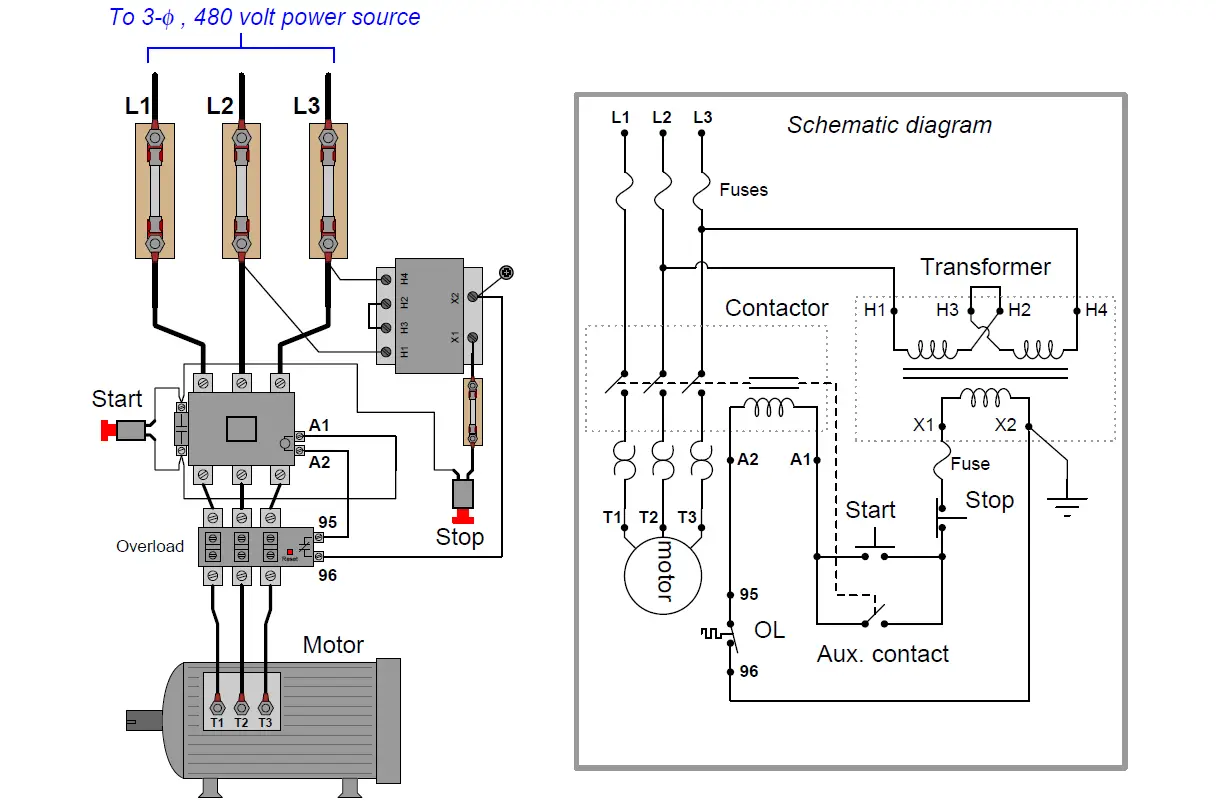
The defining characteristic of the Square D Model 6 is its modular architecture, centered around the concept of the "plug-in" unit, often referred to in the industry as a "bucket." These units contain the motor starter, circuit breaker or disconnect, and control power transformer required to operate a specific motor or load.
The Mechanics of the Bucket
Each unit is equipped with a specialized "stab" assembly on the rear. These stabs are spring-loaded power connectors that engage directly with the vertical bus bars of the MCC structure. This design allows for rapid installation and removal. In a facility operating in 2026, where downtime can cost thousands of dollars per minute, the ability to swap a failed starter unit with a spare in a matter of minutes is a significant operational advantage.
Unit Space and Sizing
Model 6 units are sized in "spaces." A standard vertical section is typically 72 inches high and can accommodate multiple units of varying heights. For example, a Size 1 starter might take up 6 or 12 inches of space, while a larger Size 5 starter or a high-horsepower Variable Frequency Drive (VFD) might require 36 inches or even a full vertical section. This scalability ensures that as a facility's needs grow or change, the MCC can be reconfigured by moving or adding units without replacing the entire enclosure.
Mechanical Interlocking
Safety is integrated into the modularity. The Model 6 features sophisticated mechanical interlocks that prevent the bucket from being removed or inserted while the disconnect handle is in the "ON" position. Furthermore, the unit doors are designed to remain latched unless the disconnect is off, protecting technicians from accidental exposure to live parts.
2. Robust Bus Bar Engineering and Power Distribution
The backbone of the Model 6 MCC is its bus bar system, which distributes three-phase power from the main incoming lugs or main breaker to each individual unit. The engineering behind these bars determines the short-circuit withstand rating and the overall longevity of the equipment.
Material and Plating Options
Square D offers several bus bar configurations. The standard horizontal and vertical bus bars are typically made of high-conductivity aluminum or copper. In many industrial environments, copper is preferred for its superior thermal properties. To prevent oxidation and ensure low-resistance connections at the stab points, the bus bars are typically silver-plated or tin-plated. Silver plating is especially valued for its ability to maintain conductivity even if some surface tarnish occurs.
Short-Circuit Withstand Ratings
The Model 6 is built to survive catastrophic electrical events. It is commonly rated for short-circuit currents ranging from 42,000 Amps (42kA) to 100,000 Amps (100kA) symmetrical. The internal bracing and the "U-shaped" design of the vertical bus help manage the massive electromagnetic forces generated during a fault, preventing the bus bars from warping or tearing away from their supports.
Isolation and Insulation
The vertical bus bars are housed within a polyester reinforced sandwich-style insulation system. This "isolated" bus design significantly reduces the risk of phase-to-phase or phase-to-ground faults within the structure itself. For enhanced safety, Square D also offers optional "automatic shutters" that cover the vertical bus openings when a bucket is removed, ensuring that technicians are not exposed to live bus bars while working in an empty compartment.
3. Comprehensive Protection and Advanced Control Components
A Model 6 MCC is more than just a steel box; it is a housing for sophisticated protective devices. Square D integrates its industry-leading circuit breakers and overload relays to ensure the motor and the cables are protected from overcurrents, ground faults, and thermal damage.
Circuit Breakers and MCPs
Most Model 6 units utilize either a Thermal-Magnetic circuit breaker or a Motor Circuit Protector (MCP). MCPs are instantaneous-trip-only breakers designed specifically for motor circuits, providing high-speed clearing of short circuits while relying on an overload relay to handle lower-level thermal overloads. In 2026, many of these units are equipped with PowerPacT electronic trip breakers, which allow for precise adjustments of trip settings to match the specific starting characteristics of the motor.
Overload Protection
The Model 6 has evolved from traditional bimetallic or melting alloy thermal overloads to advanced electronic overload relays, such as the TeSys T or TeSys GV series. These electronic relays provide:
- Phase Loss Protection: Detecting the loss of a single phase, which can quickly burn out a motor.
- Ground Fault Detection: Identifying insulation breakdown before it leads to a major fire or equipment failure.
- Communication Capabilities: Relaying real-time data like current, voltage, and power consumption back to a central control system.
Integration of VFDs and Soft Starters
As energy efficiency becomes paramount, the Model 6 has been adapted to house Variable Frequency Drives (VFDs) and Solid-State Reduced Voltage Starters (Soft Starters). These components reduce the mechanical and electrical stress on motors during startup and allow for precise speed control, which is essential for modern pump and fan applications.
4. Evolution and Retrofit Compatibility
One of the most important facts about the Model 6 is its relationship with its predecessor, the Model 5, and its continued relevance through retrofit programs. The Model 6 was introduced as an improvement over the Model 5, offering better wireway space, improved safety features, and higher density.
Distinguishing Model 6 from Model 5
While they look similar to the untrained eye, the Model 6 introduced a "wide wireway" option and different unit latching mechanisms. Understanding these differences is vital for procurement. Fortunately, Schneider Electric designed the Model 6 to be largely compatible with the footprint of older installations, allowing for phased upgrades.
Modernization with Compas and Retrofit Units
In 2026, many facilities are not replacing their entire MCC structures but are instead "modernizing" them. Square D offers specific retrofit units—often called "Replacement Buckets"—that are brand new, 2026-spec units designed to slide directly into an existing Model 6 or even an older Model 5 structure. This allows a facility to gain the benefits of digital communication and modern arc-flash safety without the massive capital expenditure of a full teardown.
Maintenance and Parts Availability
Because the Model 6 has such a massive installed base, the aftermarket for parts is robust. Authentic Square D parts, from replacement stabs to door hinges and handle operators, remain widely available, ensuring that a Model 6 installed twenty years ago can still be maintained to modern standards.
5. Compliance with Rigorous Industrial Standards (UL and NEMA)
The Square D Model 6 is engineered and tested to meet the most stringent North American standards, primarily those set by the Underwriters Laboratories (UL) and the National Electrical Manufacturers Association (NEMA).
UL 845 Standard
The Model 6 is listed under UL 845, which is the specific standard for Motor Control Centers. This certification involves rigorous testing of the structure’s ability to contain a fault, the temperature rise of the bus bars under full load, and the mechanical durability of the units. Using a UL-listed MCC is a requirement for compliance with the National Electrical Code (NEC) in the United States.
NEMA Enclosure Types
The Model 6 is available in various NEMA enclosure ratings to suit different environments:
- NEMA 1: General-purpose, indoor use.
- NEMA 12: Dust-tight and drip-tight, ideal for industrial manufacturing floors where oil or non-corrosive coolants might be present.
- NEMA 3R: Rain-tight for outdoor installations (though MCCs are usually sheltered).
Seismic Rating
For facilities located in earthquake-prone regions, the Model 6 can be ordered with seismic certification. This involves structural reinforcements that ensure the MCC will remain anchored and functional after a seismic event, meeting the requirements of the International Building Code (IBC).
6. Digital Integration and Arc-Flash Safety in 2026
As of 2026, the Square D Model 6 has fully embraced the "Industrial Internet of Things" (IIoT) and advanced safety protocols to protect workers from arc-flash hazards.
Smart MCCs and EcoStruxure
Modern Model 6 installations are often "Smart MCCs." This means the units are networked using protocols like EtherNet/IP or Modbus/TCP. By integrating with Schneider Electric’s EcoStruxure platform, facility managers can monitor the "health" of their motors remotely. Predictive maintenance algorithms can analyze current signatures to predict a bearing failure before it happens, allowing for scheduled maintenance rather than emergency repairs.
Arc-Flash Mitigation Technologies
Arc-flash safety is the highest priority in modern electrical design. The Model 6 offers several features to mitigate this risk:
- Arc-Resistant Construction: Specialized baffles and reinforced latches direct the energy of an internal arc fault upward and away from the front of the equipment.
- Remote Operating Mechanisms: These allow technicians to toggle breakers or rack units in and out from a safe distance, often using a tethered controller or a wireless interface.
- Infrared (IR) Windows: Factory-installed IR windows allow thermographers to scan the bus bar connections for hot spots using a thermal camera without ever opening the door or exposing themselves to live energized parts.
| Feature | Specification | Primary Benefit |
|---|---|---|
| Bus Rating | 600V AC, up to 2500A Main | High-capacity power distribution for large plants. |
| Interrupting Rating | Up to 100kA Symmetrical | Ensures safety and equipment survival during faults. |
| Modularity | 6-inch increments (Spaces) | High density and easy reconfiguration of starters. |
| Communication | EtherNet/IP, Modbus, Profibus | Enables IIoT integration and remote monitoring. |
| Safety | Mechanical interlocks & shutters | Protects personnel from accidental contact with live bus. |
| Standards | UL 845, NEMA ICS 18, CSA | Guaranteed compliance with safety and building codes. |
Frequently Asked Questions
How do I identify a Square D Model 6 MCC versus an older Model 5?
The easiest way to identify a Model 6 is by the nameplate, typically located on the main structure's horizontal wireway or inside the unit doors. Visually, Model 6 units often have a different handle mechanism and a more pronounced wide-wireway option. If the unit was manufactured after the mid-1990s, it is almost certainly a Model 6.
Can I put a Model 6 bucket into a competitor's MCC structure?
Generally, no. MCC units are proprietary to their manufacturers because the spacing of the vertical bus bars and the design of the unit's "stabs" are unique. Attempting to force a Square D bucket into a competitor’s structure is extremely dangerous and violates UL listings. However, third-party companies do make "aftermarket" buckets designed specifically to fit into Square D structures, though using OEM (Original Equipment Manufacturer) units is recommended for maintaining warranties and safety standards.
What is the typical lifespan of a Square D Model 6 MCC?
With proper maintenance, a Model 6 MCC can last 30 to 40 years or more. The steel structure and bus bars are very durable. The primary "wear items" are the contactor points, the circuit breakers, and the electronic control components. By utilizing a modernization program to replace old buckets with new ones, the lifespan of the overall installation can be extended indefinitely.
Are there arc-flash resistant versions of the Model 6 available in 2026?
Yes. Schneider Electric offers an arc-resistant version of the Model 6. It is tested to meet the requirements of IEEE C37.20.7, providing a much higher level of protection for personnel standing in front of the equipment in the event of an internal arc-flash.
What maintenance is required for a Model 6 MCC?
Annual maintenance should include a thermal scan (via IR windows) to check for loose connections, a visual inspection for signs of overheating or dust accumulation, and mechanical testing of the disconnect handles. Every 3-5 years, it is recommended to perform "racking" of the units to ensure the stabs are properly lubricated and the mechanical interlocks are functioning correctly.
Practical Recommendation for Facility Managers
If you are managing a facility with Square D Model 6 infrastructure in 2026, your priority should be digitization and safety. Start by auditing your existing MCCs to identify units that are older than 15 years. Instead of waiting for a failure, consider a phased "bucket replacement" program. This allows you to introduce smart overload relays and communication modules into your system one motor at a time. Furthermore, if your arc-flash study indicates a high incident energy level at the MCC, prioritize the installation of IR windows and remote operating handles to ensure your electrical team can perform their duties with the lowest possible risk.
For new installations, always specify the "Arc-Resistant" options and ensure that the MCC is fully integrated into your facility's power management software to take full advantage of the Model 6’s data-gathering capabilities.