To find the best Capital One cash back card in 2026, evaluate your spending habits between dining and general purchases, check your credit score for "Excellent" or "Good" tier eligibility, and determine if an annual fee is offset by higher reward rates. Compare the Savor, Quicksilver, and Spark lines to match your specific lifestyle.
Capital One has maintained a dominant position in the consumer credit market through 2026 by offering a streamlined, no-nonsense approach to rewards. Unlike many competitors that rely on rotating categories or complex activation requirements, Capital One’s cash back portfolio—primarily the Savor and Quicksilver series—is designed for long-term utility. However, with multiple versions of the same card tailored to different credit profiles, choosing the wrong version can mean missing out on substantial sign-up bonuses or being saddled with an unnecessary annual fee.
Selecting the right card requires an objective look at your financial data. As the economy in 2026 emphasizes value-driven spending, matching your card's reward structure to your largest budget line items is the most effective way to maximize "found money." Whether you are a student building credit, a business owner managing expenses, or a consumer looking for a simple "one-and-done" card, the following five strategies will guide you to the optimal choice.
1. Audit Your Spending: Tiered vs. Flat-Rate Rewards
The first and most critical step is determining whether your spending is concentrated in specific lifestyle categories or spread evenly across various types of purchases. Capital One structures its cash back cards to reward one of these two behaviors.
The Tiered Approach: Savor Series
The Capital One Savor and SavorOne cards are built for individuals whose discretionary income goes toward experiences. In 2026, these cards remain the gold standard for high-yield rewards on dining, entertainment, popular streaming services, and grocery stores. If your monthly budget shows a significant tilt toward these categories, a tiered card is mathematically superior. For example, if you spend $600 a month on dining and groceries, a 3% reward rate yields $216 annually, whereas a 1.5% flat-rate card would only yield $108.
The Flat-Rate Approach: Quicksilver Series
If your spending is more diverse—covering utility bills, auto repairs, insurance premiums, and miscellaneous retail—a flat-rate card like the Quicksilver is usually better. The Quicksilver offers a consistent 1.5% cash back on every purchase. This eliminates the "reward anxiety" of trying to remember which card to use at which merchant. In 2026, the simplicity of a single rate remains a major draw for users who prioritize time over marginal percentage gains.
2. Match the Card to Your Verified Credit Tier
Capital One is unique because it often offers three or four different "levels" of the same card brand. A common mistake is applying for the version of the card that doesn’t align with your current credit standing, which can lead to a hard inquiry on your credit report without the benefit of a sign-up bonus.
- The "Excellent Credit" Tier: These versions (e.g., SavorOne for Excellent Credit) come with the highest perks, including substantial early spend bonuses (often called sign-up bonuses) and 0% introductory APR periods on purchases and balance transfers.
- The "Good Credit" Tier: These are designed for consumers who may have a shorter credit history or a slightly lower score. While you get the same ongoing cash back percentage (like 1.5% or 3%), these versions typically do not include a sign-up bonus or an introductory APR.
- The "Fair Credit" or "Building Credit" Tier: Cards like the QuicksilverOne fall here. These often carry an annual fee (typically around $39) and are meant as a stepping stone. In 2026, Capital One’s "Automatic Credit Limit Increase" program is a key feature for this tier, where your account is reviewed for a higher limit in as little as six months.
Before applying, use the Capital One pre-approval tool. This tool uses a "soft pull" that does not impact your credit score to show you which specific versions of the cards you are likely to qualify for.
3. Compare Annual Fees Against Projected Yield
Most Capital One consumer cash back cards in 2026 do not charge an annual fee. However, some "One" versions or business-focused Spark cards might. It is essential to perform a break-even analysis to ensure the fee is justified by the rewards.
For instance, if a card has a $95 annual fee but offers 2% cash back instead of 1.5%, you would need to spend more than $19,000 annually just to cover the cost of the fee. For most average consumers, the no-annual-fee versions of the SavorOne or Quicksilver provide better net value.
In the business sector, the Capital One Spark Cash Plus often carries a higher annual fee but offers a much higher cash back rate and a "refund" of the annual fee if you hit a specific high-spending milestone. For 2026 business owners, this "spend-to-waive" model is a significant factor in the decision-making process.
4. Evaluate Redemption Flexibility and Ecosystem Integration
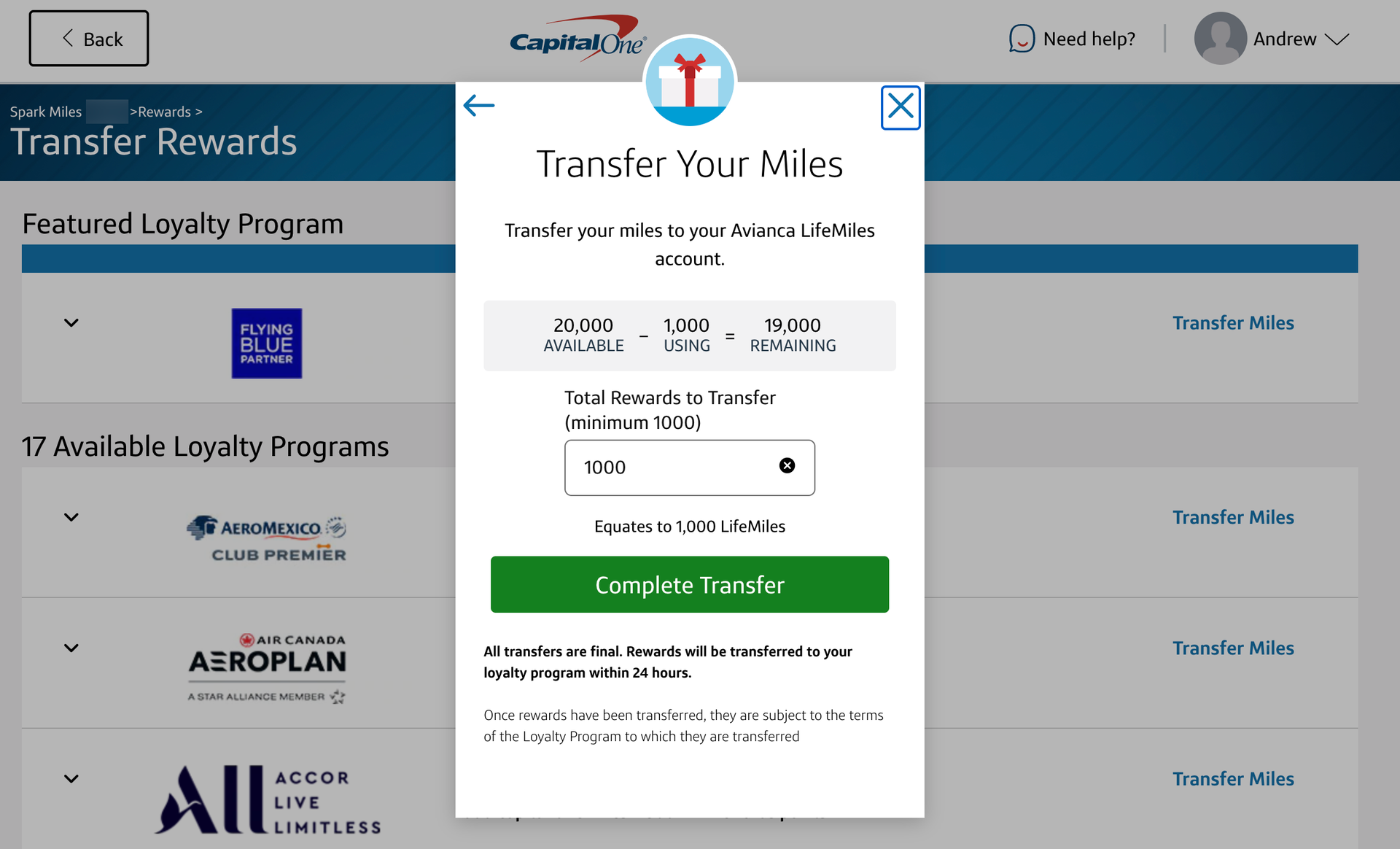
While these are "cash back" cards, the way you can use that cash in 2026 has evolved. When choosing a card, consider how you prefer to receive your value. Capital One offers several redemption methods:
- Statement Credits: The most common method, effectively lowering your monthly bill.
- Checks or Direct Deposit: True cash that you can move to a savings or investment account.
- Gift Cards: Occasionally offered at a slight discount, though cash is usually more versatile.
- Amazon and PayPal: You can link your rewards to pay for purchases directly at checkout.
The "Venture Strategy": A sophisticated way to choose a Capital One card is to look at how it interacts with other Capital One products. If you also hold a travel card like the Venture X, Capital One allows you to move your cash back rewards into "Miles." In 2026, this remains a powerful loophole. By earning 3% "cash back" on dining with a SavorOne and then moving that to a Venture account, you can potentially get 3x miles per dollar, which can be worth much more when transferred to airline partners.
5. Analyze "Hidden" Benefits and Security Features
In 2026, the value of a credit card isn't just in the cash back—it’s in the protections it offers. When choosing between the various Capital One options, look at the secondary benefits that fit your lifestyle.
- No Foreign Transaction Fees: All Capital One cash back cards maintain a $0 foreign transaction fee policy. If you travel internationally, this automatically makes any Capital One card better than a competitor card that charges 3% for overseas use.
- Virtual Assistant (Eno): Capital One’s AI, Eno, provides virtual card numbers for online shopping. This allows you to create a unique number for every merchant, protecting your actual card details from data breaches.
- Travel and Rental Car Insurance: Even the cash back cards often include master rental car insurance and travel accident insurance. If you frequently rent cars, the Quicksilver or SavorOne can save you $20–$30 per day in insurance costs alone.
2026 Capital One Cash Back Card Comparison
The following table compares the primary cash back offerings available in 2026. Note that "Excellent Credit" generally refers to a FICO score above 740, while "Good Credit" typically falls between 670 and 739.
| Card Name | Best For | Reward Rate | Annual Fee | Recommended Credit |
|---|---|---|---|---|
| Savor Rewards | Heavy Diners/Travelers | 4% Dining, 3% Grocery, 1% Other | $95 | Excellent |
| SavorOne | Everyday Foodies | 3% Dining, 3% Grocery, 3% Streaming | $0 | Excellent/Good |
| Quicksilver | Simple Rewards | 1.5% Flat-Rate on All Purchases | $0 | Excellent/Good |
| QuicksilverOne | Building Credit | 1.5% Flat-Rate on All Purchases | $39 | Fair |
| SavorOne Student | College Students | 3% Dining/Grocery + Extra Perks | $0 | New/Fair |
| Spark Cash Plus | High-Spend Business | 2% Flat-Rate (No Preset Limit) | $150 (Refundable*) | Excellent |
*Refundable based on meeting annual spend thresholds.
Deep Dive: The SavorOne vs. Quicksilver Decision
For most applicants in 2026, the choice boils down to the SavorOne versus the Quicksilver. To make the final call, look at your "big three" expenses. If your mortgage/rent and car payments are excluded (since they rarely allow credit card payments without high fees), what remains?
If you find that your biggest discretionary expenses are Uber/Lyft rides (which often have special partnerships with SavorOne), grocery hauls, and Friday night dinners, the SavorOne is almost always the winner. The 3% rate is double the Quicksilver’s 1.5% in those specific areas.
However, if you are a homeowner who spends heavily on hardware stores, landscaping, or professional services, the Quicksilver’s 1.5% on everything will likely outpace the SavorOne’s 1% "non-category" rate. The 0.5% difference might seem small, but on $20,000 of home renovations, that is an extra $100 in your pocket.
Considering the Business Factor: Spark Cash
For those who are self-employed or run small businesses, the Spark Cash line should be the primary focus. In 2026, the Spark Cash Plus is particularly notable because it is a "pay-in-full" card with no preset spending limit. This provides massive flexibility for business owners who need to make large inventory or equipment purchases that would max out a traditional consumer card.
The 2% flat-rate cash back on the Spark Cash Plus is industry-leading for simple business rewards. If your business spends $10,000 a month, you are looking at $200 in cash back every single month. This effectively acts as a 2% discount on every business expense you have.
Common Pitfalls to Avoid
When choosing your Capital One card, be wary of these three common mistakes:
- Applying for the "Wrong" Quicksilver: Ensure you are applying for the version with the sign-up bonus if your credit score allows it. Capital One's website lists multiple versions that look identical but have different terms.
- Ignoring the "Two Card" Rule: Capital One generally limits individuals to having two personal credit cards at a time. If you already have two older Capital One cards, you may need to close or "product change" one before you can get a new cash back card.
- Redeeming for Low-Value Options: While you can use your rewards for Amazon purchases, the redemption rate is sometimes lower than 1 cent per point. Always check the math; it is almost always better to take a statement credit and use your actual card to buy the item to earn even more rewards on that purchase.
Frequently Asked Questions
Can I change my Capital One card to a different cash back version later?
Yes, Capital One often offers "Product Upgrades" or "Product Changes." You can check the "Offers" section in your online portal. This allows you to move from a Quicksilver to a SavorOne without a hard credit inquiry, though you typically will not receive a new sign-up bonus for doing so.
Is the cash back on Capital One cards capped or do rewards expire?
In 2026, Capital One continues its policy of no caps on the amount of cash back you can earn. Additionally, as long as your account remains open and in good standing, your cash back rewards never expire. If you close the account, you will generally lose any unredeemed rewards, so it is best to redeem them before cancelling.
Does Capital One offer 5% cash back categories?
Unlike some competitors, Capital One does not traditionally use 5% rotating categories. They prefer fixed tiered rewards. However, they do have the Capital One Entertainment and Capital One Travel portals, which occasionally offer 5% to 10% cash back on specific bookings made through those platforms.
What is the difference between Savor and SavorOne?
The primary difference is the annual fee and the reward rate for dining. The Savor card has an annual fee and offers 4% on dining, whereas the SavorOne has no annual fee and offers 3%. For most people, the SavorOne is the better value unless they spend more than $9,500 a year on dining and entertainment.
Are Capital One cash back cards good for international travel?
Yes, they are among the best for international use because they do not charge foreign transaction fees. Many other cash back cards from other issuers charge 3% for purchases made outside the U.S., which would completely wipe out any rewards you earned.
Final Recommendation
To select the best Capital One cash back card, start by using the pre-approval tool to see which "credit tier" you fall into. If you spend heavily on food and fun, the SavorOne is the most lucrative no-annual-fee option. If you prefer a simple, all-encompassing reward for every dollar spent, the Quicksilver remains the top choice. For business owners, the Spark Cash Plus offers the highest flat-rate return, provided your spending volume offsets the annual fee. Once your card arrives, be sure to set up Eno for security and download the mobile app to track your rewards in real-time.