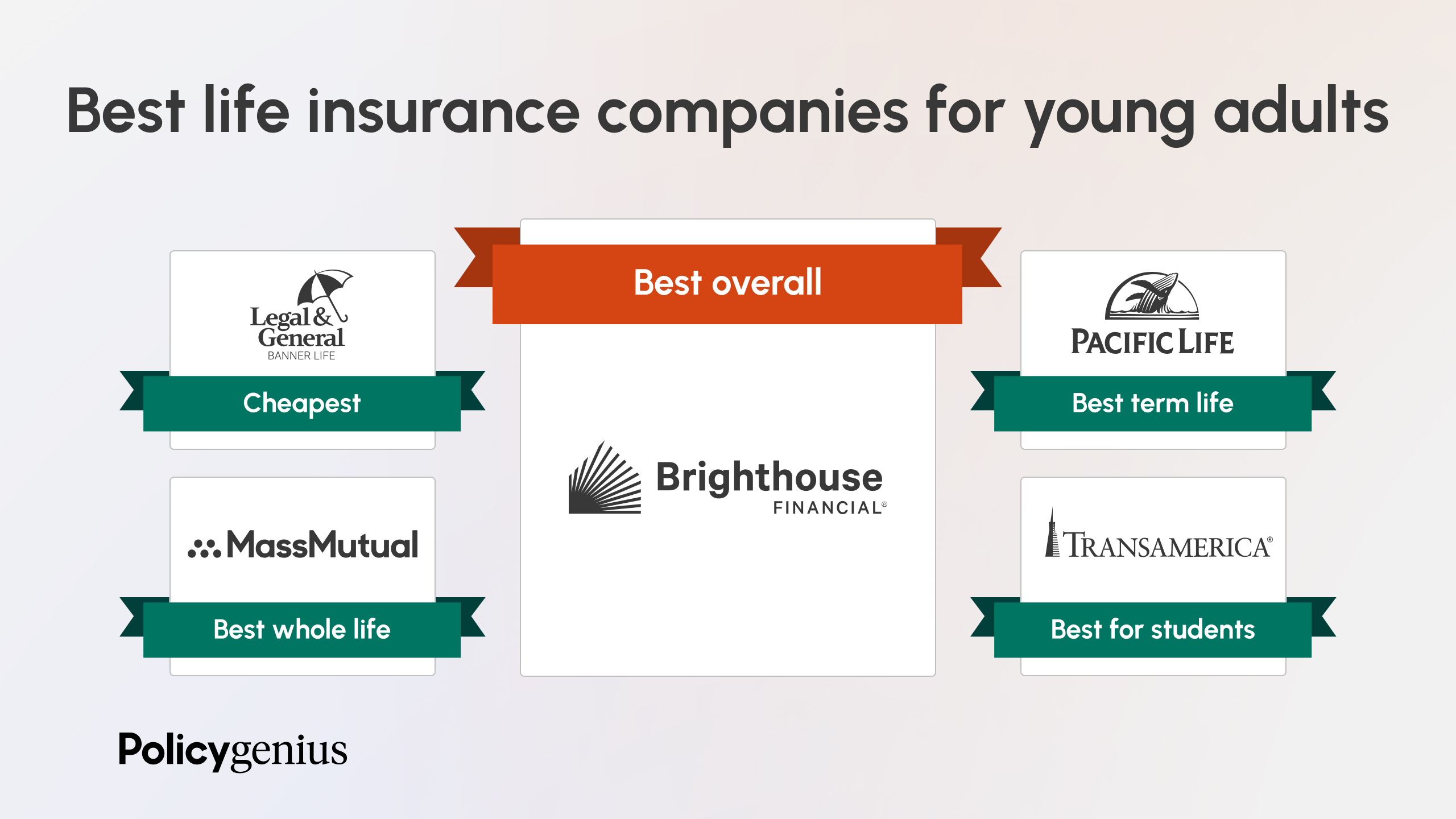
Securing term life insurance is one of the most critical steps young families can take to protect their financial future, ensuring that mortgage payments, childcare costs, and daily living expenses are covered if the unexpected happens. When evaluating options, look to established, financially stable providers known for flexible coverage terms, competitive pricing, and reliable payout histories such as Northwestern Mutual, MassMutual, Banner Life (Legal & General America), Haven Life (backed by MassMutual), and Pacific Life.
Understanding Term Life Insurance for Young Families
For young families balancing mortgages, childcare costs, and daily living expenses, financial protection is a top priority. Term life insurance provides straightforward, temporary coverage designed to safeguard dependents during the years they are most financially vulnerable—typically while children are growing up and debts like a mortgage are high. Unlike permanent life insurance, which builds cash value and remains active indefinitely, term life insurance covers a specific duration, such as 10, 20, or 30 years. This makes it significantly more affordable, allowing young parents to secure a high death benefit for a relatively low monthly premium.
The primary objective of term life insurance is income replacement and debt neutralization. If a primary earner passes away during the term, the policy pays a tax-free lump sum to the beneficiaries. This money can be used to pay off the remaining balance of a home loan, fund future college tuitions, cover ongoing household bills, and provide breathing room for a surviving spouse to adjust.
When evaluating the market as a young parent, the selection process requires looking beyond just the cheapest monthly quote. Financial strength ratings, the ability to convert a term policy into permanent coverage later, medical underwriting requirements, and the speed of the application process all play vital roles in choosing the right provider.
Key Criteria for Evaluating Life Insurance Providers
Navigating the landscape of life insurance companies can feel overwhelming due to the sheer volume of marketing claims and variable pricing models. To identify the top options for young families, certain objective criteria must be used to filter the market. These benchmarks ensure that the companies chosen are not only cost-effective at the point of sale but also reliable decades down the line when a claim might actually be filed.
Financial Strength Ratings
An insurance policy is only as good as the company backing it. Independent rating agencies such as AM Best, Standard & Poor's, Moody's, and Fitch evaluate insurers based on their financial stability and ability to pay future claims. Selecting a carrier with an "A" (Excellent) or "A++" (Superior) rating is crucial for young families purchasing a 20- or 30-year policy, as it guarantees the company will remain solvent over the long haul.
Conversion Privileges
Young families often start with term insurance because of budget constraints, but financial needs evolve. A valuable term life policy includes a conversion rider, which allows the policyholder to convert all or part of their term coverage into a permanent life insurance policy (such as whole or universal life) without undergoing a new medical exam. This is an essential safety net if health conditions develop later in life.
Underwriting Flexibility and Speed
The underwriting process involves evaluating health history, lifestyle factors, and family medical background to determine premium rates. Some modern carriers utilize algorithmic underwriting and data verification to offer instant approvals without requiring a physical medical exam for healthy applicants. Other traditional carriers may require paramedical exams (blood and urine tests) but often offer better pricing for individuals with minor, well-managed health conditions.
Term Length Options
Families have varying timelines depending on the age of their children and the length of their financial obligations. Providers that offer a wide array of term lengths—such as 10, 15, 20, 25, and 30 years—allow parents to tailor their coverage precisely to the age when their youngest child will reach financial independence.
Comparative Overview of Top Term Life Providers
| Provider Name | AM Best Financial Strength | Typical Term Lengths | Medical Exam Requirement | Conversion Option | Best Suited For |
|---|---|---|---|---|---|
| Northwestern Mutual | A++ | 10, 20 years | Frequently required | Yes | Families seeking top-tier financial strength and long-term planning |
| MassMutual | A++ | 10, 15, 20, 25, 30 years | Case-by-case (accelerated available) | Yes | Comprehensive coverage and robust whole life conversion paths |
| Banner Life (Legal & General) | A+ | 10, 15, 20, 25, 30 years | Case-by-case | Yes | Competitive pricing for healthy applicants and high coverage amounts |
| Haven Life (MassMutual Agency) | A++ | 10, 15, 20, 25, 30 years | Often none for eligible applicants | Yes | Tech-forward, fast digital applications |
| Pacific Life | A+ | 10, 15, 20, 25, 30 years | Case-by-case | Yes | Customizable riders and flexible policy structures |
Detailed Review of the 5 Top Term Life Policies
1. Northwestern Mutual: Best for Financial Stability and Holistic Planning
Northwestern Mutual consistently ranks at the pinnacle of the insurance industry for financial strength, holding an AM Best rating of A++ (Superior). For young families prioritizing absolute peace of mind regarding the long-term solvency of their insurer, Northwestern Mutual is a leading choice.
The company offers straightforward term products that are designed to be integrated into a broader financial plan. While their application process is more traditional—often requiring a medical exam and a detailed review with a financial representative—the payoff is access to robust conversion options. Families who anticipate needing permanent insurance as they accumulate wealth later in life benefit significantly from Northwestern Mutual's conversion privileges, though premiums can sometimes lean slightly higher than direct-to-consumer digital competitors.
2. MassMutual: Best for Comprehensive Coverage and Mutual Ownership
MassMutual operates as a mutual company, meaning it is owned by its policyholders rather than outside shareholders. This structure often translates into financial dividends for eligible policyholders, although term policies generally do not pay dividends in the same way permanent policies do.
MassMutual offers term periods ranging from 10 to 30 years, accommodating parents with newborns or toddlers who need coverage spanning three decades. Their underwriting process balances traditional medical exams with accelerated underwriting pathways for qualified applicants. The company’s term policies feature strong conversion options, allowing families to transition seamlessly into permanent whole life policies as their financial circumstances improve.
3. Banner Life (Legal & General America): Best for Competitive Pricing and High Coverage
Banner Life, a subsidiary of Legal & General America, is widely recognized in the insurance brokerage community for offering some of the most competitive rate structures on the market, particularly for healthy individuals.
For young parents looking to maximize their death benefit while keeping monthly premiums as low as possible, Banner Life is frequently a top contender. They offer term lengths up to 30 years and cater well to applicants seeking high coverage amounts (such as $1 million or more). While their digital interface is less consumer-facing than modern fintech startups, working with an independent broker to secure a Banner Life policy often yields an affordable, reliable safety net.
4. Haven Life (Backed by MassMutual): Best for Fast, Digital-First Applications
Haven Life is an agency backed by MassMutual that revolutionized the term life space by introducing a streamlined, fully digital application process. For busy young parents who want to bypass the traditional agent-led scheduling and lengthy paperwork, Haven Life allows users to apply, get a quote, and potentially secure coverage entirely online.
Depending on age and health history, eligible applicants may qualify for instant coverage without needing a physical medical exam. Because Haven Life policies are issued by MassMutual, policyholders retain the backing of an A++ rated carrier while enjoying a modern, user-friendly purchasing experience. They offer term lengths up to 30 years and include useful features like Haven Term Adapt, which allows the policy to adjust alongside changing family needs.
5. Pacific Life: Best for Customization and Flexible Riders
Pacific Life rounds out the top choices by offering high-quality term products backed by an A+ financial strength rating. What sets Pacific Life apart for young families is the flexibility of its policy riders. Parents can customize their term insurance to include accelerated death benefits (for critical or terminal illnesses), waiver of premium riders (if the policyholder becomes disabled), and children's term riders.
Pacific Life balances competitive pricing with sophisticated product design, making it an excellent option for families with complex financial situations, self-employed parents, or those who want specialized protection tailored to unique risk factors. Their conversion options are equally robust, ensuring that the policy can adapt as children grow into adulthood.
Determining How Much Coverage Your Family Needs
Choosing the right policy is only half the battle; calculating the correct death benefit is equally critical. Under-insuring leaves a grieving family vulnerable to financial hardship, while over-insuring wastes money on unnecessarily high premiums.
A common industry guideline is the DIME method, which helps young parents account for every major financial obligation:
- Debt: Total up all outstanding non-mortgage debts, including car loans, credit cards, and student loans.
- Income: Multiply the primary earner's annual salary by the number of years their family will need financial support until children are self-sufficient.
- Mortgage: Determine the exact balance remaining on the home loan to ensure surviving family members can maintain their residence without payment stress.
- Education: Estimate the future cost of college tuition or vocational training for each child.
Beyond the DIME calculation, stay-at-home parents also require coverage. If a primary caregiver passes away, the surviving spouse faces substantial out-of-pocket costs for childcare, housekeeping, and home management. Insuring a stay-at-home parent ensures these essential services can be professionally outsourced without destabilizing the household budget.
Common Pitfalls to Avoid When Buying Term Life Insurance
Navigating the life insurance market for the first time can lead to costly mistakes. Being aware of these pitfalls helps young families secure optimal protection:
- Waiting Too Long to Apply: Life insurance premiums increase with every year of age. Locking in a 20- or 30-year term in your late 20s or early 30s yields significantly lower rates than waiting until your 40s.
- Buying Too Little Coverage: Many families settle for a flat $250,000 policy because it sounds like a large sum of money. Run a thorough needs analysis to see how far that money stretches when adjusted for inflation and actual living expenses.
- Ignoring the Conversion Privilege: Selecting the absolute cheapest policy available without checking if it converts to permanent coverage can backfire if health issues arise later and you want to extend your protection past the term limit.
- Failing to Disclose Medical History: Honesty on the application is non-negotiable. Omitting past medical conditions or tobacco use can lead to the insurer denying a claim when it matters most.
Next Steps for Young Families
Securing term life insurance is a proactive step toward safeguarding your family's financial stability. Begin by assessing your household budget and calculating your total coverage needs using the guidelines outlined above. Request quotes from multiple top-tier providers—such as those listed—and consult with an independent insurance broker if you need assistance comparing underwriting guidelines for specific health conditions. Finalizing a policy locks in your rate and provides immediate peace of mind.