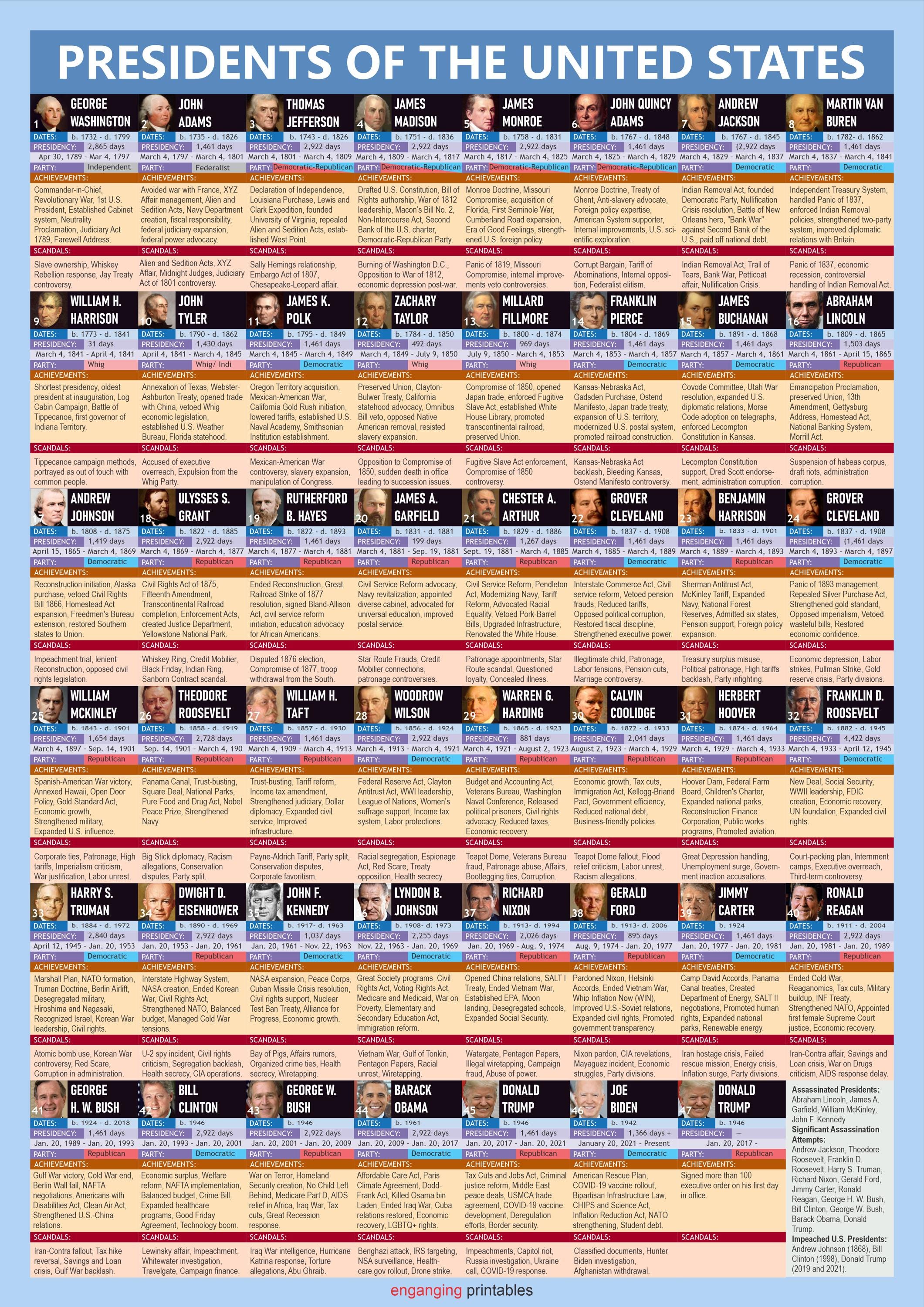
As of 2026, there are five living former and current presidents of the United States: Joe Biden, Donald Trump, Barack Obama, George W. Bush, and Bill Clinton. Their unique positions span decades of American political, social, and economic transformation, offering a rare living repository of executive experience, constitutional precedent, and post-presidential public service.
The United States presidency is unique in its ongoing evolution, not only during an incumbent's time in the Oval Office but also regarding the institutional and social roles occupied by individuals after they leave office. Understanding who these individuals are, the chronological order of their administrations, their constitutional privileges, and their post-presidential endeavors provides critical context for contemporary American governance. This comprehensive guide examines the five living U.S. presidents, detailing their historical contexts, constitutional frameworks, library foundations, and enduring influences on national life.
The Historical Continuum: The Five Living U.S. Presidents
The presence of multiple living former presidents is a hallmark of modern American history, facilitated by advances in healthcare, increased life expectancies, and the constitutional parameters established by the 22nd Amendment, which limits presidents to two terms. Having multiple former commanders-in-chief alive simultaneously creates an informal council of elders, though political polarization often complicates their collective visibility.
To understand the current landscape of living U.S. presidents, it is necessary to review them in chronological order of their service. Each administration brought distinct domestic policies, foreign policy doctrines, and cultural impacts that continue to resonate.
Chronological Overview of Administrations
| President | Term of Office | Political Party | Notable Administration Focus |
|---|---|---|---|
| Bill Clinton | 1993–2001 | Democratic | Economic expansion, welfare reform, NAFTA implementation |
| George W. Bush | 2001–2009 | Republican | Post-9/11 security, War on Terror, response to the 2008 financial crisis |
| Barack Obama | 2009–2017 | Democratic | Affordable Care Act, recovery from the Great Recession, normalization of Cuba relations |
| Donald Trump | 2017–2021, 2025–present | Republican | Tax Cuts and Jobs Act, judicial appointments, trade renegotiations |
| Joe Biden | 2021–2025 | Democratic | Infrastructure Investment and Jobs Act, post-pandemic economic recovery, international alliances |
Examining this sequence illustrates the rapid shifts in political control and policy priorities that have characterized the late 20th and early 21st centuries. Each leader inherited the geopolitical and economic consequences of their predecessor, leading to continuous legislative and executive adjustments.
Constitutional Framework and the Former Presidents Act
The status of former U.S. presidents is formally defined by federal statute rather than the U.S. Constitution itself, which is largely silent on what happens to a president after their term ends. The primary legislative framework governing former chief executives is the Former Presidents Act (FPA) of 1958 (Public Law 85-745).
Enacted largely to ensure that former presidents would not face financial destitution—a fate that befell several historical figures, including Harry S. Truman—the FPA established a system of lifetime benefits designed to maintain the dignity of the office.
Key Provisions of the Former Presidents Act
- Lifetime Pension: Former presidents receive an annual pension equal to the rate of pay for the head of an executive department (Cabinet secretary level, Level I of the Executive Schedule).
- Staff and Office Space: Funding is provided for office space, equipment, and a designated number of staff members to manage correspondence, public requests, and archival duties.
- Secret Service Protection: Originally granted for life, Secret Service protection rules have undergone legislative adjustments over the decades. Today, former presidents receive lifetime protection, while their spouses and children under a certain age receive specific statutory provisions.
- Travel and Communication Allowances: Funds are allocated for official travel and franked mail privileges to assist with public communication.
These provisions ensure that former leaders retain the resources necessary to engage in public discourse, write memoirs, and manage philanthropic or educational initiatives without personal financial strain.
Post-Presidential Roles, Foundations, and Public Engagement
Leaving the White House marks the transition from active executive power to post-presidential influence. Historically, former presidents adopt varied paths, ranging from quiet retirement to active diplomacy, policy advocacy, and the establishment of presidential libraries.
Presidential Libraries and Foundations
Under the Presidential Records Act and the administration of the National Archives and Records Administration (NARA), every modern president establishes a presidential library and museum. These institutions serve multiple functions:
- Archival Preservation: They house millions of pages of official documents, emails, photographs, and artifacts from the administration.
- Public Education: Museums offer exhibits detailing the history of the era, the mechanics of the executive branch, and specific legislative battles.
- Policy Centers: Many foundations attached to these libraries host forums on domestic and international issues, providing a platform for former presidents to shape policy debates.
Humanitarian and Diplomatic Missions
Several living presidents have utilized their global stature for humanitarian endeavors. From disease eradication and disaster relief to election monitoring and peace negotiations, post-presidential diplomacy has become a standard expectation for modern American statesmen. These efforts often transcend partisan divisions, allowing former executives to represent American values in international arenas where active politicians might face diplomatic constraints.
Comparing the Living U.S. Presidents
While all five individuals share the singular distinction of holding the nation's highest office, their backgrounds, governance styles, and post-presidential paths diverge significantly.
Bill Clinton
Taking office at the end of the Cold War, Bill Clinton presided over an era of prolonged economic growth and technological expansion. Following his presidency, he established the Clinton Foundation, focusing on global health, economic opportunity, and climate change, while remaining an influential voice in Democratic Party politics.
George W. Bush
George W. Bush's presidency was defined by the September 11 terrorist attacks and subsequent military engagements in Afghanistan and Iraq. In retirement, he shifted his focus to painting, veterans' support through the George W. Bush Presidential Center's Military Service Initiative, and global health initiatives, particularly combating cervical cancer in Africa.
Barack Obama
As the first African American president, Barack Obama navigated the aftermath of the 2008 financial crisis and oversaw significant healthcare reform. Post-presidency, the Obama Foundation has concentrated on civic engagement and leadership development for young people worldwide, alongside multi-media production ventures and literary projects.
Donald Trump
Donald Trump's political career broke traditional molds, marked by populist economic policies, unconventional communication strategies, and a return to the presidency following his initial term. His impact on the judiciary, trade policy, and the Republican Party remains central to modern political analysis.
Joe Biden
Joe Biden's career spans decades in the U.S. Senate, the vice presidency, and the presidency. His administration focused heavily on domestic infrastructure investment and strengthening international coalitions. His post-executive status continues to shape the trajectory of center-left politics in the United States.
Common Questions Regarding Living U.S. Presidents
What benefits do living U.S. presidents receive after leaving office?
Living U.S. presidents receive a lifetime annual pension, funded staff and office space, lifetime Secret Service protection, and travel allowances under the provisions of the Former Presidents Act of 1958 and subsequent legislative updates.
Who is the oldest living U.S. president?
The age ranking of living U.S. presidents changes over time as they advance in years. Historical records and public biographical data maintained by NARA track their exact birth dates and chronological longevity.
Do former presidents still have security clearance?
While former presidents do not automatically retain a security clearance, they may receive intelligence briefings as a matter of custom or at the request of the sitting president, depending on current security protocols and national security considerations.
How are presidential libraries funded and managed?
While construction of a presidential library and museum is funded through private donations, once completed, the facility is transferred to the National Archives and Records Administration (NARA), which operates and maintains the archival collections.
Can a former president run for office again?
Yes. The 22nd Amendment limits an individual to being elected president twice. A two-term president cannot run for a third term, but a single-term president is constitutionally eligible to run for a non-consecutive second term, as demonstrated historically.
Conclusion and Next Actions
The presence of five living U.S. presidents underscores the enduring nature of American democratic institutions. Each leader contributes to the historical record, public discourse, and the continuous evolution of the executive branch. For those seeking to deepen their understanding of modern American history, exploring the digital archives of the respective presidential libraries, reviewing official NARA documents, or studying legislative milestones such as the Former Presidents Act provides factual, authoritative insights into the presidency.