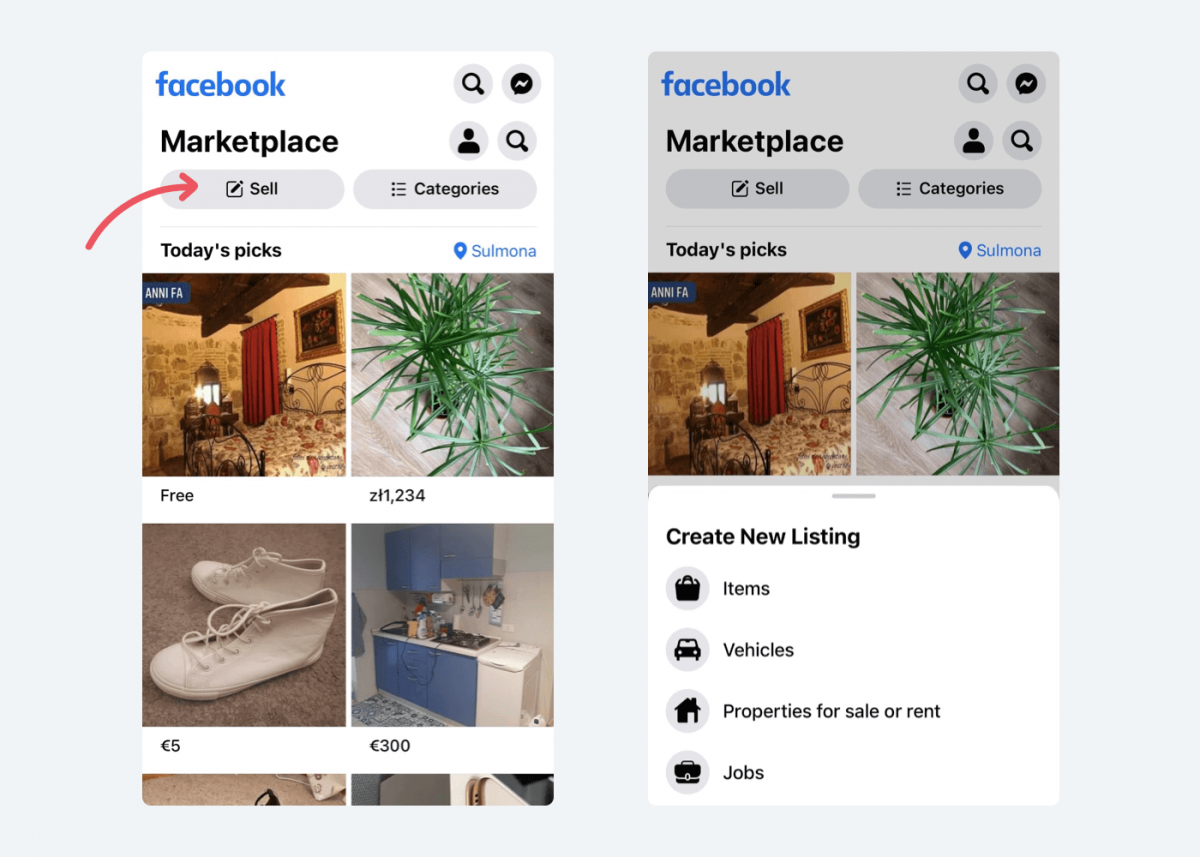
Succeeding on Facebook Marketplace requires a strategic approach that combines accurate item presentation, competitive pricing, local safety protocols, algorithmic visibility optimization, and responsive customer communication to consistently turn unwanted goods into fast, reliable cash.
Facebook Marketplace has evolved from a simple peer-to-peer digital classifieds board into one of the most powerful localized e-commerce platforms available today. Millions of active users log in daily to buy and sell everything from vintage furniture and consumer electronics to apparel and vehicles. However, simply snapping a blurry photo, listing a vague description, and hoping for the best rarely yields successful results. Because the platform relies heavily on localized geographic parameters, algorithmic search matching, and direct human-to-human communication, sellers must adopt specific operational tactics to stand out in crowded feeds.
Understanding the Marketplace Ecosystem and Algorithm
Before diving into tactical execution, sellers must understand how listings surface to potential buyers. Facebook Marketplace uses a sophisticated recommendation engine that weighs user location, search history, listing freshness, and keyword relevance. When a user searches for a specific item, the algorithm scans titles, descriptions, and categories to serve the most contextually relevant results within a specified radius.
Furthermore, Facebook rewards active, responsive sellers. Accounts that maintain high response rates and quick reply times receive better algorithmic placement, while ignored messages or stale, unupdated listings sink to the bottom of local search results. Treating your digital storefront with the same care as a traditional retail operation ensures that your inventory remains visible to the highest possible number of local buyers.
Strategy 1: Capture High-Quality, Authentic Visuals
The human brain processes visual data significantly faster than text. On Facebook Marketplace, your photos serve as your primary storefront window. If your images are dark, blurry, or cluttered with distracting background objects, prospective buyers will scroll past your listing without reading a single word of your description.
To maximize visual appeal, clean the item thoroughly before taking pictures. Presentation matters immensely; a freshly wiped television screen or a dusted wooden dresser immediately communicates value and proper maintenance. Take photos in bright, natural daylight whenever possible. Avoid relying on harsh indoor yellow lighting or relying heavily on internal flash, which creates unnatural glares and washes out colors.
Capture multiple angles of the item to build trust and eliminate ambiguity. Photograph the front, back, sides, and any notable brand tags or serial numbers. Crucially, transparency is vital: if the item has a scratch, dent, or tear, take a close-up photograph of the flaw. Buyers appreciate honesty, and disclosing imperfections upfront prevents wasted time during handoff negotiations and protects your seller rating from negative reviews.
Strategy 2: Write Search-Optimized, Detailed Descriptions
While photos capture attention, descriptions close the deal. Many sellers make the critical mistake of writing lazy, two-word descriptions like "couch good." This approach fails both the buyer and the platform's search algorithm. Your listing title and description must include the exact keywords real people type when searching for your item.
Start with a clear, descriptive title that includes the brand name, model, color, and primary function. Instead of "Desk for sale," use "IKEA Linnmon White Computer Desk - 47x24 Inches." This targeted phrasing ensures your listing appears when users filter searches by brand or style.
In the body of your description, provide comprehensive details that answer buyer questions before they even ask. Include:
- Dimensions: Exact height, width, and depth (essential for furniture and home goods).
- Condition: Like new, gently used, or fair, paired with an explanation of why you are selling.
- Included Accessories: Mention whether power cords, remotes, original boxes, or extra hardware are included.
- Reason for Selling: A simple note (e.g., "moving out of state") reassures buyers that the item is functional and not being offloaded due to a hidden defect.
Strategy 3: Price Competitively and Strategically
Pricing strategy can make the difference between an item selling within two hours or sitting stagnant for two months. Many sellers emotionalize the value of their possessions, pricing items based on what they originally paid rather than current market demand.
Conduct thorough market research before setting your price. Search Facebook Marketplace, eBay's "Sold" listings, and OfferUp to see what identical or highly similar items have actually commanded in recent weeks. Keep in mind that used items typically command 30% to 50% of their original retail value, depending on condition and demand.
| Pricing Tactic | Description | Best Used For |
|---|---|---|
| Market Match | Pricing exactly in line with current local competitors. | High-demand electronics, branded tools, and popular furniture. |
| Slight Discount | Pricing 5% to 10% below local averages to trigger fast interest. | Bulky items you need to clear out quickly before a move. |
| Room for Negotiation | Pricing slightly above your target to absorb standard lowball offers. | Negotiable goods like used vehicles, musical instruments, and collectibles. |
| Firm Pricing | Setting a rock-bottom price with a strict "price is firm" note in the text. | Rare items, highly sought-after brands, or items priced to clear instantly. |
Strategy 4: Master Local Safety and Meetup Logistics
Selling items locally introduces physical security considerations. Establishing a secure, efficient protocol for completing transactions protects your personal safety and ensures a smooth exchange of goods and cash.
Never invite strangers to your private home for standard marketplace transactions. Instead, leverage community safety initiatives, such as designated "Safe Exchange Zones" located outside local police stations, fire departments, or well-lit, high-traffic retail parking lots equipped with security cameras. Many municipalities maintain specific zones explicitly for online marketplace meetups.
When coordinating logistics, prioritize cash transactions or secure digital payments where appropriate, but cash remains king for most standard local pickups because it eliminates chargeback fraud and transfer delays. Inspect cash bills for authenticity if dealing in higher-value items like laptops or bicycles. Finally, always bring a friend or family member along, or let someone know your exact meetup location and expected return time.
Strategy 5: Maintain Responsive Communication and Professionalism
Communication speed and tone heavily influence whether an inquiry turns into a completed sale. When potential buyers message you, they are often messaging multiple sellers simultaneously. The seller who replies first with helpful, polite information usually secures the transaction.
Avoid leaving the default Facebook Messenger prompt ("Is this still available?") unanswered. While many accidental clicks trigger this button, replying promptly with a friendly confirmation ("Yes, it is! Are you available to pick it up this week?") separates serious buyers from idle browsers.
Be transparent about pickup windows and hold policies. As a general rule of thumb, do not hold items without a non-refundable digital deposit unless the buyer is actively en route. Too many casual buyers ghost sellers after requesting holds, costing you potential secondary buyers. Maintain polite professionalism throughout the negotiation process, even when encountering lowball offers, to protect your seller feedback rating and foster positive community commerce.
| Comparison of Selling Approaches | Casual Listing | Optimized Marketplace Strategy |
|---|---|---|
| Photography | Single, dark indoor photo | Multiple bright, daylight angles with flaw close-ups |
| Titling | Generic ("Bike") | Specific ("Trek Marlin 7 Mountain Bike - Medium Frame") |
| Pricing | Emotional pricing based on original retail cost | Market-researched competitive pricing with negotiation buffer |
| Meetup | Inviting strangers to a private home | Utilizing a designated police station safe exchange zone |
| Response Rate | Delayed or ignored messages | Immediate, polite replies to maintain algorithmic visibility |
Frequently Asked Questions
How do I deal with no-shows and flaky buyers on Facebook Marketplace?
No-shows are an unfortunate reality of online peer-to-peer sales. To minimize them, always confirm the meetup time an hour before departure. If a buyer stops responding or fails to show up within a reasonable fifteen-minute grace period without communication, immediately mark the item as available again and move on to the next interested party. Never hold items long-term without an upfront digital deposit.
Should I accept digital payments like Venmo, Zelle, or PayPal?
Digital payments are convenient for certain transactions, but cash remains the safest and most reliable option for face-to-face local pickups. If you do accept digital peer-to-peer transfers, ensure the funds hit your actual bank account or app balance before handing over the merchandise, as fraudulent screenshots or fake confirmation emails are common scam tactics.
What should I do if my listing gets zero views or traction?
If an item sits without views after 48 to 72 hours, the pricing or keyword optimization is usually the culprit. Delete the listing entirely—rather than just editing it—and recreate it with a fresh title using different keywords, better lighting in the primary photo, and a slightly reduced price to reset your position in the local algorithm.
Is it safe to ship items through Facebook Marketplace?
Facebook does offer shipping options for certain categories like clothing and small electronics, protected by purchase protection policies. However, shipping introduces risks of chargeback fraud, shipping damage claims, and platform fees. For beginners and casual sellers, local cash-and-carry meetups remain significantly safer and more straightforward.
How do seller ratings affect my ability to sell?
Seller ratings act as your digital reputation. Positive reviews built from successful, smooth transactions increase buyer confidence and lead to faster sales. Maintain clear communication, accurate item descriptions, and punctual meetups to earn five-star ratings and build long-term credibility on the platform.
Final Recommendations for Marketplace Success
Succeeding on Facebook Marketplace requires treating the platform as a dynamic local storefront rather than a casual digital junk drawer. By committing to clean, well-lit photography, keyword-rich descriptive text, realistic market pricing, safe public meetups, and prompt, courteous communication, you transform casual browsers into reliable buyers. Start by auditing your current listings against these five strategies, refresh your imagery, adjust your pricing to match local demand, and watch your conversion rates climb.