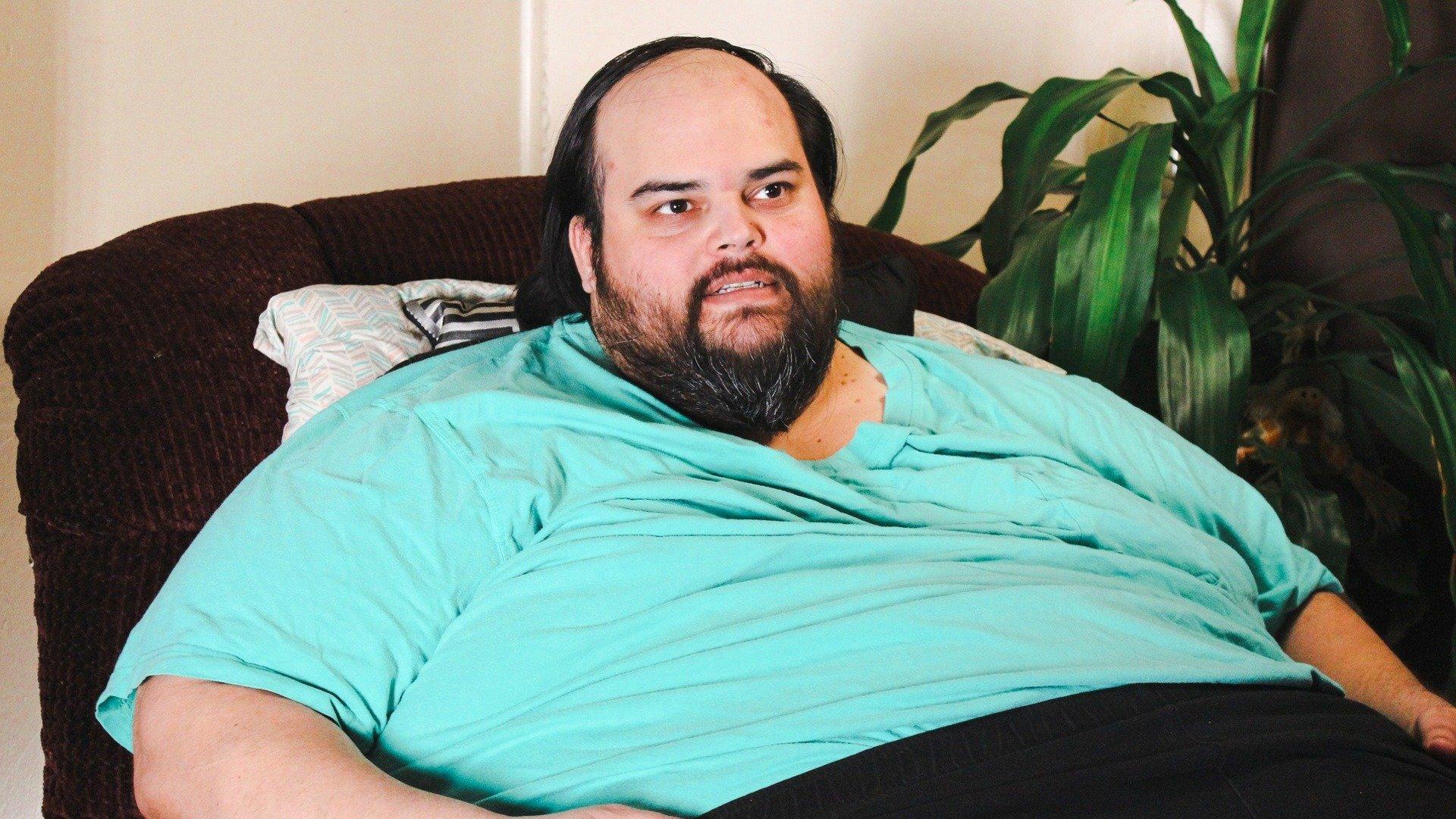
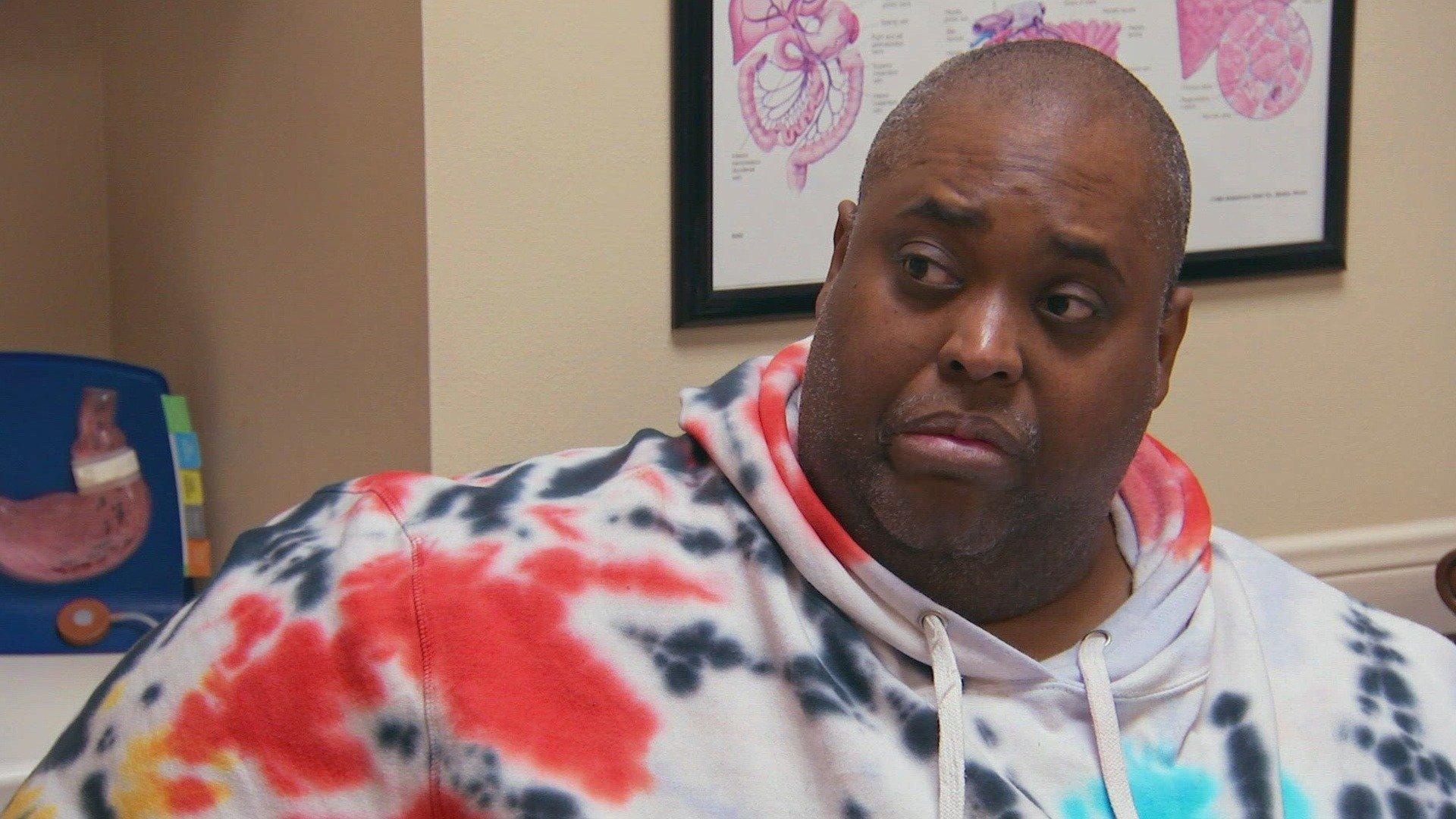
Deshaun's transformation on TLC's My 600-lb Life highlights the immense psychological and physical hurdles of severe obesity. His progression centers on five major shifts: acknowledging emotional triggers, modifying dietary intake, embracing physical activity, adhering to strict medical guidance under Dr. Nowzaradan, and cultivating long-term behavioral accountability.
Introduction to Deshaun's Journey on My 600-Lb Life
Reality television has long documented the struggles of individuals dealing with severe class III obesity, but few programs approach the condition with the clinical rigor of TLC’s My 600-lb Life. The series follows patients as they attempt to qualify for and recover from bariatric surgery under the care of Houston-based bariatric surgeon Dr. Younan Nowzaradan. Within this framework, participants must confront physical limitations, deeply ingrained psychological trauma, and dietary addictions that threaten their lives.
Analyzing an individual participant's arc requires looking past the scale and examining the systematic shifts required to achieve sustained weight loss. Deshaun’s journey on the program exemplifies how metabolic and psychological changes must happen in tandem. This article examines the five critical shifts that defined Deshaun’s transformation, detailing the practical hurdles, clinical requirements, and behavioral adaptations necessary to navigate severe weight-loss intervention.
1. The Psychological Awakening: Confronting Emotional Triggers
Before any physical weight loss can occur on My 600-lb Life, patients must undergo a fundamental psychological shift. Severe obesity is rarely just a matter of overeating; it is frequently linked to profound trauma, depression, anxiety, and the use of food as a coping mechanism. For Deshaun, the initial phase of the journey required dismantling defense mechanisms and acknowledging the root causes of his relationship with food.
Unpacking Underlying Trauma
Dr. Nowzaradan routinely mandates psychological counseling for his patients because surgical intervention alone cannot cure food addiction. If a patient does not address why they use food to numb emotional pain, they are likely to stretch their surgically reduced stomach back out over time.
- Identifying Triggers: Deshaun had to isolate specific emotional catalysts—such as stress, isolation, or feelings of inadequacy—that prompted binge eating episodes.
- Therapeutic Engagement: Working through these patterns required accepting uncomfortable truths about past experiences and personal accountability.
- Mental Resilience: Transitioning from passive avoidance to active emotional processing allowed Deshaun to break the cycle of using food for comfort.
This psychological awakening is often the most painful part of the journey. It requires stripping away the physical insulation that patients use as a protective shield against the world. Recognizing that food is an unreliable emotional crutch lays the groundwork for all subsequent physical changes.
2. Dietary Restructuring: Adopting Dr. Nowzaradan’s Strict Nutritional Protocol
Once psychological awareness begins to take root, the patient must tackle the physical cornerstone of the program: the strict, high-protein, low-carbohydrate diet prescribed by Dr. Nowzaradan. This nutritional protocol is designed to force the body to burn stored fat while shrinking the liver prior to potential bariatric surgery.
Navigating the Caloric Deficit
The standard diet regimen on the show typically restricts patients to approximately 1,200 calories per day, heavily emphasizing lean proteins and non-starchy vegetables while eliminating sugars, starches, and processed foods. For someone accustomed to consuming thousands of calories daily, this represents a severe shock to the metabolic system.
- Carbohydrate Withdrawal: Eliminating simple sugars and refined carbs triggers physical cravings, fatigue, and irritability during the initial weeks.
- Portion Control: Moving away from volume eating requires retraining the brain to recognize true physiological hunger versus psychological habit.
- Consistency: Adherence must be absolute; straying from the diet stalls progress and demonstrates to the medical team whether the patient is ready for the rigors of surgery.
For Deshaun, mastering this dietary shift meant discarding lifelong eating habits and learning to view food strictly as fuel. Meal preparation became a calculated exercise in macro-nutrient management rather than a spontaneous response to hunger or boredom.
3. Physical Mobilization: Reclaiming Movement and Overcoming Barriers
As weight begins to decrease through dietary compliance, patients face the next major hurdle: increasing physical activity. Carrying several hundred pounds places immense strain on joints, the skeletal system, and the cardiovascular network, making even basic movement painful and hazardous.
The Progression of Mobility
Physical rehabilitation on My 600-lb Life is incremental. It starts with simple household movements and progresses to targeted exercises designed to rebuild muscle mass and improve stamina.
- Phase One: Independence at Home: Simple tasks like standing up unassisted, walking to the bathroom, and bathing without aid represent major early milestones.
- Phase Two: Low-Impact Exercise: Introducing seated exercises, resistance bands, or short walks to stimulate circulation without destroying weight-bearing joints.
- Phase Three: Cardiovascular Endurance: Gradually increasing duration and intensity to support metabolic health and burn additional calories.
| Mobility Stage | Primary Objective | Physical Challenge | Expected Outcome |
|---|---|---|---|
| Initial Phase | Basic self-care & standing | Extreme joint pain, shortness of breath | Ability to perform daily hygiene independently |
| Intermediate Phase | Short-distance walking | Cardiovascular strain, muscle fatigue | Improved stamina and reduced edema in limbs |
| Advanced Phase | Structured exercise routines | Joint wear, psychological resistance | Enhanced metabolic rate and preparation for surgery |
For Deshaun, reclaiming physical mobility was essential for breaking the sedentary lifestyle that enabled rapid weight gain. Moving from bedbound isolation to active participation in daily life restored a sense of agency and physical freedom.
4. Medical Compliance: Navigating Dr. Nowzaradan’s Clinical Standards
The structured environment of Dr. Nowzaradan’s clinic provides no room for excuses. Bariatric surgery carries severe risks, and surgeons must ensure that patients can follow strict pre-operative and post-operative guidelines to minimize complications.
Meeting the Weight-Loss Thresholds
Dr. Nowzaradan is known for his direct, unvarnished communication style. He sets specific weight-loss targets that patients must meet before he will approve them for gastric sleeve or gastric bypass surgery.
- Proving Commitment: The scale does not lie; meeting or missing monthly weight-loss goals serves as objective proof of a patient's dedication.
- Pre-Surgical Shrinkage: Losing weight before surgery shrinks an enlarged fatty liver, which otherwise obstructs the surgeon's view and makes laparoscopic entry dangerous.
- Post-Operative Compliance: Following surgery, patients must adhere to a strict progression from liquids to pureed foods, and eventually to solid proteins, to avoid tearing staple lines or causing nutritional deficiencies.
Deshaun had to accept the clinical authority of his medical team, putting aside personal defensiveness when faced with tough feedback. This shift from resistance to radical compliance is a turning point for many participants on the show, transforming a patient-doctor adversarial dynamic into a collaborative partnership.
5. Behavioral Accountability: Maintaining Long-Term Lifestyle Changes
The final and most critical shift in Deshaun's journey involves long-term behavioral accountability. Surgery is merely a tool; it restricts stomach capacity and alters hunger hormones, but it does not fix a patient's mindset. Sustainable success requires treating weight management as a lifelong commitment rather than a temporary program.
Sustaining Progress Beyond the Scale
As the cameras stop rolling and the immediate milestones are achieved, patients must rely on internal discipline to navigate everyday life without falling back into old habits.
- Routine Establishment: Maintaining structured meal schedules, regular exercise habits, and ongoing psychological support sessions.
- Support System Management: Cultivating relationships that encourage healthy behaviors while distancing oneself from enablers who undermine progress.
- Identity Shift: Reconciling with a new physical body and self-image, moving from the identity of a person constrained by obesity to an active, independent individual.
For Deshaun, this meant accepting that the work of managing his health would never truly end. By anchoring his daily decisions in self-care rather than self-destruction, he demonstrated the kind of permanent lifestyle alteration required to survive and thrive after severe weight loss.
Conclusion and Next Actions
Deshaun’s journey on My 600-lb Life underscores that overcoming severe obesity requires a holistic transformation spanning psychology, nutrition, physical therapy, medical compliance, and permanent behavioral change. True progress is measured not just by the numbers dropping on the scale, but by the mental fortitude required to sustain those changes over a lifetime.
If you or someone you know is exploring bariatric surgery or managing severe weight challenges, consider taking the following structured steps:
- Consult a Medical Professional: Schedule an evaluation with a qualified bariatric surgeon or primary care physician to assess underlying metabolic health.
- Seek Psychological Support: Partner with a licensed therapist specializing in eating behaviors, trauma, or addiction counseling.
- Establish Nutritional Guidelines: Work with a registered dietitian to build a sustainable, protein-focused meal plan tailored to your specific physiological needs.