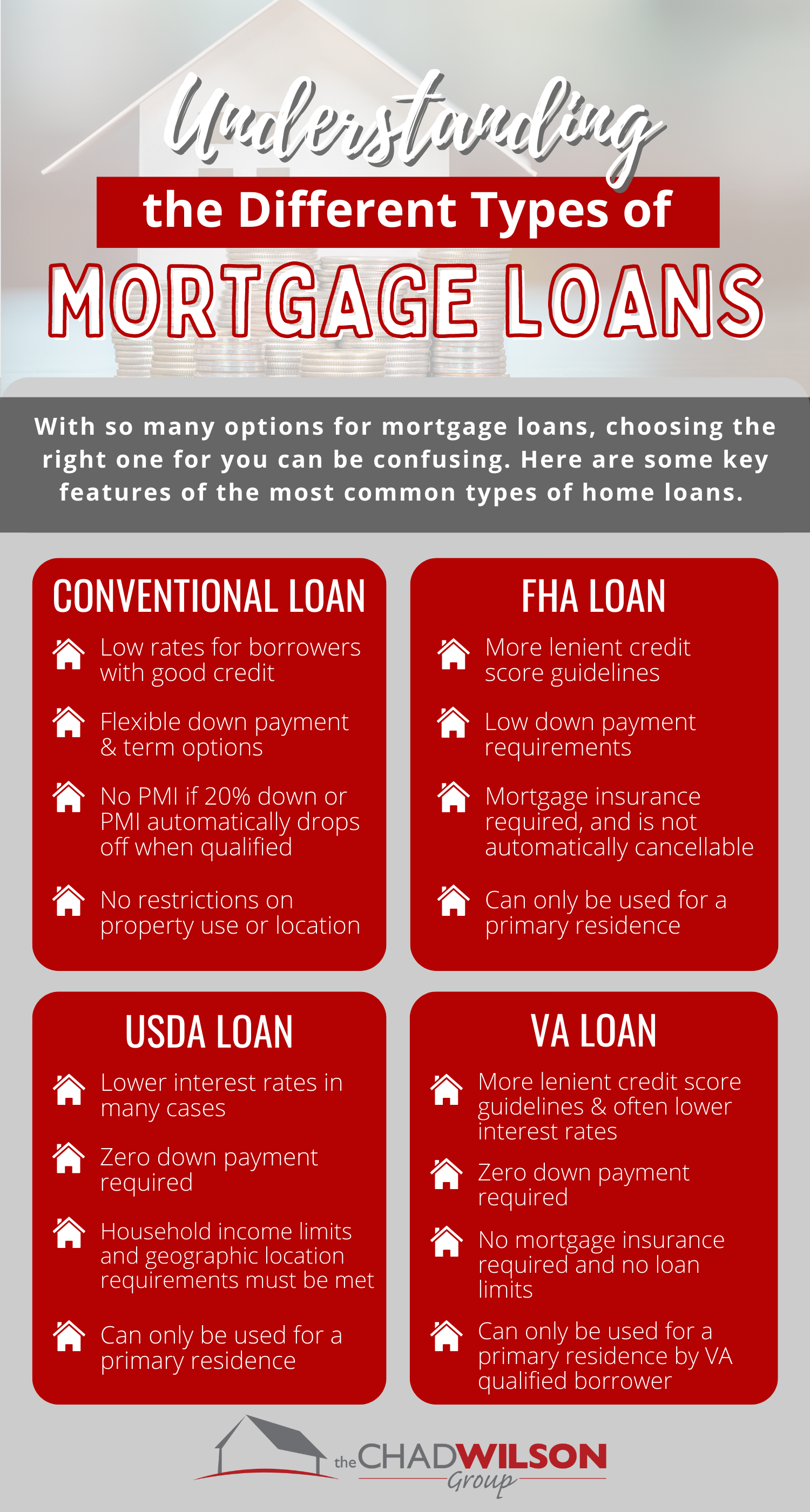
Securing a mortgage as a first-time home buyer involves navigating evolving financial landscapes, changing regulatory requirements, and shifting lending standards. For individuals purchasing their first property, staying informed about these structural adjustments is essential for optimizing purchasing power, minimizing borrowing costs, and ensuring long-term financial stability. Modern home financing incorporates several critical modifications designed to address affordability challenges, risk management, and broader economic conditions.
Understanding the primary adjustments in first-time home buyer loans requires looking beyond basic interest rate fluctuations. Lenders, government-sponsored enterprises (GSEs), and housing authorities continually update underwriting guidelines, down payment assistance frameworks, debt-to-income (DTI) parameters, and credit evaluation methodologies. Evaluating these developments helps prospective homeowners prepare accurate budgets, gather necessary documentation, and select mortgage products tailored to their financial profiles.
1. Evolving Debt-to-Income (DTI) Ratio Flexibilities and Limits
The debt-to-income (DTI) ratio remains one of the most heavily scrutinized metrics in mortgage underwriting. Lenders evaluate this percentage—calculated by dividing total monthly debt payments by gross monthly income—to determine a borrower’s capacity to manage monthly mortgage obligations. Recent adjustments in first-time home buyer loan programs have introduced nuanced flexibilities alongside tighter restrictions depending on the specific loan type.
While conventional loans backed by Fannie Mae and Freddie Mac historically capped DTI ratios around 43% to 45% without compensating factors, automated underwriting systems (AUS) increasingly permit higher ratios—sometimes up to 50% or slightly above—if the borrower demonstrates strong compensating factors. These factors may include substantial cash reserves, high residual income, or minimal use of revolving credit. Conversely, government-backed programs such as Federal Housing Administration (FHA) loans maintain strict baseline thresholds while accommodating alternative credit histories.
First-time buyers must carefully manage their existing liabilities, such as student loans, auto loans, and credit card balances, before formal application. Lenders now utilize sophisticated data verification tools to capture real-time liability changes, making pre-approval accuracy more critical than ever. Borrowers should aim to keep their projected housing debt-to-income ratio and total debt-to-income ratio well within comfortable boundaries to withstand unexpected financial fluctuations after closing.
2. Advanced Credit Scoring Models and Alternative Data Integration
Traditional credit scoring models, primarily the traditional FICO score iterations, have long served as the gatekeepers for mortgage eligibility and pricing. However, lending institutions and secondary market participants have integrated advanced credit evaluation methods to better assess creditworthiness, particularly for "credit-invisible" or thin-file first-time home buyers.
Modern underwriting guidelines increasingly incorporate trended credit data, which analyzes a borrower's credit card payment history over a 24-month period rather than just looking at a single snapshot in time. Furthermore, programs backed by the Federal Housing Finance Agency (FHFA) have initiated transitions toward multi-model credit score requirements, allowing lenders to utilize newer scoring models alongside traditional ones.
Additionally, mortgage underwriters are authorized to review alternative data sources for applicants with limited traditional credit histories. With consumer permission, lenders can evaluate verified payment histories for:
- Residential rental payments over consecutive months
- Utility bills, including electricity, water, and gas
- Telecommunications and internet service bills
- Recurring insurance premium payments
This shift allows responsible renters who have maintained timely payment habits for non-traditional obligations to demonstrate creditworthiness, potentially unlocking lower interest rates and more favorable loan terms.
3. Down Payment Assistance (DPA) Expansion and Grant Structures
Saving for a down payment and closing costs is consistently cited by first-time home buyers as the most significant barrier to homeownership. To counteract rising property values and inflationary pressures, federal, state, and local housing finance agencies (HFAs), as well as major commercial banks, have expanded down payment assistance (DPA) programs and structured grant initiatives.
Contemporary DPA programs have evolved beyond traditional second mortgages that require monthly payments. Many modern programs offer forgivable grants, soft second liens with zero interest, or deferred payment loans that only become due upon the sale, refinancing, or payoff of the primary mortgage. These grants frequently range from a percentage of the purchase price to flat-dollar amounts, significantly reducing the upfront cash requirement.
| DPA Program Type | Structure | Repayment Terms | Best Suited For |
|---|---|---|---|
| Forgivable Grant | Direct financial assistance provided at closing | Forgiven entirely after a specified residency period (e.g., 3 to 5 years) | Buyers planning to stay in their home medium-to-long term |
| Soft Second Lien | Zero-interest second mortgage loan | Repayment deferred until sale, refinance, or loan maturity | Borrowers needing equity assistance without immediate monthly obligations |
| Matched Savings (IDA) | Individual Development Accounts matched by organizations | Funds accumulated through personal savings plus institutional match | Low-to-moderate-income buyers with structured savings timelines |
Navigating these programs requires careful attention to geographic limitations, household income caps, and mandatory homebuyer education course completions. Buyers should consult official state housing finance agency portals or certified housing counselors to identify eligible regional grants.
4. Enhanced Private Mortgage Insurance (PMI) and Risk-Based Pricing Adjustments
For buyers unable to put down 20% of a home's purchase price, Private Mortgage Insurance (PMI) on conventional loans or the Upfront Mortgage Insurance Premium (UFMIP) and annual mortgage insurance on FHA loans are standard requirements. Recent adjustments in risk-based pricing have altered how mortgage insurance premiums and loan-level price adjustments (LLPAs) are calculated.
Federal regulators and government-sponsored enterprises have restructured fee frameworks to better align borrowing costs with actual risk profiles. For conventional loans, fee adjustments now heavily reflect credit score brackets and down payment amounts in a more granular manner. Borrowers with strong credit profiles (e.g., 740 and above) purchasing with lower down payments may see optimized pricing structures compared to previous baseline models, while lower credit tiers face adjusted risk fees.
Simultaneously, private mortgage insurers have introduced innovative policy structures, including cancellable borrower-paid PMI options and single-premium payment plans financed directly into the loan amount or paid upfront. First-time buyers should request comprehensive loan estimates from multiple lenders to compare how different institutions package mortgage insurance costs and upfront fee structures.
5. Stricter Digital Verification and Automated Underwriting Protocols
The mortgage application and verification process has undergone a digital transformation, fundamentally changing how documentation is collected, verified, and analyzed. Underwriting guidelines now heavily favor or mandate automated asset, income, and employment verification through secure third-party financial aggregators.
Rather than manually collecting paper pay stubs, W-2 forms, and multi-month bank statements, lenders utilize electronic verification platforms linked directly to borrower payroll providers and banking institutions. This digital integration offers several operational changes for first-time buyers:
- Real-time auditing: Lenders instantly capture recent deposits, overdrafts, and cash flow inconsistencies.
- Employment continuity checks: Automated systems re-verify active employment status immediately prior to loan closing.
- Reduced underwriting friction: Clean digital trails often shorten processing times and minimize requests for additional documentation.
While this digital shift accelerates the underwriting pipeline, it also leaves little room for unverified cash deposits or sudden financial movements. First-time buyers are advised to avoid transferring large sums of money between accounts or opening new lines of credit during the mortgage process, as automated systems flag these transactions instantly, requiring extensive paper trails and letters of explanation.
Practical Guidance and Next Steps for First-Time Buyers
Navigating these five key changes requires proactive preparation well before submitting a formal mortgage application. Prospective buyers should begin by reviewing their credit reports for discrepancies, paying down revolving debts to optimize their debt-to-income ratios, and accumulating documented savings for reserves and closing costs.
Engaging with a certified housing counselor or a reputable mortgage broker who specializes in first-time home buyer programs can provide customized clarity. Because lending guidelines, regional grant availability, and interest rate environments fluctuate, securing pre-approval from multiple lenders allows buyers to compare loan estimates side by side, ensuring they select the most financially sound mortgage product for their long-term objectives.
Disclaimer: Mortgage lending regulations, interest rates, and loan program eligibility criteria vary by jurisdiction, lender, and economic conditions. Prospective homebuyers should consult qualified financial advisors, certified housing counselors, or licensed mortgage professionals for personalized guidance tailored to their specific financial situation.