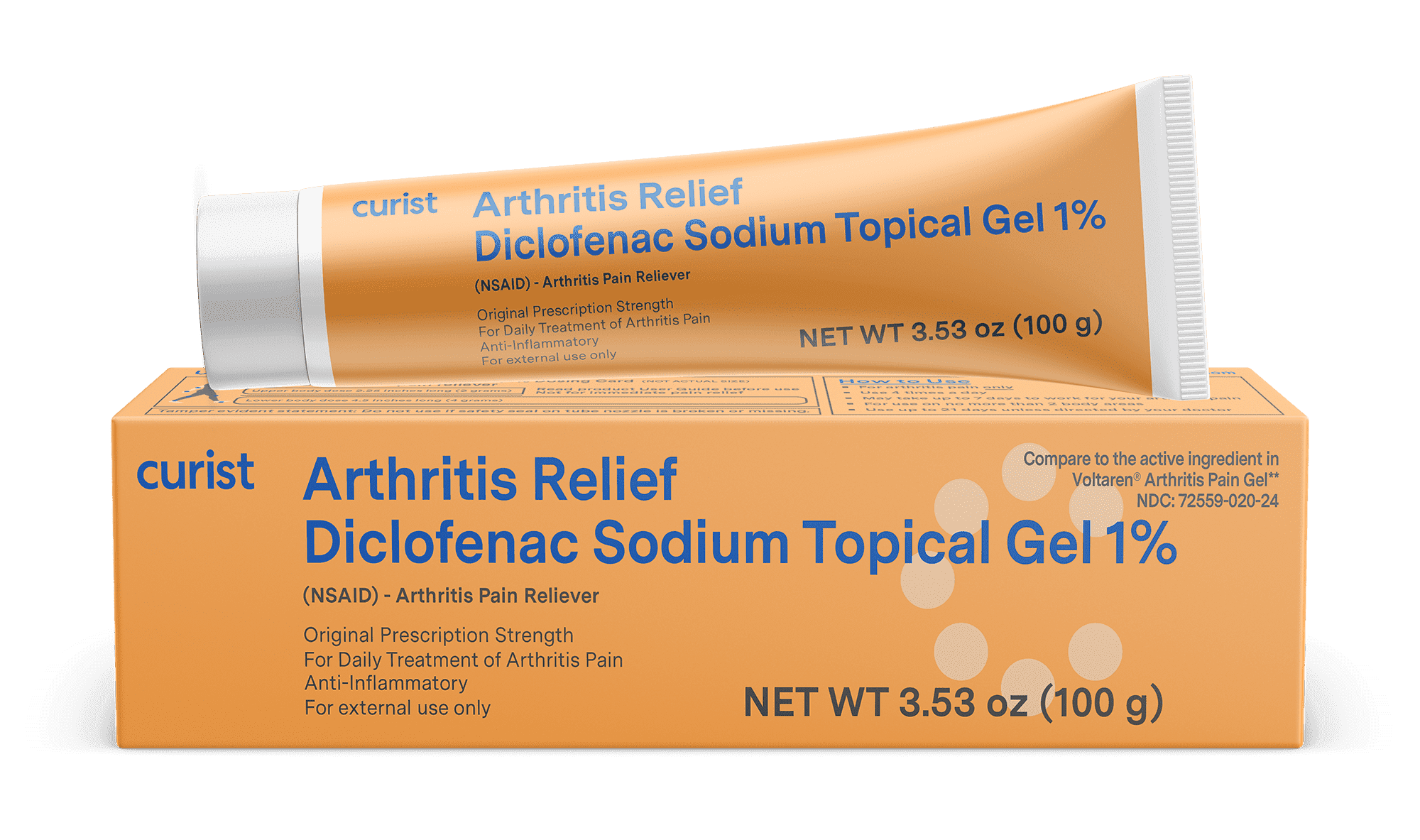
Choosing the best topical arthritis cream depends on the specific nature of your joint pain, as different active ingredients target distinct physiological pathways. For most users, Voltaren (Diclofenac) is the most effective for localized inflammation, while Capsazasin-HP is superior for chronic desensitization. Lidocaine-based creams like Aspercreme provide the best immediate numbing for surface-level discomfort.
Topical treatments for arthritis have evolved significantly, offering a viable alternative or supplement to oral medications. Unlike systemic NSAIDs (Non-Steroidal Anti-Inflammatory Drugs) that travel through the bloodstream and may cause gastrointestinal or cardiovascular issues, topical creams deliver medication directly to the affected joint through the skin. As we evaluate the landscape in 2026, the focus has shifted toward targeted delivery systems and combinations that maximize absorption while minimizing irritation.
Understanding the mechanism of action for each cream is essential for effective pain management. Arthritis is not a singular condition but a complex group of over 100 types, with Osteoarthritis (OA) and Rheumatoid Arthritis (RA) being the most common. The effectiveness of a topical agent is dictated by its ability to penetrate the stratum corneum—the outermost layer of the skin—and reach the synovial tissues of the joint.
Comparative Overview of Leading Topical Arthritis Treatments
The following table summarizes the five leading topical treatments available in 2026, categorized by their primary active ingredients and intended use cases.
| Product Name | Primary Active Ingredient | Mechanism of Action | Best Used For | Application Frequency |
|---|---|---|---|---|
| Voltaren Arthritis Pain | Diclofenac Sodium (NSAID) | Inhibits COX-1 and COX-2 enzymes to reduce inflammation. | Osteoarthritis in hands, knees, and ankles. | 4 times daily (consistent use required). |
| Capzasin-HP | Capsaicin (0.1%) | Depletes Substance P, the neurotransmitter for pain. | Chronic RA and OA; deep, aching joint pain. | 3–4 times daily (long-term use). |
| Biofreeze Professional | Menthol (USP) | Gate Control Theory; provides cooling sensation to mask pain. | Acute flare-ups, muscle soreness, and joint stiffness. | As needed, up to 4 times daily. |
| Aspercreme with Lidocaine | Lidocaine HCl (4%) | Sodium channel blocker; numbs local pain receptors. | Immediate relief from sharp, surface-level nerve or joint pain. | Every 6–8 hours. |
| Penetrex Joint & Muscle | Boswellia, Arnica, MSM | Multi-faceted approach using anti-inflammatory botanicals. | General joint discomfort and recovery; holistic preference. | 3–4 times daily for 7–10 days initially. |
1. Voltaren Arthritis Pain (Diclofenac Sodium)
Voltaren remains the gold standard for over-the-counter topical NSAIDs. Originally available only by prescription, its transition to OTC status revolutionized home care for osteoarthritis.
How It Works
The active ingredient, Diclofenac Sodium, is a potent NSAID. It works by blocking the cyclooxygenase (COX) enzymes, which are responsible for the production of prostaglandins. Prostaglandins are the chemicals in the body that signal pain and promote inflammation. By applying the gel directly to the joint, a high concentration of the drug reaches the affected tissue while maintaining low levels in the bloodstream, significantly reducing the risk of stomach ulcers and heart complications associated with oral Ibuprofen or Naproxen.
Clinical Application and Limitations
Voltaren is most effective for joints close to the skin surface, such as the knees, hands, wrists, and elbows. It is less effective for deep-seated joints like the hip or spine because the medication cannot penetrate deep enough through thick muscle and adipose tissue. Users should be aware that Voltaren is not an "as-needed" rescue medication; it requires consistent application over 7 days to reach therapeutic levels in the joint tissue.
2. Capzasin-HP (High Potency Capsaicin)
Capsaicin is the compound that gives chili peppers their heat, and in clinical concentrations, it is one of the most effective treatments for chronic arthritis pain.
The Science of Substance P
When Capzasin-HP is applied, it initially causes a burning sensation. This occurs because the capsaicin is stimulating the release of Substance P, a neuropeptide that transmits pain signals to the brain. After repeated applications, the local stores of Substance P are depleted. This results in a significant reduction in the perception of pain from that specific joint.
User Experience and Safety
The primary drawback of capsaicin is the "burn." New users often find the heat intense, but this sensation typically diminishes after several days of regular use. It is imperative to wash hands thoroughly after application or use an applicator, as getting capsaicin in the eyes or on mucous membranes causes severe irritation. In 2026, many formulations have incorporated skin-soothing agents to mitigate this initial discomfort.
3. Biofreeze Professional (Menthol-Based Counterirritant)
Biofreeze represents the "Counterirritant" category, which uses a different neurological pathway than NSAIDs or capsaicin.
Gate Control Theory
Menthol works based on the Gate Control Theory of Pain. By stimulating cold-sensing receptors in the skin, menthol sends "cold" signals to the brain that travel faster than the "pain" signals coming from the joint. This effectively "closes the gate" on the pain messages, providing a cooling, distracting relief.
Practical Benefits
Biofreeze is ideal for those who cannot use NSAIDs due to kidney issues or blood thinners. It provides nearly instant relief, making it a favorite for morning stiffness or post-exercise joint soreness. However, it does not treat the underlying inflammation; it only masks the sensation of pain. The "Professional" strength version typically contains a higher percentage of menthol (around 10%) and is often used by physical therapists.
4. Aspercreme with Lidocaine
Aspercreme has moved beyond its original salicylate formulas to focus heavily on Lidocaine, a local anesthetic.
Numbing the Nerves
Lidocaine works by stabilizing the neuronal membrane. It inhibits the ionic fluxes required for the initiation and conduction of nerve impulses, effectively numbing the area. For arthritis patients who experience sharp, stabbing pains or whose arthritis is complicated by peripheral neuropathy, Lidocaine offers a targeted numbing effect that other creams cannot match.
Maximum Strength Guidelines
As of 2026, 4% is the maximum concentration of Lidocaine allowed for OTC topical use. It is fast-acting, usually taking effect within 15–30 minutes. Unlike Voltaren, it can be used on an "as-needed" basis. It is particularly useful for nighttime relief, allowing patients to fall asleep without the distraction of joint throbbing.
5. Penetrex Joint & Muscle Therapy
Penetrex represents the modern "holistic-technical" hybrid. Instead of relying on a single pharmaceutical active, it utilizes a proprietary blend of ingredients that support joint health.
Ingredients and Synergy
Penetrex includes Arnica, Glucosamine, MSM (Methylsulfonylmethane), Boswellia Serrata, and Vitamin B6.
- Arnica: Traditionally used for bruising and swelling.
- MSM and Glucosamine: Components of cartilage repair and joint lubrication.
- Boswellia: A natural resin known for its anti-inflammatory properties.
Who Should Choose This?
This cream is best suited for individuals looking for a "whole-ingredient" approach or those who have sensitive skin that reacts poorly to menthol or capsaicin. While the clinical evidence for topical glucosamine is less robust than that for Diclofenac, many users report significant improvements in mobility and a reduction in the "grinding" sensation of OA.
Detailed Comparison of Active Ingredients
Understanding the chemical category of your cream is vital for safety, especially if you are already taking oral medications.
Topical NSAIDs vs. Counterirritants
Topical NSAIDs (Voltaren) actually treat the biological cause of pain (prostaglandins). Counterirritants (Biofreeze, Icy Hot) merely change how you perceive the temperature of the skin to distract from the pain. You should generally avoid using multiple NSAIDs (like oral Ibuprofen and topical Voltaren) without medical supervision, as some of the topical drug is absorbed systemically.
Anesthetics vs. Substance P Depletors
Anesthetics (Lidocaine) provide a temporary "blackout" of pain signals. Capsaicin provides a long-term "exhaustion" of the pain signaling system. If your pain is chronic and dull, Capsaicin is often better. If your pain is intermittent and sharp, Lidocaine is the superior choice.
Safety Precautions and Proper Application Techniques
To get the most out of a topical arthritis cream in 2026, follow these clinically recommended steps:
- Clean the Area: Wash the skin with mild soap and water to remove oils that might block absorption.
- Use the Dosing Card: If using Voltaren, use the provided plastic card to measure the exact amount. Using too little won't work, and using too much increases systemic absorption risks.
- Avoid Heat: Never apply a heating pad over a topical arthritis cream. This can cause the skin to absorb the medication too quickly, leading to burns or toxic levels of the drug in the bloodstream.
- Check for Broken Skin: Do not apply these creams to cuts, rashes, or infected skin.
- Wash Hands: Unless the hands are the treated area, wash them immediately after application to avoid accidental contact with eyes.
Frequently Asked Questions
Can I use topical creams along with oral arthritis medication?
In many cases, yes, but with caution. Topical counterirritants like menthol are usually safe to use with oral NSAIDs. However, if you are using a topical NSAID like Voltaren, you must consult your doctor before taking oral Ibuprofen, Naproxen, or Celebrex, as this increases the risk of NSAID-related side effects.
How long does it take for these creams to work?
Menthol and Lidocaine creams work within 10–20 minutes. Capsaicin can take 1 to 2 weeks of consistent use to achieve full pain-relieving effects. Voltaren usually requires 7 days of regular application before the user notices a significant reduction in stiffness and pain.
Are there any side effects to topical arthritis creams?
The most common side effect is skin irritation, redness, or a rash at the application site. Capsaicin specifically causes a burning sensation. Rare but serious side effects for NSAID creams include stomach pain or allergic reactions. If you experience shortness of breath or swelling of the face, seek medical attention immediately.
Why does my cream stop working after a few hours?
Topical medications are processed by the body and eventually cleared from the local tissue. Most creams require application 3 to 4 times daily to maintain a "steady state" of the medication in the joint.
Can I use these creams for Rheumatoid Arthritis?
Yes, though they are generally considered "adjunct" therapies for RA. While they can help manage the pain of a flare-up, they do not stop the underlying autoimmune attack on the joints. RA patients must continue their Disease-Modifying Anti-Rheumatic Drugs (DMARDs) as prescribed by their rheumatologist.
Recommendation for 2026
For the highest efficacy in treating Osteoarthritis inflammation, Voltaren Arthritis Pain remains the primary recommendation due to its clinical pedigree as an NSAID. For those seeking non-drug alternatives or who have contraindications for NSAIDs, Biofreeze Professional offers the best immediate relief through its high-potency menthol formulation. If you suffer from chronic, deep-aching pain and can tolerate the initial heat, Capzasin-HP provides the most significant long-term reduction in pain sensitivity.
Always consult with a healthcare provider before starting a new topical regimen, especially if you have pre-existing heart, kidney, or gastrointestinal conditions.