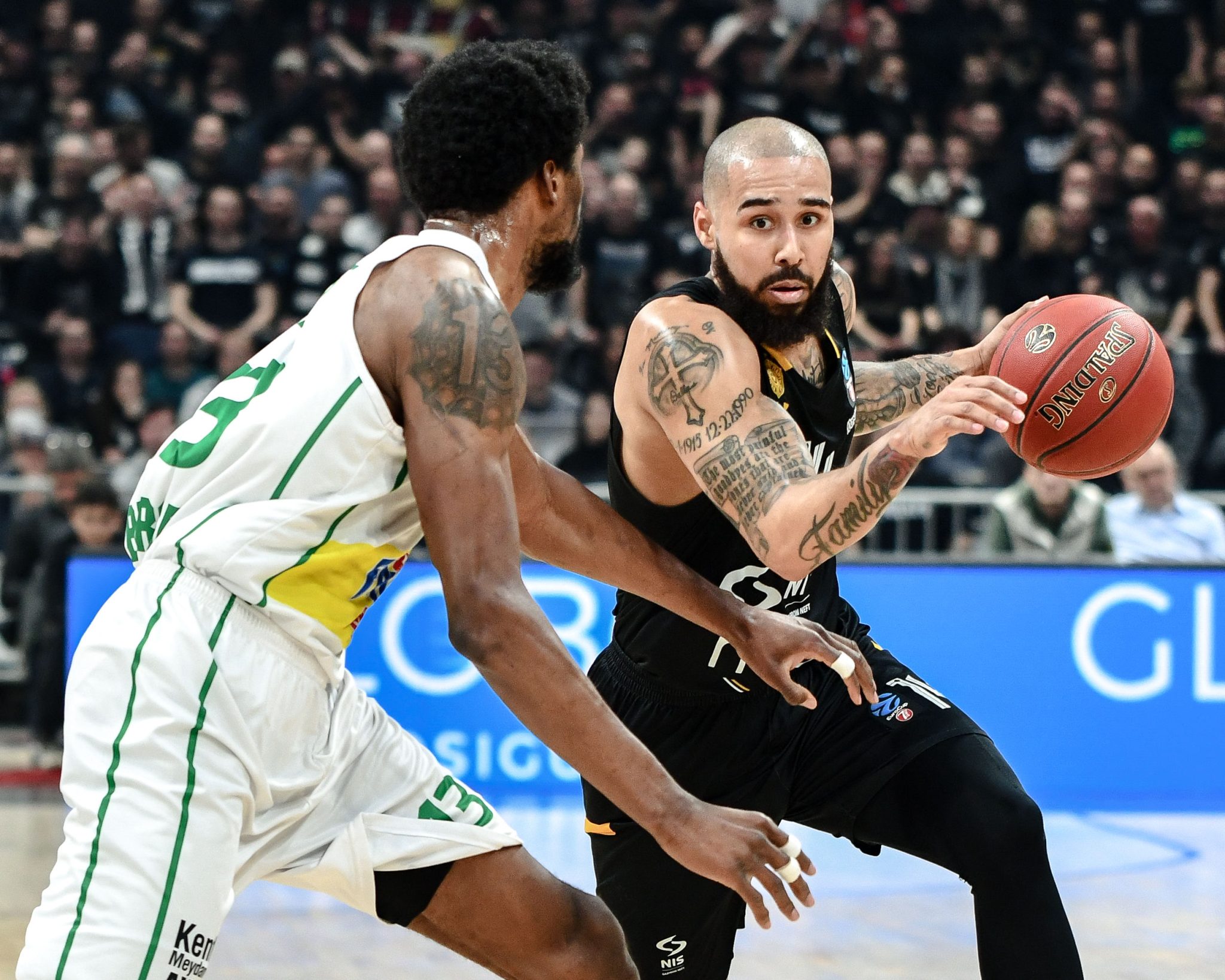
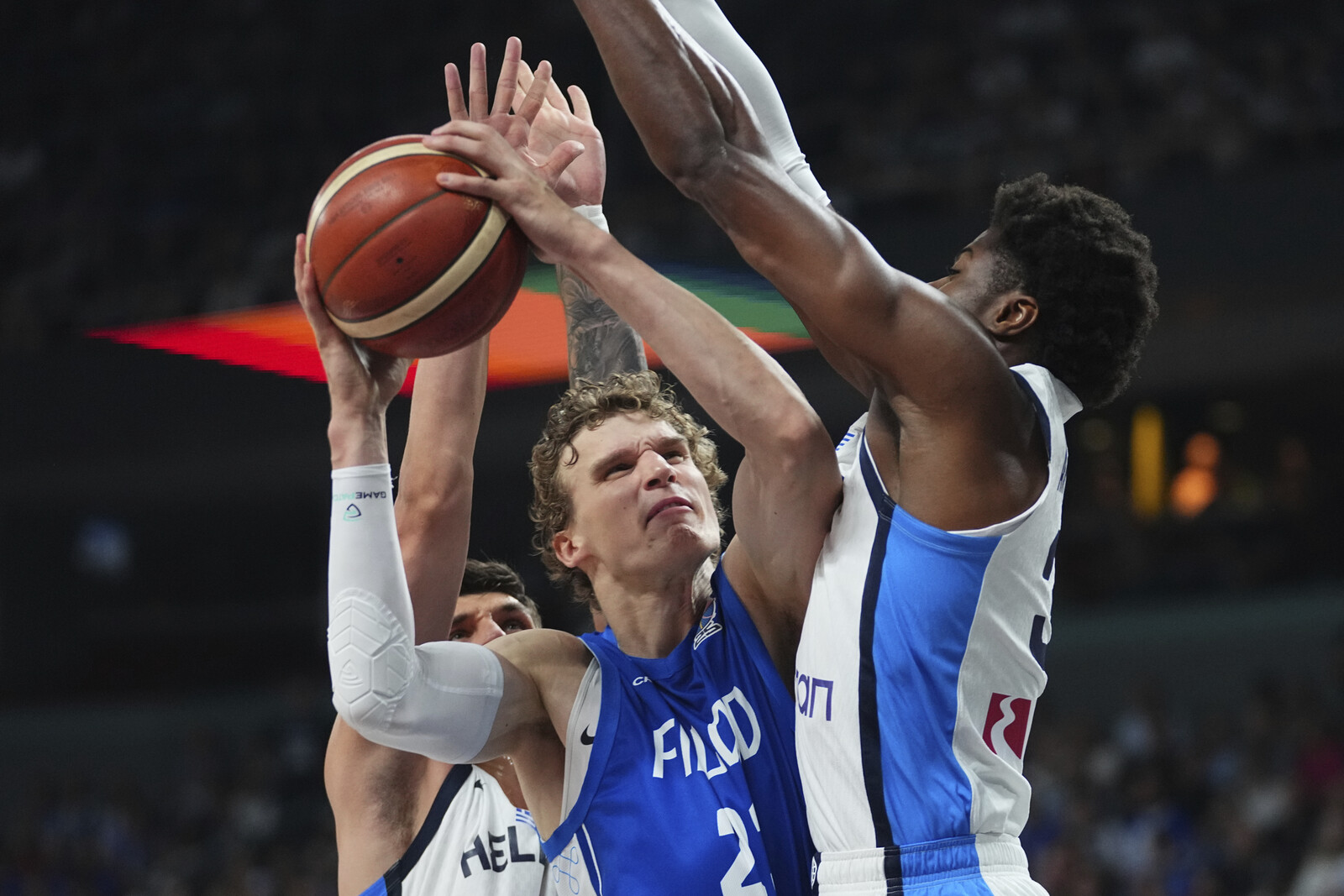
European basketball features some of the most fiercely contested leagues, storied histories, and passionate fan bases in global sports, centered around the EuroLeague and elite domestic competitions. Examining the five best European basketball clubs reveals a landscape defined by historic dynasties, financial strength, and consistent continental dominance, headlined by clubs like Real Madrid, Panathinaikos, Olympiacos, Barcelona, and Anadolu Efes.
Evaluating the absolute best European basketball clubs requires looking beyond domestic league success to measure performance against the continent's elite. While domestic leagues in Spain (Liga ACB), Greece (Greek Basket League), Turkey (Basketbol Süper Ligi), and Italy (Lega Basket Serie A) provide a weekly proving ground, the EuroLeague serves as the ultimate benchmark. The top clubs combine multi-generational legacies with modern financial structures, world-class youth academies, and rosters filled with current and former National Basketball Association (NBA) talent. Understanding these organizations means analyzing their structural advantages, historical achievements, and current status within the hierarchy of international basketball.
Understanding the Landscape of European Club Basketball
To understand why certain clubs consistently rank at the summit of European basketball, one must first understand the unique ecosystem of the sport outside of North America. Unlike the closed franchise system of the NBA, European basketball operates on a promotion-and-relegation framework in domestic leagues, paired with the EuroLeague—a closed-league model featuring a regular season and playoffs among the continent's premier franchises.
Clubs in Europe often function under larger multi-sport athletic associations, most notably in Spain and Greece, where football giants like Real Madrid and FC Barcelona maintain basketball sections. This cross-sport synergy provides institutional stability, built-in global fan bases, and diversified revenue streams. Conversely, clubs like Olympiacos and Panathinaikos have historically relied on wealthy patron ownership models, pouring substantial private capital into player salaries to compete for continental championships.
When ranking these organizations, analysts look at several core criteria:
- EuroLeague Titles and Final Four Appearances: The primary currency of elite status in Europe.
- Domestic Dominance: Consistent contention and titles within powerhouse domestic leagues.
- Roster Quality and Depth: The ability to attract, retain, and develop elite global talent.
- Infrastructure and Fan Culture: Arena capacity, attendance figures, and the intensity of home-court environments.
- Financial Stability: The long-term economic health and backing of the organization.
1. Real Madrid Baloncesto
Real Madrid stands undisputed as the most successful and decorated club in European basketball history. Operating as the basketball branch of the legendary Spanish multi-sport club, Real Madrid has built a culture of winning that spans decades. The club's domestic dominance in the Liga ACB is matched only by its unmatched pedigree in the premier continental competition, holding the record for the most EuroLeague (formerly FIBA European Champions' Cup) titles.
The club's success is rooted in an elite scouting and development infrastructure. Real Madrid rarely relies solely on high-spending; instead, they combine generational veteran leadership with a world-class youth academy that has produced numerous NBA prospects and global superstars, such as Luka Dončić. Their style of play traditionally emphasizes high-tempo execution, tactical discipline, and offensive fluidity. Playing out of the WiZink Center in Madrid, the club commands a massive global following and consistently sets attendance benchmarks.
- Key Strengths: Unmatched historical pedigree, elite youth development system, strong institutional backing from the parent football club.
- Notable Challenges: Maintaining financial equilibrium amid escalating player salaries across the continent.
- Primary Arena: WiZink Center (Capacity: ~15,000)
2. Panathinaikos Athens
Panathinaikos is a titan of Greek and European basketball, characterized by an intensely passionate fan base and a history of assembling star-studded rosters. Owned for decades by the Giannakopoulos family, the club has experienced periods of immense financial investment that have translated directly into multiple EuroLeague championships.
The atmosphere inside the OAKA Altion is widely regarded by players and coaches as one of the most intimidating environments in global sports, featuring deafening crowds, pyrotechnics, and relentless vocal support. Panathinaikos plays with a physical, high-stakes style that reflects the expectations of its supporters, where anything short of a continental title is viewed as a rebuilding year. Following a period of structural retooling, the club aggressively revitalized its roster, securing top-tier global talent to reclaim its spot at the pinnacle of European basketball.
- Key Strengths: Electric home-court atmosphere, unwavering financial backing, rich history of clutch performances.
- Notable Challenges: High roster turnover and intense internal/external pressure during slumps.
- Primary Arena: OAKA Altion (Capacity: ~18,300)
3. Olympiacos Piraeus
Based in Piraeus, Greece, and sharing one of the fiercest rivalries in sports with Panathinaikos, Olympiacos is a cornerstone of European basketball. Backed passionately by the Angelopoulos brothers, the "Thrylos" (The Legend) has historically defined itself through grit, tactical defensive mastery, and an unbreakable team identity.
Olympiacos is renowned for its ability to build cohesive units that punch above their weight, often utilizing clever tactical systems implemented by masterclass coaches like Georgios Bartzokas. The Peace and Friendship Stadium (SEF) serves as a fortress where visiting teams face immense defensive pressure. Beyond their senior team success, Olympiacos boasts a deeply loyal, working-class fan culture that views the basketball club as an integral part of the community's identity.
- Key Strengths: Exceptional tactical continuity, elite defensive culture, deeply dedicated ownership and fan base.
- Notable Challenges: Navigating the financial disparity against multi-sport football-backed clubs.
- Primary Arena: Peace and Friendship Stadium (Capacity: ~12,000)
4. FC Barcelona Basquet
FC Barcelona represents the other half of Spain's classic El Clásico rivalry on the hardwood. Operating under the umbrella of one of the world's largest sports institutions, Barça Baloncesto combines Catalan pride with a commitment to elite, aesthetically pleasing basketball. The club plays its home games at the Palau Blaugrana, an intimate and historic arena that creates a cauldron-like atmosphere for opponents.
While Barcelona has historically played second fiddle to Real Madrid in total continental titles, their investment in the basketball section remains among the highest in the world. They consistently attract top-tier NBA returnees and elite European prospects. Their emphasis on a balanced, positionless style of play has made them a permanent fixture in the EuroLeague Playoffs and Final Four weekends.
- Key Strengths: Premium global brand recognition, consistent access to top-tier talent, strong developmental pipeline.
- Notable Challenges: Balancing the massive financial demands of the basketball section with the broader club's fiscal priorities.
- Primary Arena: Palau Blaugrana (Capacity: ~7,585)
5. Anadolu Efes SK
Anadolu Efes, based in Istanbul, Turkey, represents the modern paradigm of sustained excellence and corporate backing in European basketball. Sponsored by the massive Anadolu Group conglomerate, the Turkish club transitioned from a domestic powerhouse into a continental dynasty, securing back-to-back EuroLeague championships under the guidance of head coach Ergin Ataman and a legendary core of star guards.
Efes is famous for revolutionizing modern European offensive basketball, heavily utilizing dynamic pick-and-roll playmakers and floor-spacers who could rival NBA spacing. While their roster cycles through periods of transition, their institutional knowledge, elite training facilities, and smart front-office management ensure they remain perennial contenders in both the Turkish Basketbol Süper Ligi and the EuroLeague.
- Key Strengths: Modern offensive philosophies, strong corporate stability, proven track record of recent continental titles.
- Notable Challenges: Managing the post-dynasty roster rebuild while maintaining competitive parity.
- Primary Arena: Basketball Development Center (Capacity: ~10,000)
Comparative Overview of Elite European Clubs
To clearly understand how these five organizations compare across structural, historical, and operational dimensions, review the comparative breakdown below:
| Club Name | Country | Primary Domestic League | EuroLeague Titles (Approx.) | Notable Home Arena | Ownership / Structure |
|---|---|---|---|---|---|
| Real Madrid | Spain | Liga ACB | 11 | WiZink Center | Multi-sport club association |
| Panathinaikos | Greece | Greek Basket League | 7 | OAKA Altion | Private ownership (Giannakopoulos family) |
| Olympiacos | Greece | Greek Basket League | 3 | Peace and Friendship Stadium | Private ownership (Angelopoulos family) |
| FC Barcelona | Spain | Liga ACB | 2 | Palau Blaugrana | Multi-sport club association |
| Anadolu Efes | Turkey | Basketbol Süper Ligi | 2 | Basketball Development Center | Corporate sponsorship (Anadolu Group) |
Frequently Asked Questions
How do European basketball clubs qualify for the EuroLeague?
Qualification for the EuroLeague is primarily determined by long-term licensing agreements (A-licenses) held by core clubs like Real Madrid, Barcelona, Olympiacos, Panathinaikos, and Anadolu Efes, granting them permanent status. Additional spots are filled by winning the EuroCup, performing well in select domestic leagues (such as the ABA League or VTB United League, depending on current geopolitical and sporting sanctions), or receiving wildcard invitations based on market size and arena infrastructure.
Which European club has the most basketball championships?
Real Madrid holds the record for the most premier continental championships in European basketball history, with 11 EuroLeague/FIBA European Champions' Cup titles. Their domestic trophy case is similarly unmatched, containing dozens of Liga ACB championships and Spanish King's Cups.
How do European clubs fund their operations compared to NBA teams?
Unlike NBA franchises, which rely on a closed revenue-sharing system, television rights, and salary caps, European clubs operate under varied models. Many top clubs are subsidized by parent football clubs (Real Madrid, Barcelona) or wealthy private owners (Panathinaikos, Olympiacos), while others rely heavily on corporate sponsorship (Anadolu Efes) and gate receipts. Most European basketball operations run at a financial deficit, requiring external financial support from owners or parent organizations.
Can European basketball clubs play against NBA teams?
While there is no formal, permanent tournament between NBA and European teams, select EuroLeague clubs periodically travel to North America to play preseason exhibition games against NBA franchises under the NBA G League or direct preseason tours. Historically, select European clubs have defeated NBA teams in these exhibition matches, showcasing the high-level tactical and technical proficiency of the international game.
What makes European basketball fan culture unique?
European basketball fan culture is defined by organized supporters' groups—often referred to as "ultras"—who provide continuous, non-stop singing, drumming, choreographic displays (tifos), and passionate vocal backing throughout the entire 40-minute match. Unlike the more entertainment-oriented atmosphere of North American sports arenas, European venues prioritize tribal loyalty, intense atmosphere, and immediate competitive stakes.
Next Actions and Final Recommendations
For sports fans, analysts, or aspiring players looking to engage deeply with the pinnacle of international basketball, the best approach is to start by following the weekly EuroLeague calendar and domestic playoffs. Subscribing to dedicated streaming platforms like EuroLeague TV provides access to live matches, tactical breakdowns, and historical archives. To fully appreciate why these five clubs dominate the continent, watch a live match featuring Panathinaikos or Olympiacos at their home arenas—the hostile, energetic environments offer a stark, unforgettable contrast to traditional North American sporting cultures.