Navigating the financial rebuilding process after a Chapter 13 bankruptcy requires careful credit management, with secured cards and targeted unsecured options serving as essential tools to reestablish payment history and improve credit scores over time.
Rebuilding your financial standing after completing or while progressing through a Chapter 13 bankruptcy can feel like an uphill battle. A Chapter 13 bankruptcy stays on your credit report for up to seven years from the filing date, and during this period, finding financial products that accept applicants with a clean slate can be challenging. However, responsible credit card usage is one of the most effective ways to demonstrate creditworthiness to major bureaus—Equifax, Experian, and TransUnion.
Choosing the right credit card after bankruptcy requires looking past standard consumer rewards cards and focusing on products designed specifically for bad credit or post-bankruptcy rebuilding. Whether you are currently in an active Chapter 13 repayment plan (which typically requires court permission to incur new debt) or have received your discharge, understanding your options is the first step toward long-term financial recovery.
Understanding Bankruptcy and Credit Rebuilding
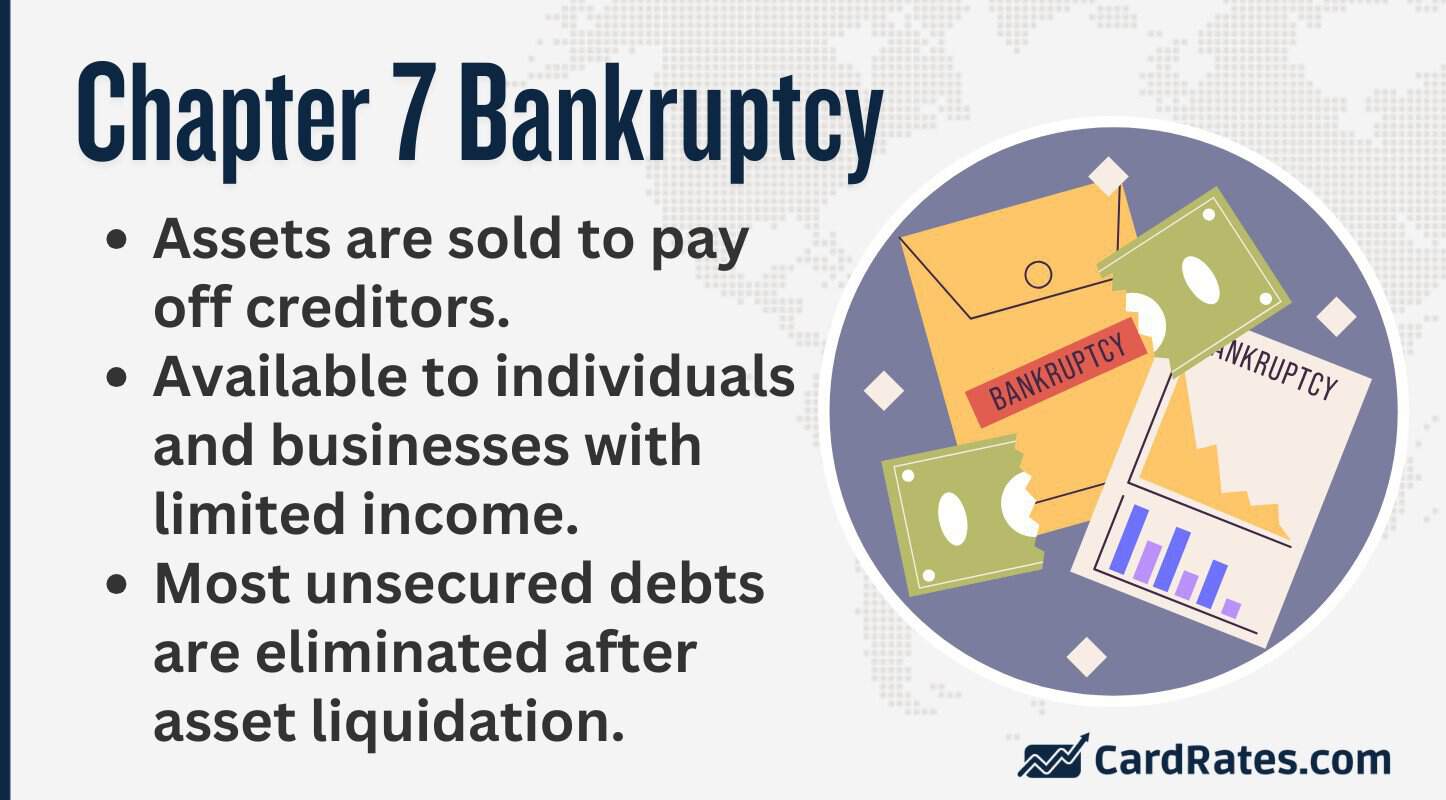
Before applying for any credit card post-bankruptcy, it is crucial to understand how bankruptcy impacts your credit profile and what restrictions you may face. A Chapter 13 bankruptcy involves a court-approved repayment plan lasting three to five years. During an active Chapter 13 plan, taking on new debt—including opening a new credit card—generally requires explicit permission from the bankruptcy trustee assigned to your case. Attempting to open lines of credit without approval can jeopardize your repayment plan.
Once your Chapter 13 bankruptcy is discharged or dismissed, you are legally free to apply for credit without court oversight, though your credit score will still reflect the historical bankruptcy filing. At this stage, your credit score will likely be in the fair or poor range. Lenders view you as a higher risk because of your past default history, which means traditional unsecured credit cards with low interest rates and high limits will likely deny your applications.
To bridge this gap, financial institutions offer specialized products. These generally fall into two categories: secured credit cards, which require a cash security deposit that usually acts as your credit limit, and unsecured credit cards for bad credit, which feature higher interest rates (APR) and maintenance fees but do not require a deposit. Successfully managing these cards requires keeping utilization low, making on-time payments consistently, and monitoring your credit reports for accuracy.
The 5 Best Credit Cards for Rebuilding After Chapter 13
When selecting a card to rebuild your credit after bankruptcy, you should prioritize issuers that report to all three major credit bureaus, transparent fee structures, and pathways to upgrading to an unsecured card. Below are five strong options suited for different stages of the post-bankruptcy financial journey.
1. Capital One Platinum Secured Credit Card
The Capital One Platinum Secured Credit Card is widely regarded as one of the best tools for rebuilding credit from the ground up. Unlike many secured cards that require a deposit equal to your full credit limit, Capital One may grant you an initial credit limit higher than your deposit if you qualify for a reduced deposit tier (e.g., a $200 deposit for a $200 limit, or sometimes a lower deposit for the same limit based on creditworthiness).
- Annual Fee: $0
- Security Deposit: Minimum $200 (fully refundable)
- Credit Bureau Reporting: Reports to all three major credit bureaus.
- Why It Works for Bankruptcy: Capital One automatically reviews your account starting at six months to see if you qualify for a higher credit limit or an upgrade to an unsecured card without requiring an additional deposit.
2. Discover it® Secured
For individuals who want to earn rewards while rebuilding their credit, the Discover it® Secured card stands out. It is rare for a secured card to offer cash back, but Discover provides a modest rewards structure on everyday spending, making it a favorite among personal finance experts.
- Annual Fee: $0
- Security Deposit: Equal to your credit limit (ranging from $200 to $2,500).
- Credit Bureau Reporting: Reports to TransUnion, Experian, and Equifax.
- Why It Works for Bankruptcy: Discover matches all the cash back you earn at the end of your first year. Furthermore, Discover begins automatic monthly reviews starting at seven months to transition you to an unsecured card and return your security deposit based on responsible account management.
3. OpenSky® Secured Visa® Credit Card
If your credit score is severely damaged or if you have trouble getting approved for cards that run a hard credit check, the OpenSky® Secured Visa® Credit Card is a viable alternative because it does not require a credit check to apply.
- Annual Fee: $35
- Security Deposit: Minimum $200 (fully refundable).
- Credit Bureau Reporting: Reports payment history to all three major credit bureaus.
- Why It Works for Bankruptcy: Because OpenSky does not perform a credit check upon application, recent bankruptcy filers do not have to worry about a hard inquiry lowering their score further. It provides a guaranteed entry point for credit building as long as you can provide the security deposit.
4. Capital One Quicksilver Secured Cash Rewards Credit Card
If you prefer cash back over a standard secured card like the Capital One Platinum, the Quicksilver Secured version offers a flat-rate rewards program combined with the reliable credit-building infrastructure of Capital One.
- Annual Fee: $0
- Security Deposit: Minimum $200.
- Credit Bureau Reporting: Reports to all three major credit bureaus.
- Why It Works for Bankruptcy: You earn unlimited 1.5% cash back on every purchase. This allows you to build credit while offsetting some of the psychological friction of using a secured card. Like other Capital One products, it features automatic account reviews for potential upgrades.
5. Milestone® Mastercard® (Unsecured Option)
For individuals who have completed their Chapter 13 bankruptcy and want an unsecured card immediately—without tying up cash in a security deposit—the Milestone® Mastercard® is an option designed for less-than-perfect credit. However, applicants must weigh the convenience of an unsecured card against potential fees.
- Annual Fee: Varies based on credit tier (up to $99 annually).
- Security Deposit: None (Unsecured).
- Credit Bureau Reporting: Reports to all three major credit bureaus.
- Why It Works for Bankruptcy: It offers a genuine unsecured revolving line of credit for people with a bankruptcy history, allowing you to build payment history without locking up funds in a security deposit. Note that you should carefully review the exact fee structure offered upon pre-qualification.
| Card Name | Card Type | Annual Fee | Minimum Deposit | Key Benefit for Bankruptcy Recovery |
|---|---|---|---|---|
| Capital One Platinum Secured | Secured | $0 | $200 | Automatic reviews for credit limit increases and upgrades |
| Discover it® Secured | Secured | $0 | $200 | Earns cash back; matches cash back earned in the first year |
| OpenSky® Secured Visa® | Secured | $35 | $200 | No credit check required to apply |
| Capital One Quicksilver Secured | Secured | $0 | $200 | Earns flat 1.5% cash back on all purchases |
| Milestone® Mastercard® | Unsecured | Up to $99 | None | Unsecured line of credit for rebuilding without a cash deposit |
Key Factors to Evaluate When Choosing a Post-Bankruptcy Card
Selecting the right card involves looking past marketing claims and evaluating specific operational terms that impact your financial recovery. When reviewing your options, keep the following criteria in mind:
Fees and Deposit Requirements
Secured cards require cash collateral to secure the credit line. Ensure that the deposit amount fits comfortably within your post-bankruptcy budget without straining your emergency savings. Additionally, watch out for monthly maintenance fees, application fees, or exorbitant annual fees charged by some subprime unsecured card issuers. Whenever possible, opt for $0 annual fee cards to maximize your financial efficiency.
Bureau Reporting Practices
A credit card can only help rebuild your credit score if the issuer actually reports your payment activity to the major credit bureaus (Equifax, Experian, and TransUnion). Always verify that the card issuer reports to all three agencies. A few niche or predatory cards may fail to report consistently, rendering them useless for long-term credit repair.
Graduation Path to Unsecured Credit
The ultimate goal of getting a secured card after bankruptcy is to eventually graduate to an unsecured card and get your security deposit back. Research whether the issuer has a clear, automated path for graduation. Issuers like Capital One and Discover are well-known for periodically reviewing accounts and returning deposits after consecutive months of on-time payments.
Best Practices for Using Credit Cards After Bankruptcy
Obtaining a credit card is only half the battle. How you manage the card dictates whether your credit score will recover or whether you will fall back into a cycle of debt. Implement these core habits to ensure success:
- Keep Credit Utilization Low: Aim to use less than 10% to 30% of your total available credit limit at any given time. If your credit limit is $300, try to keep your balance below $30 before the statement closing date.
- Pay the Balance in Full Every Month: Treat your secured or unsecured rebuilding card like a debit card. Pay the statement balance in full before the due date to avoid paying high interest charges and to prove consistent repayment ability.
- Automate Your Payments: Set up autopay for at least the minimum amount due to protect yourself against accidental missed payments, which can severely damage a recovering credit score.
- Monitor Your Credit Reports: Use free credit monitoring services or request your official reports through AnnualCreditReport.com to track your progress and ensure discharged debts are correctly marked as zero balance.
Frequently Asked Questions
Can I get a credit card while my Chapter 13 bankruptcy plan is still active?
Generally, no. In an active Chapter 13 repayment plan, you are under court supervision, and incurring new debt without the permission of your bankruptcy trustee is prohibited. If an emergency arises, you must petition the court or trustee for approval before applying for any credit card or loan.
How long after a Chapter 13 discharge can I apply for a credit card?
You can legally apply for a credit card the moment your Chapter 13 bankruptcy is officially discharged or dismissed by the court. However, waiting until you have stabilized your post-bankruptcy budget and built a small emergency fund is highly recommended before taking on new revolving credit.
Will a secured credit card hurt my credit score when I apply?
Applying for a secured credit card typically results in a hard credit inquiry, which may cause a temporary, minor drop in your credit score (usually just a few points). However, the positive payment history you establish by using the card responsibly will quickly outweigh this initial dip.
What happens to my security deposit if I close the account?
If you close your secured credit card account in good standing—or if you successfully graduate to an unsecured card—the issuer will return your security deposit in full, provided you have no outstanding balance or unpaid fees on the account.
Conclusion and Next Actions
Rebuilding your financial life after a Chapter 13 bankruptcy takes patience, discipline, and the right tools. Start by confirming your legal standing with your bankruptcy trustee if you are still in a repayment plan, or verify your discharge documents if your case is closed. Next, evaluate your cash flow to determine if you can comfortably afford a security deposit for a card like the Capital One Platinum Secured or Discover it® Secured. Commit to paying your balance in full each month, keep your credit utilization low, and monitor your credit report regularly to watch your score improve over time.