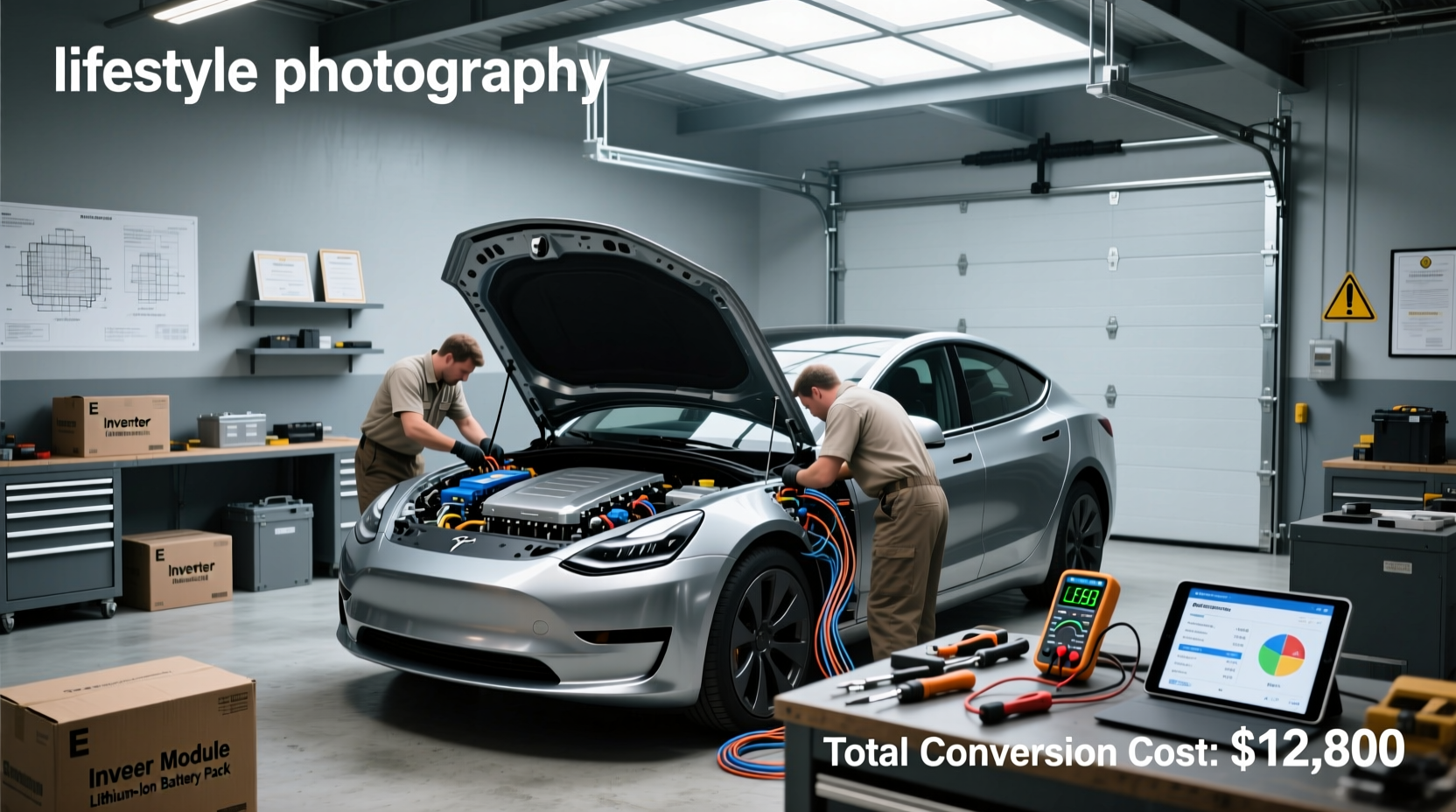
Converting a medium-duty truck using the 4GT (4-speed Gearbox for Trucks) system offers significant long-term cost savings by reducing energy consumption by 15–20% compared to single-speed EV conversions. While upfront costs in 2026 range from $65,000 to $110,000, operators typically achieve a return on investment (ROI) within three to five years through 75% lower fuel expenses and a 60% reduction in scheduled maintenance.
Understanding the 4GT System and Its Role in Efficiency
The 4GT system, pioneered by engineering firms like Fellten (formerly Zero EV), represents a specialized approach to vehicle electrification. Unlike standard passenger electric vehicles (EVs) that typically use a single-speed reduction gear, the 4GT utilizes a 4-speed automated manual transmission specifically designed for electric motors in commercial truck applications.
In the context of cost savings, the gearbox is the primary driver of efficiency. Electric motors are most efficient within specific RPM ranges. When a truck carries heavy payloads or navigates steep gradients, a single-speed motor must draw massive amounts of current to maintain torque, which generates heat and wastes battery energy. The 4GT system allows the motor to stay within its optimal "efficiency map" by shifting gears. This mechanical advantage means the truck can achieve the same performance with a smaller, lighter, and less expensive battery pack, or conversely, achieve a much greater range with a standard battery.
By 2026, the 4GT has become a benchmark for Class 3 through Class 6 truck conversions because it balances the high torque requirements of starting a heavy load with the high-speed efficiency required for highway cruising. For fleet managers, this technical nuance translates directly into lower "cost-per-mile" metrics.
The Upfront Investment: Breakdown of 2026 Conversion Costs
To accurately calculate cost savings, one must first establish the baseline investment. In 2026, the cost of a 4GT electric truck conversion is influenced by battery density improvements and the maturation of the conversion kit market.
Component Costs
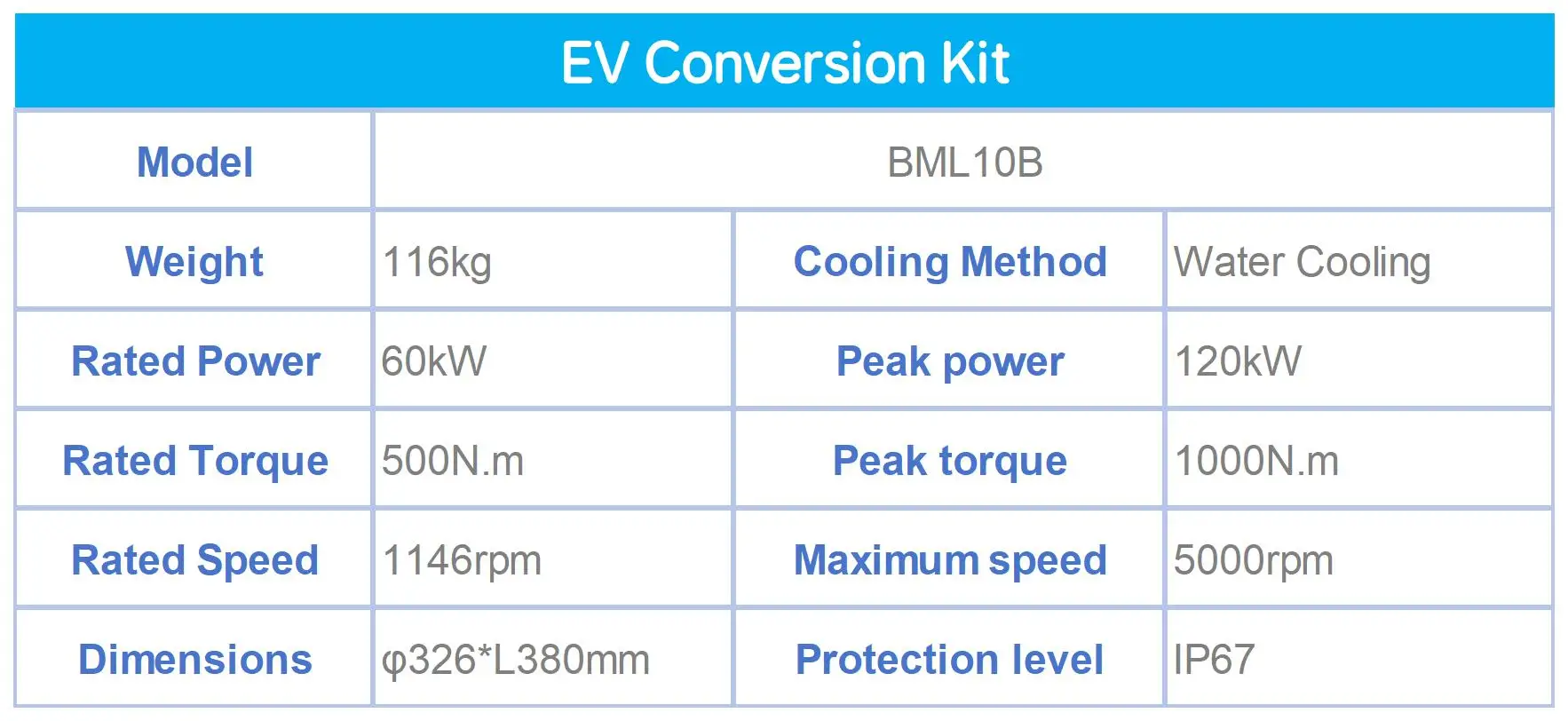
The core of the conversion is the 4GT kit, which includes the 4-speed gearbox, the electric motor (often a high-output radial flux motor), the inverter, and the vehicle control unit (VCU). As of 2026, these kits have seen a price stabilization due to scaled production.
- 4GT Drivetrain Kit: $25,000 – $35,000
- Battery Pack (LFP or NMC): $30,000 – $60,000 (depending on kWh capacity, typically 80kWh to 150kWh for medium-duty)
- Ancillaries (Cooling, HV Cables, Charging Port): $5,000 – $8,000
Labor and Engineering
Converting an existing internal combustion engine (ICE) truck to a 4GT electric system requires roughly 100 to 150 man-hours. Using certified installers ensures that the vehicle maintains safety standards and eligibility for insurance.
- Installation Labor: $10,000 – $15,000
While a total price tag of approximately $80,000 for a mid-range conversion may seem high, it is significantly lower than the $180,000+ price tag of a brand-new 2026 electric medium-duty truck. This "re-powering" strategy allows fleets to retain their existing chassis, bodies, and specialized equipment (such as refrigeration units or hydraulic lifts), avoiding the "second stage" manufacturing costs associated with new vehicles.
Operational Savings: Fuel vs. Electricity
The most immediate impact on the bottom line is the elimination of diesel fuel. In 2026, diesel prices remain volatile due to global supply shifts and carbon taxation, while industrial electricity rates for fleet charging have become more predictable through power purchase agreements (PPAs).
Energy Efficiency Calculations
A typical diesel medium-duty truck averages 8 to 12 miles per gallon (MPG). A 4GT converted truck of the same weight class typically consumes 0.8 to 1.2 kWh per mile.
- Diesel Scenario: At $4.50 per gallon and 10 MPG, the cost is $0.45 per mile.
- 4GT Electric Scenario: At $0.15 per kWh (off-peak fleet charging) and 1.0 kWh per mile, the cost is $0.15 per mile.
This represents a 66% reduction in "fuel" costs. Over a standard operational year of 25,000 miles, the 4GT conversion saves approximately $7,500 in energy costs alone. Because the 4-speed gearbox optimizes the motor's energy draw during stop-and-go delivery cycles, the 4GT system often outperforms direct-drive electric trucks in urban environments by an additional 10–15% in energy recovery through more effective regenerative braking.
Maintenance and Long-Term Reliability Savings
Internal combustion engines are complex systems with thousands of moving parts, many of which operate under extreme heat and pressure. The 4GT conversion replaces the most maintenance-heavy components—the engine and the traditional automatic transmission—with a simplified electric drivetrain.
Eliminated Expenses
By moving to a 4GT electric platform, the following recurring costs are completely eliminated:
- Oil Changes: No engine oil, filters, or disposal fees.
- Exhaust After-treatment: No Diesel Particulate Filter (DPF) cleanings or Diesel Exhaust Fluid (DEF) purchases.
- Cooling System Complexity: While EVs have cooling systems, they operate at much lower temperatures and pressures than ICE systems, leading to fewer hose failures and radiator leaks.
- Brake Wear: The 4GT system leverages the electric motor for regenerative braking. In a geared system, the motor can stay in a higher-torque gear during deceleration, capturing more energy and significantly reducing the physical wear on brake pads and rotors. Most 4GT operators report that brake life is extended by 3x to 4x compared to diesel counterparts.
Transmission Maintenance
The 4GT gearbox itself is an automated manual, which is inherently more robust than a traditional torque-converter automatic. In 2026, the service interval for a 4GT gearbox is typically limited to a simple fluid check every 50,000 miles, with no clutches to replace under normal operating conditions due to the precision of electronic motor-speed matching during shifts.
2026 Financial Incentives and Carbon Credits
The financial argument for 4GT conversions is bolstered by government policy. In 2026, many jurisdictions have shifted from subsidizing only new EVs to offering "Conversion Vouchers."
- Federal/Regional Grants: Many programs now provide rebates covering up to 40% of the conversion kit cost to encourage the circular economy (reusing existing truck chassis rather than scrapping them).
- Carbon Credits: For commercial fleets, the reduction in CO2 emissions can be quantified and sold on carbon markets or used to offset corporate sustainability mandates. A single medium-duty truck conversion can save upwards of 15 tons of CO2 per year.
- Accelerated Depreciation: In many tax codes, the cost of a "green" retrofit can be depreciated more aggressively than a standard vehicle purchase, providing an immediate tax shield for the business.
Technical Comparison: 4GT Conversion vs. Standard ICE vs. New EV
| Feature | Standard Diesel Truck | 4GT Electric Conversion | New OEM Electric Truck |
|---|---|---|---|
| Initial Cost (Estimated) | $75,000 (Used) - $120k (New) | $85,000 (Conversion Only) | $180,000 - $220,000 |
| Energy Cost per Mile | $0.40 - $0.55 | $0.12 - $0.18 | $0.14 - $0.20 |
| Annual Maintenance | $4,500 - $7,000 | $1,200 - $1,800 | $1,200 - $2,000 |
| Drivetrain Lifespan | 250,000 Miles (Major Overhaul) | 500,000+ Miles (Motor/Gears) | 500,000+ Miles |
| Payload Capacity | Baseline | -5% to -10% (Battery Weight) | -5% to -12% |
| Transmission Type | 6-10 Speed Automatic | 4-Speed Automated Manual | Single-Speed Reduction |
Total Cost of Ownership (TCO) and Break-Even Analysis
When evaluating "4gt electric truck conversion cost savings," the TCO is the most critical metric. For a fleet operating a Class 5 delivery truck, the break-even point usually occurs between years 3 and 4.
Beyond the break-even point, the savings become "pure profit" for the operation. By year 7, a 4GT converted truck will have saved the owner approximately $50,000 to $70,000 compared to continuing to run a diesel equivalent. Furthermore, because the 4GT system uses a modular approach, if the battery technology improves significantly by 2030, the battery pack can be swapped out without replacing the entire drivetrain, a flexibility not always present in OEM-integrated electric trucks.
Common Challenges and Mitigations in Cost Realization
While the savings are substantial, they are not automatic. Realizing the full benefit of a 4GT conversion requires strategic planning:
- Charging Infrastructure: The cost of installing Level 2 or DC Fast Chargers must be factored into the initial ROI. Fleet owners often mitigate this by utilizing smart-charging software that draws power only during lowest-cost utility windows.
- Driver Training: To maximize 4GT savings, drivers must learn to utilize the multi-speed gearbox's range. Although the shifting is automated, understanding how to maximize regenerative braking through the gear stages can add 5–10% to the vehicle's range.
- Weight Management: The addition of batteries increases the curb weight of the vehicle. Operators must ensure that the payload reduction (due to battery weight) does not necessitate more trips, which would erode the cost-per-mile savings. However, in 2026, the high energy density of modern cells has minimized this "weight penalty" significantly compared to 2022-2024 models.
Frequently Asked Questions
How long does a 4GT electric truck conversion take to complete?
A professional conversion typically takes between 4 to 6 weeks. This includes the removal of the ICE components, structural reinforcement for battery trays, installation of the 4GT drivetrain, and extensive high-voltage testing. For fleets doing multiple vehicles, this time is often reduced through standardized mounting brackets and wiring harnesses.
Is the 4GT system suitable for highway driving?
Yes, the 4-speed gearbox is specifically designed to solve the "highway efficiency" problem found in single-speed electric trucks. By shifting into a higher gear, the motor RPM is lowered at highway speeds (60-70 mph), which reduces heat build-up and energy consumption, making it much more cost-effective for regional hauling than direct-drive systems.
What is the expected lifespan of the battery in a 4GT conversion?
In 2026, most commercial-grade LFP (Lithium Iron Phosphate) batteries used in 4GT conversions are rated for 3,000 to 5,000 full charge cycles. For a truck with a 150-mile range, this equates to a lifespan of roughly 450,000 to 750,000 miles before the battery capacity drops below 80% of its original rating.
Can the 4GT system be installed in any truck?
The 4GT system is highly versatile but is most commonly used in RWD (Rear-Wheel Drive) medium-duty chassis such as the Ford F-Series (F-350 to F-550), Isuzu N-Series, and various classic commercial vans. It is designed to bolt onto standard driveshafts, though custom motor mounts and battery enclosures are required for each specific vehicle model.
How do 4GT conversions affect insurance premiums?
Initially, premiums may be slightly higher due to the increased declared value of the vehicle post-conversion. However, many insurers in 2026 offer "Green Fleet" discounts, and the inherent safety of electric drivetrains (lower fire risk compared to diesel/gasoline and simplified mechanical systems) often leads to stabilized rates over time.
Final Recommendation for Fleet Operators
For businesses operating medium-duty trucks that are mechanically sound but expensive to fuel and maintain, the 4GT electric truck conversion is a fiscally responsible alternative to new vehicle procurement. The 4-speed gearbox technology ensures that you are not just "going electric," but doing so with a level of mechanical efficiency that single-speed competitors cannot match.
To maximize your cost savings, begin by conducting a telemetry audit of your current routes. If your trucks operate in environments with significant elevation changes or varied speed requirements (urban stop-and-go mixed with highway), the 4GT system will provide the highest possible return on investment. Ensure you engage with a certified installer who can provide a documented energy-savings guarantee and assist in navigating the 2026 landscape of federal and local conversion incentives.