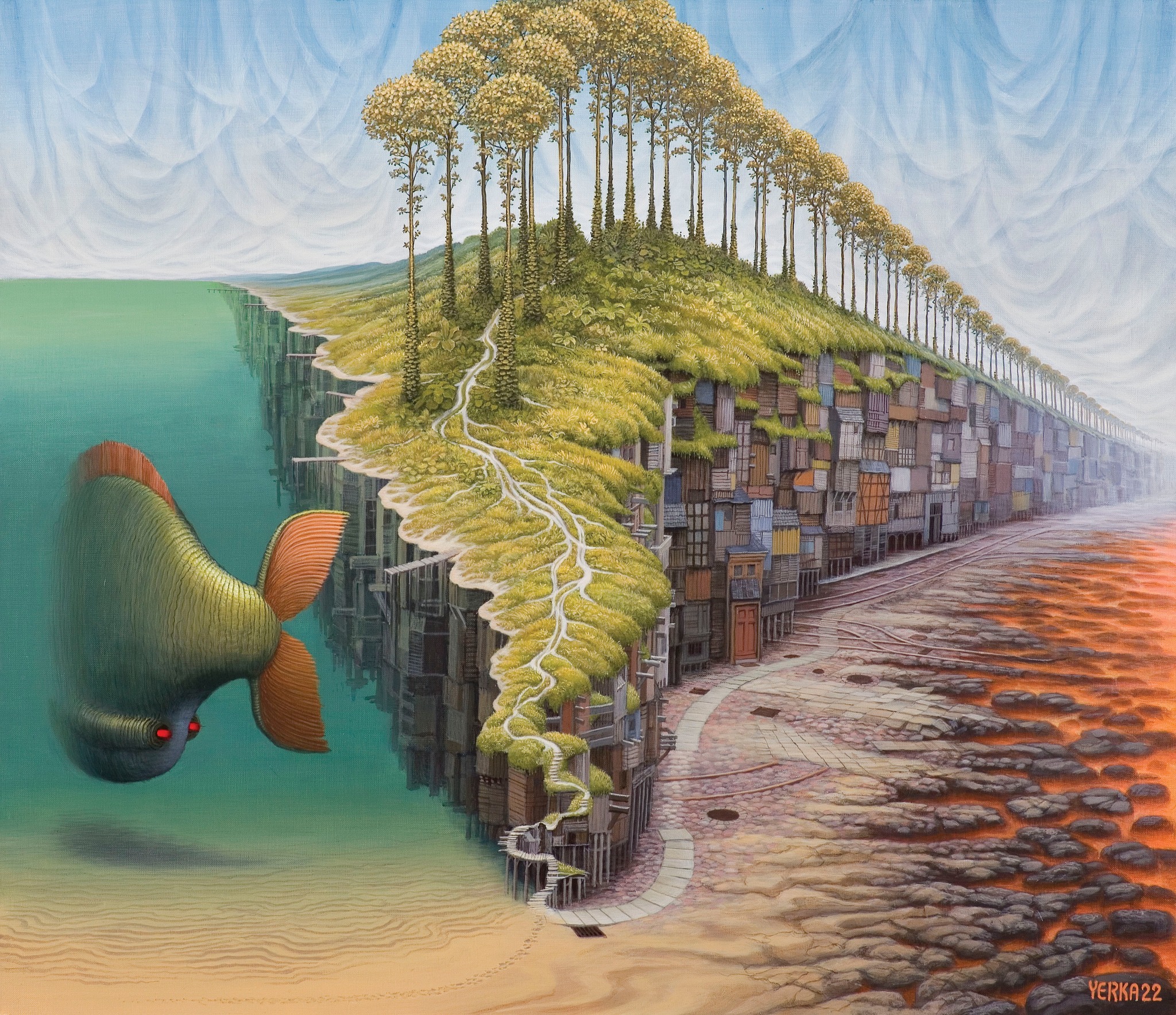
The biblical narrative of the third day of creation outlines a profound cosmic reorganization, detailing the separation of waters to form dry land, the gathering of seas, and the sudden, miraculous emergence of complex vegetation. This pivotal sequence bridges the chaotic, formless state of the early universe described in Genesis with the complex biological habitats necessary to sustain animal and human life in later creation cycles.
Contextualizing the Genesis Creation Narrative
Understanding the third day requires examining the broader structural framework of the biblical creation account, specifically the Genesis 1 text. The creation week is traditionally structured into two parallel triads: the first three days establish realms, and the subsequent three days populate those realms. Days one through three focus on form, moving from darkness and light (Day 1) to the atmospheric expanse and the separation of waters above and below (Day 2), culminating in the establishment of habitable dry land and flora (Day 3).
In ancient Near Eastern literature, creation accounts frequently depicted the universe emerging from a primordial, chaotic sea representing danger, lawlessness, and non-existence. The Genesis narrative adopts and subverts these cultural motifs. Rather than portraying creation as a violent battle between a deity and sea monsters, the text depicts a sovereign Creator systematically organizing the cosmos through spoken word. The establishment of land and the containment of water represent the imposition of divine order, transforming a hostile environment into a structured, life-supporting domain.
Phase One: The Separation of Waters and the Emergence of Dry Land
The opening act of the third day involves a divine command that reshapes the geography of the primordial earth. Genesis records that the waters under the heavens were gathered into one place, allowing dry land to appear. This event fundamentally alters the physical structure of the planet as described in the text, transitioning from a completely water-covered orb to a differentiated sphere of continents and ocean basins.
| Creation Component | Primary Function / Ecological Result |
|---|---|
| Waters Under the Heaven | Gathered into seas, establishing hydrological boundaries |
| Dry Land (Yabashah) | Provides a stable foundation for terrestrial life |
| Vegetation (Deshe/Et) | Introduces primary production, seeds, and self-propagation |
From a linguistic perspective, the Hebrew word for dry land is yabashah, indicating ground that has lost its moisture or surface water, making it firm and walkable. The gathering of the waters into "one place" (maqom) implies a unified global ocean system juxtaposed against contiguous or distributed landmasses. This geographical division is not merely a static arrangement; it initiates the planetary water cycle, setting up evaporation, precipitation runoff, and river systems that are essential for subsequent biological activity.
Phase Two: The Genesis of Vegetation and Plant Life
Immediately following the appearance of dry land, the narrative shifts to the rapid introduction of plant life. The text specifies three distinct categories of vegetation: deshe (tender grass or sprouting vegetation), esev (seed-bearing plants), and etz peri (fruit-bearing trees yielding fruit according to their kinds, with seeds in them). This taxonomy, while pre-scientific, reflects a keen observation of functional plant morphology and agricultural utility.
- Sprouting Vegetation (Deshe): Represents the initial greening of the landscape, covering the bare soil with low-growing ground cover and early herbaceous plants.
- Seed-Bearing Plants (Esev): Encompasses grains, grasses, and flowering plants that rely on complex reproductive mechanisms involving seed dispersal to ensure survival across generations.
- Fruit-Bearing Trees (Etz Peri): Denotes perennial woody plants designed to provide sustained nutrition, featuring structural integrity and enclosed reproductive units.
The foundational design principle emphasized in this passage is the concept of reproductive self-sustainability. Every plant is created with the inherent capacity to yield seed "according to its kind." This biological blueprint ensures that the ecosystem does not require continuous miraculous intervention to persist; instead, natural laws established during creation govern the ongoing propagation and adaptation of flora.
Theological and Philosophical Interpretations
The events of the third day carry profound theological weight regarding the nature of the material world. By declaring the land, seas, and vegetation to be "good" (tov), the narrative counters dualistic philosophies that view the physical, material realm as inherently evil or inferior to a spiritual realm. The earth is purposefully crafted as a garden-temple interface where divine order intersects with physical reality.
Furthermore, the simultaneous introduction of land and vegetation highlights a teleological design—the environment is intentionally prepared before its inhabitants arrive. Land animals and humans, introduced on subsequent days, find an ecosystem already primed with primary producers capable of converting solar energy into biological food sources via photosynthesis, even if the primary light sources (sun, moon, and stars) were established or revealed on the fourth day.
Scientific Perspectives and Concordist Approaches
Interpreting the third day of creation within modern scientific frameworks has generated extensive debate among theologians, historians, and scientists. Various hermeneutical models attempt to reconcile the Genesis text with contemporary understandings of geology, paleontology, and botany:
- Young Earth Creationism (YEC): Advocates read the text as a literal sequence of six consecutive 24-hour days, occurring approximately several thousand years ago. In this view, the separation of land and the creation of fully mature vegetation are instantaneous, supernatural miracles that leave behind superficial signs of apparent age.
- Day-Age Theory: Proponents suggest that the "days" (yom) in Genesis represent long, indefinite geological epochs. Under this framework, the third day corresponds to extensive geological eras involving plate tectonics, continent formation, and the appearance of terrestrial plants in the fossil record, roughly aligning with the transition from marine-dominated eras to land-plant colonization.
- Framework Hypothesis: This literary approach views the days not as chronological markers, but as a topical or theological framework used to structure the narrative. The focus is on the polemical refutation of ancient polytheistic creation myths rather than providing a modern scientific textbook on geomorphology and botany.
Ecological Significance of the Third Day
Regardless of interpretive frameworks, the ecological motifs embedded in the third day underscore fundamental principles of environmental balance. The separation of water and land creates distinct biomes—aquatic and terrestrial—which prevent global stagnation and allow for specialized ecological niches. The introduction of vegetation establishes the base of the terrestrial food web, initiating global carbon cycling, oxygen production, and soil stabilization through root networks.
Ancient agricultural societies read this narrative as an affirmation of the fertility of the earth as a divine gift. The reliance on seasonal rains, soil integrity, and botanical reproduction formed the bedrock of ancient economies. The text anchors human labor and agriculture within a pre-established cosmic order, framing stewardship of the land and its vegetation as a primary human responsibility.
Practical Insights for Modern Study
For students of scripture and ancient history, examining the third day requires balancing textual analysis with an awareness of ancient Near Eastern worldviews. Scholars emphasize reading Genesis on its own terms—paying attention to its poetic symmetry, polemical context against surrounding mythologies, and theological declarations about order, sovereignty, and provision.
When engaging with the text, consider the following methodological steps:
- Examine the immediate literary context of Genesis 1:1-2:3 to understand the structural pattern of the creation week.
- Consult Hebrew lexicons for key terms such as yabashah (dry land) and min (kind) to grasp the precise semantic range intended by the author.
- Review historical commentaries to see how early and medieval theologians interpreted the transition from watery chaos to ordered geography.
- Distinguish between theological assertions about divine authorship and modern scientific inquiries into historical geology and biological evolution.
By systematically analyzing these dimensions, the third day of creation emerges not merely as an ancient origin story, but as a foundational text detailing the architectural birth of a habitable, life-sustaining planet.