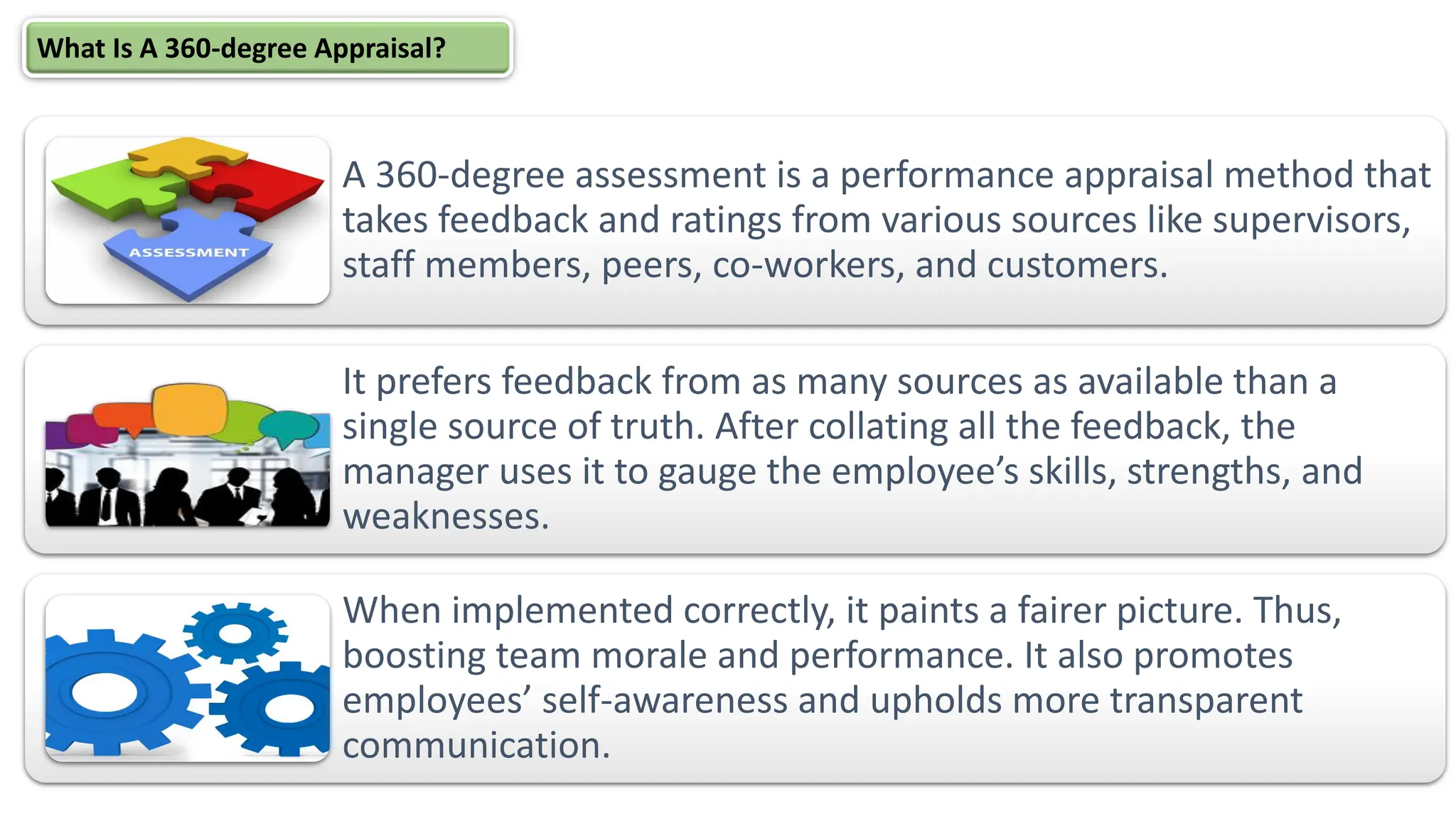
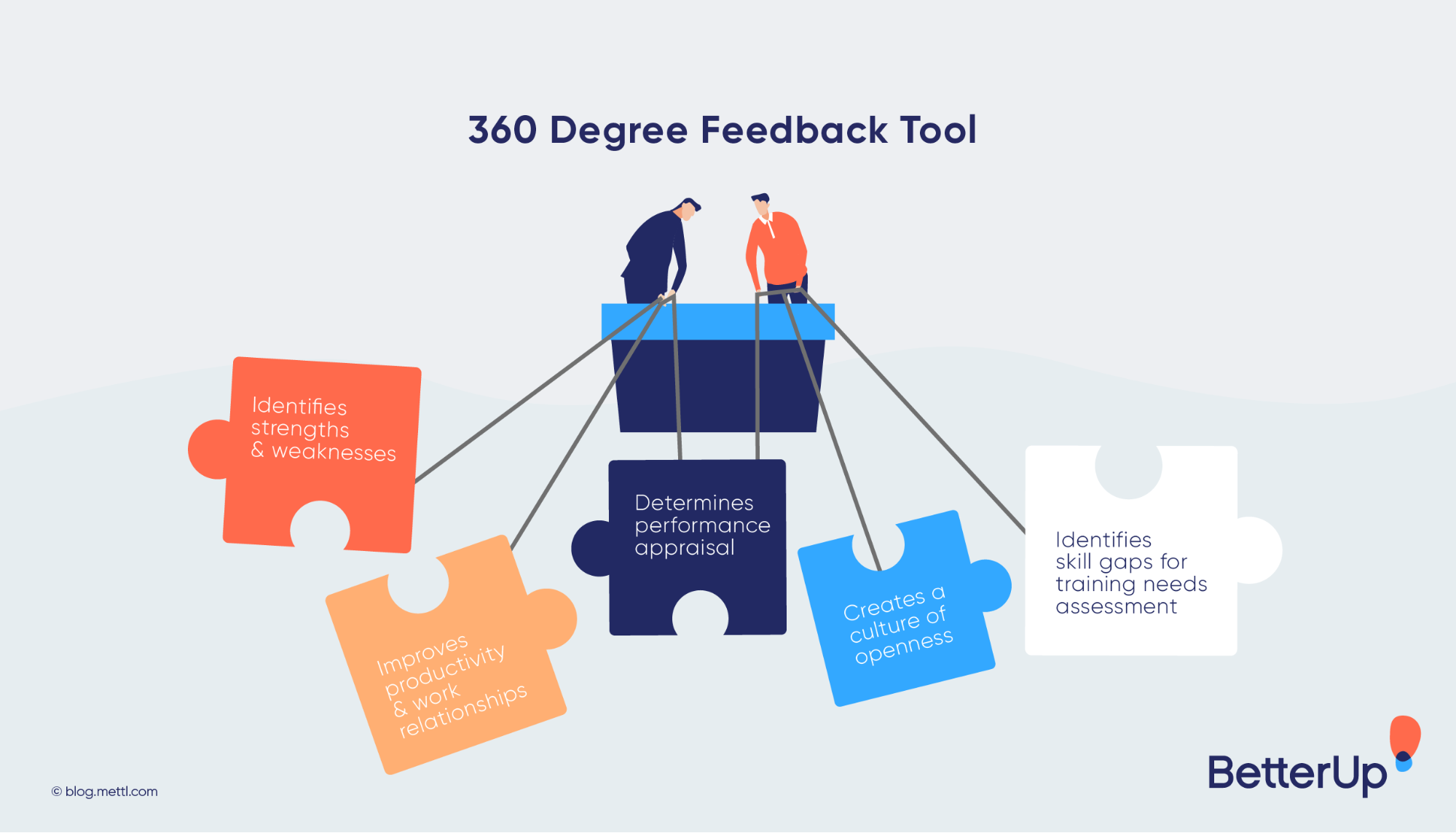
A 360-degree employee evaluation is a multi-source performance appraisal method that gathers anonymous feedback from an employee’s entire professional circle, including supervisors, peers, direct reports, and occasionally external clients. Unlike traditional top-down reviews, this holistic approach identifies behavioral trends, hidden strengths, and blind spots to drive targeted professional development and organizational growth.
The Fundamentals of 360-Degree Feedback
The core philosophy behind a 360-degree employee evaluation overview is the recognition that a single manager cannot observe every facet of an employee’s daily contributions. In the modern, decentralized workplace of 2026, where cross-functional collaboration and remote synergy are standard, the traditional "vertical" review often fails to capture the full scope of an individual's impact.
By triangulating data from various organizational levels, the 360-degree model provides a "spherical" view of performance. This methodology shifted decades ago from a simple administrative tool to a sophisticated developmental engine. In the current corporate climate, these evaluations are primarily used for growth and coaching rather than strictly for compensation or disciplinary actions. When decoupled from high-stakes salary decisions, employees are more likely to provide honest, constructive feedback without fear of causing financial harm to their colleagues.
Key Participants and Their Roles in the Feedback Loop
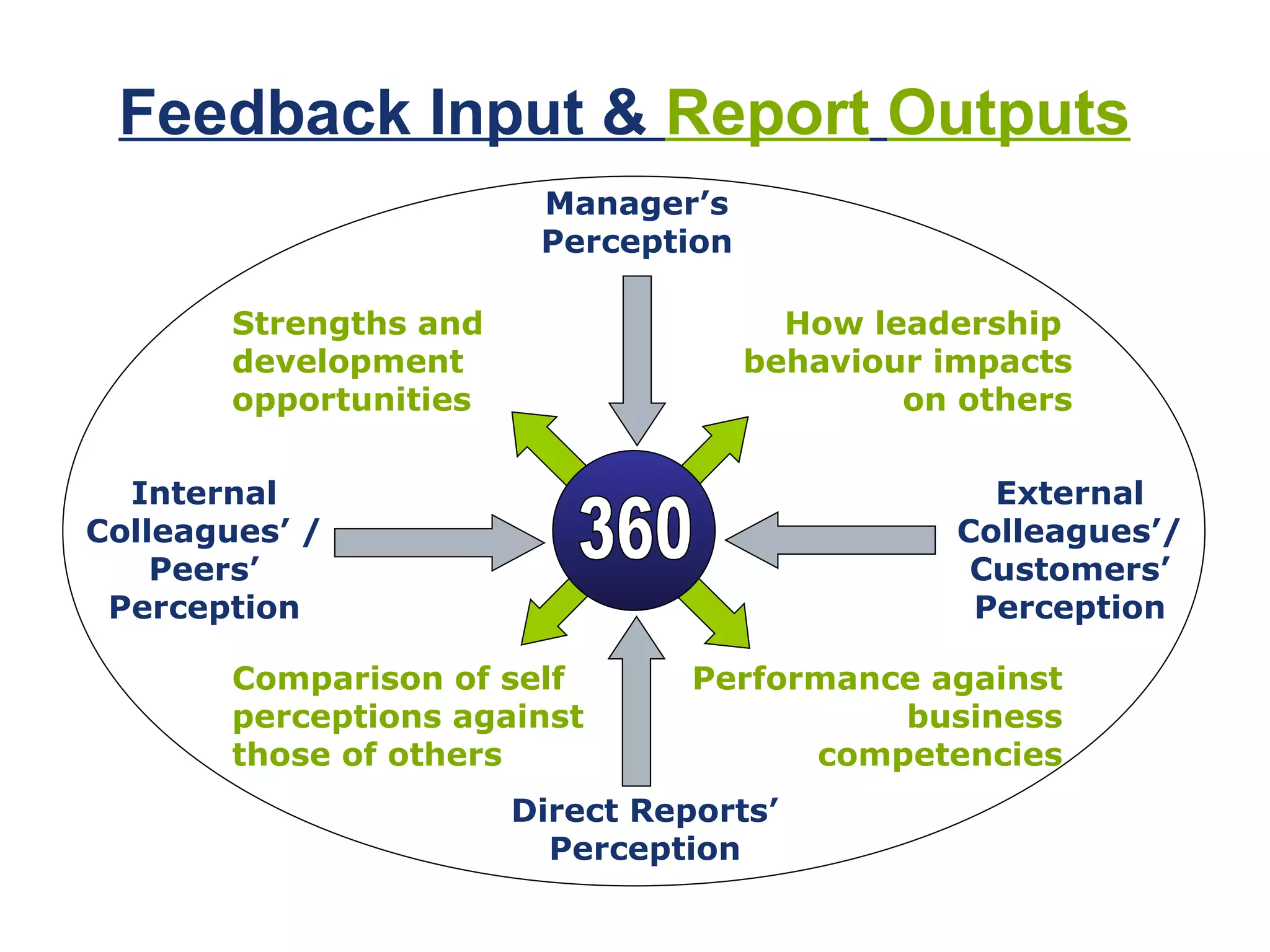
For a 360-degree evaluation to be effective, it must incorporate diverse perspectives. Each group of raters offers a unique lens through which the employee’s behaviors are interpreted.
The Self-Evaluation
The process begins with the employee evaluating their own performance. This step is critical because it highlights the gap between self-perception and external reality. In 2026, self-evaluations often focus on "intent vs. impact," asking employees to reflect on how they believe their actions have influenced the team.
Peer Reviews
Peers are often best positioned to evaluate teamwork, reliability, and technical collaboration. They witness the "horizontal" effort that managers might miss. Because peers interact with the employee on equal footing, they can provide insight into how the individual handles conflict, shares knowledge, and contributes to the collective culture.
Direct Report Feedback
Often referred to as "upward feedback," this is arguably the most sensitive yet valuable component. It allows subordinates to evaluate their manager’s leadership style, communication clarity, and ability to delegate. For organizations focusing on leadership development, this data is indispensable for identifying high-potential managers who possess the "soft skills" necessary for executive roles.
Supervisor Appraisals
The direct manager still plays a vital role, but in a 360-degree context, their feedback is just one of several data points. The manager’s role shifts from being the "sole judge" to a "facilitator of growth," helping the employee synthesize the various streams of feedback into a cohesive action plan.
External Stakeholders
In client-facing roles, including feedback from customers, vendors, or partners can be illuminating. This ensures that the evaluation captures the employee's ability to represent the brand and manage external relationships effectively.
The Implementation Lifecycle for 2026
Implementing a 360-degree evaluation is a complex project that requires careful planning to ensure psychological safety and data integrity. The following phases represent the current best practices for organizational rollouts.
1. Preparation and Goal Alignment
Before launching any surveys, leadership must define the "Why." Is the goal to prepare a group for promotion? Is it to fix a toxic culture? Clear communication is required to explain that the process is for development, not punishment. Organizations must choose a competency model—a set of defined behaviors such as "Strategic Thinking," "Emotional Intelligence," or "Technical Agility"—that aligns with the company’s 2026 strategic goals.
2. Selection of Raters
Choosing who will provide feedback is a delicate balance. If an employee picks only their friends, the data will be skewed (the "halo effect"). Conversely, if a manager picks only the employee's detractors, the results will be demoralizing. Most modern systems use a collaborative approach where the employee suggests a list of 8 to 12 raters, which is then reviewed and approved by their manager to ensure a balanced sample.
3. Survey Administration
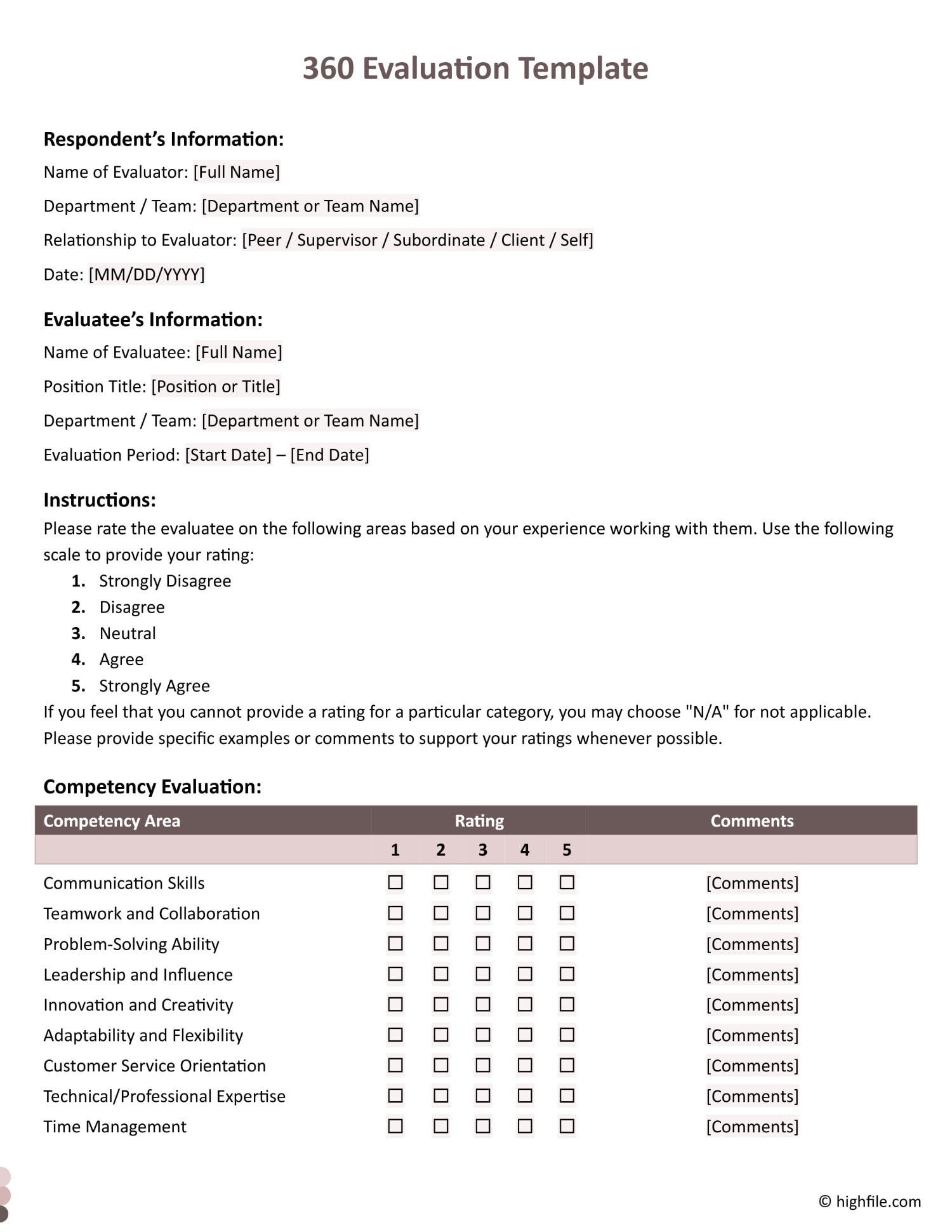
The actual data collection usually involves a digital platform that ensures anonymity. Surveys typically consist of 30 to 50 competency-based questions using a Likert scale (e.g., 1 to 5), supplemented by open-ended qualitative questions. According to the Society for Human Resource Management (SHRM), maintaining the anonymity of raters (except for the direct supervisor) is the single most important factor in obtaining honest data.
4. Data Synthesis and Reporting
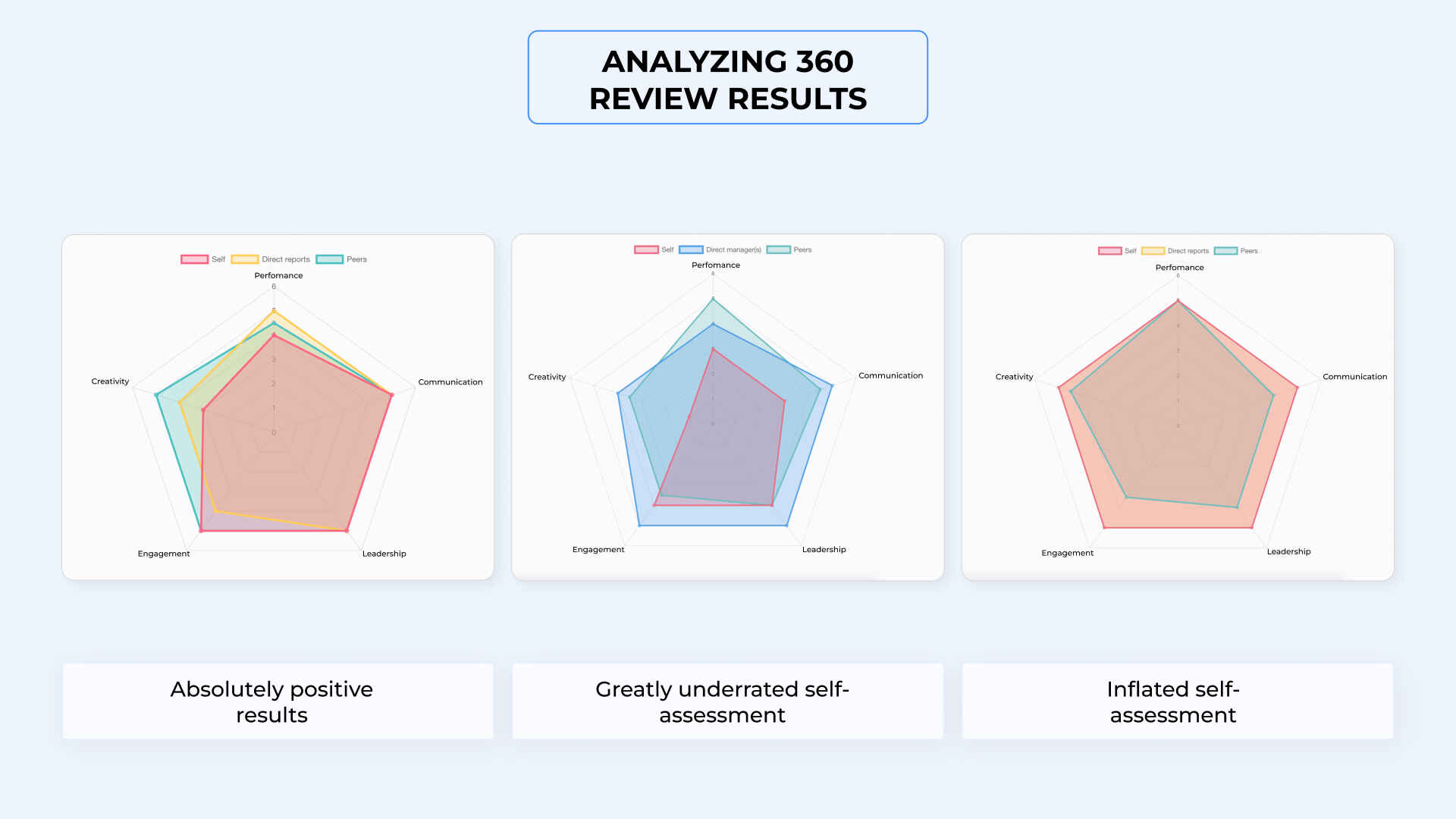
Once the surveys are complete, the system generates a comprehensive report. In 2026, these reports utilize AI-driven sentiment analysis to categorize open-ended comments into themes like "Growth Areas" or "Strengths." The report should visualize the data, showing where the employee’s self-rating differs significantly from the average of their peers or reports.
5. The Debriefing and Action Plan
The data is useless without a structured conversation. A trained coach or HR professional should lead the debriefing session to help the employee process the feedback constructively. The final output of the 360-degree process is a Professional Development Plan (PDP) that outlines 2-3 specific behaviors to improve over the next 6 to 12 months.
Technical Components: Designing the Instrument
The effectiveness of a 360-degree evaluation depends heavily on the quality of the survey instrument itself. Vague questions lead to vague data.
- Behaviorally Anchored Rating Scales (BARS): Rather than asking if someone is a "good communicator," a BARS approach asks if the employee "Provides clear, concise updates during weekly stand-ups." This reduces subjectivity.
- Competency Mapping: Each question should map back to a core organizational value. For example, if "Innovation" is a core value, questions should probe the employee's openness to new ideas and their willingness to experiment.
- Frequency and Timing: In 2026, many firms have moved away from the annual "big bang" 360 review in favor of "Pulse 360s." These are shorter, more frequent check-ins that focus on specific project milestones rather than a full year of history.
Strategic Benefits of the 360-Degree Model
When executed correctly, the 360-degree employee evaluation overview reveals organizational advantages that traditional methods cannot match.
Reducing Rater Bias
Traditional reviews are highly susceptible to "managerial bias," where one person’s subjective opinion dictates an employee’s future. By averaging the scores of 10 different people, individual biases (such as the "recency effect" or "similarity bias") are diluted, leading to a more objective and fair assessment.
Identifying "Hidden Gems" and "Toxic Leaders"
Some employees are "kiss-up, kick-down" performers—they look great to their bosses but are difficult to work with for their subordinates. A 360-degree review is the only way to systematically identify these toxic patterns. Conversely, it often highlights quiet contributors who are highly valued by their peers but don't "self-promote" to their managers.
Fostering a Culture of Transparency
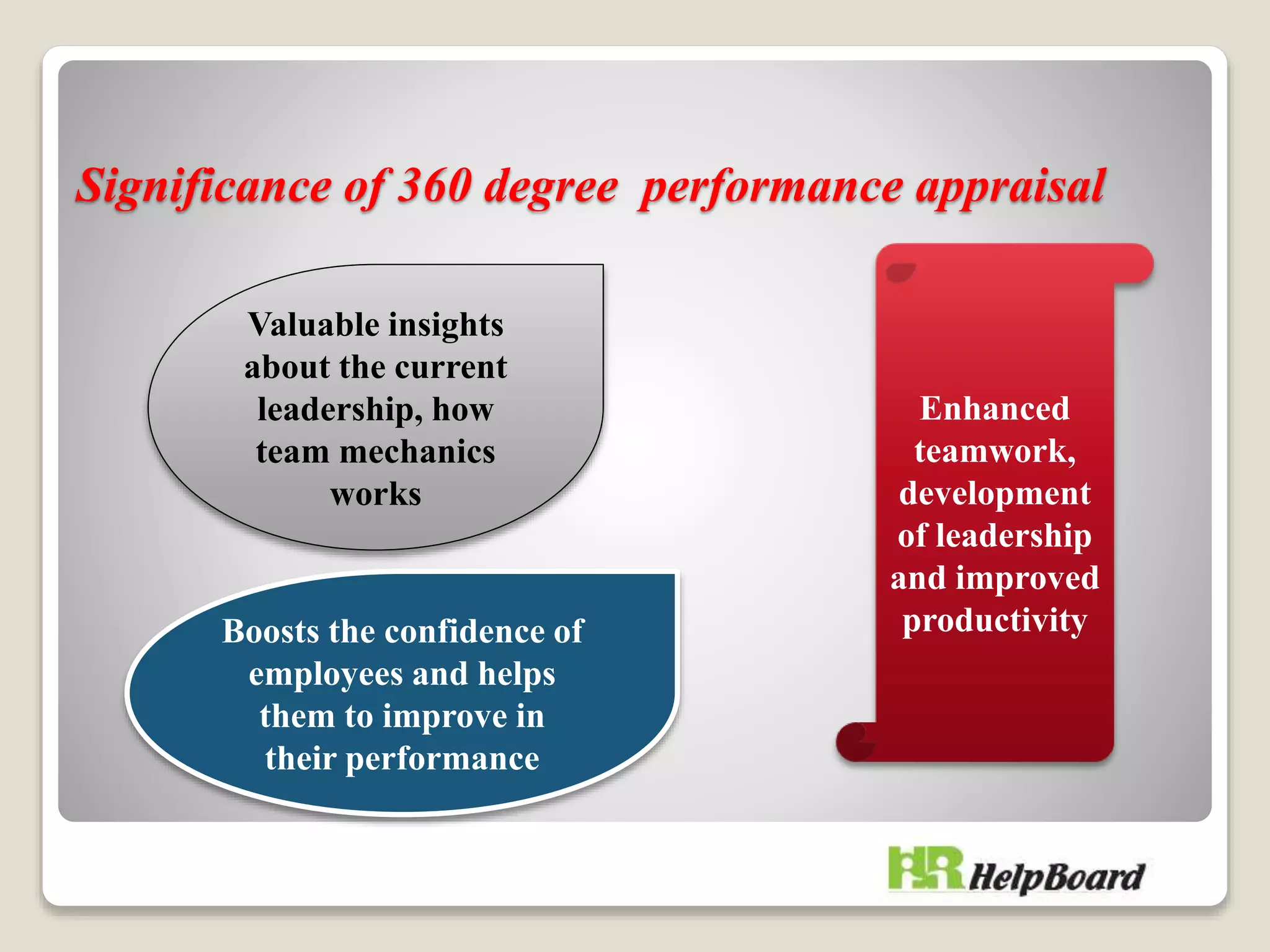
By asking for feedback at all levels, an organization signals that every voice matters. This builds trust and encourages a "growth mindset" across the workforce. Employees become more comfortable both giving and receiving constructive criticism, which accelerates overall team performance.
Potential Pitfalls and Mitigation Strategies
Despite its benefits, the 360-degree process can fail if not managed with care.
- Feedback Weaponization: If the culture is already low-trust, employees may use the anonymous survey to "settle scores." Companies must monitor for outliers in the data and ensure that feedback is focused on behaviors, not personality.
- Survey Fatigue: In an era of constant data collection, employees may rush through evaluations. To prevent this, organizations should limit the number of 360 reviews any one person has to complete in a quarter.
- Data Overload: A 40-page report can be overwhelming. The role of the HR facilitator is to help the employee focus on the "vital few" insights rather than the "trivial many."
360-Degree Evaluation vs. Traditional Performance Reviews
| Feature | Traditional Top-Down Review | 360-Degree Evaluation (2026) |
|---|---|---|
| Primary Source | Direct Supervisor | Peers, Reports, Manager, Self, Clients |
| Main Objective | Assessment & Compensation | Personal & Professional Development |
| Feedback Direction | Vertical (Downward) | Multi-directional (Circle) |
| Anonymity | No (Direct conversation) | Yes (For all except the manager) |
| Focus | Results and KPIs | Behaviors, Competencies, and Soft Skills |
| Bias Risk | High (Individual subjectivity) | Low (Averaged across multiple raters) |
| Implementation Complexity | Low | High (Requires specialized software) |
Future Trends in 2026: AI and Real-Time Integration
As we move through 2026, the 360-degree employee evaluation is becoming more dynamic. Predictive analytics can now flag when an employee’s feedback suggests a high risk of burnout or turnover. Furthermore, integration with project management tools (like Jira or Asana) allows for "micro-feedback" to be captured immediately after a project ends, which is then aggregated into the 360-degree report. This ensures the data is fresh and relevant, rather than relying on memories from six months prior.
Another significant trend is the focus on Inclusive Leadership. 360-degree tools are increasingly used to measure how well leaders foster diversity and psychological safety within their teams. This qualitative data is becoming as important as quantitative sales targets in executive evaluations.
FAQs
Is a 360-degree evaluation anonymous?
Yes, in almost all standard implementations, the feedback from peers and direct reports is aggregated and anonymized to protect the raters. The only person whose feedback is typically identified is the direct supervisor. This anonymity is crucial for ensuring that respondents feel safe providing honest, critical feedback without fear of retaliation.
Should 360-degree feedback be used for pay raises?
Most HR experts recommend against using 360-degree feedback for high-stakes decisions like salary increases or promotions. When money is on the line, the process can become political, and employees may "trade" positive reviews with one another. It is best used as a developmental tool to improve performance, which may eventually lead to a raise through improved results.
How many raters are needed for a valid 360 review?
To maintain anonymity and ensure a statistically relevant sample, most organizations require a minimum of 3 peers and 3 direct reports. Generally, a total of 8 to 12 raters (including the manager and self) provides a comprehensive view without creating excessive "survey fatigue" within the organization.
What happens if the feedback is purely negative?
If an employee receives overwhelmingly negative feedback, it should be treated as a critical intervention point rather than an immediate cause for termination. A coach should work with the employee to determine if the issues are due to a lack of skill, a cultural mismatch, or personal circumstances. A follow-up "pulse" survey should be scheduled 3-6 months later to measure improvement.
How long does the 360-degree process take?
A full 360-degree cycle typically takes between 4 to 8 weeks. This includes 1 week for preparation and rater selection, 2 weeks for survey completion, 1 week for report generation, and 2-4 weeks for debriefing sessions and the creation of development plans.
Practical Recommendations
To successfully launch or refine your 360-degree employee evaluation overview process in 2026, start by selecting a software platform that prioritizes user experience and data security. Ensure that your competency model is modern—focusing on agility, empathy, and digital fluency. Most importantly, invest as much time in the post-survey coaching as you do in the data collection. The value of a 360-degree review is not found in the numbers on the report, but in the behavioral changes and professional growth that occur after the feedback is delivered.