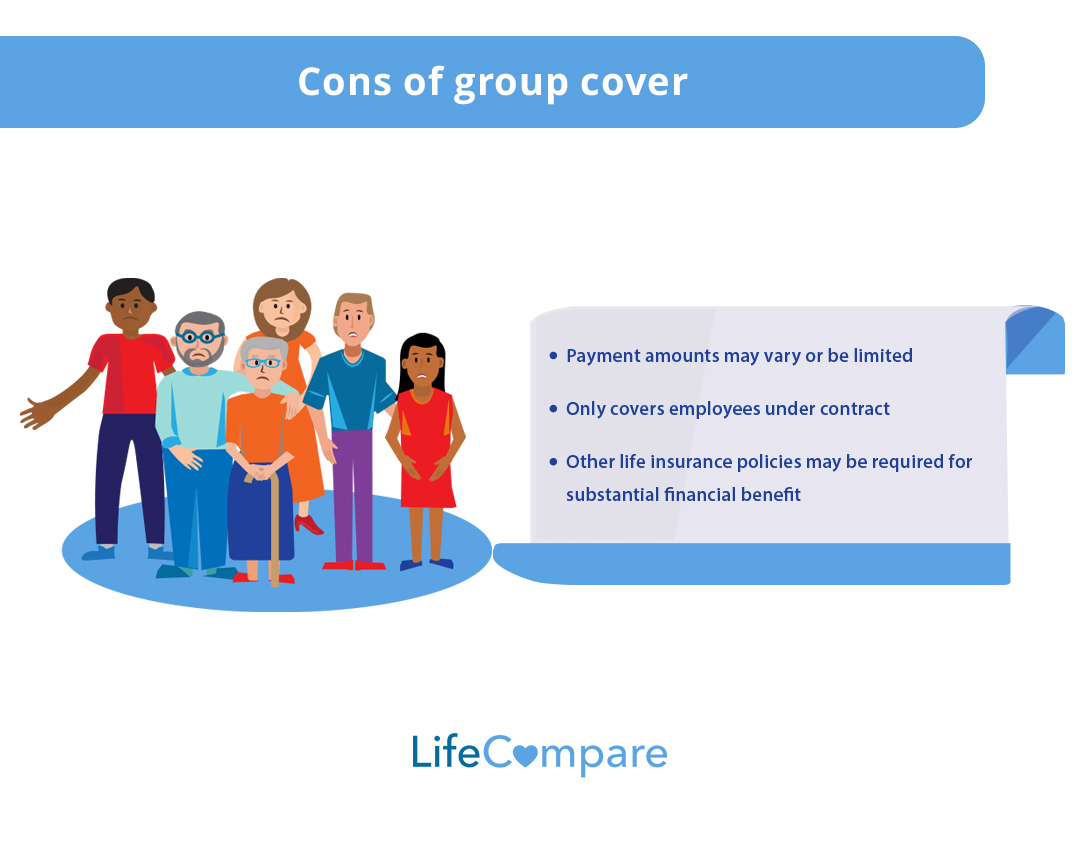
Evaluating a group life insurance policy tailored for the FL 33498 zip code requires analyzing coverage limits, understanding employer versus supplemental provisions, and assessing cost structures relative to local market needs. By examining benefit multipliers, conversion options, and underwriting terms, policyholders and administrators can systematically determine the true value of their group protection.
When individuals or human resources administrators in the 33498 zip code—covering regions like Boca Raton in Palm Beach County, Florida—encounter group life insurance options, they must look beyond basic headline numbers. Group life insurance typically forms the bedrock of an employee benefits package, offering low-cost or employer-sponsored protection without requiring rigorous individual medical exams. However, relying solely on a standard employer-provided plan can leave gaps in coverage, especially for families with specific financial obligations.
To make an informed decision, stakeholders must evaluate these policies through structured analytical frameworks. Below are three primary methods to thoroughly evaluate group life insurance options for policies associated with the FL 33498 geographic area, ensuring that financial security aligns with local living costs and individual life stages.
1. Analyze Coverage Multipliers and Benefit Adequacy
The first and most fundamental step in evaluating a group life insurance policy is assessing the actual payout structure relative to financial needs. Most group policies determine coverage using a salary multiplier, such as one or two times an employee's annual salary, or through a flat-rate benefit structure across all participating members.
Examining Salary Multipliers and Caps
While a standard 1x or 2x salary multiplier may seem adequate on paper, it frequently falls short of replacing a lifetime of earned income. For instance, if an employee earns $75,000 annually, a 2x multiplier provides a $150,000 death benefit. In high-cost-of-living areas within Palm Beach County, such a lump sum may be rapidly depleted by mortgage obligations, ongoing living expenses, and children's education costs.
Administrators and insured individuals must check for maximum benefit caps. Many group policies impose a hard ceiling—such as $100,000 or $250,000—regardless of how high an individual's actual salary climbs. If a high-earning employee's lifestyle requires a larger safety net, relying exclusively on a capped group plan creates a substantial coverage gap.
The DINK and Family Life-Stage Adjustments
Evaluation must account for the specific demographic profile of the insured group:
- Single Earners with Dependents: Require higher multipliers (often 5x to 10x salary) combined with supplemental term policies to protect dependents through minor years.
- Double Income, No Kids (DINK) Households: May require lower initial multipliers, focusing instead on covering shared debts like mortgages and final expenses.
- Near-Retirement Workers: Must evaluate how group benefits reduce or terminate entirely upon official retirement or separation from the employer, shifting the focus to permanent or portable options.
2. Review Portability, Conversion Privileges, and Vesting Rules
A critical vulnerability of group life insurance is its dependency on employment status. Unlike individual policies purchased independently through an insurance broker, group coverage is tethered to the sponsoring organization. Evaluating how a policy handles separation from the group is essential for long-term financial planning.
Understanding Portability Provisions
Portability allows an individual to keep their group life insurance policy if they leave the company, change jobs, or retire, albeit usually at higher, age-banded premium rates. When reviewing a FL 33498 group policy document, look specifically for:
- Continuation Timelines: The strict window (often 30 to 31 days from termination) during which an individual must apply to port the coverage without proving insurability.
- Rate Stability: Whether portable rates escalate sharply with age or follow a predictable schedule established by the master group contract.
Conversion Privileges vs. New Underwriting
Conversion rights differ from portability. Conversion allows a departing employee to convert their group term insurance into an individual permanent life insurance policy (such as whole life or universal life) without medical underwriting.
- The Advantage: Individuals with newly developed health conditions can secure permanent coverage they might otherwise be denied on the open market.
- The Catch: Premium rates for converted policies are typically much higher than standard term rates because they are based on attained age and the more expensive pricing structure of permanent insurance.
3. Assess Cost-Sharing, Tax Implications, and Supplemental Options
Evaluating financial viability involves looking at who pays for the coverage, how the IRS treats the benefit, and what voluntary riders are available to enhance the core policy.
Employer-Paid vs. Contributory Structures
Group plans generally fall into two categories:
- Employer-Paid (Non-Contributory): The company covers 100% of the premium. While financially advantageous for the employee, these plans often offer lower maximum limits to control corporate overhead.
- Employee-Paid (Contributory): Employees pay for their coverage through payroll deductions. Because group policies leverage economies of scale, contributory group rates are often more competitive than individual retail rates for older workers or those with mild health conditions.
IRS Section 79 Tax Rules
Under Internal Revenue Code Section 79, employer-provided group-term life insurance has specific tax advantages and pitfalls. Employers can provide up to $50,000 of group-term life insurance tax-free to employees.
- Any coverage amount exceeding $50,000 is subject to imputed income taxes, calculated using IRS uniform premium tables (Table I rates) based on the employee's age.
- Evaluators must calculate whether the imputed income tax on high-limit group policies outweighs the cost-efficiency of purchasing an independent private term policy.
Evaluating Supplemental (Voluntary) Life Insurance
Most robust group plans allow employees to buy supplemental coverage above the base employer-provided amount. When reviewing supplemental options in FL 33498 plans, examine:
- Guaranteed Issue Amounts (GIA): The maximum amount of coverage an employee can purchase during their initial enrollment window without answering medical questions. Exceeding the GIA triggers Evidence of Insurability (EOI), requiring health questionnaires or medical exams.
- Spousal and Dependent Riders: The cost and coverage caps for adding a spouse or children to the master policy.
Comprehensive Comparison of Evaluation Criteria
| Evaluation Dimension | What to Look For | Key Considerations & Potential Risks |
|---|---|---|
| Coverage Multipliers | Salary multipliers (1x–5x) and absolute benefit caps. | High-earning employees may face restrictive caps; base multipliers often under-insure families in high-cost regions. |
| Portability & Conversion | Terms for keeping coverage after leaving the employer. | 31-day activation windows; conversion rates can become cost-prohibitive as age advances. |
| Tax & Cost Structure | Employer subsidy level and IRS Section 79 compliance. | Imputed income taxes apply to employer-paid group term coverage exceeding $50,000. |
| Supplemental Riders | Guaranteed Issue Amounts (GIA) and dependent coverage. | Exceeding GIA thresholds mandates medical underwriting (Evidence of Insurability). |
Frequently Asked Questions
Can I rely solely on group life insurance for my family's financial security in Florida?
Generally, no. While group life insurance provides a convenient baseline of protection, most employer-sponsored policies offer limited coverage amounts (often restricted to 1 or 2 times salary) and terminate when you leave the company. Combining group coverage with an independent individual term life insurance policy helps ensure adequate protection regardless of employment changes.
What happens to my group life insurance if I leave my job in FL 33498?
Most group policies feature portability or conversion clauses. Portability lets you continue term coverage at group rates (adjusted for age) for a limited time, while conversion allows you to switch your group term policy into an individual permanent policy without medical exams. You must typically act within 30 to 31 days of your employment termination date.
Are employer-paid group life insurance benefits taxable?
Under IRS rules, the first $50,000 of employer-provided group-term life insurance is tax-free. However, if your employer provides coverage exceeding $50,000, the cost of the excess coverage—calculated using IRS Table I rates—is considered taxable income and will be reflected on your W-2 form as imputed income.
What is "Evidence of Insurability" (EOI) in group plans?
Evidence of Insurability is a medical questionnaire or health statement required by the insurer when you request coverage exceeding the plan's Guaranteed Issue Amount. If you apply for supplemental group life insurance above this predefined threshold, the insurance carrier reviews your health history and has the right to approve or deny the additional coverage.
How do local living costs in Palm Beach County affect life insurance needs?
Regional expenses, including local housing costs, property taxes, and healthcare in areas matching the 33498 zip code, directly impact the income replacement multiplier needed to sustain a surviving family. Standard rule-of-thumb multipliers (like 5x salary) may prove insufficient, requiring a detailed capital-needs analysis that accounts for actual local financial obligations.
Practical Next Steps for Policyholders
Evaluating a group life insurance policy requires reviewing current summary plan descriptions (SPDs) provided by human resources or benefits administrators. Verify your exact coverage limits, check whether your employer subsidizes supplemental tiers, and calculate whether your current death benefit adequately covers outstanding debts and long-term family living expenses. If a coverage gap exists, consult an independent financial professional or insurance advisor to explore supplemental individual policies that remain fully under your control, regardless of future employment changes.