Securing affordable auto insurance in Miami requires navigating high state minimum requirements, heavily congested urban roadways, and some of the highest premium averages in the United States. Drivers searching for budget-friendly coverage options must look closely at state-mandated minimum liability limits, personal injury protection (PIP), and the specific discounts offered by regional and national carriers operating across Miami-Dade County.
Understanding how to balance Florida’s unique no-fault insurance laws with affordable rates helps drivers protect their vehicles and financial well-being without overpaying. This guide examines the regulatory landscape, explores practical ways to secure lower rates, and breaks down three cost-effective insurance approaches tailored for Miami motorists.
Understanding Miami’s Unique Auto Insurance Landscape
Miami presents a challenging environment for auto insurance underwriters. High traffic density, a high volume of uninsured motorists, and a frequent history of litigation drive up the cost of claims for insurance providers. Consequently, average premiums in Miami-Dade County routinely outpace both national averages and rates in other parts of Florida.
To legally drive in Miami, motorists must comply with Florida Statutes governing motor vehicle insurance. Unlike many other states that require bodily injury liability coverage, Florida primarily mandates Personal Injury Protection (PIP) and Property Damage Liability (PDL).
- Personal Injury Protection (PIP): Florida requires a minimum of $10,000 in PIP coverage, which pays for medical expenses regardless of who is at fault in an accident.
- Property Damage Liability (PDL): A minimum of $10,000 in PDL is required to cover damage you cause to someone else's property, such as another vehicle, utility poles, or public structures.
While purchasing only the state minimum satisfies legal driving requirements, it often leaves motorists severely underinsured in the event of a major collision. Affordable options must balance low monthly premiums with adequate protection against out-of-pocket expenses.
Key Factors That Influence Auto Insurance Rates in Miami
Before evaluating specific insurance providers or policy structures, it is vital to understand the variables that insurance companies use to calculate rates in Miami. Insurance carriers weigh numerous rating factors, some of which drivers can control while others remain fixed based on geography and demographics.
Geographic Risk and Zip Codes
Where you park your vehicle overnight heavily influences your premium. Urban centers, dense commercial districts, and areas with higher accident or vehicle theft rates see elevated base rates. A driver living in Brickell or Downtown Miami will typically face higher quotes than someone residing in a suburban pocket of Miami-Dade County, such as Kendall or Homestead.
Driving History and Claims Record
Insurance underwriters examine your motor vehicle record (MVR) for the past three to five years. Speeding tickets, at-fault accidents, and moving violations signal higher risk. In Florida, points from traffic infractions remain on your driving record for insurance purposes for up to three years, directly impacting your ability to secure low-cost coverage.
Vehicle Make, Model, and Safety Features
The cost to repair or replace your vehicle directly affects your comprehensive and collision rates. Vehicles equipped with advanced safety features, anti-theft devices, and high safety ratings generally qualify for lower insurance premiums than luxury cars or high-performance sports cars.
3 Affordable Auto Insurance Strategies and Options in Miami
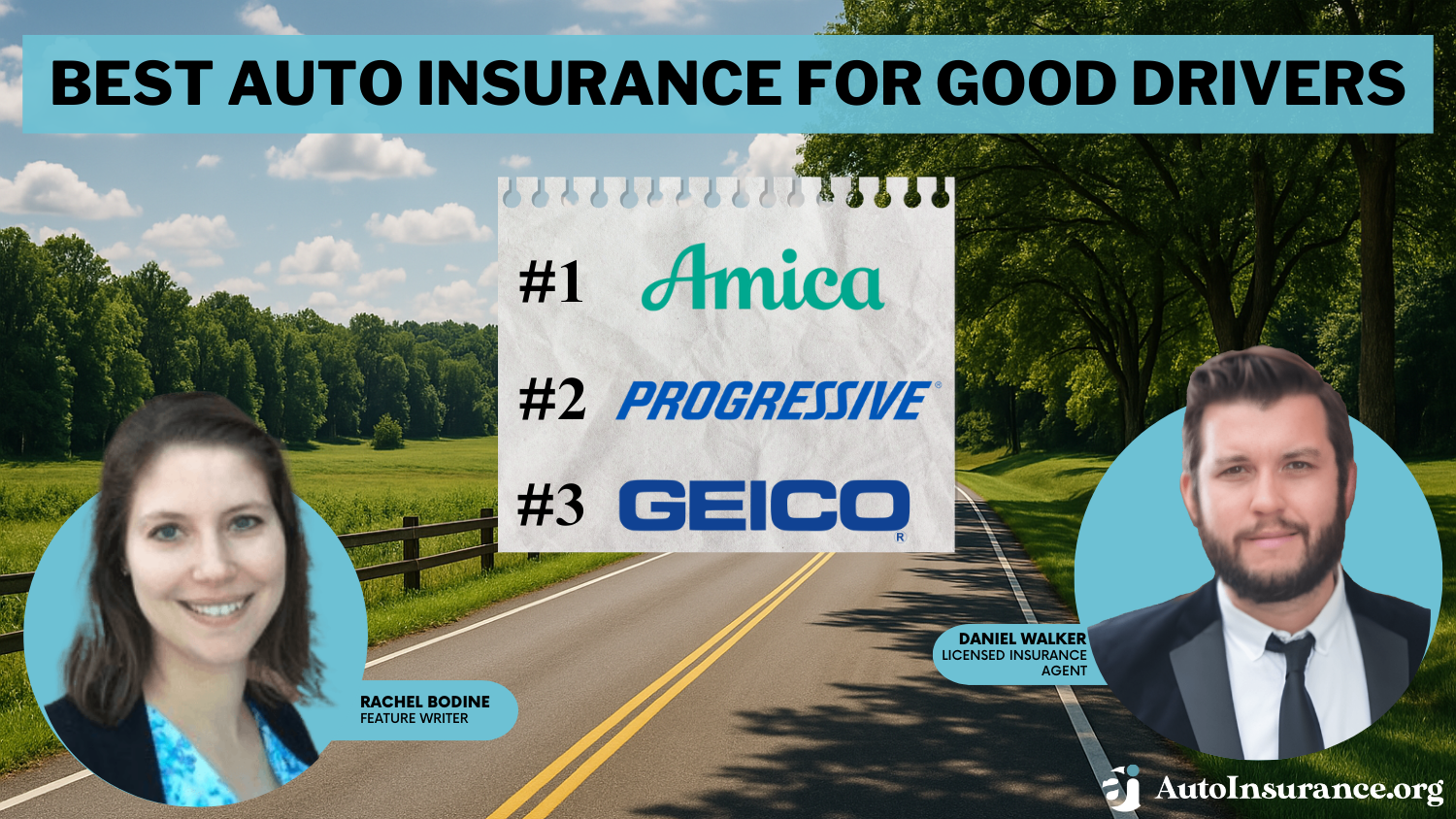
Because insurance rates vary significantly based on individual driver profiles, pointing to a single universal "cheapest" company is misleading. Instead, drivers should examine three primary pathways and carrier categories known for offering competitive, budget-friendly options in the Miami market.
Option 1: State Minimum Liability Policies with High-Volume National Carriers
For motorists driving older vehicles with a low market value—such as a car that is fully paid off and worth less than a few thousand dollars—dropping comprehensive and collision coverage in favor of state minimum liability is a common strategy to lower monthly expenses.
- How it works: You purchase only the mandatory $10,000 PIP and $10,000 PDL. Major national carriers like GEICO, Progressive, and State Farm frequently offer competitive baseline rates for minimum coverage in Florida.
- Pros: Lowest possible monthly premium; fulfills legal requirements to drive in Miami.
- Cons: Provides zero coverage for damage to your own car in an accident, weather event, or theft. You assume all financial risk for repairing or replacing your vehicle.
- Best for: Owners of older, depreciated vehicles who have sufficient personal savings to replace the car if it is totaled.
Option 2: Regional and Discount-Focused Insurers (e.g., Direct Auto, Acceptance Insurance, or Founders)
Regional carriers and non-standard auto insurance providers often cater specifically to drivers who need affordable coverage despite imperfect driving records, strict budget constraints, or unique licensing situations.
- How it works: These companies specialize in finding creative ways to reduce premiums, offering flexible payment plans, low down payments, and immediate SR-22 financial responsibility filings if required by the state.
- Pros: More lenient acceptance criteria for drivers with points on their license; customized payment schedules; robust discount programs for safe driving habits or paperless billing.
- Cons: Base rates can climb if you add extensive full-coverage options; customer service models may rely more heavily on digital tools or local independent agencies.
- Best for: Budget-conscious drivers, motorists with a few blemishes on their driving record, or those seeking specialized local support.
Option 3: Usage-Based and Telematics Insurance Programs
Telematics programs—such as Progressive Snapshot, GEICO DriveEasy, or Allstate Drivewise—track your actual driving behavior via a smartphone app or a plug-in device. In a congested city like Miami, where driving habits vary widely, telematics can yield substantial savings for safe drivers.
- How it works: The app monitors metrics like speed, braking harshness, phone distraction, and time of day driven. Drivers who avoid late-night driving on Miami's highways and maintain smooth braking habits earn discounts of up to 30% or more.
- Pros: Directly rewards safe driving habits rather than relying solely on demographic averages; offers immediate sign-up discounts.
- Cons: Aggressive braking in heavy Miami traffic or frequent night driving can occasionally result in rate increases rather than discounts.
- Best for: Low-mileage drivers, remote workers, and cautious motorists who rarely drive during peak rush hours.
| Option Type | Primary Advantage | Main Risk or Limitation | Ideal Driver Profile |
|---|---|---|---|
| State Minimum Liability (National Carriers) | Lowest upfront monthly cash outlay. | No coverage for your own vehicle damage. | Owners of older, paid-off cars with emergency savings. |
| Regional & Discount Specialists | Flexible payment plans and lenient underwriting. | Potential for higher base rates on full coverage. | Drivers needing specialized support or rebuilding records. |
| Usage-Based Telematics Programs | Direct discounts for safe, low-mileage habits. | Penalties possible for harsh braking or night driving. | Cautious drivers with flexible commuting schedules. |
Practical Steps to Lower Your Miami Auto Insurance Quote
Securing an affordable policy involves more than just selecting the right provider. Implementing strategic adjustments to your policy structure and leveraging available discounts can dramatically reduce your premium in Miami-Dade County.
Bundle Your Policies
Most major insurers offer multi-policy discounts if you bundle your auto insurance with renters insurance, homeowners insurance, or a policy for a second vehicle. Bundling can reduce your overall insurance expenditures by 10% to 25%.
Increase Your Deductibles Wisely
If you opt for comprehensive and collision coverage, raising your deductible from $500 to $1,000 can lower your premium by 10% to 15%. Ensure you keep the deductible amount set aside in a savings account so you can cover it immediately in the event of an unexpected claim.
Maintain and Protect Your Credit Score
Under Florida law, insurance companies are permitted to use credit-based insurance scores to help determine premium rates. Maintaining a clean credit history, paying down revolving debt, and correcting errors on your credit report can directly contribute to lower insurance quotes over time.
Frequently Asked Questions About Miami Auto Insurance
Is car insurance more expensive in Miami than in the rest of Florida?
Yes. Miami-Dade County consistently records some of the highest auto insurance premiums in Florida and the United States. High population density, heavy tourist traffic, congested roadways, and a elevated frequency of litigation contribute to these increased rates.
Can I legally drive in Miami with just state minimum insurance?
Yes. Florida law requires all registered vehicle owners to carry a minimum of $10,000 in Personal Injury Protection (PIP) and $10,000 in Property Damage Liability (PDL). However, state minimum insurance does not cover damage to your own vehicle or medical bills that exceed your PIP limit.
Do I need uninsured motorist coverage in Miami?
While Florida does not legally mandate uninsured motorist (UM) coverage, insurance experts strongly recommend it. Miami-Dade County has a significant percentage of drivers operating vehicles without proper insurance. UM coverage protects you if you are hit by a driver who lacks insurance or lacks sufficient liability limits to pay for your medical care and vehicle repairs.
How often should I shop around for auto insurance in Miami?
It is advisable to review your auto insurance policy and compare quotes from multiple providers at least once a year or whenever you experience a major life change, such as moving to a new zip code, buying a new car, or adding a new driver to your policy.
Next Actions for Miami Drivers
To secure the most affordable auto insurance for your specific situation, gather your current policy declarations page, your driver's license number, and your vehicle identification number (VIN). Request quotes from at least three different providers—combining national brands, regional specialists, and telematics programs—to compare coverage limits side-by-side. Prioritize a policy that balances an affordable monthly premium with adequate liability and uninsured motorist protections to safeguard your financial future on Miami roads.