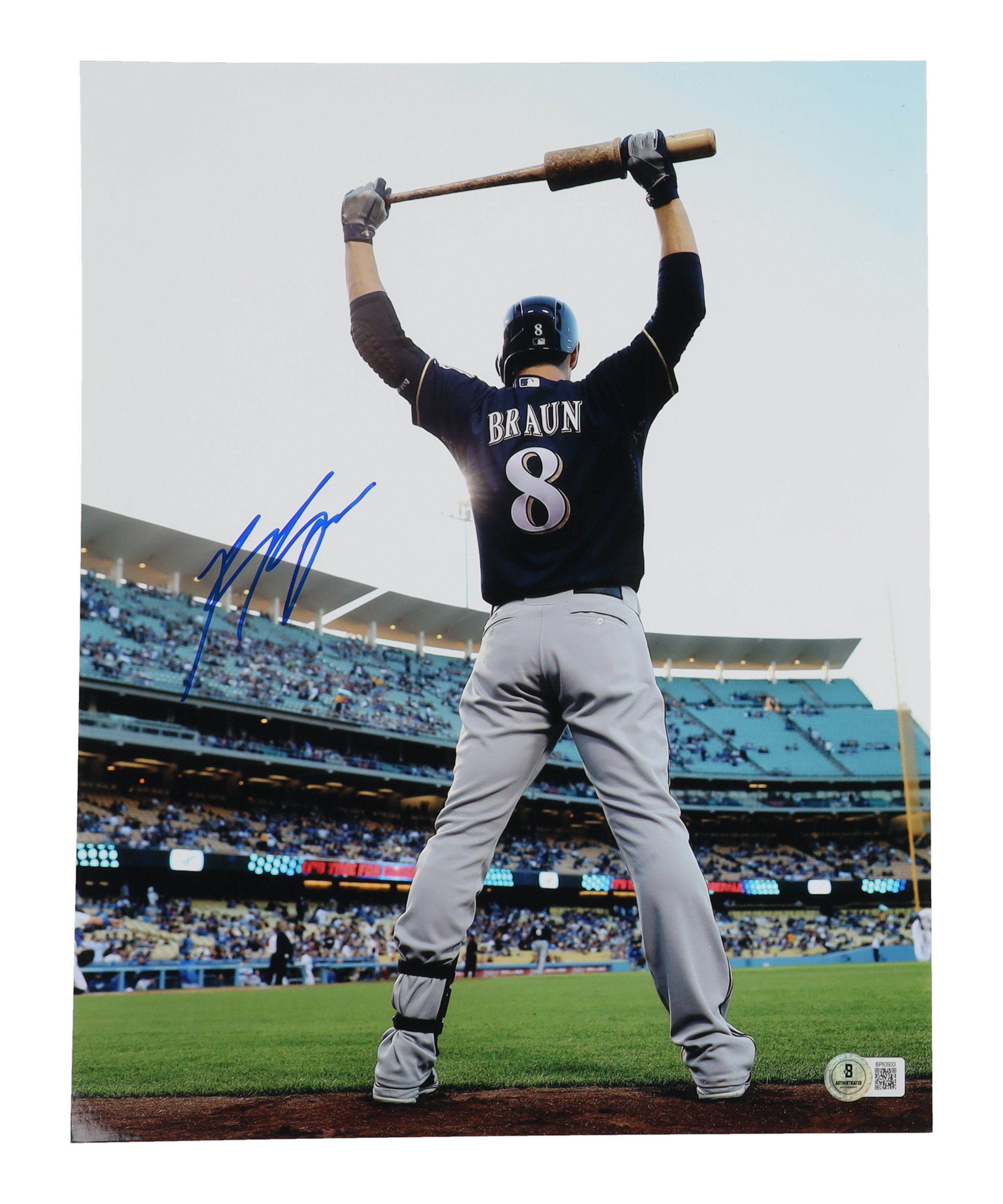
The 2025 outlook for Ryan Braun centers on his historical baseball legacy, his progression toward National Baseball Hall of Fame eligibility, and his ongoing transition into post-playing business ventures and media. As a former National League Most Valuable Player and longtime face of the Milwaukee Brewers franchise, Braun’s ongoing narrative involves historical evaluation, fan sentiment, and his evolving footprint in the sports industry.
Evaluating the trajectory of a retired Major League Baseball star requires examining several distinct dimensions. From his statistical peak and accolades on the diamond to the complex discussions surrounding eligibility milestones, Braun remains a significant figure in modern baseball history. Understanding what the future holds for the former outfielder requires looking closely at his milestone timeline, his business endeavors, and the broader context of how baseball historians and voters view his career accomplishments.
Historical Context of Ryan Braun’s Major League Career
To understand any modern assessment of Ryan Braun, one must first look at the foundation of his career. Drafted fifth overall by the Milwaukee Brewers in the 2007 amateur draft, Braun made an immediate impact, winning the National League Rookie of the Year award in 2007. Over a 14-year career spent entirely with the Brewers organization, he established himself as one of the premier offensive threats of his generation.
Braun earned six National League All-Star selections, five Silver Slugger Awards, and captured the National League Most Valuable Player (MVP) award in 2011. During his peak years, he combined elite power hitting, consistent batting averages, and aggressive baserunning. He finished his career with a .296 batting average, 352 home runs, 1,154 runs batted in, and 216 stolen bases.
However, Braun's career was also marked by controversy. His involvement in the Biogenesis scandal and his subsequent 65-game suspension in 2013 remain central components of his public legacy. This complex blend of elite on-field production and off-field controversy directly shapes contemporary discussions regarding his historical standing, fan perception, and future award tracking.
| Metric / Milestone | Career Total / Achievement | Context |
|---|---|---|
| Primary Team | Milwaukee Brewers (2007–2020) | Played his entire 14-year Major League career in Milwaukee. |
| Batting Average | .296 | Maintained a high career average across 1,766 games played. |
| Home Runs | 352 | Ranks near the top of several Milwaukee Brewers all-time offensive lists. |
| Major Awards | NL Rookie of the Year (2007), 5x Silver Slugger, NL MVP (2011) | Recognized consistently as an elite offensive outfielder during his prime. |
| Suspension | 65 games (2013) | Served a suspension related to the Biogenesis performance-enhancing drug investigation. |
Hall of Fame Eligibility and Timeline
One of the most recurring subjects regarding Ryan Braun involves his eligibility for the National Baseball Hall of Fame in Cooperstown. According to the rules established by the National Baseball Hall of Fame and Museum, a player must be retired for five full seasons before becoming eligible for the writers' ballot.
Having last played in the shortened 2020 Major League Baseball season, Braun's five-year waiting period concludes ahead of the voting cycle. This timeline brings his career under formal consideration by the Baseball Writers' Association of America (BBWAA).
Voter sentiment regarding players whose careers coincided with the performance-enhancing drug (PED) era remains deeply divided. While players like Alex Rodriguez and Manny Ramirez have faced steep uphill battles due to multiple suspensions, players with single suspensions or different circumstances experience varying levels of support. Braun's single suspension in 2013 places him squarely in this ongoing debate. Writers evaluate peak performance, longevity, and cumulative statistics against the character clause of the voting guidelines, making his future ballot trajectory a subject of significant speculation among baseball analysts.
Post-Playing Ventures and Business Interests
Away from the diamond, Braun has transitioned successfully into the business world. Following his retirement from Major League Baseball, he has focused heavily on entrepreneurial pursuits, lifestyle brands, and private equity investments.
Athletes transitioning out of professional sports often leverage their earned capital and personal brand equity into sustainable enterprises. Braun has been active in wellness-oriented brands, real estate ventures, and sports technology startups. These projects allow him to maintain a professional footprint in industries where sports science, nutrition, and athletic recovery intersect with consumer products.
Furthermore, Braun has maintained a positive relationship with the Milwaukee Brewers organization and the local community in Wisconsin. While not holding a permanent, full-time front office or coaching position, he frequently participates in organizational events, fan engagement programs, and charitable initiatives. This sustained connection ensures that his legacy in Milwaukee remains visible to new generations of fans.
Fan Perception and Legacy in Milwaukee
The modern outlook for Ryan Braun cannot be separated from his status in Milwaukee, Wisconsin. For over a decade, he was the undisputed centerpiece of the franchise, carrying the team through multiple postseason appearances, including the memorable 2011 run to the National League Championship Series.
Despite the controversies that tested fan loyalty in 2013 and subsequent years, time has largely healed the relationship between the player and the local fan base. Brewers fans generally remember Braun for his decade-and-a-half of elite offensive production, his clutch hitting, and his loyalty to a small-market franchise that rarely retained superstar players for their entire careers.
When evaluating his place in baseball lore, regional appreciation often contrasts with national media scrutiny. While national Hall of Fame voters weigh the complexities of the PED era heavily, local observers emphasize his community contributions, his leadership in the clubhouse, and his status as one of the greatest players to ever wear a Brewers uniform.
Frequently Asked Questions
When does Ryan Braun become eligible for the National Baseball Hall of Fame?
Players become eligible for the National Baseball Hall of Fame five full calendar years after retirement. Having last played in the 2020 Major League Baseball season, Braun becomes eligible for the BBWAA ballot in accordance with these standard waiting periods.
What are Ryan Braun's primary career statistics?
Ryan Braun accumulated a .296 batting average, 352 home runs, 1,154 RBIs, and 216 stolen bases over 14 seasons. He won the National League Rookie of the Year award in 2007 and the National League MVP award in 2011.
Did Ryan Braun play for any team other than the Milwaukee Brewers?
No. Braun spent his entire 14-year Major League Baseball career playing exclusively for the Milwaukee Brewers, making him one of the few modern franchise lifers who debuted in the 2000s.
How has Braun been involved in baseball since retiring?
While Braun has not taken on a full-time coaching or front-office role within Major League Baseball, he remains active in business, entrepreneurial ventures, and occasional promotional or community events with the Milwaukee Brewers organization.
What factors influence Ryan Braun’s Hall of Fame voting outlook?
Voters weigh his elite offensive statistics, MVP award, and longevity against his 2013 suspension related to the Biogenesis scandal and the strict character clauses historically applied by members of the Baseball Writers' Association of America.
Next Actions and Strategic Recommendations
For sports historians, analysts, and fans tracking Ryan Braun, observing the upcoming Hall of Fame ballot releases provides a clear indicator of how modern voters evaluate the complex careers of the 2000s and 2010s. Reviewing official ballot announcements from the Baseball Writers' Association of America offers definitive data on vote percentages and narrative shifts. For those interested in his business career, following verified corporate announcements and brand expansions provides insight into his ongoing transition from professional athlete to entrepreneur.