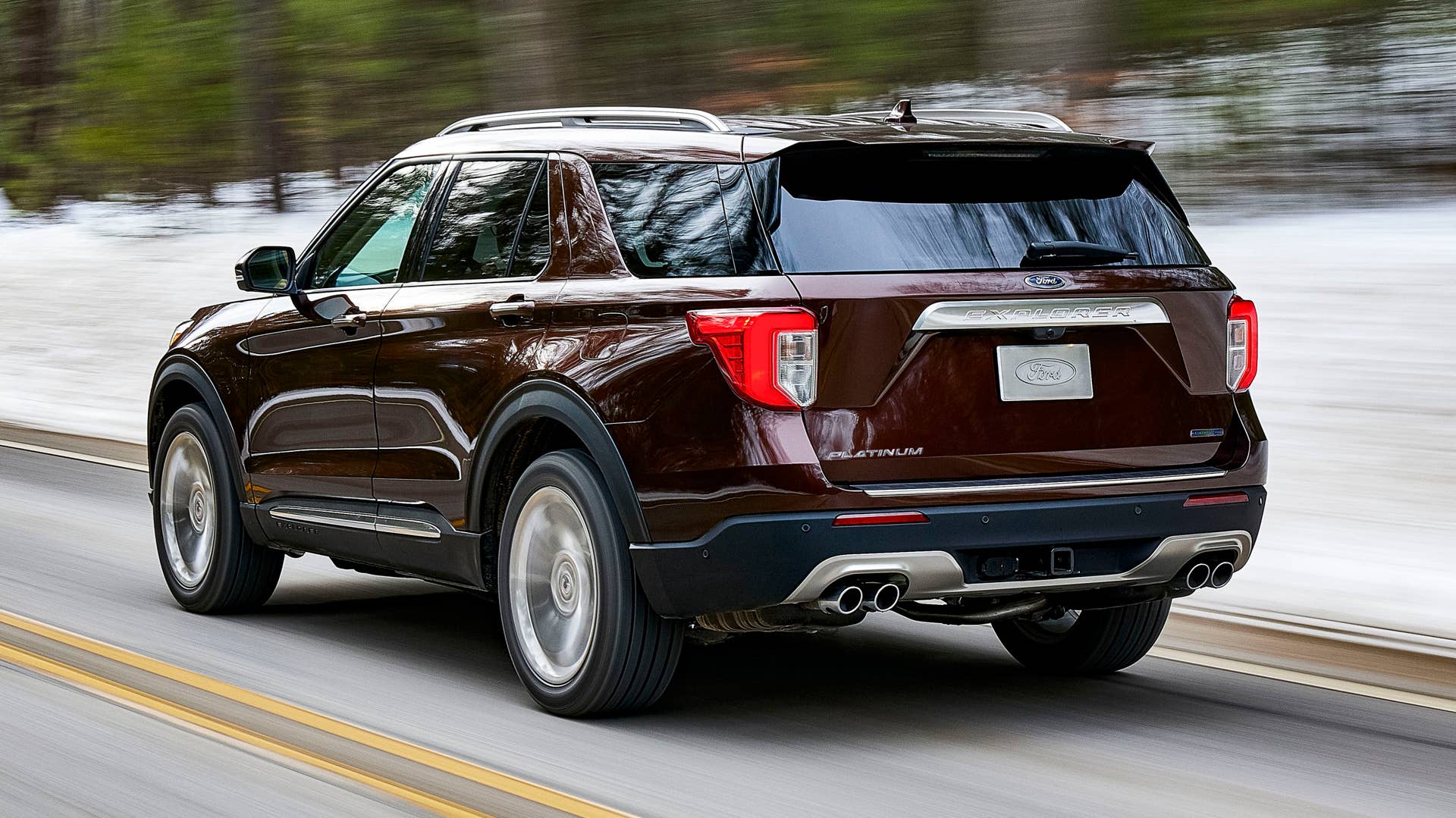
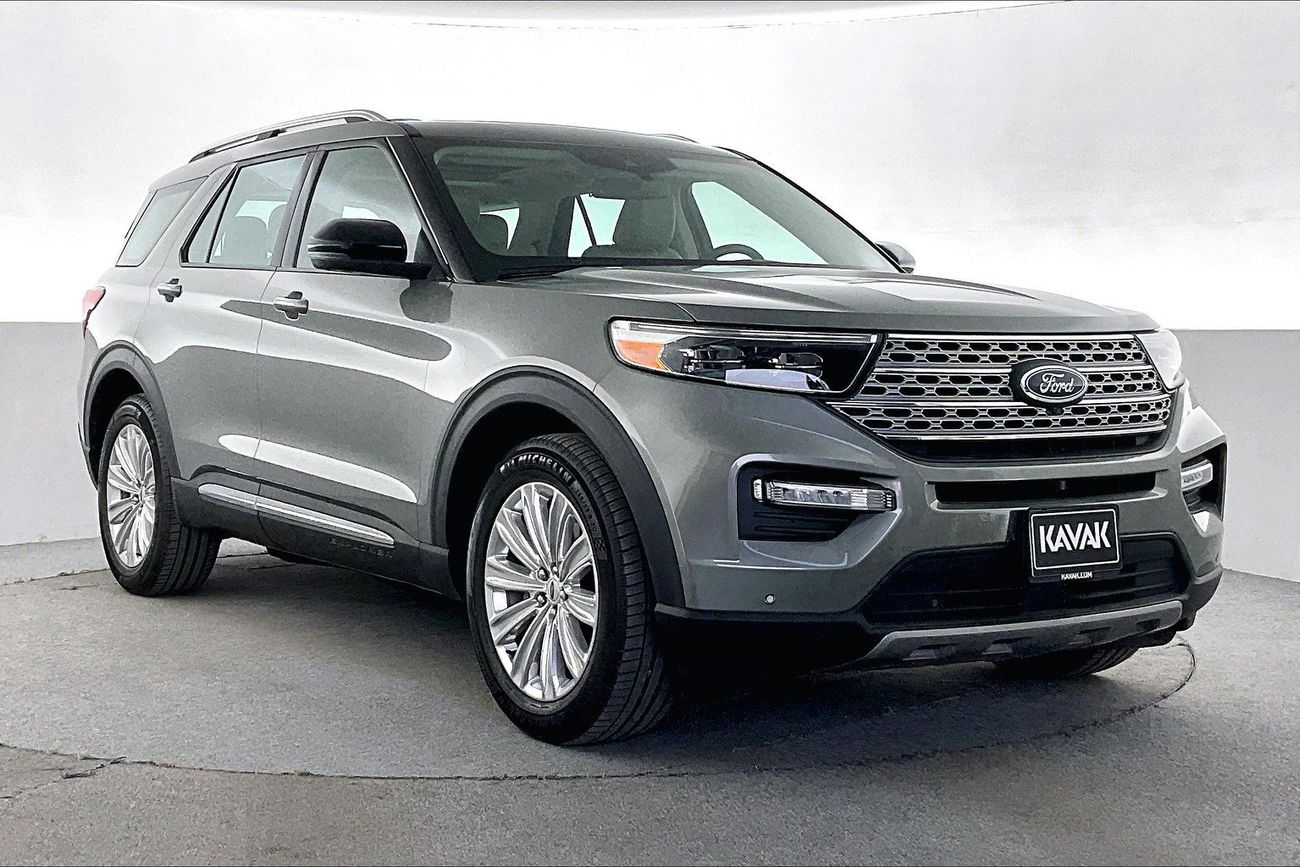
The 2020 Ford Explorer Platinum accelerates from 0 to 60 mph in approximately 5.3 to 5.5 seconds, depending on track conditions, elevation, and fuel quality. This impressive sprint time for a three-row, family-oriented midsize SUV is made possible by its standard 3.0-liter twin-turbocharged EcoBoost V6 engine, which delivers substantial horsepower and torque to an intelligent four-wheel-drive system.
When Ford completely redesigned the Explorer for the 2020 model year, the vehicle transitioned from a front-wheel-drive-based platform to a rear-wheel-drive architecture. This engineering shift dramatically altered the SUV's driving dynamics, weight distribution, and straight-line performance. For buyers and automotive enthusiasts looking at the top-tier Platinum trim, understanding how this powertrain translates into real-world acceleration requires a close examination of its engine specifications, transmission capabilities, chassis design, and testing methodology.
Evolution of the Platform: The 2020 Architectural Shift
To understand the acceleration metrics of the 2020 Ford Explorer Platinum, one must first look at the platform changes introduced that model year. Previous generations of the Explorer utilized a modified version of Ford's D3 platform, which shared its roots with Volvo architectures and prioritized front-wheel-drive configurations. While practical, that platform created nose-heavy weight distribution that blunted straight-line performance and limited towing and handling agility.
The sixth-generation Explorer shifted to the modular CD6 platform. This architecture brought a longitudinal engine layout, allowing for rear-wheel drive as the standard setup and intelligent four-wheel drive (4WD) as an upgrade or standard equipment on higher trims like the Platinum. Shifting the engine orientation back and improving the weight distribution across the chassis provided a superior foundation for handling increased power.
For the Platinum trim, this platform change meant the vehicle could handle a high-output powertrain without the severe torque steer historically associated with powerful front-wheel-drive or transverse-mounted all-wheel-drive layouts. The improved mechanical layout helps plant the rear tires during hard acceleration, directly contributing to the competitive 0-60 mph times recorded by automotive testing publications.
Powertrain Specifications: The 3.0L EcoBoost V6
At the heart of the 2020 Ford Explorer Platinum is a potent 3.0-liter EcoBoost twin-turbocharged V6 engine. This powerplant replaces the older 3.5-liter EcoBoost V6 found in previous generations, offering improved efficiency, broader power delivery, and quicker response times.
- Engine Displacement: 3.0 liters (2,956 cc)
- Induction: Twin-turbocharged (biturbo) direct-injection V6
- Horsepower: 365 hp at 5,500 rpm (when operating on standard 91-octane fuel)
- Torque: 380 lb-ft at 3,500 rpm
- Block/Head Material: Cast aluminum block and aluminum heads
- Valvetrain: DOHC with dual independent variable cam timing (Ti-VCT)
This engine is paired exclusively with a 10-speed SelectShift automatic transmission. The high number of gear ratios allows the transmission to keep the 3.0-liter V6 squarely in its optimal power band throughout acceleration runs. The close gear spacing minimizes drops in RPM during upshifts, ensuring a seamless flow of power from a dead stop up to highway speeds and beyond.
Furthermore, the intelligent four-wheel-drive system features a terrain management system with multiple drive modes (Normal, Trail, Deep Snow/Sand, Slippery, Sport, Tow/Haul, and Eco). When testing 0-60 mph times, drivers typically utilize Sport mode, which adjusts shift points, sharpens throttle response, and alters steering weight to maximize performance.
Real-World Acceleration and Independent Testing Results
While manufacturer specifications provide a baseline, independent automotive testing organizations put vehicles through rigorous, standardized testing to determine true acceleration figures. Publications such as Car and Driver, MotorTrend, and Edmunds tested the 2020 Ford Explorer Platinum shortly after its market launch.
Testing conditions—including ambient temperature, track elevation, fuel load, and tire wear—frequently cause minor variations in recorded times. However, aggregate data from these professional tests paint a consistent picture of the vehicle's capabilities.
| Testing Publication | Recorded 0-60 mph Time | Quarter-Mile Time & Trap Speed | Notes / Conditions |
|---|---|---|---|
| Car and Driver | 5.3 seconds | 13.9 seconds @ 99 mph | Standard fuel, optimal track prep |
| MotorTrend | 5.5 seconds | 14.1 seconds @ 98 mph | Real-world street/track mix |
| Edmunds | 5.4 seconds | 14.0 seconds @ 98.5 mph | Full fuel tank, standard 21-inch wheels |
As indicated in the table, the 2020 Explorer Platinum consistently drops into the mid-5-second range for the 0-60 mph sprint. For a vehicle with a curb weight hovering around 4,750 pounds, this level of acceleration rivals many performance sedans and smaller crossovers from previous decades. The quarter-mile times in the high 13- to low 14-second range further demonstrate that the twin-turbo V6 maintains strong pull past initial launch speeds.
Factors Affecting 0-60 Performance in Daily Driving
Achieving the manufacturer-advertised or magazine-tested 0-60 mph times in everyday driving depends on several mechanical and environmental variables. Understanding these factors helps explain why an individual driver might experience different results on public roads compared to a closed test track.
Vehicle Weight and Curb Loading
The Platinum is the most luxurious and feature-dense trim in the Explorer lineup. It comes standard with multi-contour leather seating, a massive panoramic twin-panel moonroof, premium sound systems, acoustic glass, and heavy-duty chassis components. All these features add mass. A base Explorer with a smaller engine weighs less, but the Platinum tips the scales near 4,750 lbs before adding passengers, cargo, or fuel. Extra weight directly increases inertia, adding a few tenths of a second to acceleration times during fully loaded family trips.
Tire Composition and Traction
The Explorer Platinum rides on large 21-inch wheels wrapped in performance all-season tires (typically 275/45R21). While these tires provide excellent cornering grip and a smooth highway ride, their compound and width dictate how cleanly the vehicle can launch from a dead stop. In wet or cold conditions, the intelligent 4WD system quickly routes power to the front wheels to prevent wheel slip, but traction limits can still slightly delay initial acceleration compared to a prepped drag strip.
Fuel Octane and Engine Management
Ford rates the 3.0-liter EcoBoost V6 at 365 horsepower using 91-octane fuel. Modern engine control units (ECUs) utilize knock sensors and variable ignition timing to safely run on 87-octane regular unleaded, but doing so results in a minor reduction in peak power output. Drivers seeking maximum acceleration performance should consistently use premium fuel (91 octane or higher) to ensure the engine management system maintains maximum boost pressure and aggressive ignition timing.
Comparing the Platinum to Other 2020 Explorer Powertrains
The 2020 Ford Explorer lineup featured several engine choices, ranging from a base turbocharged four-cylinder to a high-performance twin-turbo V6 reserved for the ST model. Comparing the Platinum to its stablemates highlights where it sits in the hierarchy of performance.
- 2.3L EcoBoost Inline-4 (Base, XLT, Limited): Generates 300 horsepower and 310 lb-ft of torque. This engine achieves a 0-60 mph time of roughly 6.8 to 7.0 seconds. It is designed primarily for fuel efficiency and daily commuting rather than straight-line speed.
- 3.3L V6 Hybrid (Limited Hybrid): Combines a naturally aspirated V6 with an electric motor for a total system output of 318 horsepower. Its 0-60 mph time sits around 7.7 seconds, prioritizing towing capacity and fuel economy over rapid acceleration.
- 3.0L EcoBoost V6 (Platinum): Generates 365 horsepower and 380 lb-ft of torque, achieving a 0-60 mph time of 5.3 to 5.5 seconds.
- 3.0L High-Output EcoBoost V6 (ST): The performance-focused Explorer ST utilizes a tuned version of the exact same 3.0-liter block found in the Platinum, but output is increased to 400 horsepower and 415 lb-ft of torque. The ST achieves a 0-60 mph time of approximately 5.2 seconds, aided by firmer suspension tuning and a more aggressive shift schedule.
Frequently Asked Questions
Is the 2020 Ford Explorer Platinum faster than the Explorer ST?
No. While both vehicles share the same foundational 3.0-liter twin-turbocharged V6 engine architecture, the Explorer ST features factory tuning that raises output to 400 horsepower and 415 lb-ft of torque. The Platinum produces 365 horsepower and 380 lb-ft. Consequently, the ST is slightly faster, achieving 0-60 mph in about 5.2 seconds compared to the Platinum's 5.3 to 5.5 seconds.
Does the 2020 Explorer Platinum require premium fuel to achieve its 0-60 time?
Ford rates the 3.0-liter EcoBoost engine's peak performance figures using 91-octane fuel. While the vehicle can safely operate on regular 87-octane fuel due to adaptive engine tuning, doing so results in slightly lower horsepower and torque outputs, which can marginally increase 0-60 mph acceleration times.
How does the 10-speed transmission affect acceleration feel?
The 10-speed automatic transmission utilizes closely spaced gear ratios that keep the engine operating efficiently within its power band. During hard acceleration, the transmission executes rapid upshifts without significant interruptions in power delivery, providing smooth and continuous acceleration from a stop to highway speeds.
Can the 2020 Explorer Platinum tow heavy loads while maintaining performance?
Yes. When properly equipped with the Class III Trailer Tow Package, the Explorer Platinum has a maximum towing capacity of 5,600 pounds. While towing heavy loads will naturally reduce acceleration performance, the twin-turbo V6 engine provides ample low-end torque to pull trailers up steep inclines without feeling strained.
What drive mode should be used for the fastest acceleration?
Engaging Sport mode via the center console rotary dial provides the quickest acceleration. Sport mode alters throttle sensitivity, holds gears longer before upshifting, stiffens the steering feel, and adjusts the stability control thresholds to prioritize responsive driving dynamics.
Conclusion and Next Actions
The 2020 Ford Explorer Platinum proves that three-row family utility and brisk straight-line performance are not mutually exclusive. With a 0-60 mph time of 5.3 to 5.5 seconds, powered by a robust 3.0-liter twin-turbo V6 and a rear-wheel-drive-biased platform, it offers more than enough passing power and merging capability for daily driving. For prospective buyers evaluating a used model, verifying maintenance history—particularly oil change intervals and turbocharger cooling health—ensures the vehicle continues to deliver factory-level performance. Always test-drive the specific vehicle on your local roads to confirm that the transmission shift behavior and suspension tuning meet your personal expectations before finalizing a purchase.