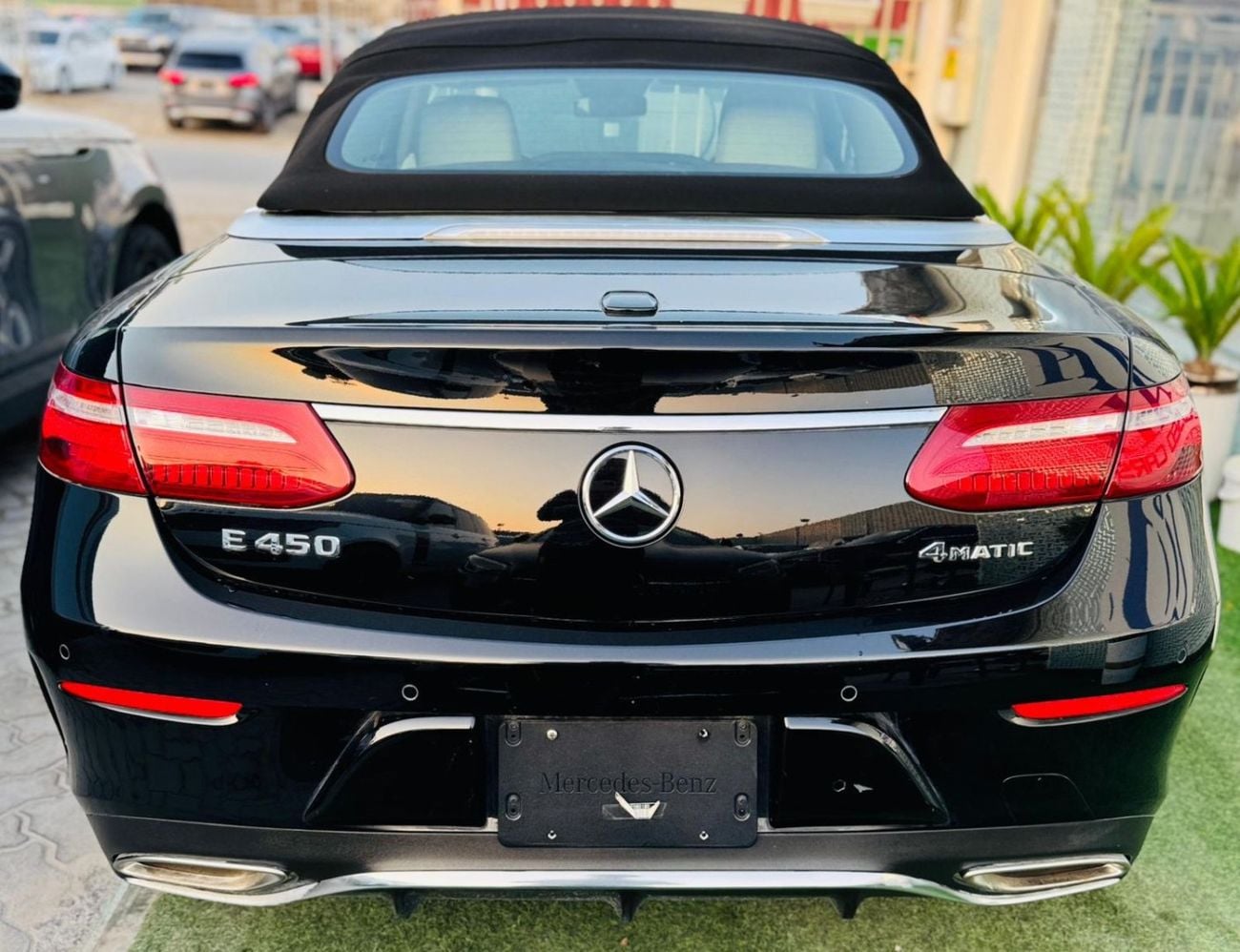
The 2019 Mercedes-Benz E450, equipped with a 3.0-liter biturbo V6 engine, delivers a factory-rated 0-60 mph acceleration time of approximately 5.0 to 5.2 seconds for the sedan variant. This performance metric is bolstered by the 362 horsepower and 369 lb-ft of torque generated by the M276 engine architecture, providing a balanced blend of luxury grand touring capability and responsive mechanical output.
Engineering the E450 Performance Profile
The 2019 E450 represented a pivotal shift in the E-Class nomenclature, replacing the previous E400 designation. At the heart of its performance is the 3.0-liter V6 biturbo engine. Unlike high-strung performance engines that prioritize peak output at the redline, this power plant is engineered for consistent, tractable torque across a broad rev range.
The engine produces its 369 lb-ft of torque starting as low as 1,800 RPM. This "torque curve" is the primary reason the vehicle achieves its 0-60 time with such perceived ease. By generating significant force early in the power band, the E450 minimizes the "turbo lag" traditionally associated with forced-induction engines, allowing the vehicle to lunge forward from a standstill without requiring aggressive throttle inputs or excessive engine revving.
Transmission Dynamics and Power Delivery
The engine’s performance is managed by the 9G-TRONIC nine-speed automatic transmission. The integration of this transmission is critical to the 0-60 performance; it allows the engine to stay within its optimal power window during acceleration runs. When the driver engages full throttle, the transmission performs rapid, precise upshifts that prevent the engine from falling out of the "sweet spot" of the torque band.
Furthermore, the 4MATIC all-wheel-drive system (standard on many E450 models sold in North America) plays a decisive role in the 0-60 sprint. By distributing power across all four wheels, the system virtually eliminates the traction loss that typically plagues high-torque rear-wheel-drive sedans during a launch from a dead stop. This efficiency allows the vehicle to put its 362 horsepower directly to the pavement, shaving precious tenths of a second off the acceleration time compared to configurations that might struggle with wheel slip.
Comparing Body Styles and Configurations
While the sedan is the most common platform for discussing the E450, the performance profile varies slightly across the 2019 lineup, which included the sedan, coupe, cabriolet, and wagon. The curb weight difference between these variants is the primary variable affecting acceleration.
| Configuration | Estimated 0-60 MPH (Seconds) | Drivetrain Focus |
|---|---|---|
| E450 Sedan | 5.0 - 5.1 | Balanced Touring |
| E450 Coupe | 5.0 - 5.2 | Sport-Tuned Suspension |
| E450 Wagon | 5.2 - 5.4 | Cargo-Utility Weight |
| E450 Cabriolet | 5.2 - 5.4 | Open-Top Structural Reinforcement |
The extra weight inherent in the wagon and the structural reinforcements required for the cabriolet lead to a marginal increase in the 0-60 times. However, for the average driver, these variances are largely academic, as the seat-of-the-pants feel remains largely consistent due to the identical power output across all four models.
Factors Influencing Real-World Acceleration
While the manufacturer-tested figures provide a benchmark, real-world performance can be influenced by several environmental and operational factors. Understanding these variables is essential for owners looking to verify their vehicle's health or performance capability.
- Tire Selection and Condition: The grip provided by high-performance summer tires versus all-season tires significantly alters launch efficiency. Tires that have hardened due to age or cold temperatures will struggle to transfer torque to the road, extending the 0-60 time.
- Surface Elevation and Density Altitude: Air density has a direct impact on forced-induction engines. At higher altitudes, the turbochargers must work harder to compensate for thinner air. Consequently, an E450 tested at sea level will consistently outperform the same vehicle at a high-altitude location.
- Fuel Quality: The engine management system is tuned for premium gasoline (91 AKI or higher). Using lower octane fuel can trigger the engine's knock-sensing systems, leading the ECU to retard ignition timing and reduce power output to prevent engine damage.
- Drive Mode Selection: The "Sport" and "Sport+" modes alter the transmission shift mapping and throttle sensitivity. In "Comfort" mode, the car may start in second gear and utilize a more relaxed throttle map, which will objectively result in slower 0-60 times compared to the more aggressive "Sport" settings.
The Role of Electronic Aids
The 2019 E450 utilizes sophisticated traction control and electronic stability programs (ESP). While these systems are primarily for safety, they also manage power delivery during rapid acceleration. In a controlled environment, disabling the "ESP" to a limited degree might allow for slightly more wheel slip, but in the E450, the 4MATIC system is so efficient that disabling these aids often leads to diminishing returns. The electronics are calibrated to ensure the vehicle accelerates in the most efficient manner possible while maintaining composure.
Maintaining Performance Over Time
As the 2019 E450 continues to age in 2026, maintaining the integrity of the performance profile requires diligent adherence to maintenance schedules. The biturbo system relies on clean oil to lubricate the turbocharger bearings and clean intake air to ensure optimal combustion. Owners should ensure that the transmission fluid has been serviced according to manufacturer intervals, as the 9G-TRONIC system relies on high-pressure hydraulic health for its characteristic snappy shifts.
Common performance degradation is usually not the result of mechanical failure but rather a lack of maintenance. Air filters, spark plugs, and fuel system cleaners are the most frequent culprits. A restricted air filter will choke the engine’s ability to "breathe" at high RPM, while degraded spark plugs can lead to intermittent misfires that are imperceptible during casual driving but catastrophic for 0-60 acceleration.
Comparative Perspective in the Luxury Segment
When evaluated against its 2019 contemporaries—such as the BMW 540i or the Audi A6—the E450 offers a more refined, "grand tourer" approach to performance. While the BMW 540i may offer a slightly more aggressive engine note and a sharper turn-in feel, the E450 provides a more stable, composed launch that feels less hurried. This is a deliberate design choice by Mercedes-Benz, prioritizing "effortless speed" over "raw intensity." The 0-60 capability of the E450 is a byproduct of its engineering goal to provide a seamless driving experience, rather than an attempt to claim the fastest time in its class.
Frequently Asked Questions
Does the 2019 E450 use the same engine as the older E400? The 2019 E450 features a refined version of the M276 engine. While it shares architecture with the E400's power plant, the E450 received updates to its turbocharger mapping and cooling systems, resulting in an output increase of 33 horsepower and 15 lb-ft of torque, which accounts for the improved acceleration times.
Is 0-60 performance better in the E450 Sedan or the Coupe? The sedan and coupe are very similar in performance, but the coupe is often slightly more nimble. The sedan is generally preferred for straight-line stability, whereas the coupe's lower center of gravity and slightly different chassis tuning can make it feel more responsive in transitions.
Does using regular unleaded fuel impact 0-60 times? Yes. Using fuel below the recommended premium octane rating causes the ECU to pull timing to prevent pre-ignition. This effectively reduces engine output, which will result in a measurable drop in acceleration performance and may negatively impact fuel economy.
How does the 4MATIC system affect acceleration from a stop? The 4MATIC all-wheel-drive system is the "secret" to the E450's consistent 0-60 times. By splitting the torque between the front and rear axles, it prevents the rear-wheel spin that frequently forces a driver to modulate the throttle, allowing for a much harder, more consistent launch.
Can I improve the 0-60 time with aftermarket modifications? While software tunes ("chips") exist to increase boost pressure and timing, these modifications can void warranties and may exceed the thermal capacity of the stock cooling components. For the majority of drivers, the factory 5.0-second performance is sufficient for the vehicle’s intended luxury grand-touring purpose.
Recommendation for Owners
To verify the performance of your 2019 E450, ensure the vehicle is in "Sport" mode and utilizes high-quality, top-tier premium gasoline. If you suspect your vehicle is performing below the 5.0 to 5.2-second range, begin your investigation with the basics: verify the air filter condition, check for stored diagnostic codes related to the turbocharging system, and ensure that your tires are correctly inflated and have adequate tread depth. If the vehicle feels sluggish, a professional diagnostic scan can reveal if the vehicle is pulling timing due to sensor irregularities, which is a common and easily rectifiable issue in high-performance luxury sedans.