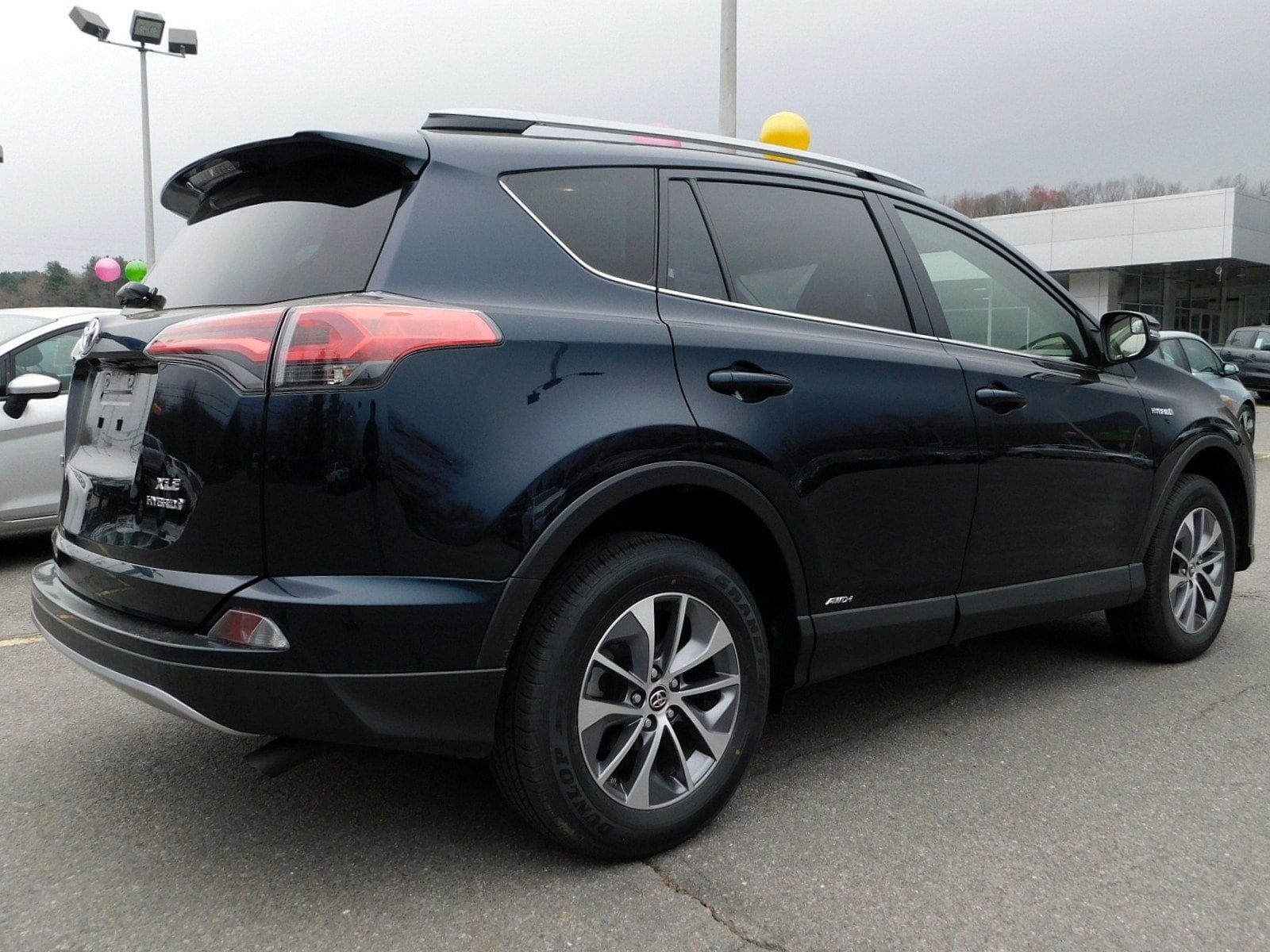
The 2018 Toyota RAV4 Hybrid XLE represents a pivotal model year for the fourth generation of the brand’s best-selling compact SUV, blending efficient hybrid powertrain technology with the balanced equipment set of the mid-range XLE trim. It offers a refined driving experience, standard Toyota Safety Sense P (TSS-P) technology, and the brand’s proven Electronic On-Demand All-Wheel Drive system, making it a benchmark for practical, fuel-efficient utility vehicles of its era.
The Evolution of the Fourth-Generation RAV4
The fourth generation of the Toyota RAV4, designated internally as the XA40 series, underwent a significant mid-cycle refresh for the 2016 model year. By 2018, Toyota had refined the formula to include the Hybrid model as a distinct offering within the lineup. The 2018 model year served as the final full production year before the debut of the redesigned fifth-generation (XA50) model in 2019.
Understanding the 2018 RAV4 Hybrid XLE requires looking at the technical landscape of the time. In 2018, Toyota was aggressively standardizing its advanced driver-assistance systems across its fleet. For the RAV4, this meant that even the XLE trim was equipped with a robust suite of safety technologies that were often optional on competitor vehicles. The Hybrid XLE occupied a space for buyers who wanted the benefits of a gasoline-electric powertrain—namely better city fuel economy and improved low-end torque—without opting for the top-tier Limited trim.
Technical Specifications and Powertrain Dynamics
The heart of the 2018 RAV4 Hybrid XLE is the Toyota Hybrid System (THS), which pairs a 2.5-liter Atkinson-cycle four-cylinder engine with an electric motor-generator system. Unlike the standard gasoline-only RAV4, which used a conventional six-speed automatic transmission, the hybrid variant utilizes an electronically controlled Continuously Variable Transmission (ECVT).
Performance Metrics
The system produces a net output of 194 horsepower. While the horsepower figure is higher than the standard gasoline engine (which produced 176 horsepower), the primary benefit for the driver is the instant torque provided by the electric motors. This makes the Hybrid feel more responsive in stop-and-go urban traffic.
All-Wheel Drive Configuration
A unique feature of the 2018 RAV4 Hybrid is the Electronic On-Demand AWD system. Instead of using a traditional driveshaft running from the front transmission to the rear axle, the hybrid uses an independent electric motor mounted at the rear wheels. This allows the vehicle to provide power to the rear wheels when the system detects slippage at the front, enhancing traction on wet or snowy surfaces.
Feature Overview of the XLE Trim
The XLE trim level was positioned as the volume-leading, value-oriented option in the 2018 lineup. It provided a significant upgrade over the base LE trim while remaining more affordable than the SE or Limited trims.
Interior and Comfort Features
- Dual-Zone Automatic Climate Control: Allowed for independent temperature settings for the driver and front passenger, a staple feature for the XLE.
- Audio and Connectivity: Equipped with the Entune Audio Plus system, which included an 6.1-inch touchscreen, Bluetooth hands-free phone and music streaming, and Scout GPS Link.
- Seating: Features SofTex-trimmed seating in some configurations or high-quality fabric, with a power-adjustable driver’s seat that provided good ergonomic support for long-distance driving.
- Sunroof: A power tilt/slide moonroof was a standard inclusion on the XLE, adding a sense of airiness to the cabin.
Exterior Specifications
The 2018 XLE maintained the muscular, slightly aggressive styling introduced in the 2016 facelift. Key exterior features included 17-inch alloy wheels, fog lights, and heated power side mirrors with integrated turn signal indicators. The Hybrid-specific badging and blue-accented Toyota emblems distinguished it visually from its non-hybrid counterparts.
Safety and Driver Assistance (TSS-P)
Perhaps the most significant legacy of the 2018 model year is the inclusion of the Toyota Safety Sense P (TSS-P) package as standard equipment. This marked a departure from previous years where such technology was often hidden behind expensive tech packages.
The TSS-P suite includes:
- Pre-Collision System with Pedestrian Detection: Uses a camera and radar to detect vehicles or pedestrians, providing audio and visual alerts and, if necessary, automatic braking.
- Lane Departure Alert with Steering Assist: Monitors lane markings and alerts the driver if the vehicle begins to drift, with the ability to provide gentle corrective steering input.
- Automatic High Beams: Detects headlights of oncoming vehicles and taillights of preceding vehicles, automatically switching between high and low beams.
- Full-Speed Range Dynamic Radar Cruise Control: Adjusts vehicle speed to maintain a pre-set distance from the vehicle ahead, capable of functioning down to a stop in many scenarios.
Comparative Overview: Hybrid XLE vs. Other 2018 Trims
When evaluating the 2018 RAV4, potential buyers often compare the Hybrid XLE against the SE and Limited trims. The following table summarizes the key distinctions to help clarify the value proposition.
| Feature | Hybrid XLE | Hybrid SE | Hybrid Limited |
|---|---|---|---|
| Powertrain | 2.5L Hybrid | 2.5L Hybrid | 2.5L Hybrid |
| Wheels | 17-inch Alloy | 18-inch Sport Alloy | 18-inch Alloy |
| Headlights | Projector-Beam | LED Projector | LED Projector |
| Audio | Entune Audio Plus | Entune Premium | Entune Premium JBL |
| Safety | TSS-P Standard | TSS-P Standard | TSS-P Standard |
| Key Added Feature | Moonroof | SofTex Seats | Heated Front Seats |
Maintenance and Long-Term Reliability
By 2026, the 2018 RAV4 Hybrid has been on the road for eight years. Owners often report high satisfaction regarding its reliability. The maintenance schedule for the hybrid system is generally predictable, though owners should note the health of the high-voltage battery.
Hybrid Battery Considerations
Toyota utilizes a nickel-metal hydride (NiMH) battery for this generation. These batteries are known for longevity, often lasting well beyond the 100,000-mile mark. However, in 2026, owners of high-mileage units should monitor the battery cooling intake vent, which is located under the rear seat. Keeping this vent free of dust and debris is essential for the longevity of the battery pack.
Common Maintenance Items
- Regenerative Braking: Because the hybrid system uses electric motors to slow the vehicle, the physical brake pads and rotors on a 2018 RAV4 Hybrid often last significantly longer than those on a non-hybrid vehicle.
- Fluids: Regular oil changes using 0W-20 synthetic oil remain the most critical service item for the 2.5L engine.
- Cooling System: The hybrid system has a separate inverter cooling loop that should be inspected during routine service intervals.
Historical Timeline: The 2018 Context
The 2018 model year was a "carryover" year, meaning it did not introduce major structural or aesthetic changes compared to the 2017 model. Toyota focused on stabilizing the production of the hybrid variant as demand for fuel-efficient SUVs began to skyrocket.
- Late 2017: Toyota announces the 2018 model year lineup, highlighting the continued expansion of standard active safety features across the segment.
- Early 2018: The 2018 RAV4 Hybrid XLE begins arriving at dealerships in high volume, solidified by strong consumer interest in the intersection of high utility and improved MPG.
- Mid-2018: Toyota releases teaser information regarding the upcoming 2019 RAV4 redesign, leading to competitive pricing incentives on the remaining 2018 stock.
- Late 2018: Production of the XA40 series nears completion to prepare for the factory retooling necessary for the TNGA (Toyota New Global Architecture) platform used in the 2019 model.
Troubleshooting Common Queries
For those navigating the ownership experience of this vehicle in 2026, certain common concerns often arise.
Dealing with Infotainment Glitches
The 2018 Entune system can occasionally struggle with modern smartphone connectivity. If your phone is failing to connect via Bluetooth, a "hard reset" of the infotainment unit—often achieved by deleting the profile from both the phone and the car and re-pairing—usually resolves the issue.
Cold Weather Performance
Some drivers report that the cabin takes longer to heat up in extreme cold compared to pure gasoline engines. This is because the internal combustion engine cycles off frequently to save fuel. This is normal behavior for the hybrid system and is not a malfunction. Using the "ECO" mode in cold weather can exacerbate this; switching to "Normal" or "Sport" mode can keep the engine running more consistently to assist with cabin heating.
Expert Guidance for Buyers and Owners
If you are looking to acquire or maintain a 2018 RAV4 Hybrid XLE, prioritize service records over total mileage. A hybrid that has been driven regularly and serviced according to the manual is often a better purchase than one that has sat idle for long periods.
For current owners, ensure your 12-volt accessory battery is tested annually. Even though the hybrid system uses a large traction battery, the vehicle still requires a 12-volt battery to "boot up" the computer systems. If this battery fails, the car will not start, even if the hybrid battery is fully charged. This is a common point of confusion for new owners.
Next Actions
- Verify Recalls: Visit the official Toyota recall portal using your VIN to ensure all historical safety campaigns for the 2018 model year have been completed.
- Battery Health Check: If you are buying used, have a qualified hybrid technician perform a load test on both the 12-volt and high-voltage battery systems.
- Update Software: Inquire at a Toyota service center if any firmware updates are available for your specific infotainment version to improve smartphone integration stability.