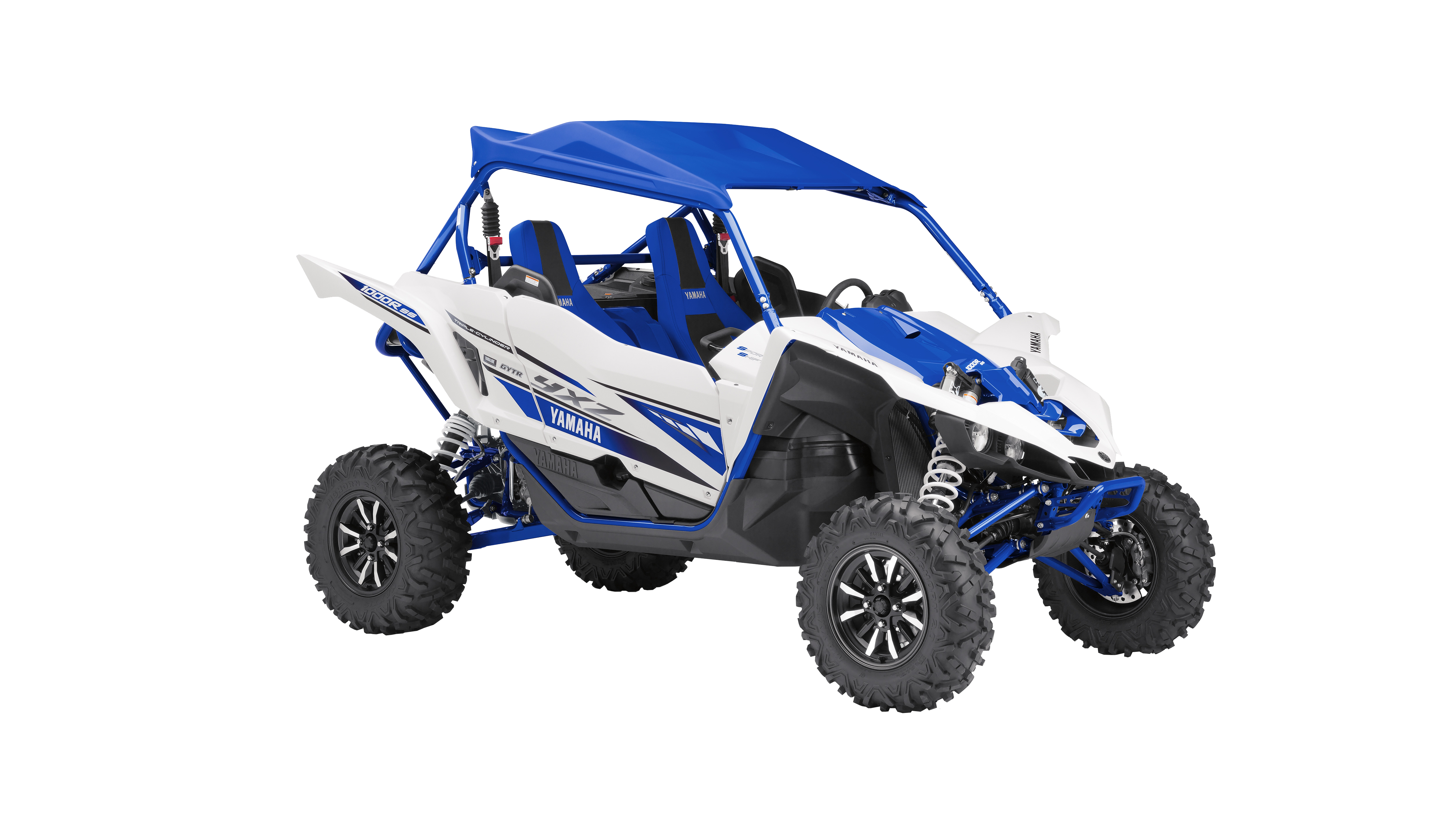
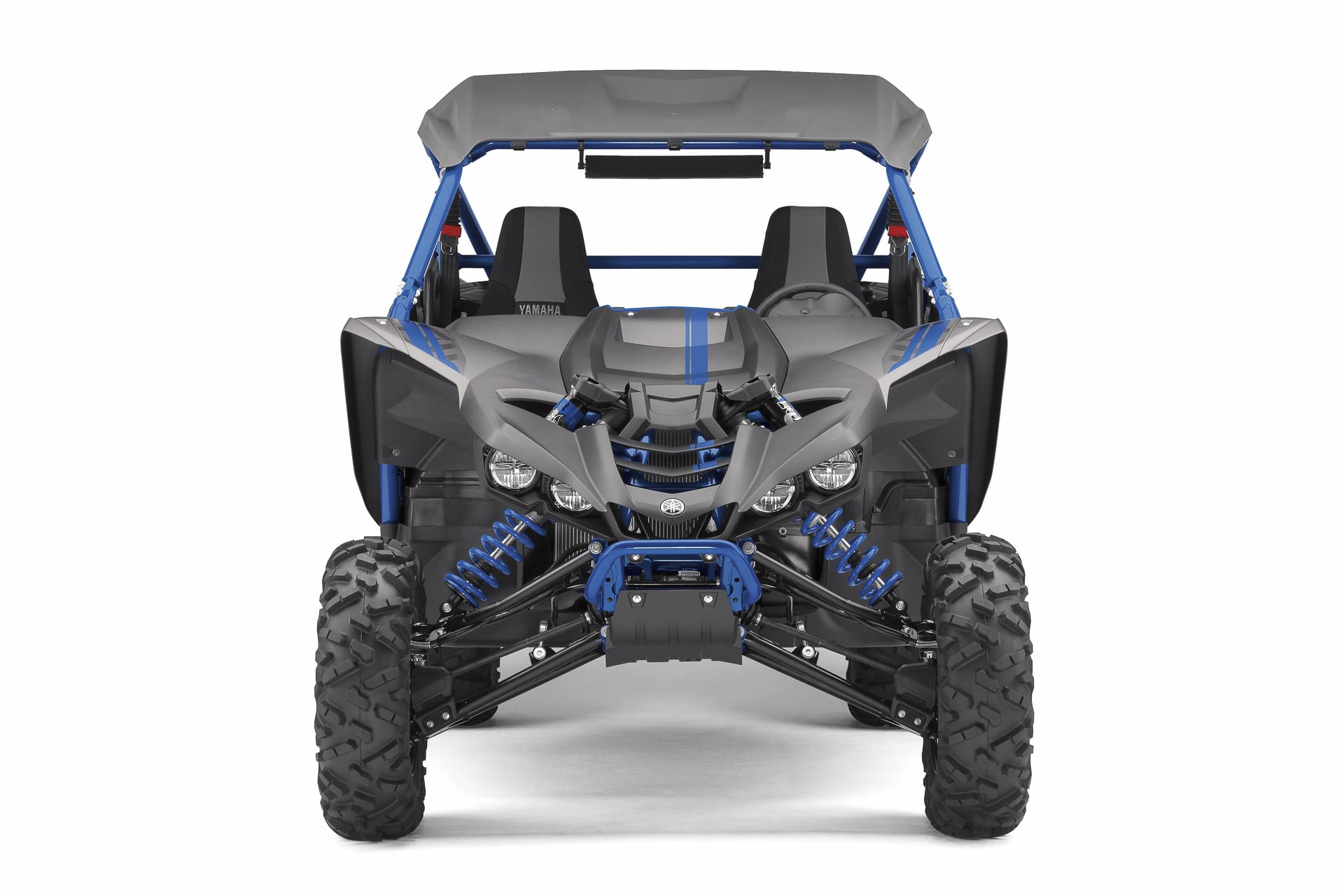
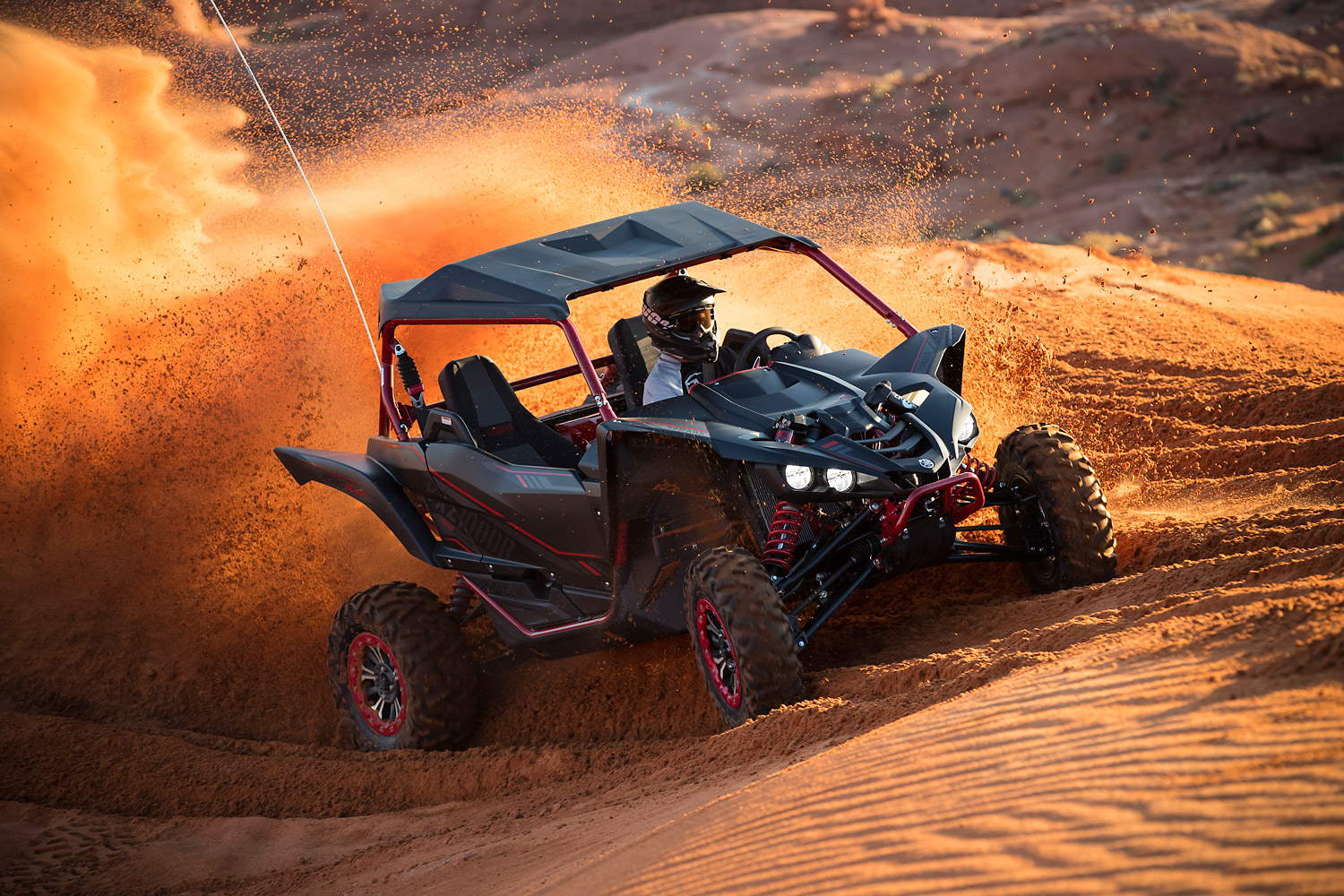
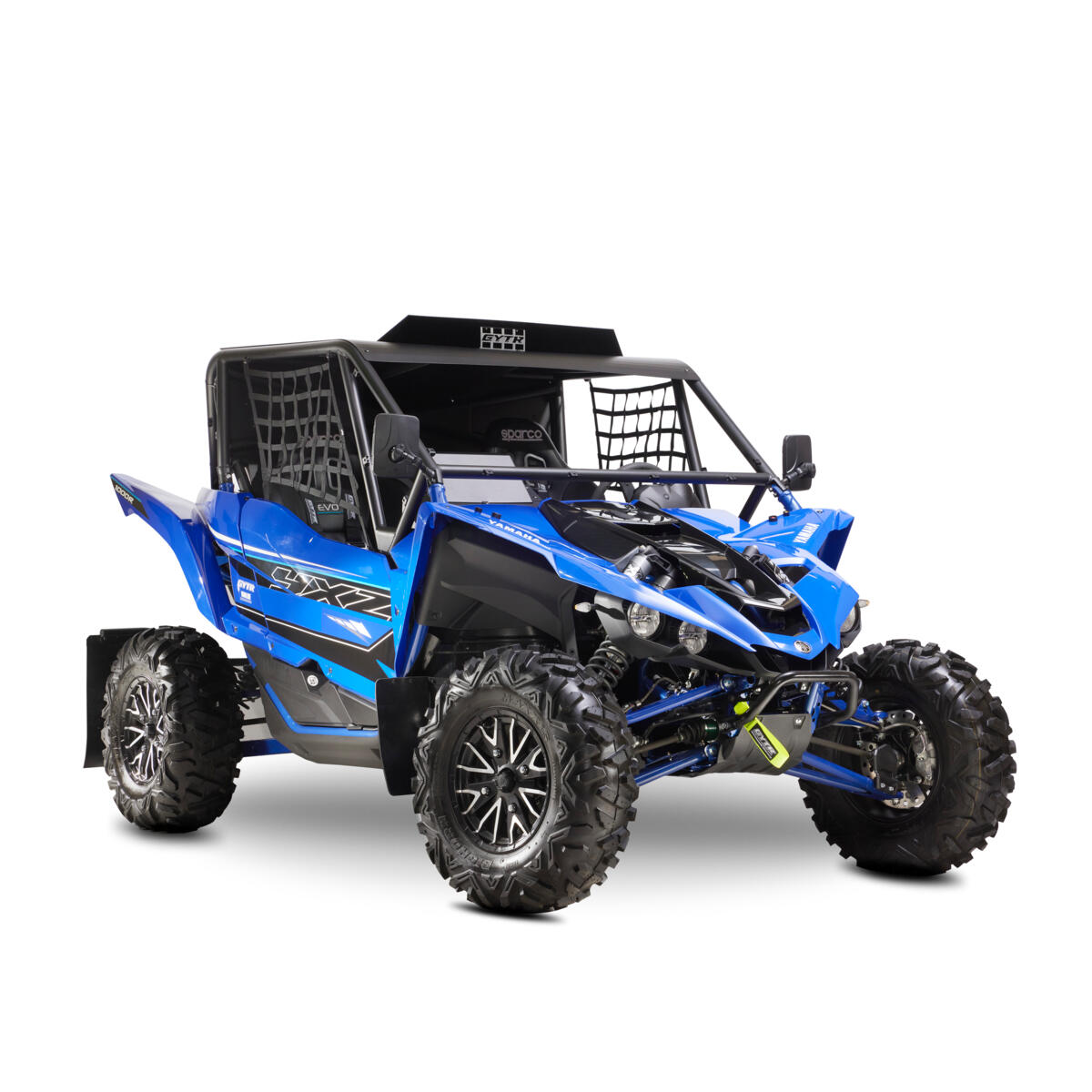
The 2017 Yamaha YXZ1000R is a high-performance Side-by-Side (SxS) vehicle that revolutionized the industry by combining a high-revving, naturally aspirated inline-triple engine with an authentic, driver-engaged 5-speed manual sequential transmission. Designed for high-speed desert running and aggressive dune riding, it bridges the gap between traditional off-road utility vehicles and high-end rally machines.
Introduction to the 2017 Yamaha YXZ1000R
When Yamaha introduced the YXZ1000R for the 2016 model year and continued it into 2017, the off-road landscape experienced a major shift. While competitors like Polaris and Can-Am leaned heavily into automatic Continuously Variable Transmissions (CVTs), Yamaha took a bold engineering path. They built a pure sport machine centered entirely on driver engagement, precision shifting, and mechanical connection.
The 2017 Yamaha YXZ1000R represents a refined iteration of this formula. It targets seasoned off-road enthusiasts who prefer rowing through gears with a clutch pedal rather than relying on a belt-driven automatic setup. Understanding this machine requires looking closely at its powertrain, suspension architecture, cockpit layout, and its unique place in the sport SxS market.
Powertrain and Engine Performance
At the heart of the 2017 Yamaha YXZ1000R is a liquid-cooled, 998cc, DOHC, 12-valve inline-three engine. This powerplant is engineered to rev high, producing its peak horsepower near a screaming 10,500 RPM redline. The exhaust note is a distinctive, aggressive triple wail that sets it apart from the twin-cylinder and V-twin powerplants dominant in the class.
| Engine Specification | Detail |
|---|---|
| Displacement | 998cc |
| Engine Type | Liquid-cooled, 4-stroke, DOHC, 12-valve inline 3-cylinder |
| Bore x Stroke | 80.0mm x 66.2mm |
| Compression Ratio | 11.3:1 |
| Fuel Delivery | Yamaha Fuel Injection (YFI), triple 41mm throttle bodies |
| Transmission | 5-speed sequential with manual clutch (or Sport Shift paddle system on SE models) |
| Drive Train | Yamaha On-Command 3-way locking differential (2WD, 4WD, full diff-lock 4WD) |
Unlike CVTs that slip into an optimal ratio while the engine drones at a constant RPM, the YXZ1000R delivers a direct, linear acceleration curve. Drivers must manage shift points carefully, keeping the engine in its optimal power band. This rewards precise driving technique but demands active participation from the pilot.
Transmission Options: Manual vs. Sport Shift
For the 2017 model year, Yamaha offered two distinct transmission variations to cater to different driving preferences:
- Standard Manual (YXZ1000R): Features a true 5-speed sequential manual gearbox paired with a foot-operated clutch pedal and a traditional gated floor shifter. It provides mechanical feedback and clutch-dumping capability essential for aggressive launches in loose sand.
- Sport Shift (YXZ1000R SS): Replaces the foot clutch with an automated clutch system controlled by electronic actuators. Drivers change gears via column-mounted paddle shifters. An intelligent YCC-S (Yamaha Chip Controlled Shift) computer manages clutch engagement, preventing stalls and executing downshifts smoothly even under heavy braking.
While purists favored the manual variant for absolute mechanical control, the Sport Shift model gained traction among technical trail riders and racers who needed faster shifting without hand-and-foot coordination fatigue in rough terrain.
Suspension and Handling Dynamics
Handling performance defines a pure sport SxS, and the 2017 Yamaha YXZ1000R relies on fully adjustable suspension geometry designed to absorb high-speed bumps and maintain chassis stability.
Front and Rear Architecture
The vehicle utilizes independent double wishbone suspension at all four corners. For the standard and SE models, Yamaha partnered with FOX to supply high-end shocks.
- FOX 2.5 Podium RC2 Dual-Spring Shocks: These units feature piggyback reservoirs and offer fully adjustable high- and low-speed compression damping, rebound damping, and threaded spring preload.
- Travel Figures: Wheel travel measures 16.2 inches up front and 17.0 inches in the rear. This ample travel allows the vehicle to skim across rough washboards and absorb hard landings from G-out transitions.
EPS (Electronic Power Steering)
Yamaha equipped the 2017 lineup with speed-sensitive Electronic Power Steering. This system reduces steering effort at low speeds while maintaining a heavy, communicative feel at high speeds, minimizing steering feedback kickback when striking hidden rocks or ruts.
Chassis, Ergonomics, and Cockpit Design
The YXZ1000R sits on a high-tensile steel frame engineered for high torsional rigidity. This stiffness prevents chassis flex when cornering hard or landing jumps, ensuring predictable tracking.
Inside the cockpit, Yamaha prioritized a low-slung, race-inspired seating position. The cabin places the driver and passenger deep within the chassis for an intimate connection to the machine's center of gravity.
- Seating: Bucket seats are adjustable, though aftermarket harnesses are frequently added by owners for aggressive racing applications.
- Instrumentation: A multi-function digital dash displays speed, tachometer, gear position, fuel level, coolant temperature, and various diagnostic warnings.
- Storage: Storage is minimal, limited to a small glove box and a small space behind the seats, reflecting its pure sport focus over utility capability.
Specialized Trims: Standard vs. Special Edition (SE)
Buyers shopping for a 2017 model will encounter two primary trim tiers that modify the vehicle's aesthetic and functional componentry:
- Standard Trim: Equipped with cast aluminum wheels, Maxxis Bighorn 2.0 tires, and standard color packages (such as Racing Blue or Team Yamaha Yellow).
- Special Edition (SE) Trim: Upgrades the machine with beadlock wheels, upgraded colorways, improved engine cooling components, and specialized graphics packages. The SE variant on the Sport Shift model also featured launch control systems designed to optimize acceleration from a dead stop.
Common Maintenance and Operational Considerations
Operating a high-RPM, manual-transmission SxS requires adherence to specific maintenance routines compared to belt-driven alternatives:
- Clutch Life: In the standard manual model, aggressive driving or heavy rock crawling can wear out the clutch plates faster than a standard utility machine. Proper clutch technique is vital.
- Oil Changes: The dry-sump lubrication system requires precise oil level checks across both the engine and external reservoir tank.
- Air Filtration: High-speed desert running exposes the intake to extreme dust. Pre-filters and frequent air filter servicing are mandatory to protect the high-compression triple engine.
Frequently Asked Questions
What horsepower does the 2017 Yamaha YXZ1000R produce?
The 2017 Yamaha YXZ1000R produces approximately 112 horsepower from its naturally aspirated 998cc inline-triple engine. It relies on high RPMs rather than forced induction to generate power, delivering a linear power band tailored for wide-open spaces.
Does the 2017 model have reverse?
Yes. Both the manual and Sport Shift variants feature a reverse gear integrated directly into the transmission architecture, allowing drivers to back out of tight spots without external assistance.
Is the 2017 Yamaha YXZ1000R good for trail riding?
While capable, the YXZ1000R is optimized for wide-open spaces, dunes, and fast desert tracks. Its tall first gear in the standard manual model requires clutch slipping in tight, slow-speed technical rock crawling, though the Sport Shift model manages low-speed engagement more easily.
What is the difference between the 2016 and 2017 models?
The 2017 model introduced important refinements based on feedback from the inaugural 2016 release, including revised gearing options (lowered final drive gearing for better low-end acceleration), improved cooling fan programming, and expanded suspension tuning ranges.
Can a turbocharger be added to the 2017 YXZ1000R?
Yes. The robust engine internals have made the 2017 YXZ1000R a popular platform for aftermarket turbo kits. However, adding forced induction requires proper fuel tuning and clutch reinforcement to maintain long-term reliability.
Conclusion and Buying Recommendation
The 2017 Yamaha YXZ1000R remains a standout machine for drivers who prioritize mechanical engagement, manual gear-shifting, and high-rpm engine character over the effortless point-and-shoot nature of CVT side-by-sides. While it demands more active participation from the driver, its durable engine architecture and top-tier FOX suspension deliver an unmatched rally-style driving experience. When evaluating a used model, inspect the clutch health, suspension component wear, and air filter maintenance history to ensure the machine was properly cared for by previous owners.